
When I was in the seventh grade, we had a unit in social studies on the historical development and meaning of names. For our homework, we were supposed to ask our parents what our family name meant. Since my parents were divorced, I wasn’t able to ask my father and knew better than to ask my mother, so I just made something up.However, for some reason, this kindled in me an interest in understanding names.
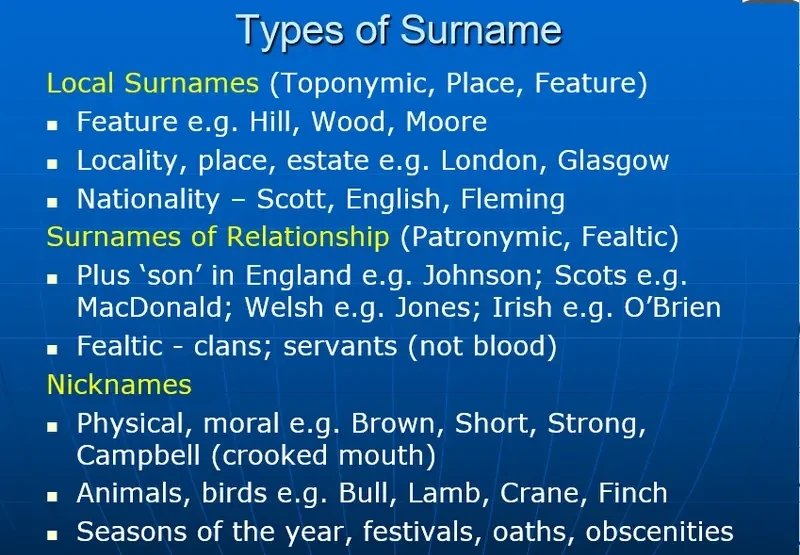
A year or so later in church, the pastor was talking about Jesus being born and mentioned that the name He was given was the same name as Joshua in the Old Testament in old Hebrew, meaning “God’s Salvation.”
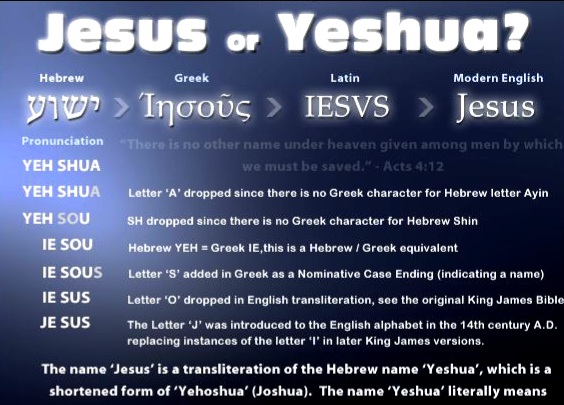
It became kind of a game over the years for me to match up other names in the New Testament with those in the Old Testament.
Going back to what I learned about how people in the Old World got their names, I saw how Jesus was called by many names in the gospels.
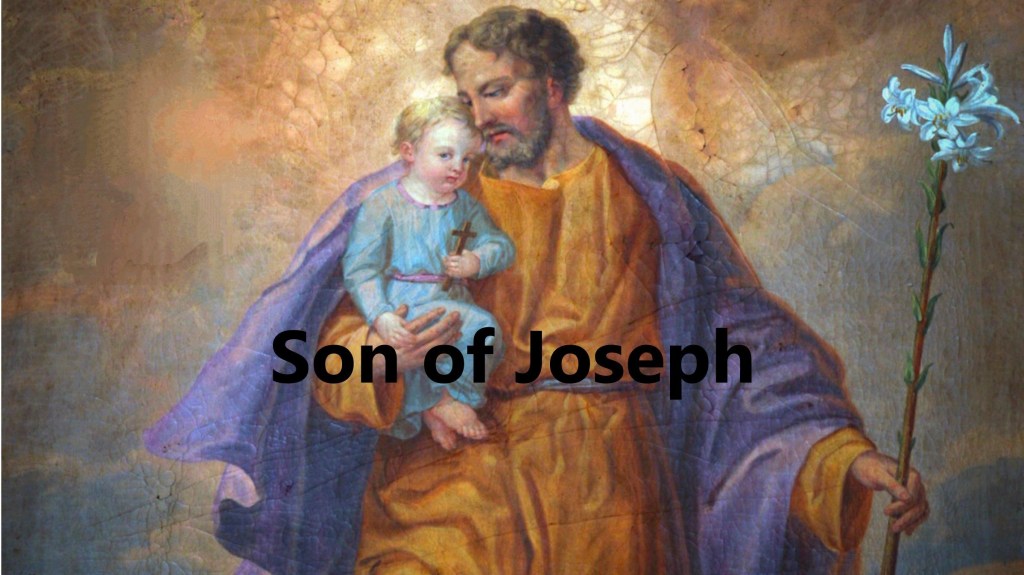
For example, when He was back home in Nazareth and the surrounding area of Galilee, He was called, “Jesus, Son of Joseph,” or in Aramaic Hebrew, “Bar-Joseph,” to distinguish Him from others in the area who had been named after the O.T. hero, Joshua.
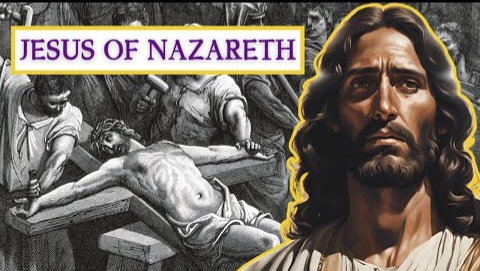
When Jesus took his ministry south to Judea and Jerusalem, He was called, “Jesus of Nazareth.” Once again, to clearly distinguish Him from other popular figures named ‘Jesus.’
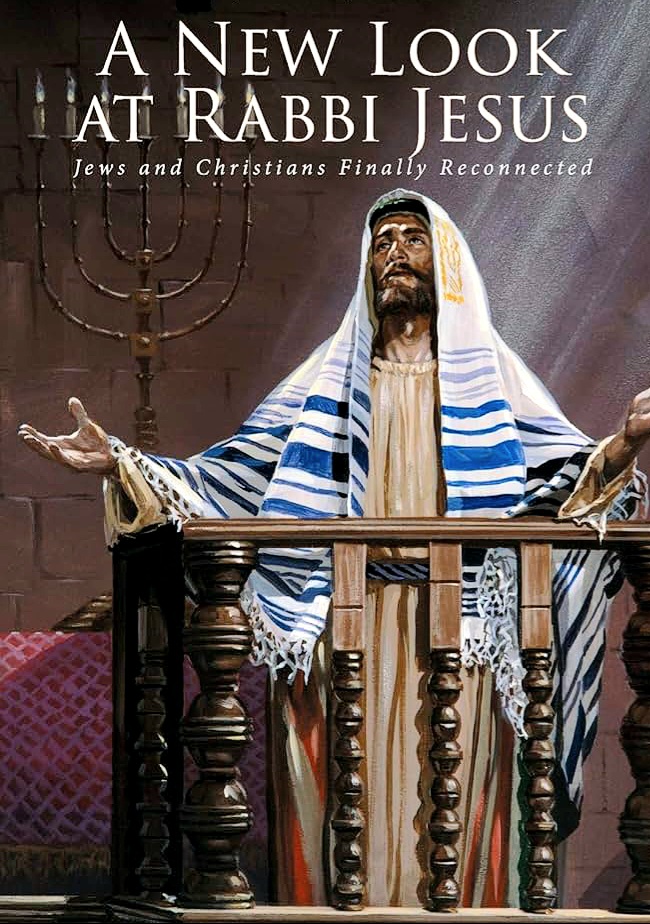
Jesus was also referred to by various titles. By those who were believers of His teachings, since He was a traveling teacher of the Bible, He was called, “Rabbi Jesus.”
Those who had committed to following Him as disciples called Him ‘Master.’ One time Jesus asked them…
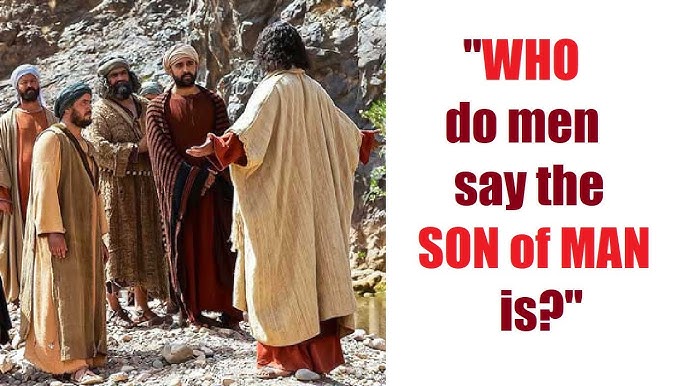
“And they said, “Some say John the Baptist, others say Elijah, and others Jeremiah or one of the prophets.” Then Jesus asked them, but…

Simon Peter answered…
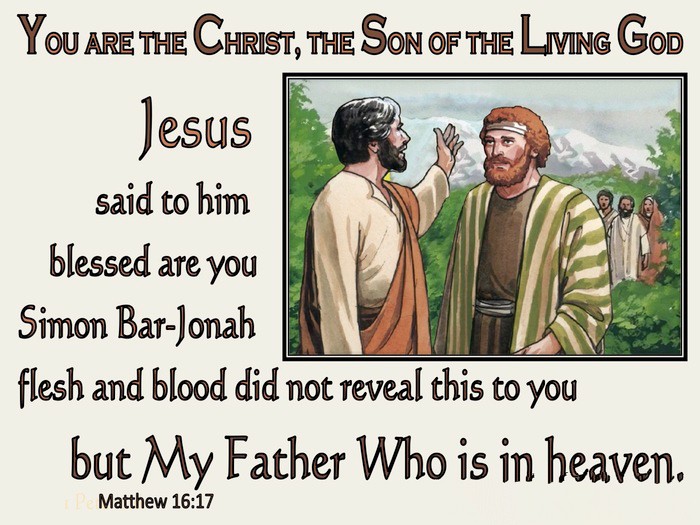
Simon, named after one of the original sons of Jacob, ‘Simeon,’ got a new name that day. Jesus said…
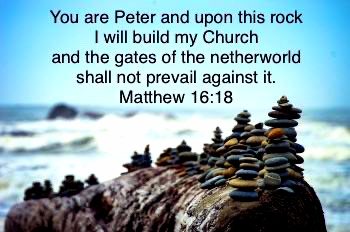
There are a lot of things going on with names here!
First we see the title that Jesus most often called Himself, which in the Aramaic Hebrew of His time was probably, ‘Bar-Nash,’ a way of saying, ‘I’m just another guy,’ and emphasizing His humanity.
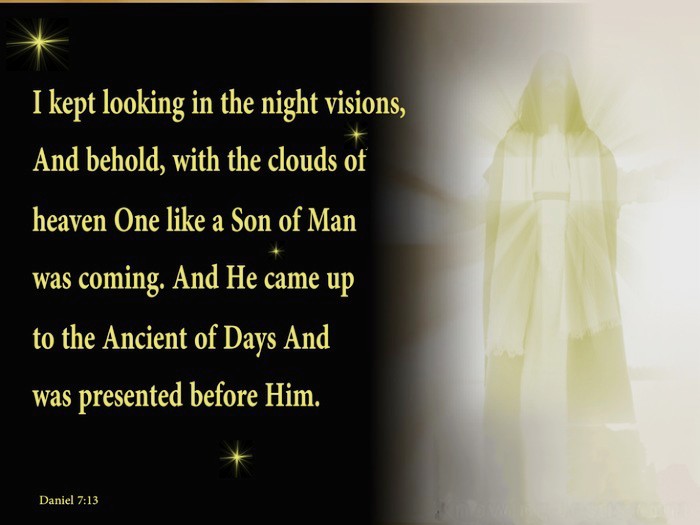
However, it might also be a reference to Daniel’s vision in Chapter 7, “Bar-Enash,” which could just mean a human being, except Daniel goes on to describe this human figure receiving all dominion and power from God, associated with the Messiah, so this could also be a subtle way for Jesus to declare He is the Messiah.
In whichever case, Peter’s declaration of faith names Jesus as both the promised Messiah and the actual Son of God. (More on that in a later blog.) AND Jesus affirms Peter’s declaration as being correct.
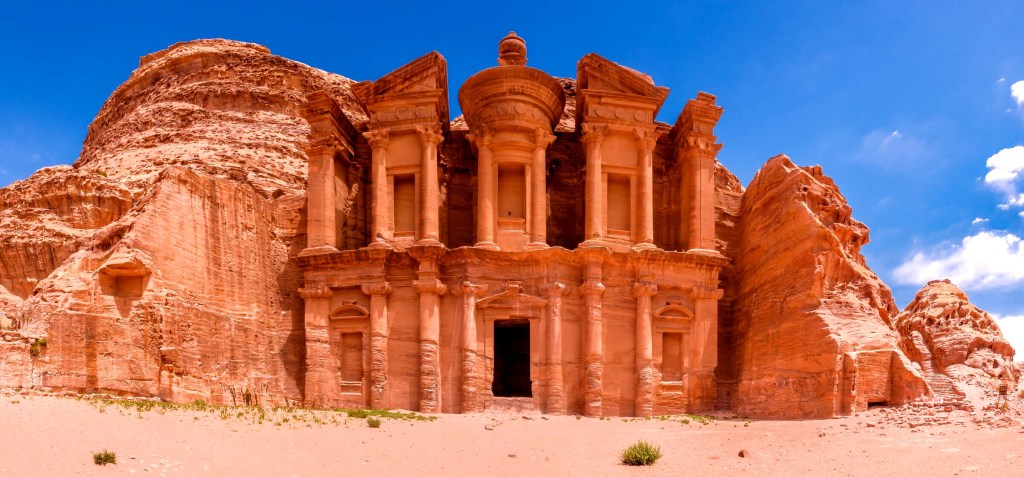
The narrative is written from a time in the future, so it gives away that Simon afterward was also known by a second Greek name from the word for a rock, ‘petros.’ Since Jesus spoke and taught in Aramaic, it is thought that He actually used the same Aramaic word that the fortress at Petra was named with, but was later renamed ‘Petra’ by the Romans when they conquered it. So, Peter became known in history by the Greek form.
Now that Jesus has been resurrected, ascended to heaven and given all “power and authority,” His full name with titles is, ‘The Lord Jesus Christ.’
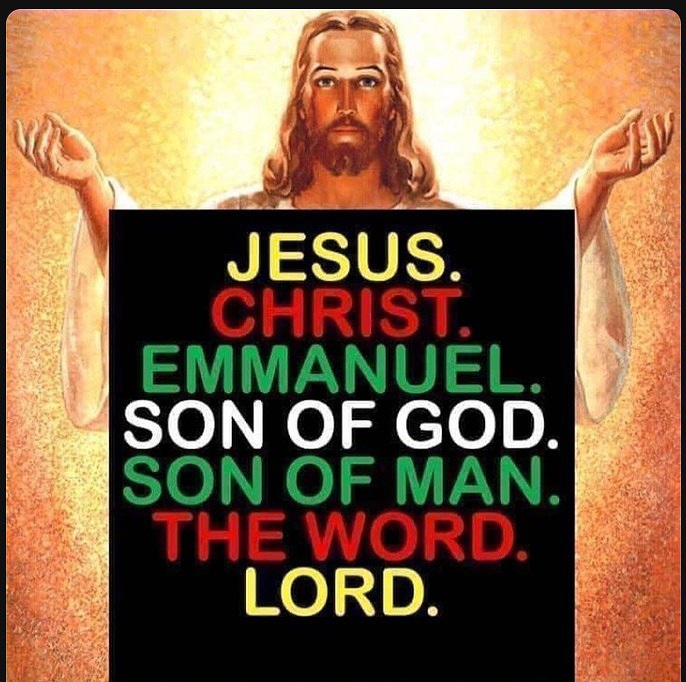
Among all of these names for Jesus, one is missing. Nowhere outside of the prophesy of Isaiah 7:14 do I see Him actually called ‘Emmanuel,’ This bothered me and I kept the question as to ‘why not?’ in the back burner of my mind for many decades.
I finally found an answer that has satisfied me.
 Bill's Bible Blog
Leave a comment