
John does not include the account of Jesus’ Transfiguration in his gospel, but does include a third account of God speaking to Jesus from heaven.
Some think John is alluding to the Transfiguration in the prelude of his gospel when he wrote,

And it’s interesting, because ‘glory’ is the theme of the next theophony. Let me set the stage for you. It is the final week before Jesus’ crucifixion, on one of the days between the Triumphal Entry into Jerusalem and the Last Supper. Jesus has taken his core set of disciples outside the city to His favorite place of retreat, the Mount of Olives.
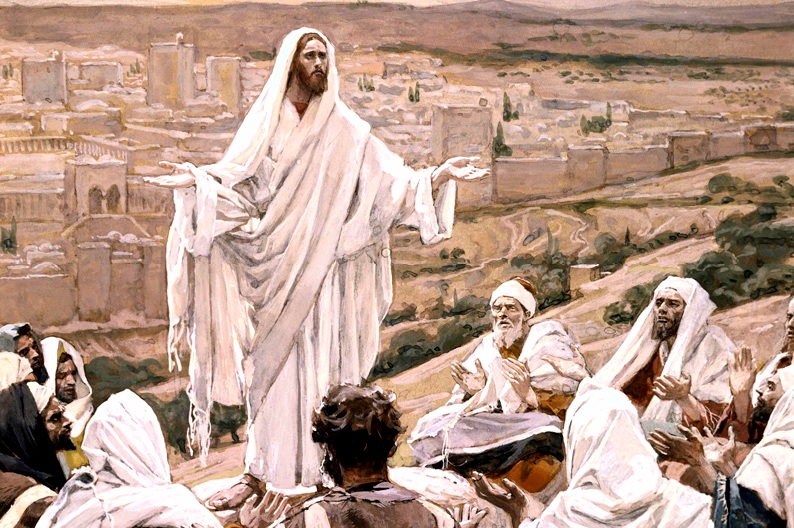
Earlier some ‘Greeks’ had come seeking to talk to Jesus. These were most likely Hellenistic Jews from foreign countries on pilgrimage to Israel for the Passover. This multitude of foreign Jews figures prominently at the beginning of Acts as many of them responded to Peter’s Pentecost message and became Christ followers, later taking the gospel back home to their home countries all around the western Mediterranean, even as far as Rome. Apparently their visit signaled a turning point for Jesus, because He says,
Up until now, He’s kept saying His hour had NOT come. Then He seems to go in an odd direction with the following teaching:


Looking back with 20/20 hindsight, we now understand Jesus was referring to His death, burial and resurrection, and how this propitious sacrifice would produce ‘much fruit.’ Further teaching later suggests this is also the life of self sacrifice that disciples of Jesus Christ are to follow in order to ‘bear much fruit’ for the Kingdom of God.
Then Jesus tells them, “Now my soul is troubled, and what shall I say? ‘Father, save me from this hour’? No, it was for this very reason I came to this hour.” And then He prays:

And God answers!

Jesus then says to His disciples that God spoke this affirmation for their sake.
‘Glory’ and ‘glorify’ are the 9th most common words in John’s gospel. The top five denote major themes. The second five denote secondary themes. Following this theme of glory in the next few chapters, we see such verses as,
And in His High Priestly Prayer, Jesus leads off with,

Do you know what happens afterward? Jesus suffers in every way imaginable–physical, emotional, social and spiritual. Here are just a sampling from His ‘Passion.’
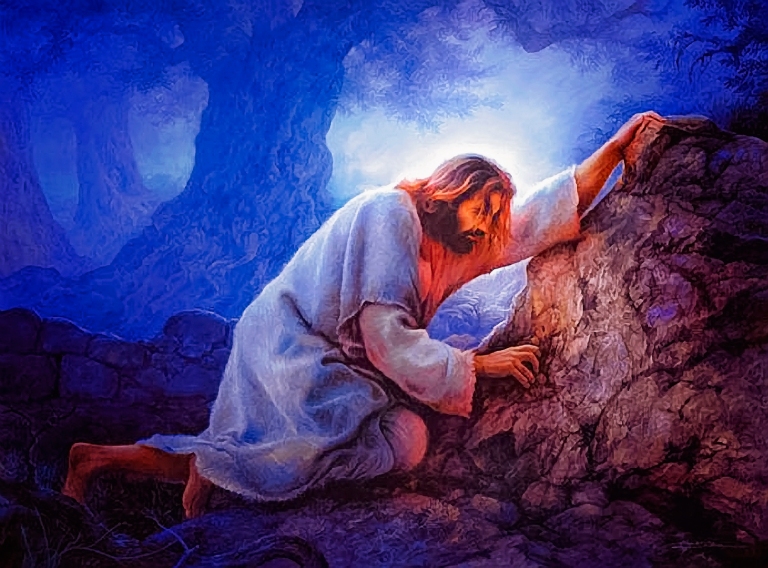
First, Jesus goes to pray in the Garden of Gethsemane and is in such agony over what is about to happen to Him that He sweats blood. (One of the times it might have been nice NOT to have the foreknowledge, but that isn’t how God set it up.)
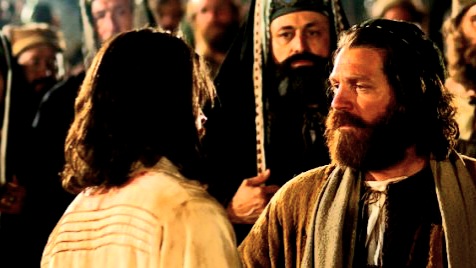
Then Jesus is betrayed by one of His trusted Twelve Apostles, Judas Iscariot, and is arrested, and the other disciples desert Him, fleeing into the night for fear of their own lives (actually part of the Plan.)
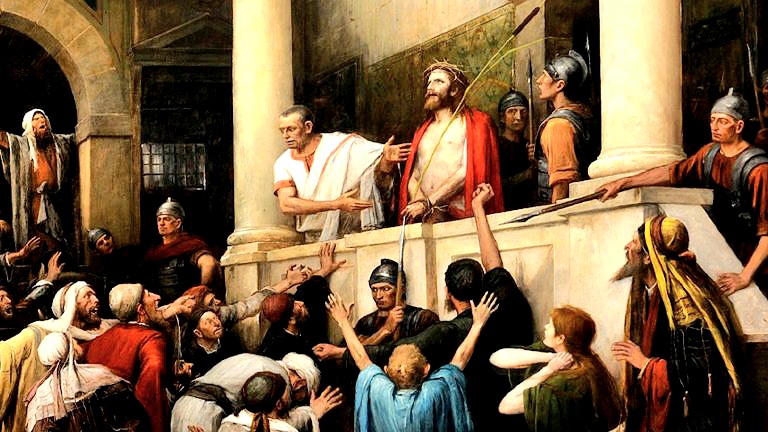
Jesus is humiliated, falsely accused, interrogated, dragged back and forth between different officials, beaten with spear butts, punched repeatedly with a blindfold on, has a wreath of thorns jammed on His head, is flogged, rejected and condemned by the people who just a few days before had hailed his arrival as the Messiah.
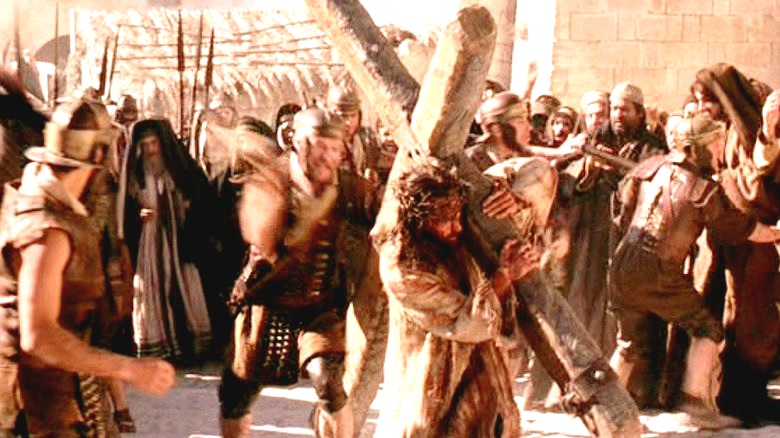
Then He is paraded through the streets of Jerusalem, carrying the instrument of His execution on his back to the jeers of His enemies and despair of His supporters.
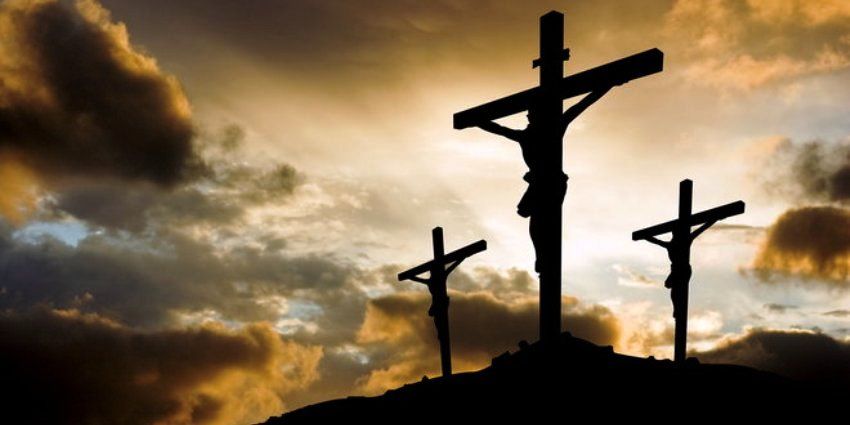
Then He is executed by crucifixion–an ancient form of death by exposure perfected by the Romans for maximum agony.
THIS was being glorified? If so, then…
WE NEED A NEW DEFINITION FOR ‘GLORY’!
Are you feeling the need for a reset after contemplating the awful events of Jesus’ Passion like I am? Here’s a link to a classic worship song that I hope you will enjoy and join in giving glory to God and Jesus Christ.
Proclaim the Glory of the Lord, Steve Green

 Bill's Bible Blog
Leave a comment