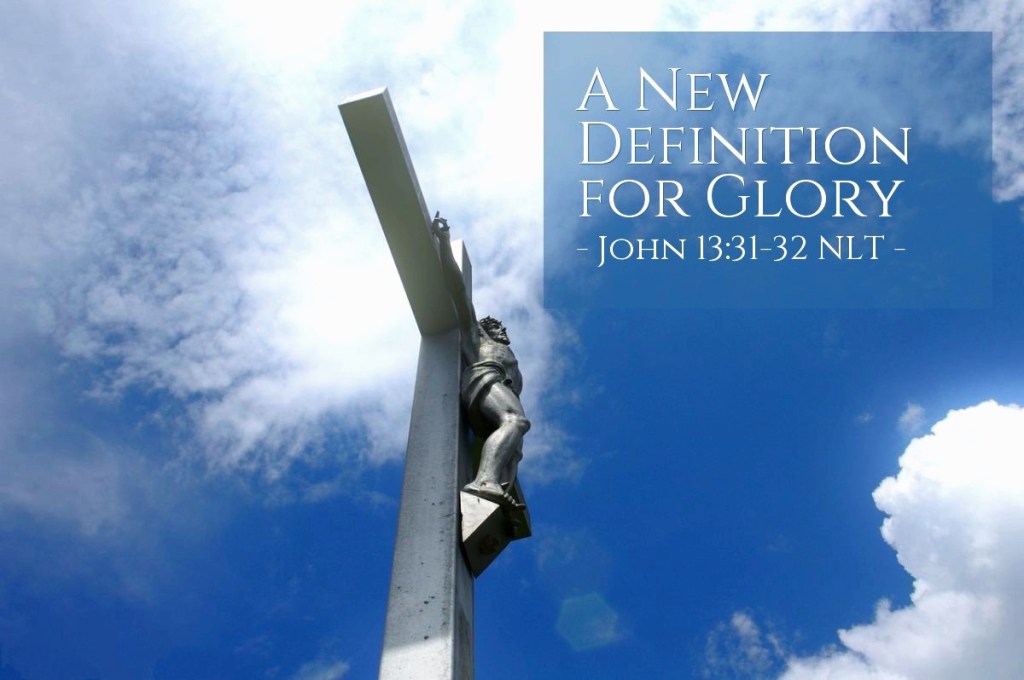
When I think of ‘glory,’ I think of light rays shooting out of something or someone like this:

When you read some of the Psalms where examples of ‘glorious’ things are given, you can get the impression that’s what it means:

Here ‘glorious’ seems to refers to shining stars and other heavenly lights (no light pollution in those days, if you’ve ever seen the night sky away from a city, it IS ‘glorious!’)
BUT if you look closely at the original meaning of the word, you get a different picture:

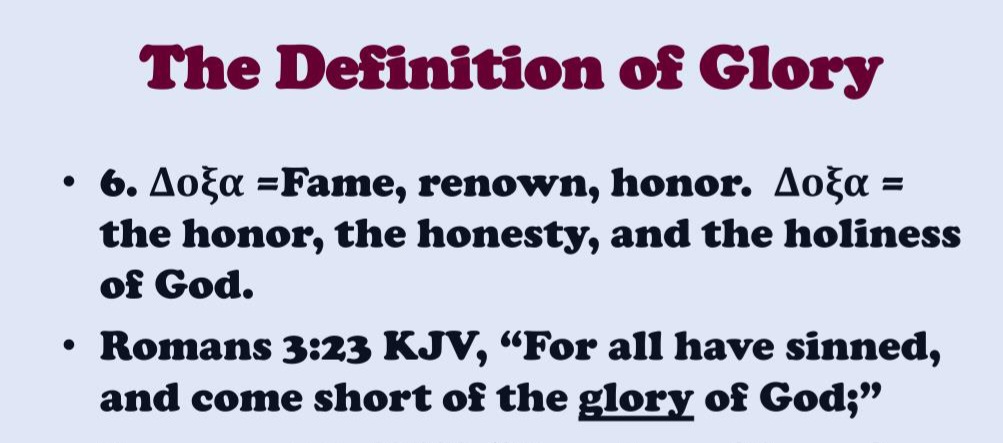
Greek (doxa) that which evokes a ‘good opinion,’ dignity, honor, praise–the concept of obvious intrinsic worth.
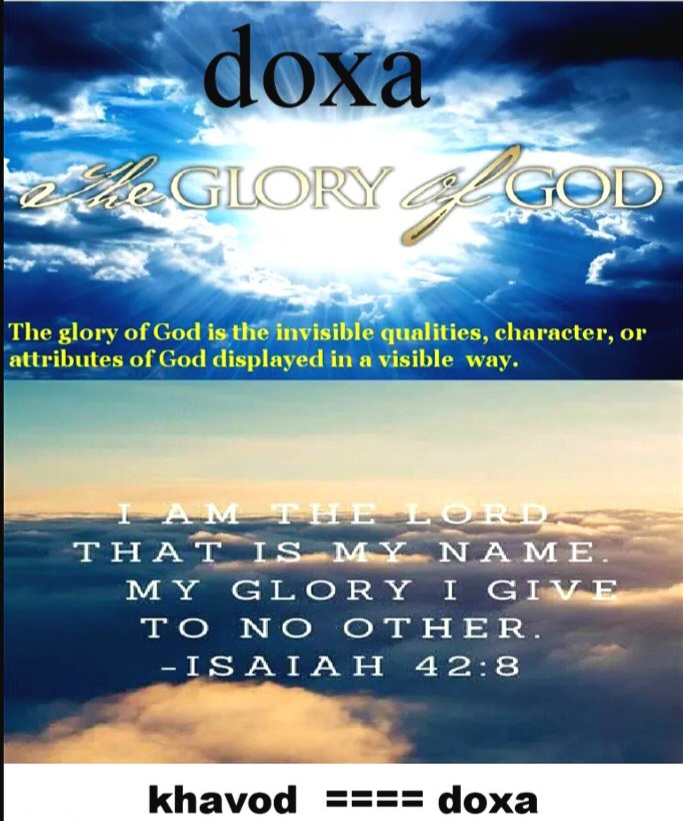
Hebrew (kavod) ‘pressed down heavily,’ ‘weighty,’ means important, respectful, worthy of honor, glory and praise.
If we look at some of the passages again that use these words translated ‘glory’ with these definitions in mind, we can begin to see what is really meant:
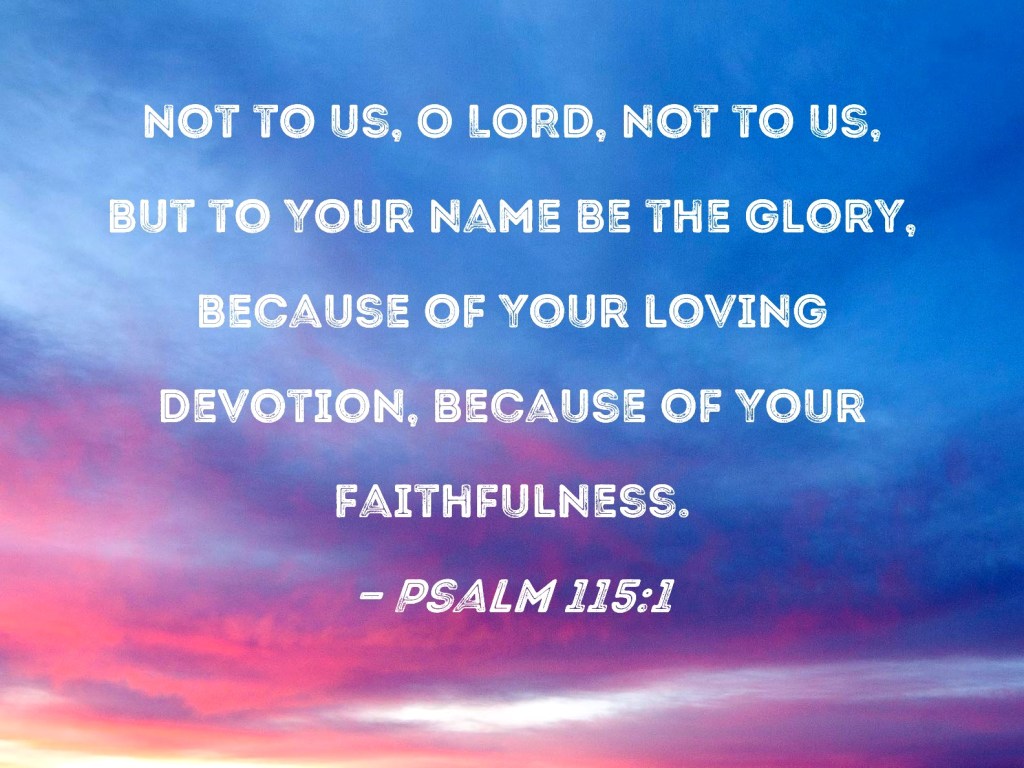
The reason we are exhorted to give ‘kavod’ to God is because of His steadfast, unfailing love and His faithfulness to Israel–intrinsic qualities seen about God through His dealings with Israel for many generations.
Paul gives us insight into what the ‘glorious’ night sky is really supposed to communicate about God:

…God’s eternal power and divine nature; that is, there IS a God and and that God is very, very powerful–beyond what we could ever imagine or accomplish ourselves.
In the verse about the glory of Jesus from John 1, ‘glory’ actually means things like how Jesus showed us God’s character of goodness, holiness and love by how He acted, spoke and treated others. That would be more consistent with John’s writings.
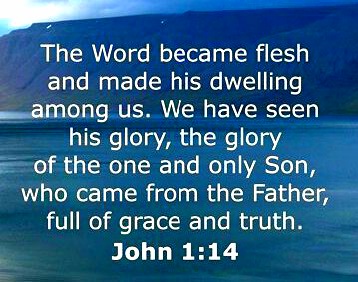
The ‘glorious’ qualities specifically mentioned in the verse are fulness of ‘grace’ and ‘truth.’ Something that we all as Christians are supposed to demonstrate in our own lives.
In order to REALLY glorify God and His Son Jesus, we have to look beyond the physical surface and see the intrinsic qualities. I must admit, that is NOT easy.

I had noticed many decades ago an irony in the church; that is, we say ‘Praise the Lord,’ or the Hebrew ‘Hallelujah!’ all the time, but we don’t actually do it. These are commands to praise God, but we use the command in place of really getting down to praising God for His attributes.
As I was studying for this blog, I realized we do the same thing with ‘glorify,’ we use the word to substitute for really doing the commanded action.
I think if we really understood what ‘glorify’ meant, it would be easier to see what about the Passion is Jesus being glorified. We do have some clues…
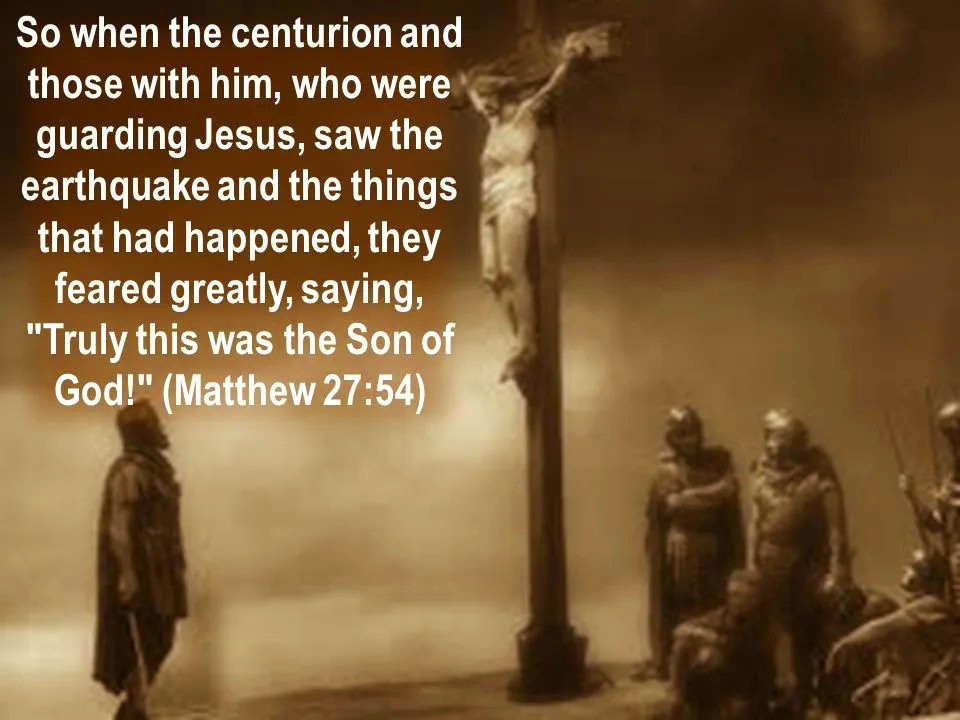
So, one of the ways that God might have glorified Jesus during the crucifixion could have been the darkness and earthquake. These unnatural events would definitely get people’s attention and suggest that God is saying something about how He feels about what was happening to the man who claimed to be ‘God’s Son.’
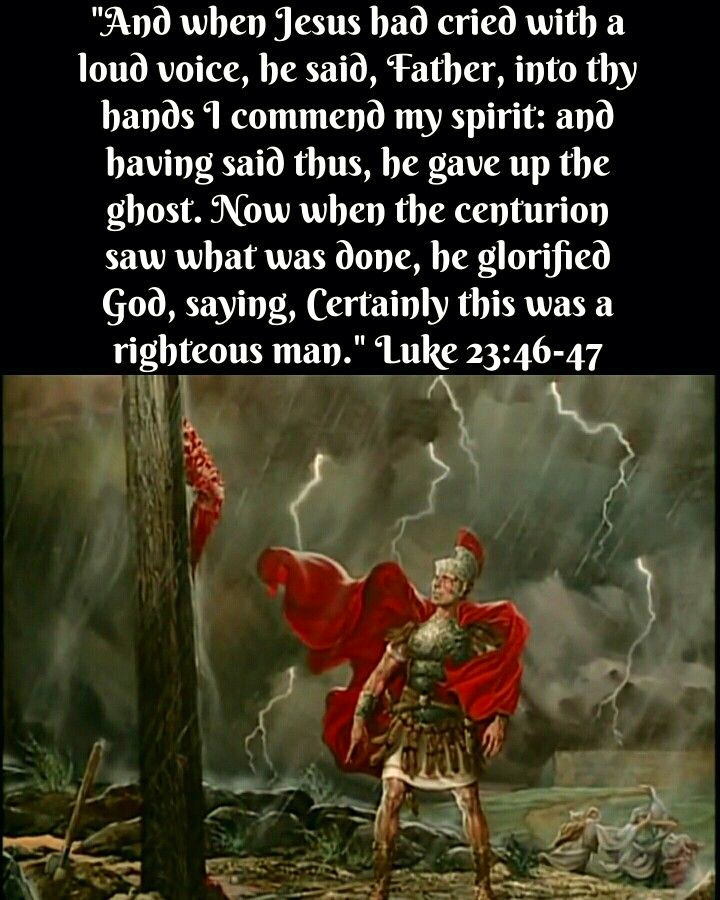
The centurion, a commander of 100, would be like a company commander in today’s army. He had been in charge of the crucifixion detail beginning from Pilate’s headquarters, all the way down the ‘Via Dolorosa,’ until the condemned had died, and probably had overseen many of these executions. He recognized there was something different about this man called the ‘King of the Jews.’
The way that he ‘glorified” God after seeing everything that had happened with Jesus’ execution was to describe Him as a ‘righteous’ man. Now, just a note, righteous men were not usually executed. The fact that Jesus acted like He was God’s Son as He remained righteous in all His words and behavior during this ordeal, really stood out to this hardened and experienced Roman commander.
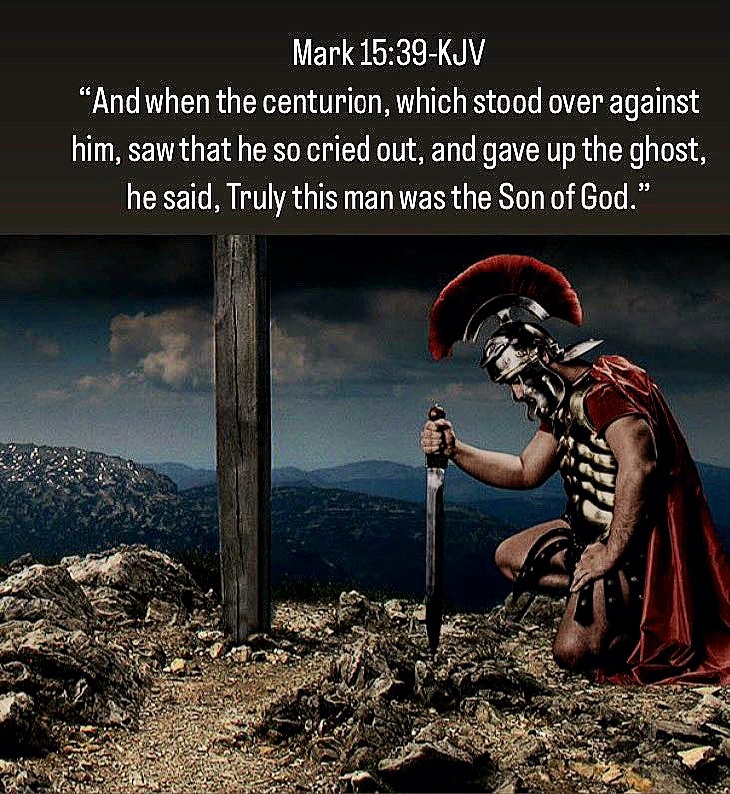
This recognition of Jesus as ‘a son of the gods,’ (more accurate rendering from the Roman perspective) was in how Jesus died, He had just ‘cried out with a loud voice, and then breathed His last.’ Jesus acted much differently than the usual condemned criminal and this was how Jesus ‘glorified’ God during His ordeal–by showing how much He trusted God by never complaining, accepting the ‘cup” that God had ordained He ‘drink,’ never cursing or wavering from His purpose… Can you even imagine the fortitude and submission Jesus exhibited throughout His Passion? I certainly can’t.
(In case you’re wondering about the order I presented the three gospel acounts being different than the books are in the Bible, see my next blog on how the gospels came to be. I presented them in the order modern scholarship indicates they were written.)

I’ve often asked others this question to see how their answer compares to mine. “When did Jesus exhibit the most power during His time on earth?” Was it walking on the water? Calming the storm with just a word? What about raising Lazarus from the dead? Feeding the 5,000 with just 5 loaves of bread and 2 little fish?

Different people answer differently. My answer is, Jesus demonstrated the most power during His crucifixion. It took every ounce of strength for Him to bear the sins of the whole world–past, present and future–and to forever pay the price for the penalty of those sins against God. No WONDER He was so worn out that He died much sooner than the usual several days.

Jesus glorified the Father by how He acted and spoke during His ultimate act of obedience and sacrifice, and the Father glorified Jesus by signs in the heavens and on earth, and by accepting His atoning sacrifice–the “Lamb of God who takes away the sins of the world,” and then by resurrecting Him from the dead.
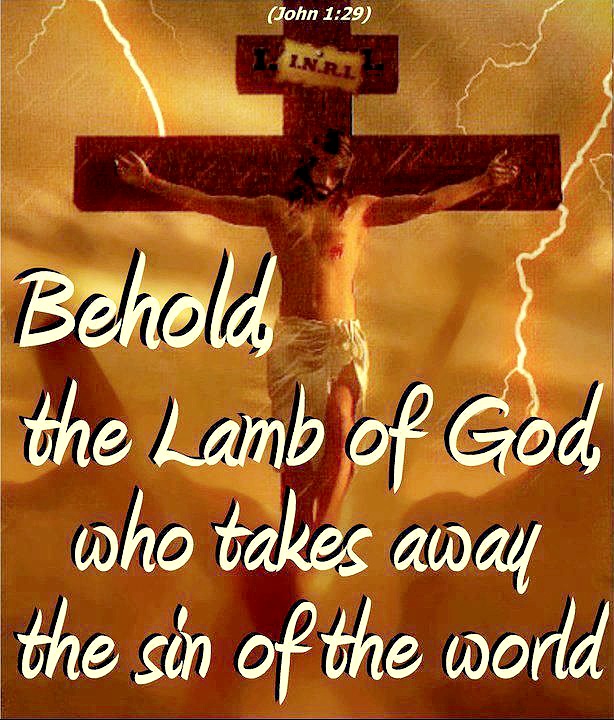
We too are called to glorify the Lord Jesus. In light of these ideas about what ‘glorifying’ might really mean, how do you think we can better do that as Christ followers?

A great song of praise and glorification is Yes I Will by Vertical Worship. Listen and let it guide you in your own glorification of God and His Son, Jesus Christ.
I choose to praise…,
To glorify, glorify,
The Name of all Names…
YES I WILL!
 Bill's Bible Blog
Leave a comment