
A: APPLICATION: We see several godly characteristics exhibited by Rebekah in the events detailed in the second half of Genesis chapter 24 that are worthy of being emulated. Here are five that I saw.
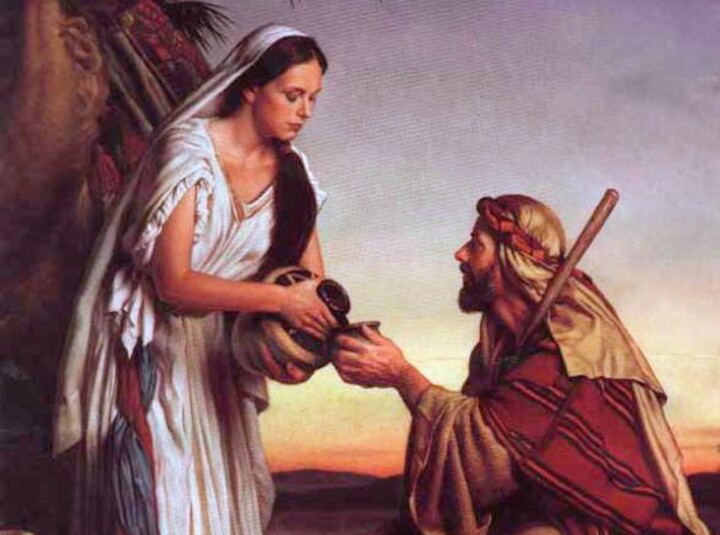
1.a. COURTESY: At the well, Rebekah exhibited courtesy to a thirsty traveler by being willing to give him a drink from her jug when asked. She also answered him politely when he asked about her family. But Rebekah also went the extra mile when she offered to fill the trough for Eliezer’s camels to also drink. It would have required at least several trips up and down the hill to the well to fill her water jug and dump it into the trough until it was full.
b. HOSPITALITY: When Eliezer inquired about a place for he and his camelcade to stay, Rebekah readily offered the hospitality of her home. The gifts of gold jewelry might have had something to do with her eagerness, but offering hospitality to travelers was a common practice of that time as there were no public inns or stables.

2. SUBMISSION:
a. To her mother. Rebekah returned home and told her mother, her immediate superior in the family hierarchy, what had happened.
It should be mentioned that families during Biblical times were divided into the men’s and women’s households. The women’s household is mentioned twice in Genesis 24. When Rebekah was placed into Sarah’s tent, she was essentially being put in charge of the women’s household that Sarah had previously ruled over. Because Rebekah had been faithfully submissive to her mother at home, she had learned how to rule over her own household when the time came.
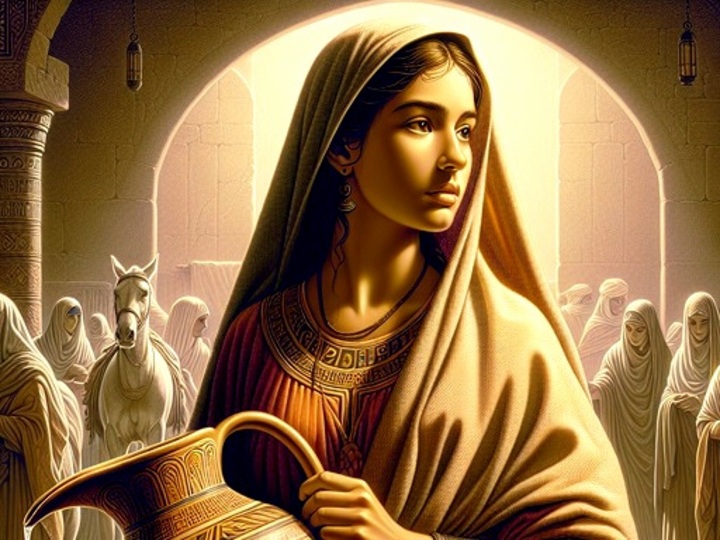
b. Submissive to the head of the family. Rebekah was also submissive to the greater authority of her father and brother over the entire family. At no time during the betrothal negotiations did she speak up or object.
In Biblical times, daughters were literally ‘given away’ by the fathers to be brides, although there was a ‘bride price’ to compensate the family for the loss of their daughter. As we saw, Abraham sent many valuable items with Eliezer for the bride price that he knew would appeal to his kinsmen.
That the father Bethuel is only mentioned while inside the house, and that Laban was involved in the negotiations, suggests that the father was infirm and had ceded at least some of the family authority to Laban as the the oldest son.

3. FORETHOUGHT. Rebekah was ready to express her preference when asked. She didn’t speak up and express an opinion before because traditional submissive rules would not allow her to. However, that didn’t mean she couldn’t think about what everything meant and decide what she wanted to do…, if she was asked. And she was asked, and she had her answer ready.
4. ALERTNESS/ATTENTIVENESS: When the caravan was approaching the large home encampment of Abraham and Isaac, Rebekah probably suspected she was nearing their destination. There might even have been comments from the men about being close to home, etc. That alertness allowed her to spot the handsome young man pensively walking in the fields and wonder if this might be her prospective husband. If it was, then she couldn’t approach him on camelback with her head higher than his. Nor could she have him watch her go through the awkward and maybe even embarrassing process of getting down from the camel. By meeting him on foot, she reinforced her willingness to be submissive to him, and also her womanly walk would have enhanced her feminine desirability in Isaac’s eyes.

5. PROPRIETY: Once Rebekah verified the young man hailing the caravan and walking in their direction was her betrothed, she immediately veiled herself. (See previous blog about what that veiling meant, as in this photo.) One can assume while she was riding with the servants, Rebekah didn’t feel the need to cover her face. But per Middle Eastern customs of the time, a husband never saw anything of his bride except her eyes until the wedding night.
B. . SUMMARY: Rebekah was quite a smart, intelligent and capable young woman. Instead of rebelling against the hierarchical culture she was born into with strictly defined roles for women, a culture and role that many today would consider oppressive, Rebekah accepted her hereditary role, devoted herself to obedience, and conformed to societal expectations. As a result, her upbringing allowed her to step right in and fill Sarah’s place as head of the women’s household.
Also, Rebekah had learned how to be a good wife, as witness the growing love beyween she and Isaac that was soon enough to fill the hole in Isaac’s heart left from his loving mother’s death.
This cultural lifestyle was not oppressive, it was what we as Christians teach–liberation by submission to God’s will. We can all learn a lot of lessons in godly behavior from Eliezer and Rebekah in Genesis chapter 24, even today.

C. NOTES ON MULTICULTURALISM:
One thing I’ve noticed studying cultures around the world and throughout history are common characteristics that contribute to success and longevity of the culture.
1. A path to obtaining the necessities of life for all–water, food, clothing, and shelter–is essential for a successful culture.

2. Another is the ability to guide the natural instincts and desires of young men and women into productive and fulfilling roles, where lifelong relationships are formed that produce healthy children and then enable them to be raised to maturity to take their place in their society and continue it.
The Middle Eastern society that Abraham and his kinsman were a part of had lasted for thousands of years. Before we criticize how they maintained that stability, we should look closely at the failings of our own society, that has lasted only a little over a couple hundred years, and wonder, will we stand the test of time for that long?
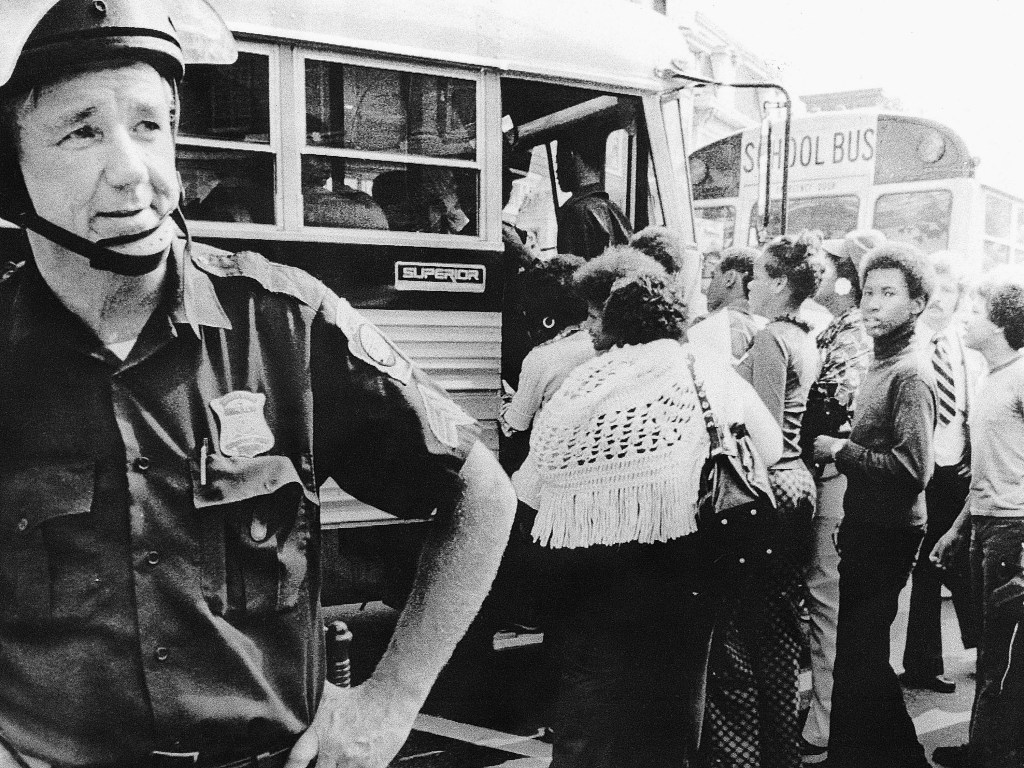
D. A personal note: When I was a senior in high school, class of 1971, our school (West Mecklenburg) and others in Charlotte were rocked by race riots and closed down for three days so things could cool off. Twenty years later, 60 Minutes did a story on what happened at my school, showing just how significant it was in local history.
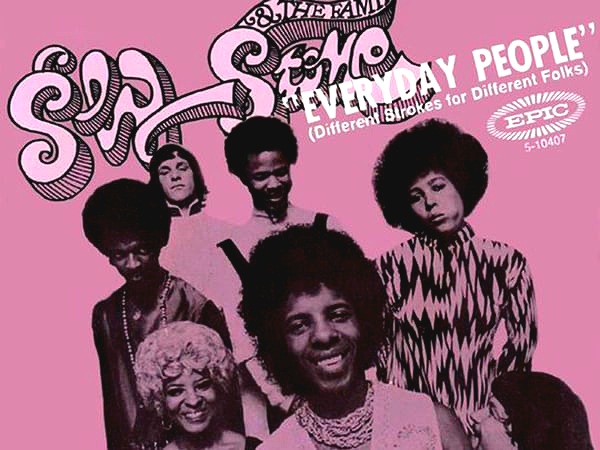
At our baccalaureate, the theme song chosen was Sly & the Family Stone’s ‘Everyday People,’ about accepting others who were different than you. Coming out of the frightening experience of the riots and wanting peace between the White and Black subcultures, that song became an anthem for me of what I wanted our American culture to become.
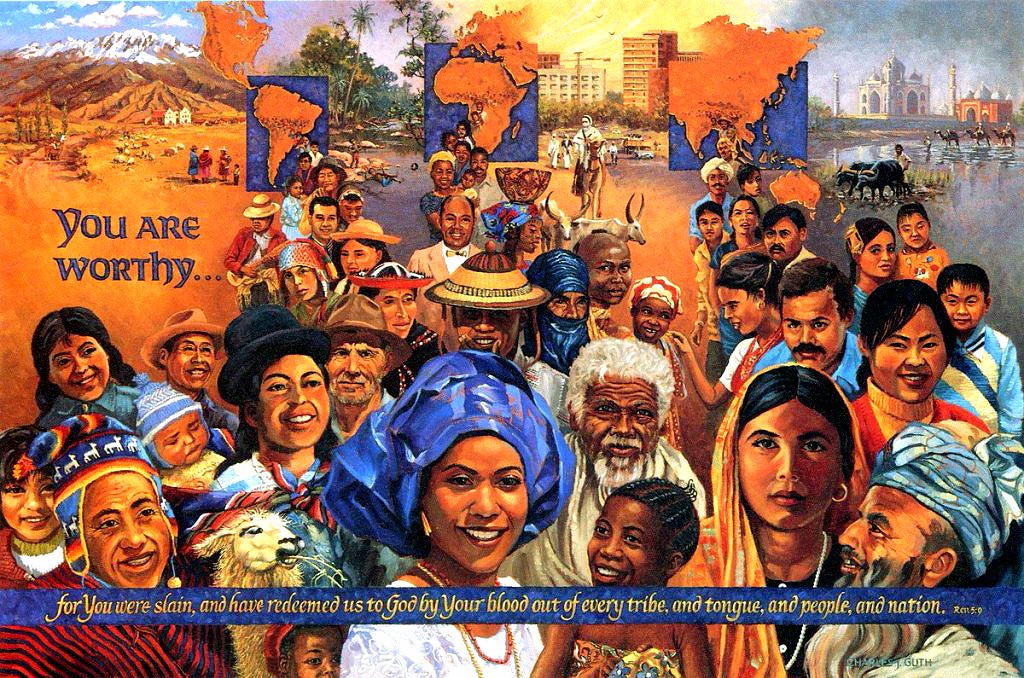
Unfortunately, it’s 55 years later and we still have a long way to go. However, I hope the song reminds you how God wants us to accept people from different cultures, or subcultures, as one day people from every tribe, and tongue, and people, and nation, will stand before God’s throne and worship Him together. (Revelation 5:9)
 Bill's Bible Blog
Leave a comment