
When we studied Genesis chapter 26 last Spring, we focused on the similarity between a failed ploy Isaac used to protect himself from the Canaanite King, Abimelich, and a similar ploy his father, Abraham, used to protect himself from the Pharaoh of Egypt and also from King Abimelich; that is, trying to protect their lives by concealing their marriages and saying their wives were their sisters.
So, why did Isaac emulate this ploy of his father, which in fact failed TWICE? Isaac wasn’t even born yet when Abraham did those things. Maybe the stories were passed among the servants and that is what gave Isaac the idea. If so, shouldn’t the failure have also been told as part of the story? That should have given Isaac pause before repeating the failed strategy.
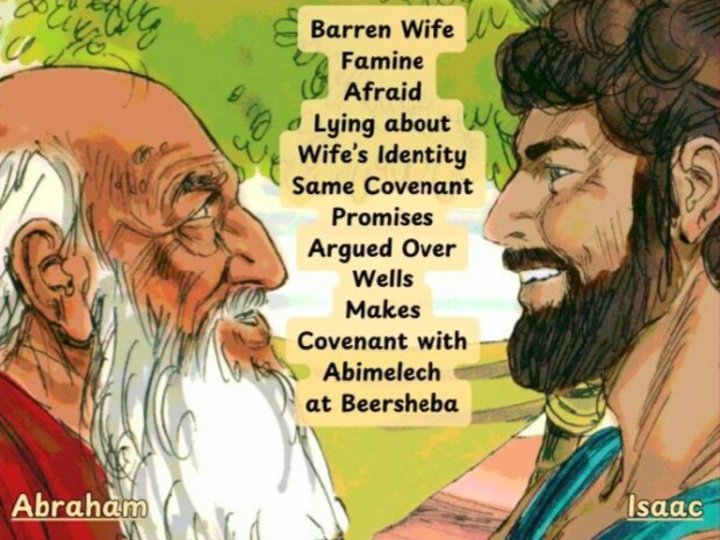
What we talked about in our study was a concept called ‘Generational Sin.’ That is, somehow children tend to repeat the sins of their parents. Why is that? Is it a case of “Children learn what they live?” There are also similar concepts called Generational Curses and Generational Trauma. The differences as I understand them are:
1. Generational sins are the repetition of sinful actions by the adult children that they observed their parents doing while growing up. That might be a simple case of modeling and emulation without realizing there may be other options for behavior. People who are caught in generationally repetitive sins can only be delivered by Jesus Christ.
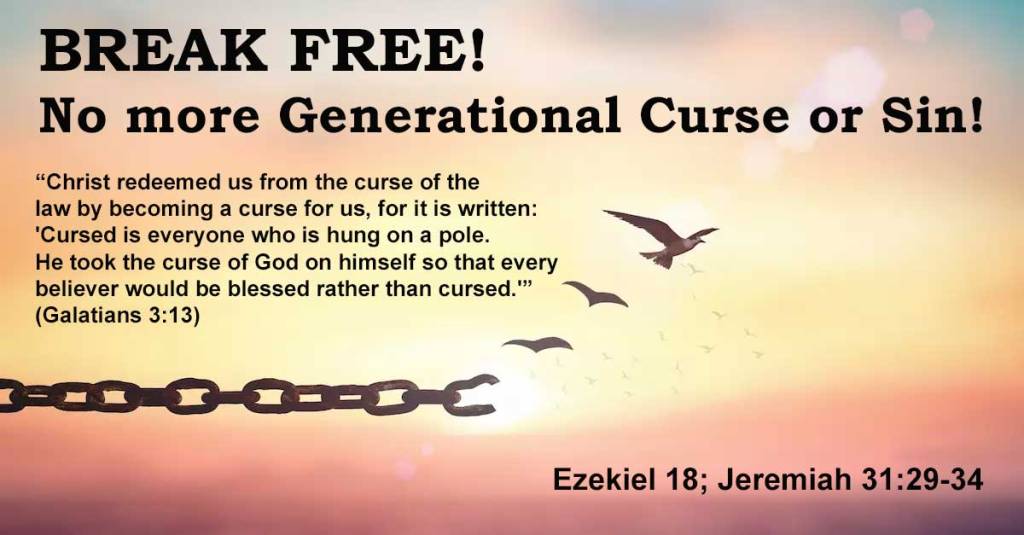
2. Generational curses are similar to the above except it takes into account the curse of original sin, as well as the consequences of individual sin. We as cursed, sinful creatures just keep repeating the same sins generation after generation, and experiencing the same negative consequences of those sins, those are the ‘curses.’ People who are caught in the curse of Adam’s sin as it has mutated through the generations and in different family lines can also only be delivered by Jesus Christ.

3. While doing my research on the concept of Generational Sins last Spring, I ran across a slightly different concept called ‘Generational Trauma.’ The first two concepts were developed by Christian theologians trying to understand and explain Exodus 34:7.
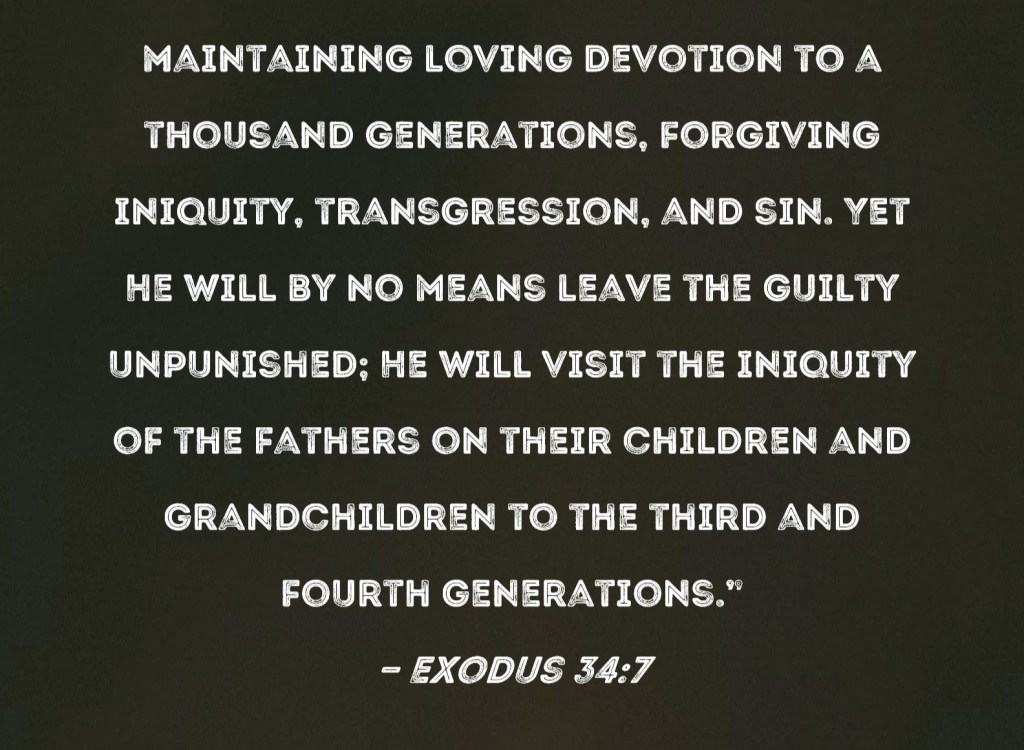
Generational Trauma, on the other hand, is a concept developed by psychologists to explain how trauma to one generation, necessitating extremes of behavior in order to cope, are then passed on to the next generation, even if social or personal circumstances have changed and the extreme behavior is no longer necessary.
Before we delve deeper into these concepts, though, I’ll spend the next three blogs telling those three stories in Genesis and see where that takes us.
THE STORY: Genesis 12
I. God Calls Abram
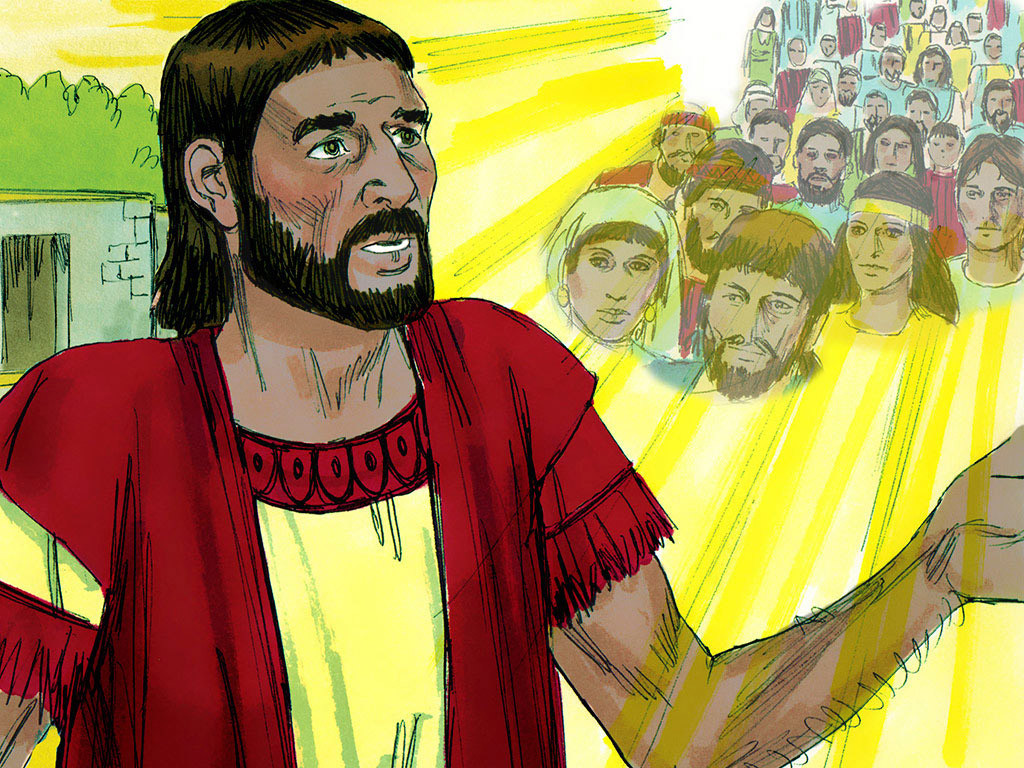
Now the Lord said to Abram, “Leave your country and your kinfolk and your father’s house, and go to the land that I will show you. And I will make of you a great nation, and I will bless you and make your name great, so that you will be a blessing. I will bless those who bless you, and he who dishonors you, I will curse, and in you all the families of the earth shall be blessed.”
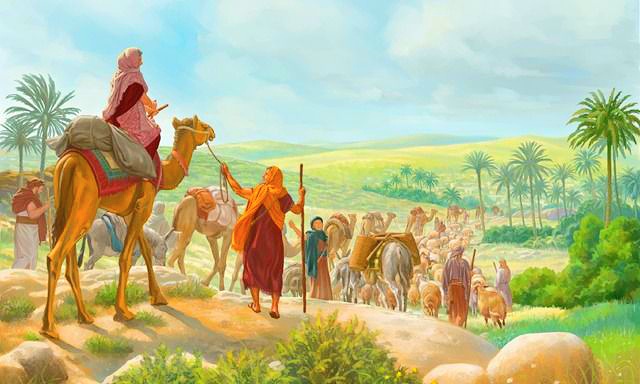
So Abram left, as the Lord had told him, and Lot, Abram’s nephew, also went with him. Abram was seventy-five years old when he departed from Haran.
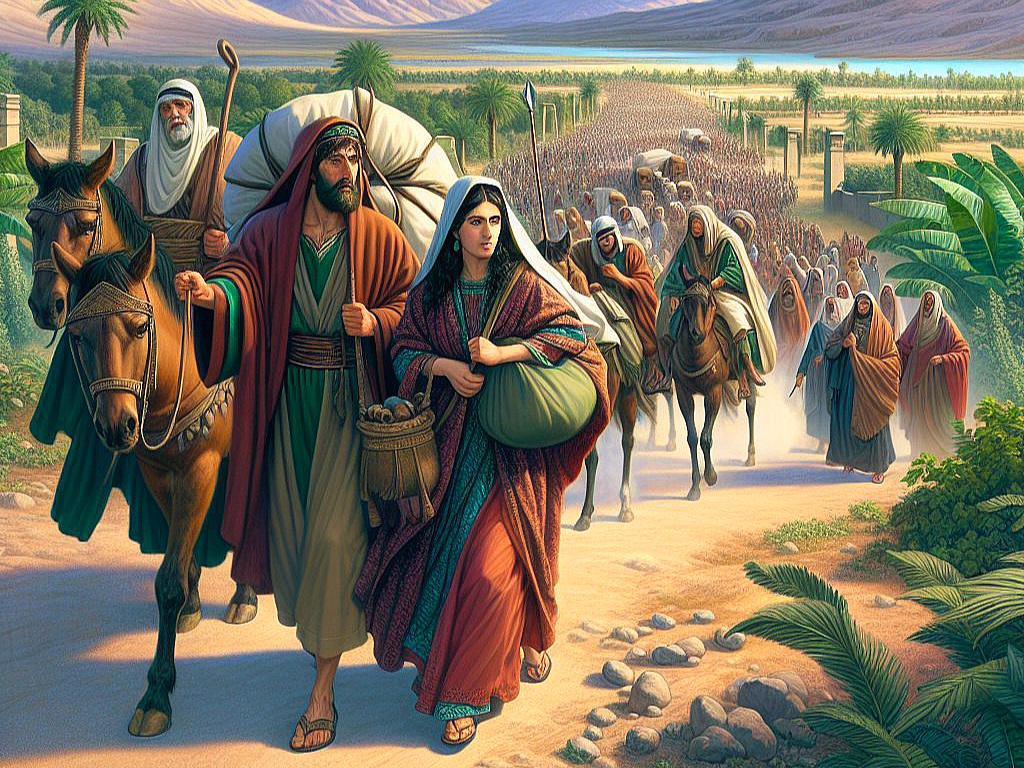
And Abram took Sarai, his wife, and Lot his brother’s son, and all their possessions that they had gathered, and the servants that they had acquired in Haran, and they traveled to the land of Canaan.
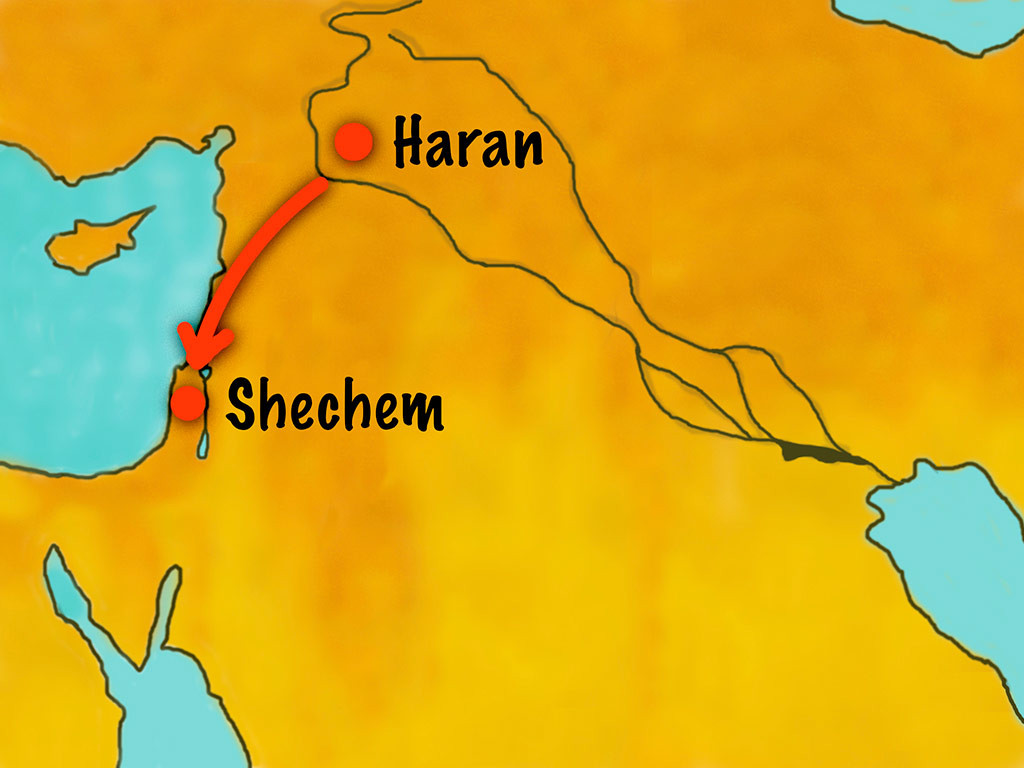
When they came to the land, Abram passed through to Shechem, to the oak of Moreh. At that time the Canaanites inhabited the land.
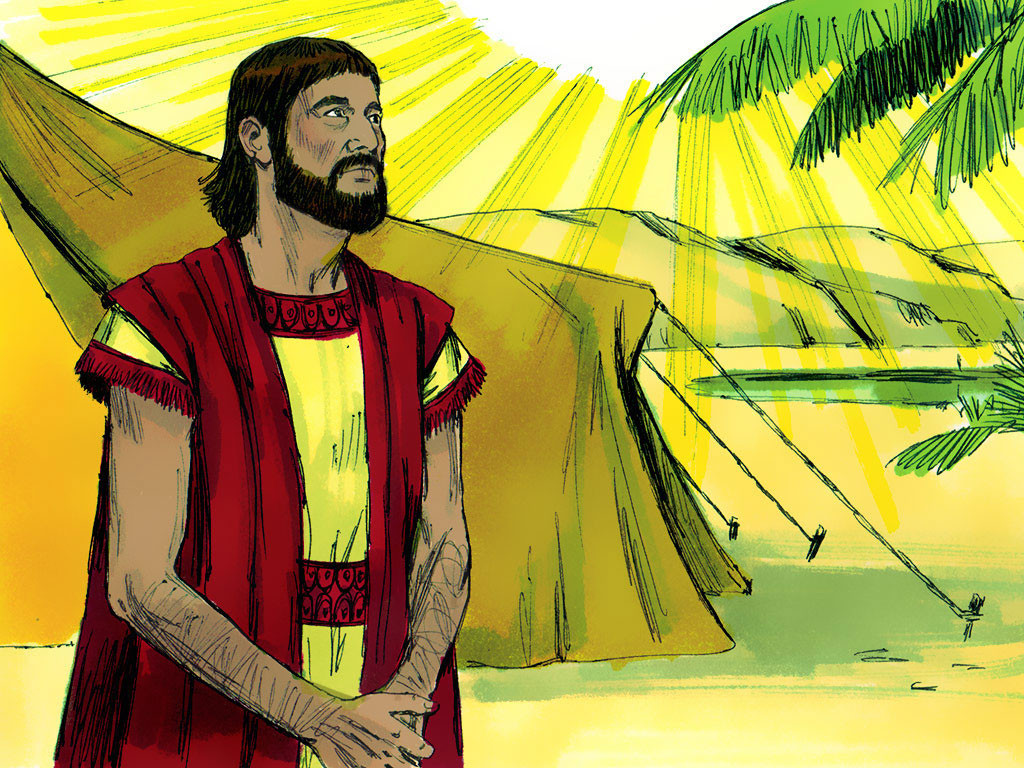
Then the Lord appeared to Abram again and said, “I will give this land to your offspring.” So Abram built an altar there to the Lord who had appeared to him and called that place ‘Bethel,’ meaning the House of God. From there Abram moved his flocks and herds to the hill country to the east of Bethel, where there was better grazing, and pitched his tents there, with Bethel on the west and the nation of Ai on the east.

There Abram built an altar to the Lord and called upon the name of the Lord in daily worship and sacrifices. Eventually, Abram moved everyone on, still going southward toward the fertile valley of the Negeb.

II. Abram and Sarai in Egypt
Now there was a famine in the land of Canaan, but not in Egypt. Because of the seasonal flooding of the Nile, Egypt was rarely affected by famines. So Abram and Sarai and all who were theirs, went down to Egypt to live there for a while, because the famine had become very severe in Canaan.
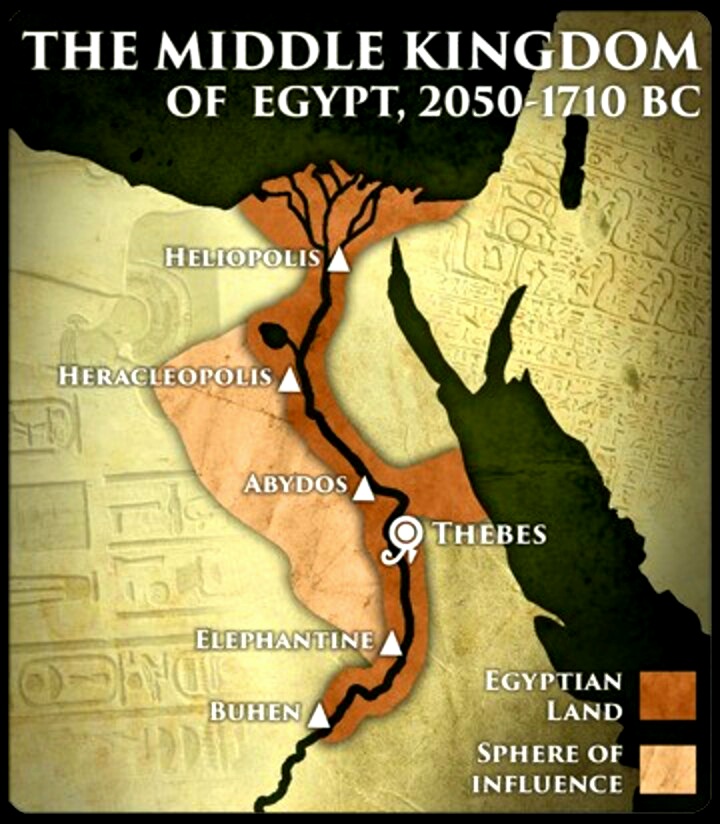
When Abram and Sarai went down to Pharaoh’s city, Abram pulled Sarai aside and said to his wife, “I know that you are a very beautiful woman, and when the Egyptians see you, they will say, ‘Who is this beautiful woman, is this his wife?’ If I say ‘yes,’ then they will kill me and they will take you by force, for that is how they do things in the godless nations. If we say you are my ‘sister,’ then it may go well with me because of you, and then my life may be spared for your sake.”
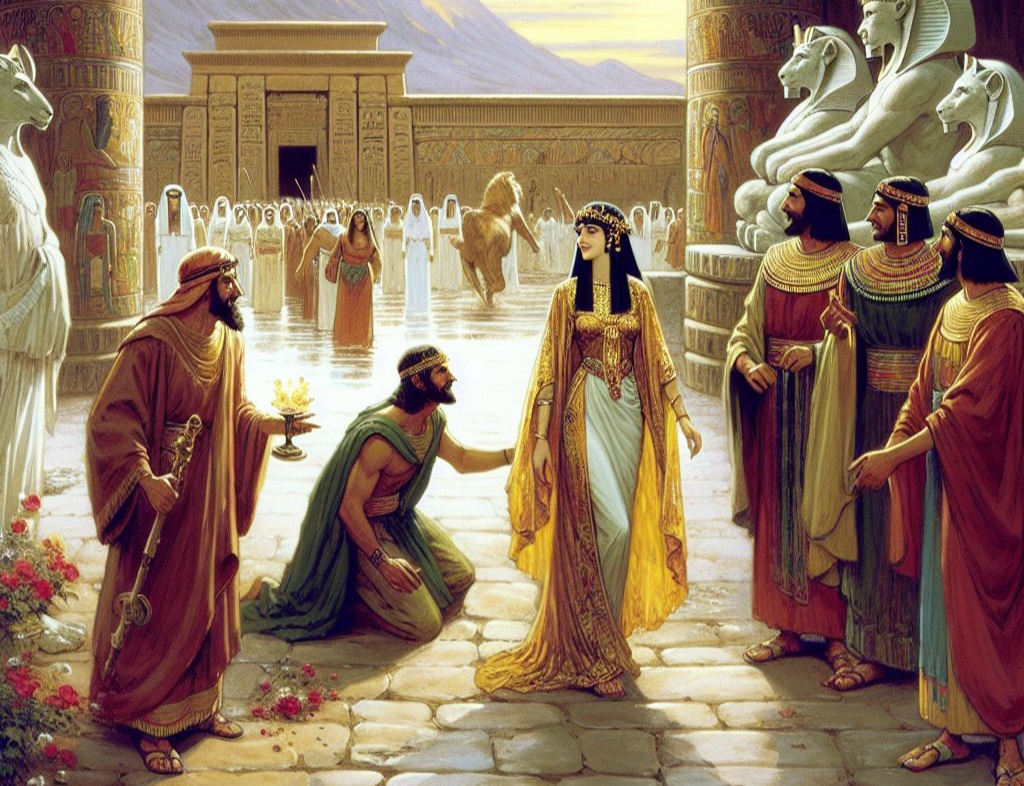
When Abram entered the city, the Egyptians indeed saw that Sarai was very beautiful, and the princes of Pharaoh went and praised her to Pharaoh Senusret III.* Then Pharoah Senusert sent for the couple and Sarai was taken into the Pharaoh’s harem. For her sake, Pharoah Senusret dealt well with Abram; giving him sheep, oxen, donkeys, servants, and camels as a bride price.
* Historical research identifies Khakaure Senusret III (also written as Senwosret III or the Greek form, Sesostris III) as the Pharaoh of Egypt at the time of Abram and Sarai’s sojourn there in 1876 BC. He ruled from 1878 BC to 1839 BC during a time of great power and prosperity in Egypt. He would have been ruling for only about two years at the time of Genesis 12, so he would probably have been a young and vigorous man as witnessed by his military victories in extending Egypt’s southern border. (Source, Wikipedia)
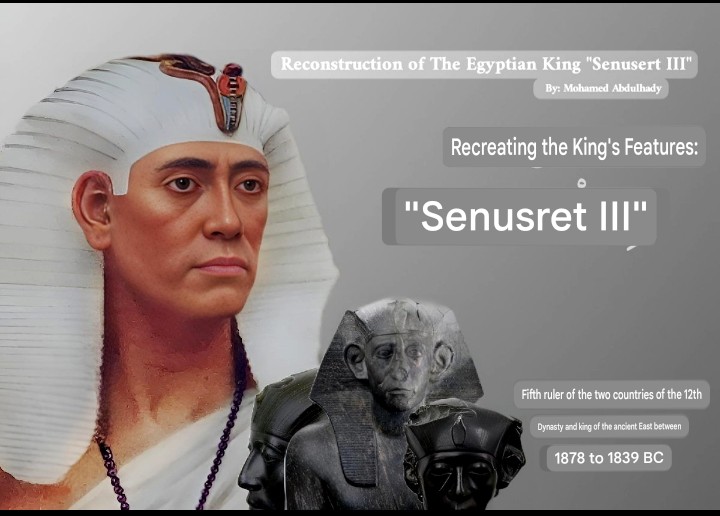
Senusret III was famous for his realistic portraiture, compared to the idealized portraits of Pharaohs before him. His busts and statues are so realistic that you can see signs of his aging on those made later in his reign. Enough of these survive to this day that a realistic reconstruction is possible.

But the Lord afflicted the Pharaoh and his household with great plagues because of Sarai, Abram’s wife. When divination revealed the cause of the plagues as his newest wife, the wife and not the sister of the man, Pharaoh Senusret sent for Abram and said to him, “What is this you have done to me? Why did you not tell me that she was your wife? Why did you say, ‘She is my sister,’ so that I took her for my wife? Now then, here is your wife back, take her and go!”
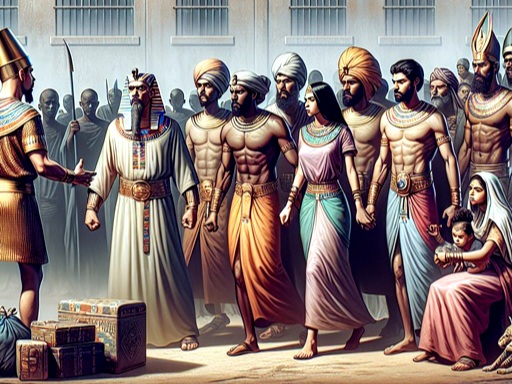
Then Pharaoh Senusret gave his princes orders concerning Abram, that they send him away with his wife, Sarai, and all that he had with him. And so they escorted him to the border and saw them on their way back to Canaan.
COMMENTARY and APPLICATIONS:
It is said that Abram and Sarai, later renamed Abraham and Sarah, faced 10 tests in their life. The first three are in this passage.
1. The first test was God’s call to leave both their home and their families, and go to a new land that God would show Abram later. They passed this test. They gathered up their household and belongings and headed south, accompanied only by a nephew, Lot, and his family.
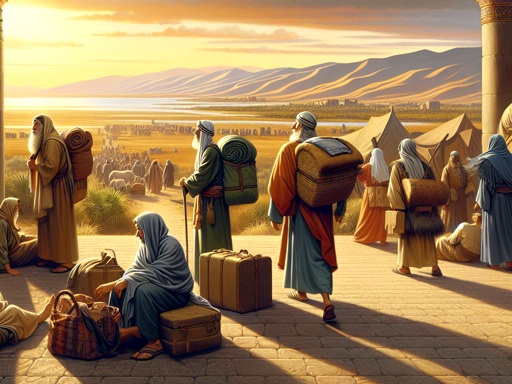
God affirmed Abram’s obedience by appearing to him again when he reached Canaan and made a promise that all the land Abram had seen would be given to His descendents. Abram responded appropriately and sacrificed to God and worshipped Him. Even though the Old Testament is very Patriarchical in its presentation, you can be sure that Sarai was involved in worshipping God together with her husband.

This is often the same first test we face in our lives as Christians. Whether it’s after high school, college or some later time in life, God often calls us to leave everyone and everything that we’re familiar with and depend on, and go to a new place. I believe God does this in order to help us turn from depending on the familiar in our lives and turn to depending on Him. After all, that is what having a relationship with God is all about.
I think that if we are also obedient to go when and where called, that God will affirm our decision to go in faith. That is, after all, the meaning of one of the key verses about faith:

Faith and faithful obedience please God, and He will reward us.
2. The next test was the famine in Canaan. Abram elected to go to Egypt, which was almost famine proof. However, he neglected to do one very important thing, that is, ask God what he and Sarai should do because of the famine. There are several reasons why Abram could be excused for not thinking to ask God first. His relationship with God so far had been to worship Him and live according to his understanding of what God wanted His worshippers to do, as passed down by word of mouth from one generation to the next since Noah. God actually speaking to him was a new thing, and had only happened twice, so far.
Also, God had only appeared to Abram at a time of His choosing. It might have never occurred to Abram that he could ask God for guidance and expect that he would receive supernatural guidance in response.
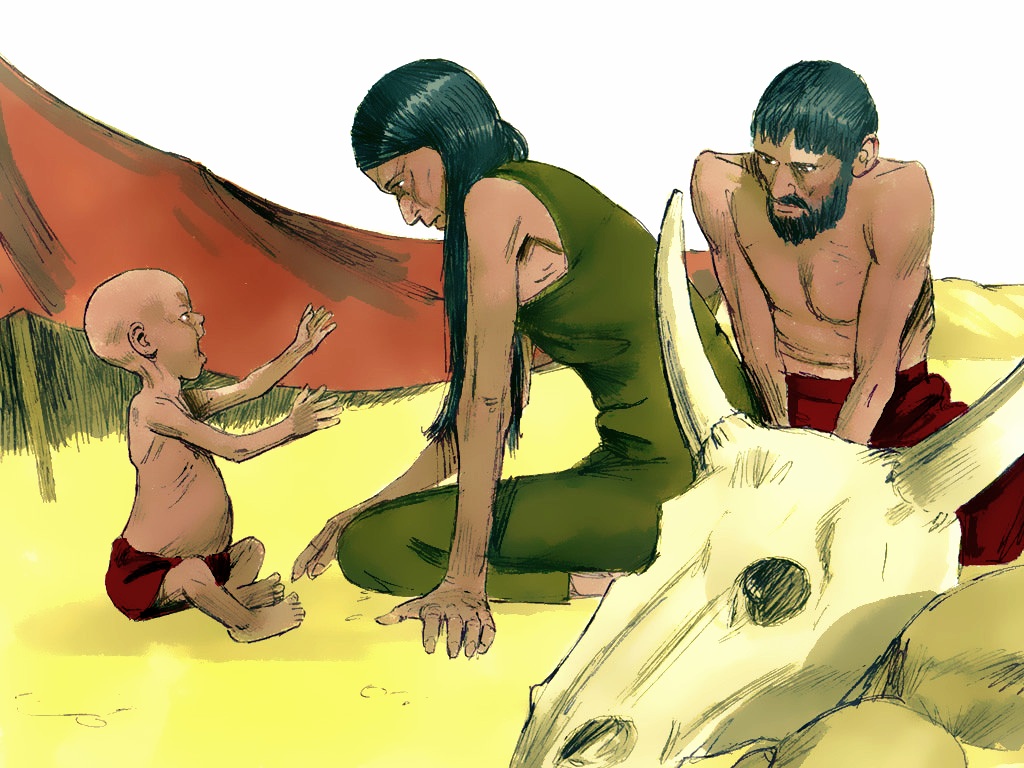
It might well be that the anxiety of dealing with the famine–as he watched his flocks and herds and servants and their children slowly starve, as he struggled with the decision about what to do, maybe even questioning his decision to follow God into what now seemed to be a god-forsaken land–that all of this stress and anxiety gave him ‘brain lock,’ where he couldn’t decide what to do, where he couldn’t see a way out from a slow, but certain death, and he was just completely filled with anxiety and fear of losing everyone and everything.
I know I’m reading a lot into what was going on here, but I’m drawing from my life and from seeing similar situations in the lives of others. This situation just cries out as one where Abram should have sought God, day and night, on his knees, on his face, sacrificing from his dwindling flocks–whatever it took–until he reached a place of desperate faith and God broke through his miasma of fear and anxiety to reassure him of being protected and also telling him what to do next.
God made the promise to do this for the nation of Israel in Isaiah 41:10. Someone cleverly showed how the foundationsl idea of this promise is F.A.I.T.H:

We as Christians have a similar promise:

3. If Abram had sought God’s will, and going to Egypt was still the plan, the difference would have been that Abram and Sarai would have gone there trusting in God to take care of them. The third test, ‘Pharoah taking Sarai as his wife,’ might have been handled differently. Going with faith/trust in God, there would have been less fear. Granted, it was still a scary situation–two simple shepherds going to the seat of a highly sophisticated civilization–but it would have been easier to cope with that fear knowing your actions were being supported by your God.
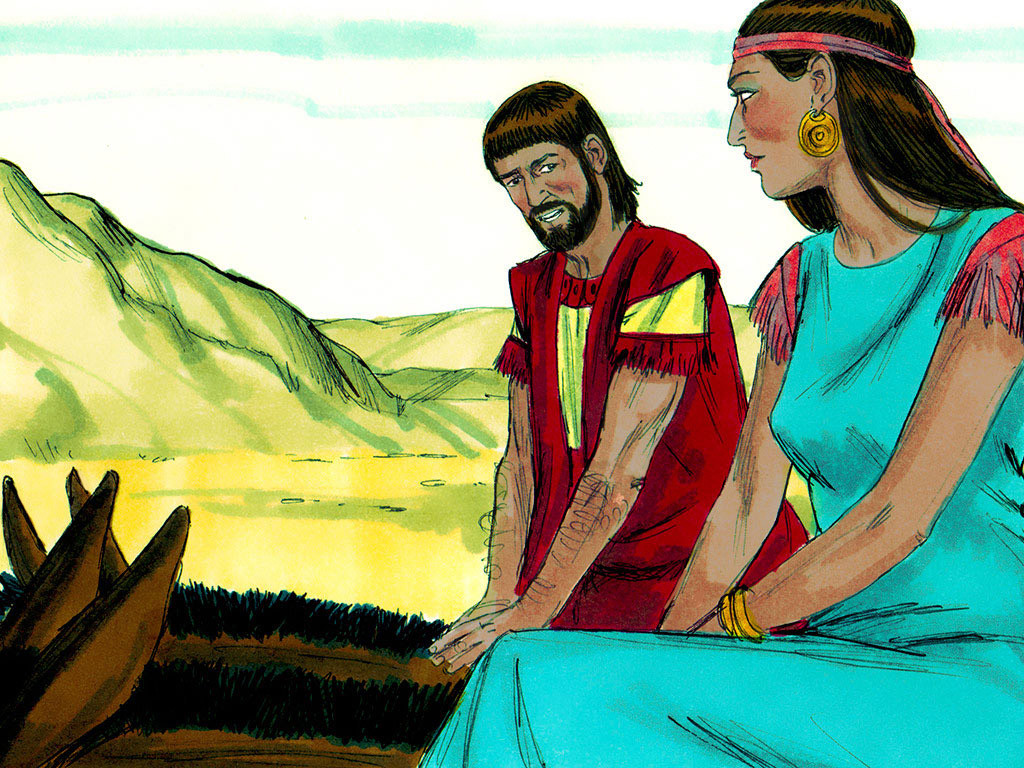
So, instead of going to Egypt in faith and confidence in God, Abram went there in fear for his life because of the beauty of his wife. There is a phrase in Abram’s justification of his strategy of deceit where he said, “Say you are my sister… that my life may be spared for your sake.” Maybe Abram was still wrapped up in the fear he had just experienced facing possible death from the famine?
God had promised to give Canaan to Abram’s descendents. So far Abram and Sarai did not have even one child. If Abram was really understanding and trusting in God’s promise, then he should have realized that God would preserve his life. One wonders if Abram had thought that implication through? But not having done that, one failed test led to another test of faith.

Not to imply that God was just throwing one test of faith at Abram and Sarai after another. The tests will still come in life, no Divine source needed. That’s the fallen world we live in.
The difference is, in my opinion, that if we successfully negotiate one trial, that should put us in a better place in our faith to successfully negotiate the next one.
The opposite is true too, I think. When we’ve been unsuccessful in dealing with one trial, then it will be all that much harder to trust God in the next one. 1 Corinthians 10:13 is a key verse about dealing with trials. Following afterward is my paraphrase of it.**

**In the advanced Bible study class I took many years ago, we were taught to paraphrase a verse or passage at the end of our study of it as a way of showing our understanding of it. Here’s mine for this verse:
Every trial and difficulty that comes your way is the same thing that everyone else goes through. But YOU CAN TRUST GOD! God will NEVER allow you to be tested beyond what you can handle. Along with the difficulty, God will make a path through it. If you’ll just trust and follow Him, you can be confident that you will be able to hang in there and make it through to the end.
In Abram and Sarai’s case, God didn’t forget His promise. One phrase of God’s promise was, “…he who dishonors you, I will curse.” And that is what we saw Him do in Egypt. Pharoah dishonored Abram by taking his wife to be his own, even though Abram and Sarai had lied about their relationship, but that didn’t matter to God. God’s actions are not based on our imperfect obedience to His commands. What God has promised, He will fulfill. As He said in Isaiah 55:11

So, Abram failed his third test of faith–he chose the course of fear and deceit, rather than trust in God and in His promise. What about us? Do we remember to ask God for His wisdom and guidance when difficulties arise? Do we trust God will fulfill His promises? As the Bible says:

When we ask, do we then wait for an answer? Waiting for God is mentioned 34 times in the Old Testament. The most famous verse is Isaiah 40:31:

Let’s make sure we grab hold of these promises from God when we find ourselves in anxiety-causing situations in our own lives, follow the pattern–pray, trust, wait, follow. There is a time to wait on God, and there is a time to act in obedience, with faith and confidence in God’s provision of strength, guidance and protection. I’m praying that we can all learn to tell the difference!

THIS WEEK’S SONG:
When I think about Abram and Sarai wandering through an unfamiliar land, looking forward to some future promised by God, I’m reminded of this 19th century folk gospel song. Even though the lyrics actually refer to the Israelites crossing the Jordan River to claim the rest of the land promised by God, I think the plaintive sound well captures how alone Abram and Sarai might have felt sometimes in their life-long wanderings, and how lonely I have sometimes felt in this world too. At least they had each other!
Wayfaring Stranger, performed by the Hayde Bluegrass Orchestra.
Lyrics
I’m just a poor wayfaring stranger,
Traveling through this world alone.
Yet there’s no sickness, no toil, no danger,
In that bright land to which I go.
I’m going there to see my father,
I’m going there no more to roam.
I’m only going over Jordan,
I’m only going over home.
I know dark clouds will gather ’round me,
I know my way is rough and steep;
Yet beauteous fields rise up before me,
Where God’s redeemed, their vigils keep.
I’m going there to see my mother,
She said she’d meet me when I come.
I’m only going over Jordan
I’m only going over home.
 Bill's Bible Blog
Leave a comment