
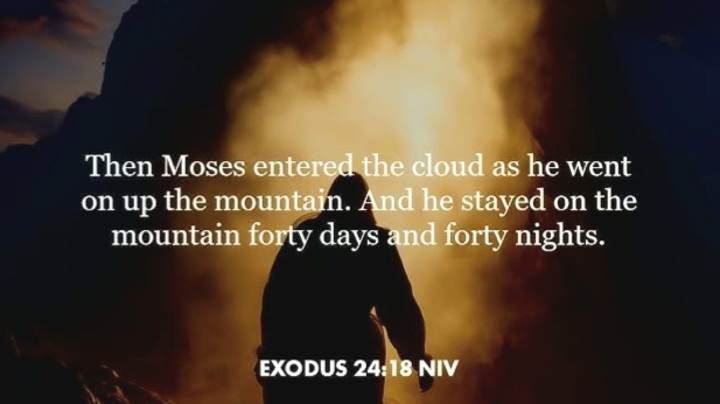
12 At once the Spirit sent (Jesus) out into the wilderness, 13 and He was in the wilderness forty days, being tempted/tested by Satan. He was with the wild animals, and angels attended Him.

Cross references: There were others who spent 40 days with God without additional sustenance, Moses and Elijah.

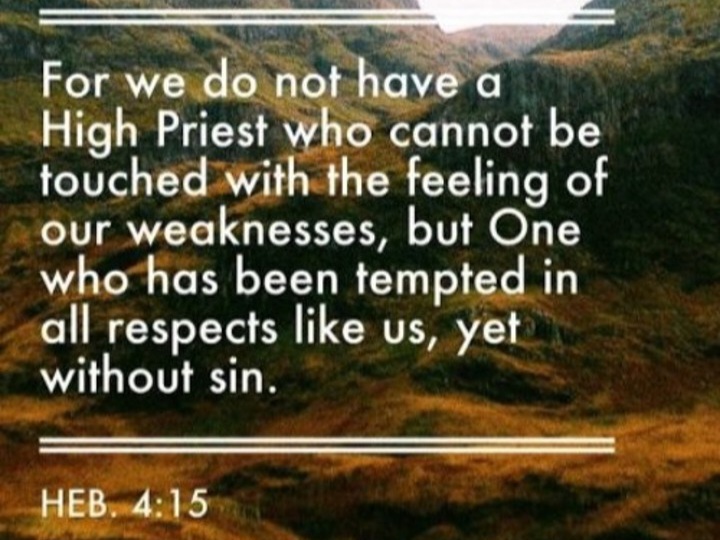
There are two significant aspects to the temptation of Jesus. First is that He can be sympathetic toward us when we’re going through difficulties, because He’s been there:
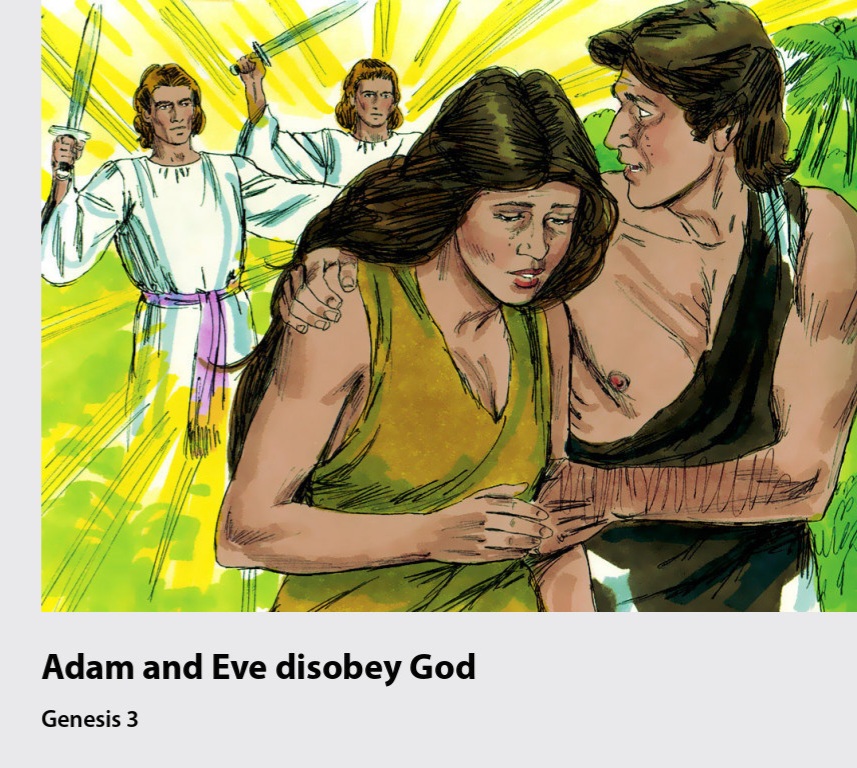
Second is that Jesus came through His time of testing victorious, which qualified Him to be the sacrifice for the redemption of humankind. In comparison, our penultimate ancestors were NOT victorious when they were tested by Satan and that is why we are in the mess the world is in.
But thanks be to God,” to quote Paul (1 Corinthians 15:57), God has not left us in this mess, He had a plan–a plan for redemption, a plan for salvation, a plan reaching its climax here in Mark with God’s Only Begotten Son, Jesus Christ. Let’s look more in depth at temptation/testing starting in Genesis.
Genesis 3:1-15, New International Version












• Lust of the flesh: Bodily desires, appetites, and sexual immorality.
• Lust of the eyes: Craving or longing for pretty things, possessions, which can be seen as a desire for more. Also called ‘covetousness’ in the Bible.
• Pride of life: Boastful confidence in oneself, one’s resources, or earthly things. Jesus referred to it as ‘Mammon,’ a Middle Eastern concept of His time that referred to anything of value one depends on in place of God.

Pulling together the accounts of the temptation / testing of Jesus from the other synoptic gospels, let’s see how Jesus also faced each of these three threats and how He dealt with them.

Lust of the flesh: Jesus had been fasting in the wilderness for 40 days and He was hungry. Satan came and tested/tempted Him saying, “If you are really the Son of God, turn these stones into loaves of bread!”
Jesus replied, “It is written, mankind shall not live on bread alone, but on every word that comes from the mouth of God.”

Lust of the eyes: For the next test/temptation, Satan took Jesus to a high place and showed Him all the kingdoms of the world. Then he said, “All these kingdoms can be yours if you will just bow down and worship me!”
Jesus replied, “It is written, ‘You shall worship the LORD thy God and serve only Him.’”
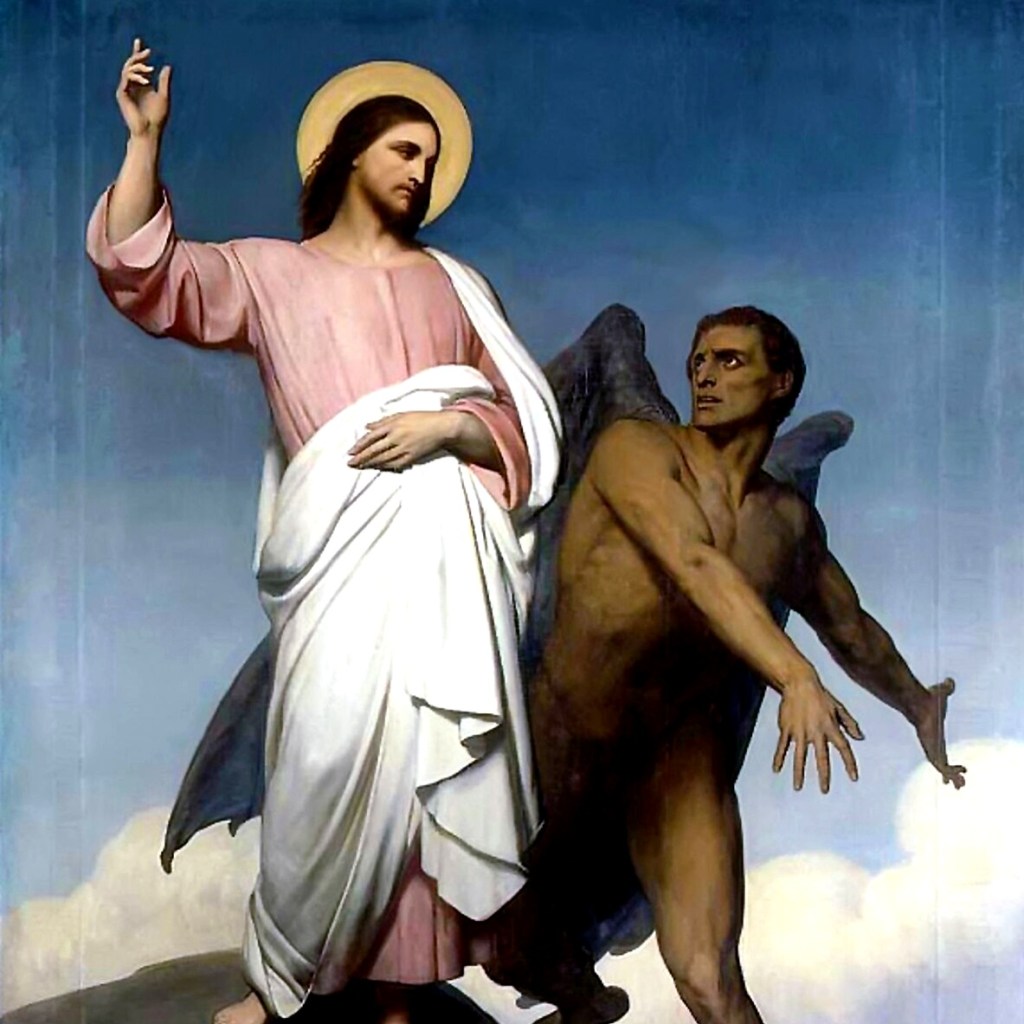
Pride of life: Finally Satan took Jesus to the highest point of the temple for His last test/temptation. While they were looking down at the thousands of people in the courtyard, Satan said, “It is written, ‘God’s angels shall bear up His Annointed lest He strike His foot against a stone.’ IF you are God’s Annointed, throw yourself down from here!”
Jesus replied, “Get out of here Satan! It is written, ‘You shall not test/tempt the Lord thy God!‘”
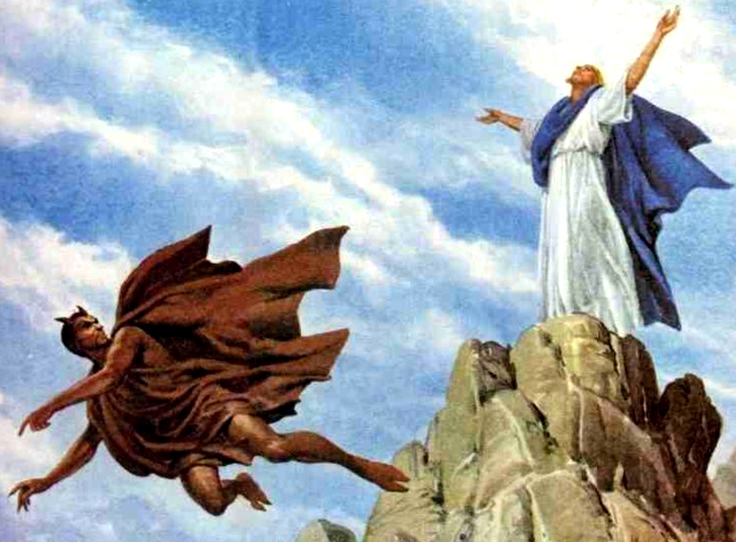
Jesus successfully passed the three tests/temptations that Adam and Eve failed. Lessons we can learned:
1. Jesus accurately quoted what God had said in the past as it pertained to each test. Eve misquoted what God had said by adding, ‘…or touch it.’ Which gave the Serpent an opportunity to deceive her when she touched a fruit and nothing happened.
2. THE FLESH Jesus prioritized obeying
God over His natural physical needs. He taught in Matthew 6:33 that we should do this too.

3. THE EYES Jesus refused to be impressed or distracted by seeing all the kingdoms of the world. He focused on the key point of worshipping/serving God versus anyone or anything else. (In other words, He avoided idolatry)
4. PRIDE The whole aspect of Jesus’ coming was in humility. He emptied Himself, taking the form of a bond-servant, and being found in appearance as a man, He humbled Himself even further, to be obedient to God’s plan and die on a cross.

To participate in such an ostentatious miracle as Satan suggested, even if he did appear to have a Scripture to back him up, would have been the exact opposite of humility.
SUMMARY
I can summarize where Jesus was in this situation by one concept–a personal, submitted relationship with God:
Who? Jesus chose God over His fleshly needs. He put God’s needs first–God’s kingdom and God’s righteousness.
Who? Jesus chose God over His psychological needs and desires for fame, for significance, for personal glory. He chose to serve and follow God’s ways and God’s plan rather than take what was offered as an easier shortcut.
Who? Jesus chose God over his own self-exaltation. Whenever we start to tell others about ourselves, to let others know how great we think we are, we are failing this test. (Ouch!)
John knew what he was saying when he called it the “Boastful” pride of life. That’s because when you start boasting about yourself, your people, your possessions, your accomplishments, etc., you’re bring prideful.

APPLICATIONS, Mark 1:1-13:
1.a. Who is Jesus to me? He is the Savior that makes it possible for me to go to heaven when I die, where I will live forever with God and Jesus. My response to that salvation is best expressed in this classic hymn, My Jesus I Love Thee.

1.b. What kind of Savior has Jesus been to me? He has been persistent in seeking relationship with me. Even when I’ve slipped away or strayed from Him, He has always gently called me back into fellowship with Him and with His Body, the Church.
My feelings about the grace of Jesus in my life, to have never given up on me, is best expressed by the classic hymn, Softly and Tenderly (Jesus is Calling).

1.c. What do I want Jesus to be in my life? I want Him to be the everything to me I’ve heard from so many others. I want Him to be what this classic hymn expresses, to be All the World to Me.

2. Has Mark convinced you of the uniqueness of Jesus, how He is qualified to be the Savior of the World? What more should he include?
Intellectually I know these things, but emotionally I got nothing. Jesus coming in humility makes it difficult for me to be amazed and astounded about who He is and what He did. Jesus constantly strove to keep things low key. The dialogue in Mark seems so dispassionate, so emotionless, it’s almost like it is being delivered deadpan.
There’s nothing to stir the heart, wow the mind, to awaken that sense of wonder that these are not just historically momentous events, these are eternally momentous events. It seems like the eternal significance is just beyond my ability to perceive and comprehend. Hoping for more later!

3. How does your faith background affect the way you see Jesus? Are you aware of any potential blind spots, beliefs or practices that might be missing in your Christian faith and practice, having grown up in a certain tradition?

I know that my traditional conservative Protestant upbringing had lots of gaps– things that were a little off center from the truths of the Bible, even some things that were outright wrong–but I can’t see the what and where of how to change, how to move away from that background, even when I think I can see what new direction I need to move in.

It is as if those childhood beliefs are so deeply ingrained in my psyche that it is who I am. I’ve made some changes in my faith and practice over my lifetime as I’ve learned more and different things, but they have just been baby steps.

The only path ahead I see is to keep grinding it out day-by-day, to keep seeking God, to stay in God’s Word and prayer, to be in fellowship with God’s people, to keep believing that God will work His will in me and through me. But it’s tough!

The three things I heard the most from others in church while growing up in my traditional faith were, ‘maybe,’ ‘it might be,’ and ‘nobody can know for sure.’
These words are not enough for me anymore, and they haven’t been for a long, Iong time. My hope is that as we look at the story of Jesus in Mark, that my uncertainty will be replaced by certainty, that my doubts will be replaced by convictions, that what I’ve always heard as speculations will be replaced by belief in the truth. Amen!

 Bill's Bible Blog
Leave a comment