
Just who is Jesus, anyway? That is the main theme of Mark and that is what Peter was asked to testify about to the Roman magistrates.
We’ve seen a lot already about who Jesus is from Mark chapters one through six. It is interesting to note from the middle of chapters 6 through 8, there is obvious DUPLICATION in the content. There are some new themes introduced in our study passage for this week, but there are also some repeated themes.t
Between chapters 7 and 8 is the break between Peter’s 2nd and 3rd presentations. We don’t know what the interval was between his presentations, whether they were daily or further apart, but we see an important presentation principle utilized by Peter, repetition.
So, let’s look at the six points Peter repeats between the end of session 2 and the beginning of session 3, to see what he’s emphasizing about Jesus to the Roman magistrates.
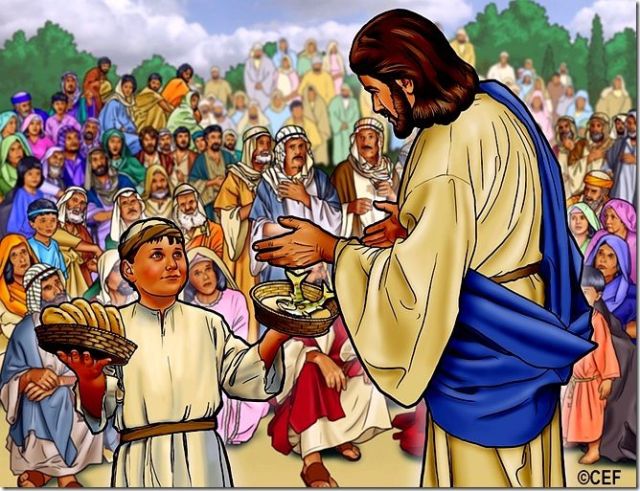
1. Two miraculous feedings:
• Mark 6:39-44, Jesus Feeds 5,000 with 5 loaves and two fish. 🍞🍞🍞🍞🍞🐟🐟
• Mark 8:1-9, Jesus Feeds 4,000 with seven loaves and a few fish. 🍞🍞🍞🍞🍞🍞🍞🐟🐟🐟
🤓COMMENTARY
This was a new supernatural power demonstrated by Jesus, the ability to take a relatively small amount of food and multiply it, multiply it and multiply it until after 5,000 had eaten their fill, the leftovers exceeded the original amount. I can almost see the magistrates looking back and forth at each other. They have already heard some miraculous things attributed to Jesus, but the healings and demon expulsions they probably could explain away. Even the calming of the storm at sea might have been a coincidence exaggerated by worshipful believers. I’m sure they had heard many such coincidences claimed by various religious followers in their polytheistic society as being caused by one god or another. They might even have become jaded by repeated claims of miracles that could not be proven. But this was something different, thousands of people were involved in this miracle. And Peter drives the point home when he begins his third presentation with the second, similar miracle of feeding 4,000 people.
I suspect what Peter had said about Jesus so far had been interesting, but now the magistrates were interested.
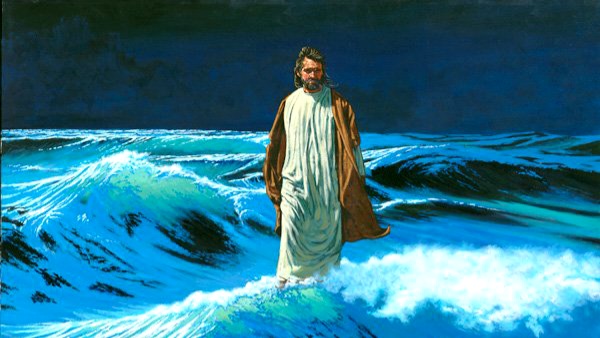
2. Two trips across the sea:
• Mark 6:45 to 56 (end) – walking on water with healings at the end. 🌊
• Mark 8:9b-10, 13,14 – crosses to east bank, the Decapolis*, then returns to west bank, Galilee. ⛵️
🤓COMMENTARY:
Peter follows up his first bomb of the 5,000 with Jesus walking on water. I think without the first bomb, the magistrates would have been able to easily dismiss this claim with a, “Yeah, right…”
But still reeling from the first bomb, like a boxer who’s just taken one haymaker, they’re still so dazed, they cannot muster the skepticism to dismiss Peter’s claim. I see them as being uncomfortable at this point. If this Jesus of Nazareth really was able to do these things, not only witnessed by His 12 dedicated disciples, but by thousands, then this was a person who demanded people’s attention. Maybe even demanded a response. And they were not ready or willing to do that.
In Mark chapter 8, the boat trips back and forth across the Sea are fairly mundane. Just boat trips this time. So, what’s the point? There are six boat trips or sea crossings mentioned in the Gospel of Mark, but only two in Matthew and two in Luke. The extra trips suggest Peter is showing not only how busy Jesus was in His ministry, but that He didn’t limit it to just His home province of Galilee.

It’s interesting to note that Peter left out the part where he got out of the boat and walked on the water himself. One wonders how the magistrates might have reacted if he had included that part? Might they have escorted him to the nearest body of water and asked him to walk across it? Or might this part of the event have caused other problems for Peter? Might he have been seen as less reliable a witness, maybe lying to inflate his reputation?
I’m certain one thing Peter didn’t want to do was come across as a supernaturally powerful person who might have been a threat to Rome. This omission also shows astuteness on Peter’s part, to know his audience and avoid unnecessary, controversial topics.
For whatever reason, Peter thought it was a good idea to leave out this part. It might be helpful for us to develop this skill too, that is, to know what about our testimony to share with a particular interested person, and which details to leave out.
In Speech 101 they taught a very important element of a successful speech was to know your audience and tailor your speech to them. It would appear that Peter knew this principle and was very much tailoring his presentation to the Roman magistrates.

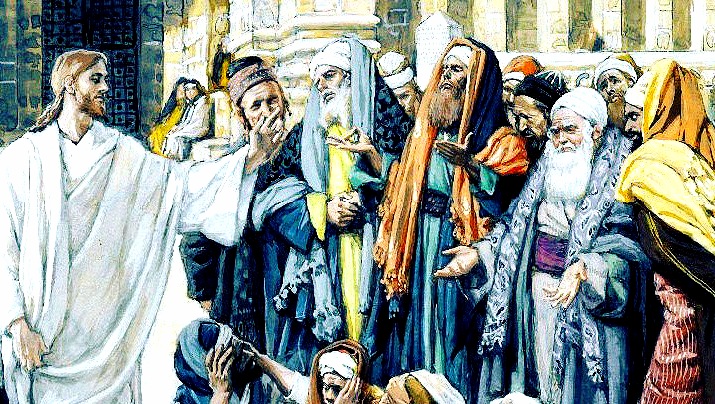
3. Confrontations with the Pharisees, et al.
• Mark 7:1-13 – Why don’t your disciples wash their hands before they eat? 🤲
• Mark 8:11-13 – Give us a sign from heaven. 🌠
🤓COMMENTARY:
The different sects of religious leaders who questioned, opposed and ultimately had Jesus executed, figured prominently in this week’s chapters. Peter mentions Jesus had many run-ins with the Jewish religious leaders, often just generically referred to as ‘scribes,’ and modernly translated as “Teachers of the Law.” The Greek word, grammateus, (Strong’s G1122) would have been familiar to the magistrates as it was used as the title for a Town Clerk. The names of the other Jewish religious sects would have been meaningless without more explanation, as Peter does provide in brief, enough to help the story of what happened make sense. Also, Peter almost always pairs the Jewish sect name with ‘and Scribes’ to help the magistrates follow who’s involved by including this familiar title.
However, Peter specified the Pharisees in Mark 7 and 8, as well as in chapters 2 and 12, which also includes the only named reference to the Sadducees, relevant to their belief there was no resurrection. Most often the Sadducees are referred to as ‘Chief Priests,’ once again a title that would have been familiar to the religiously eclectic Romans who would frequently have to deal with self-important ‘chief priests’ of one god or another.
These words and descriptions are another example of Peter knowing what his Roman audience would understand, and using more familiar terms with them or providing a brief explanation as needed. Once again, something we can learn from him when sharing our testimony or the gospel with others.
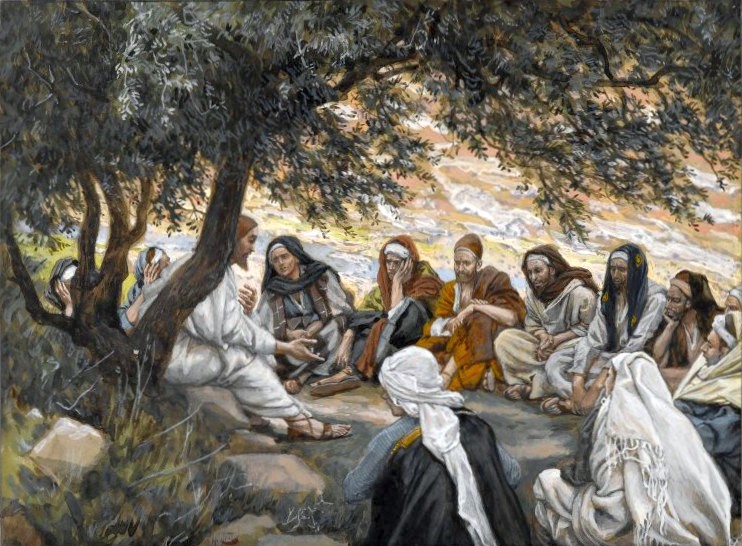
4. Two lessons based on food.
• Mark 7:14-23 – It’s not what you eat that defiles you, it’s the sinful acts that arise from your sinful heart. 💔
• Mark 8:14-23 – Beware the leaven of the Pharisees! 🥣
🤓COMMENTARY
Jesus used a lot of common things and everyday events to communicate spiritual truths. In these two instances in Mark 7 and 8, Jesus transitioned from a confrontation with the Pharisees, et al., to instruction. This is what we call in education a ‘teachable moment.’
And as the ‘Walking on Water’ story was distinguished by what Peter omitted, the lesson from the first Pharisee conflict is characterized by what Peter added to the Matthew account.
The list of sinful characteristics that flow from a sin-filled heart in Matthew are:
“For out of the heart come evil thoughts—murder, adultery, sexual immorality, theft, false testimony, slander. These are what defile a person; but eating with unwashed hands does not defile them.”(last part omitted in Mark.)
Peter’s list as recorded by Mark:
“For it is from within, out of a person’s heart, that evil thoughts come—sexual immorality, theft, murder, adultery, greed, malice, deceit, lewdness, envy, slander, arrogance and folly. All these evils come from inside and defile a person.” (underlined words added.)
This extended list of sins suggests that Peter is trying to portray the conflict between Jesus and the Jewish religious leaders as not a religious one, but as a moral one.
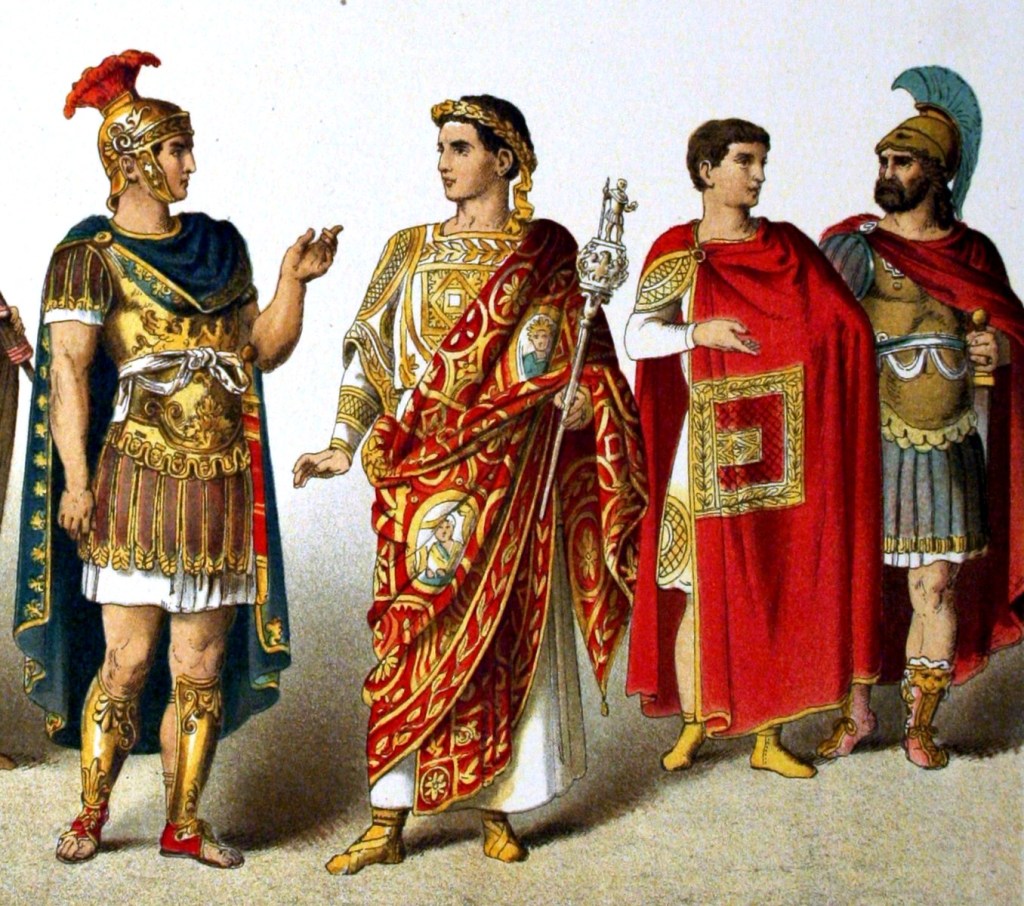
The Roman view of morality was complex. Key aspects of Roman morality were:
• There was no abstract, codified moral law from any of the various religions. Instead, morality was tied to personal character and social norms.
• Mos maiorum(Customs of the ancestors): Cultural customs and traditions provided the foundational moral code, which emphasized duty, honor, and respect for tradition.
• Pietas(Dutiful respect): This was one of the cardinal Roman virtues–a deep, personal respect towards the gods, family, and the State.
• Fides(Faithfulness): Trustworthiness was crucial for all social and political relationships. A magistrate, for example, was obliged to act in accordance with both the public interest and his own moral senseof faithfulness to his position of responsibility.
• Virtues: Moral behavior was expected to be characterized by virtues like bravery, tenacity, and frugality.
To be honest, this moral code of faithfulness, respect and commitment to duty are some of the things that made Rome great. But I wonder if the moral decay that eventually led to the fall of the Roman Empire were already evident? The next emperor was Nero and the moral turpitude became increasingly obvious.
The magistrates would probably have been as aware as anyone of the moral decay at the heart of Rome because of their legal duties. I wonder if Peter was emphasizing the immoral acts listed by Jesus to get their attention? Once he had their agreement with what would be considered ‘sins,’ the next step would have been to show them how Jesus came to both pay for our sins so we won’t have to, and to deliver us from those sins to a more moral life coming from the heart, not social norms. It almost sounds like Peter is sharing the gospel with them, wily old fisherman that he was! Stay tuned to see how Peter not only tells the story about Jesus, but tailors it into a gospel presentation to the listeners…
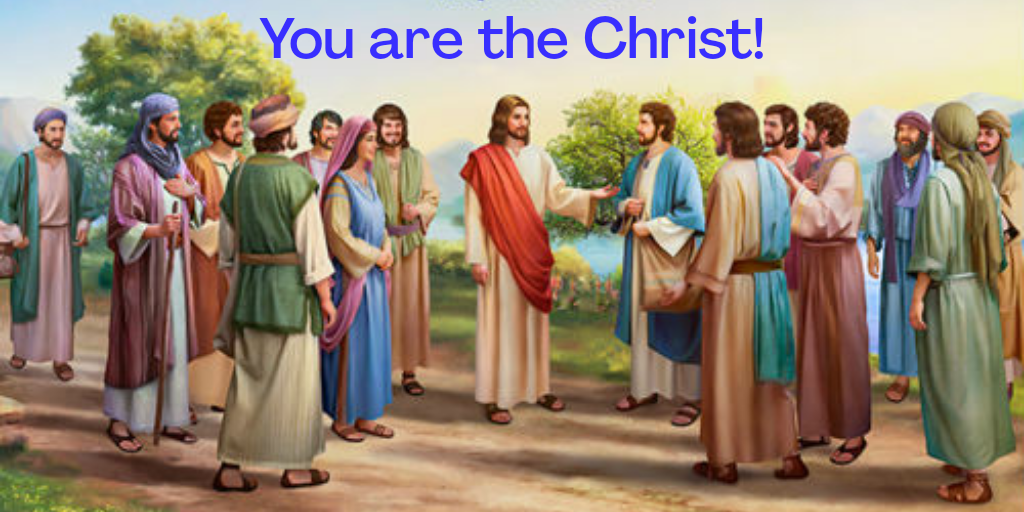
5. Two professions of faith.
• Mark 7:24-30 – Jesus, “It is not right to take the children’s bread and toss it to the dogs.” 🐕 Gentile woman, “But even the dogs eat the crumbs that fall from the table…
• Mark 8:27-30 – Peter answered, “You are the Christ.” ✝️
🤓COMMENTARY
There is so much going on in these two declarations of faith, but I’ve reached the end of my weekend and go back to a new week’s study tomorrow.
I hope you are spending time yourself studying God’s Word. I must admit it takes a while before you can go as deep as I’m able to delve after 50+ years of doing it, but it’s important to present yourself to God as a student of His Word. Over time, you will learn more from Him and, hopefully, become more obedient in your walk with God.
The best place to start is to listen to messages from Biblical teachers who simply and clearly lay out what the Bible says. Eventually, with enough of a foundation laid by those ahead on the path, you’ll be able to find gems of meaning and understanding in the Bible yourself!
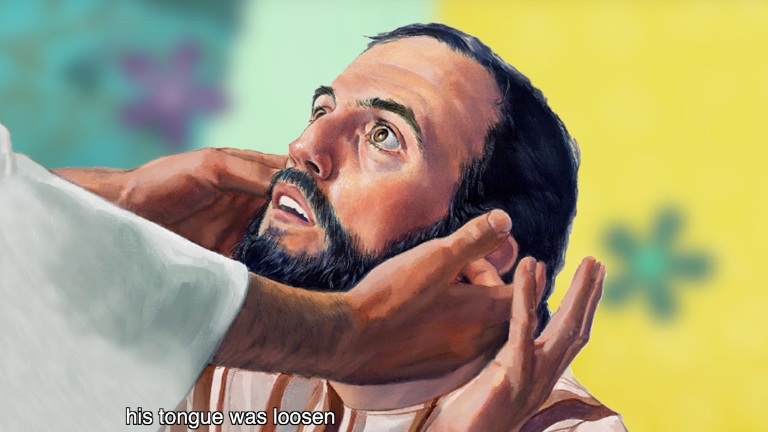
6. Two healings
• Mark 6:27-31 – Healing the deaf and mute man. 🙉🙊
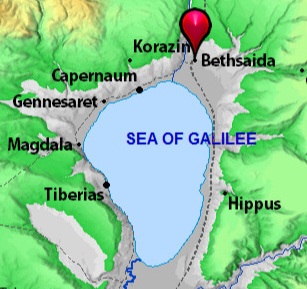
• Mark 8:22-25 – Healing a blind man at Bethsaida.**🙈
🤓COMMENTARY
The significance of both healings is they are unique to Mark. These are both events Peter shared from memory rather than referring to either of the two scrolls of Matthew or Luke. Although, since each apostle had their own copy of Matthew when they left Jerusalem, it has been suggested they annotated it with additions from their own memory. 📜
**Bethsaida means “house of fishing”🎣 a name that reflects its origins as a fishing village on the Sea of Galilee. Significant as the hometown of the apostles Andrew, Peter, and Philip; it was also the setting for many of Jesus’ miracles.
🍎APPLICATION
So, where are you on the continuum with Jesus? Are you close to the far positive end like Peter–a 100% committed disciple, doing your best to share the story of Jesus Christ and His teachings with those who will listen?
Or are you maybe closer to the other end–in need of healing, of provision, of deliverance–and wondering if maybe Jesus Christ can provide that for you?
Wherever you find yourself in your faith, who Jesus is demands a response. The powers He demonstrated, the things He said, these demand you accept Him as God’s chosen Messiah, sent to Earth to represent God’s, calling all to repentance, calling all of us back to right relationship with the Lord God Almighty, Creator of the Universe, our Heavenly Father. AMEN!
🙏I pray that you respond appropriately to that call today.
 Bill's Bible Blog
Leave a comment