
In this week’s study, we looked at some of the major events at the end of Jesus’ time on earth: The Last Supper, praying in Gethsemane, betrayal by Judas, and arrest, trials by the Sanhedrin and Roman governor Pilate, denial by Peter, and the crucifixion. Any one of these events would be worthy of a full day’s study. Pastor Chan zoomed in on the love Jesus must have had in order to endure this suffering.
In trying to pull out my one word to describe the study this week, what stood out to me was the determination of Jesus to endure the indignities, the physical and emotional suffering, and even a torturous death, in order to carry out His heavenly Father’s plan of salvation for humankind.
Following are some of the elements I saw in these chapters that affected and portrayed His determination to undergo them.
I. Foreknowledge: Even knowing what was to come, Jesus had to be very determined to follow through.
A. Three times prior to the events in these chapters, Jesus told His Twelve chosen disciples what was going to happen when they got to Jerusalem.
1. Mark 8:31 Jesus Predicts His Death
2. Mark 9:31 Jesus Predicts His Death Again
Jesus… was teaching his disciples…
3. Mark 10:32-35 Jesus Predicts Death 3rd Time
They were on their way up to Jerusalem with Jesus leading the way…
“We are going up to Jerusalem,” He said, “and the Son of Man will be delivered over to the chief priests and the teachers of the law. They will condemn Him to death and will hand Him over to the Gentiles, who will mock Him and spit on Him, flog Him and kill Him. Three days later He will rise.”

Like leaving bread crumbs along the path so you can find your way back, Jesus was dropping these ‘crumbs’ of prophecy throughout Mark to point the way forward. A lot of attention has been focused on Jesus predicting His death, but note He also predicted His resurrection!
In this week’s chapters, we also saw Jesus reveal more foreknowledge about what was to come. Note that this foreknowledge was both from prophesies of Scripture that He had come to fulfill, and revelation from the Holy Spirit within Him.
The first was at the Last Supper.
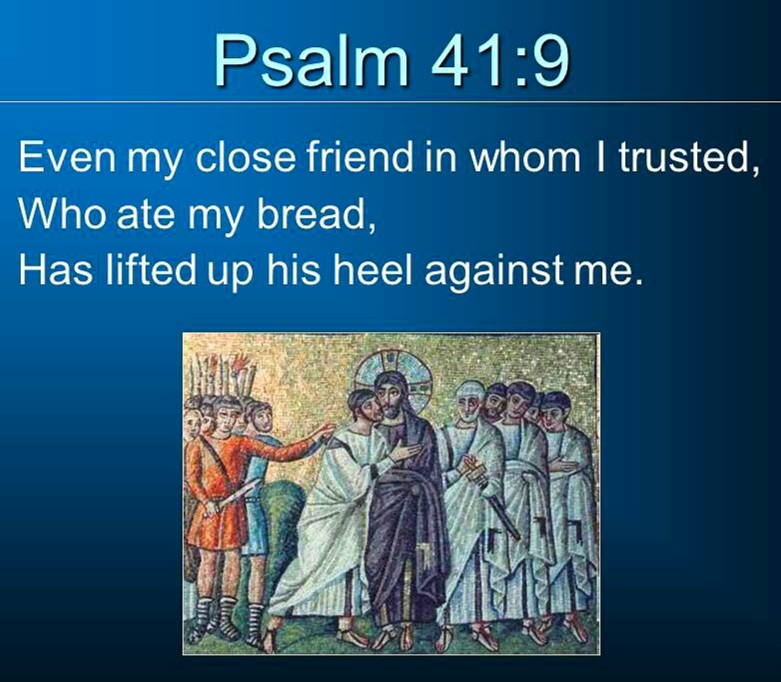
A. The Betrayal
Mark 14:18 While they were reclining at the table eating, Jesus said, “Truly I tell you, one of you will betray Me—one who is eating with Me.”

19 The disciples were saddened, and one by one they asked Him, “Surely you don’t mean me?”
20 “It is one of the Twelve.” Jesus replied, “It is one who dips bread into the bowl with Me. The Son of Man will be led away just as it is written about Him.”
B. The Desertion
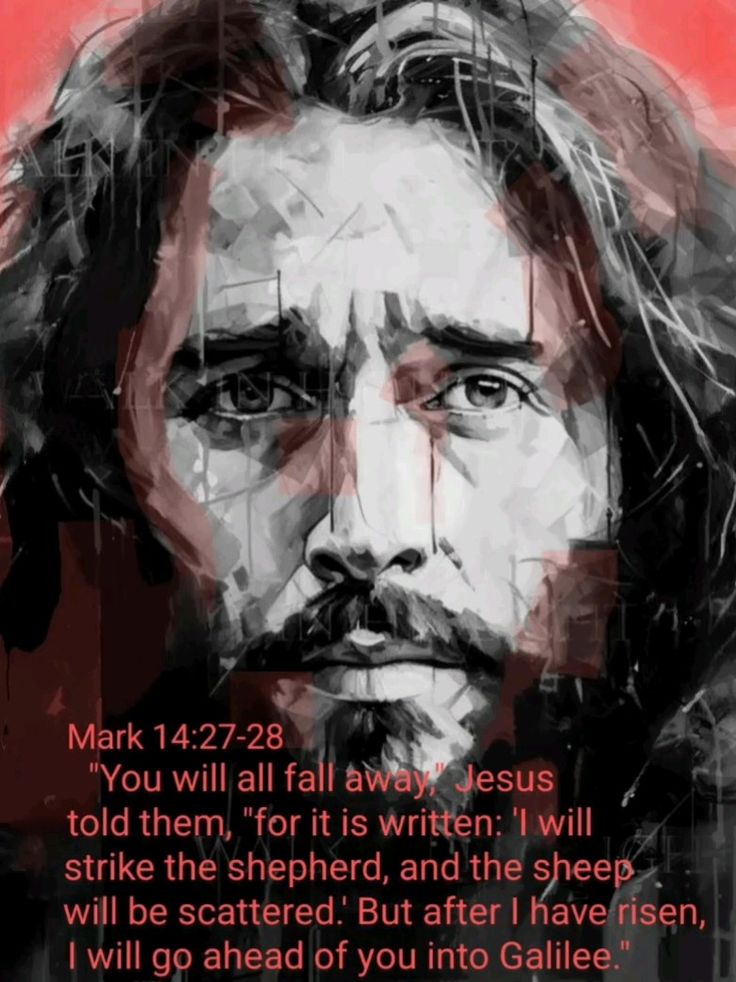
Jesus also quoted a prophecy from Zechariah 13:7 about what would happen to His disciples when He was arrested:
C. The Denial.
Peter, called ‘Bold Peter’ in an old song about the Denial, said, “Even though everyone else deserts You, I will NEVER leave You.” You can almost hear Jesus’ sigh as He delivered a word of prophecy in response. “Peter, Peter, I tell you that on this very night, before the rooster crows to announce the dawn, you will deny even knowing Me three times.”
But Peter was insistent, “Even if I have to DIE with You, I will NEVER deny You.”
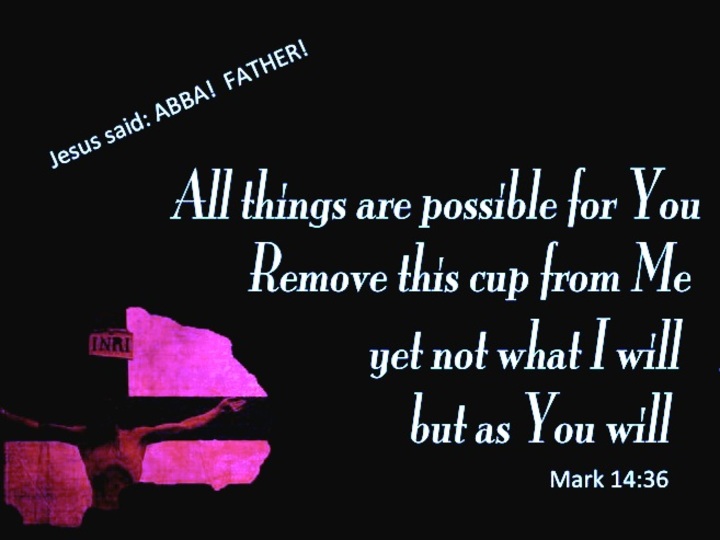
D. The Arrest. The praying in the Garden of Gethsemane, what we would call a park, brought Jesus’ humanity fully forward. No more the calm in the face of a storm, no more the self assured, all-wise Annointed One we’ve been seeing. Now, He is all human fears and doubts, wanting out at the last minute. Prophecy and His Divine foreknowledge has informed Him of exactly what to expect. His human nature, anchored by the instinct for self preservation, wants to avoid the suffering and painful execution at any cost.
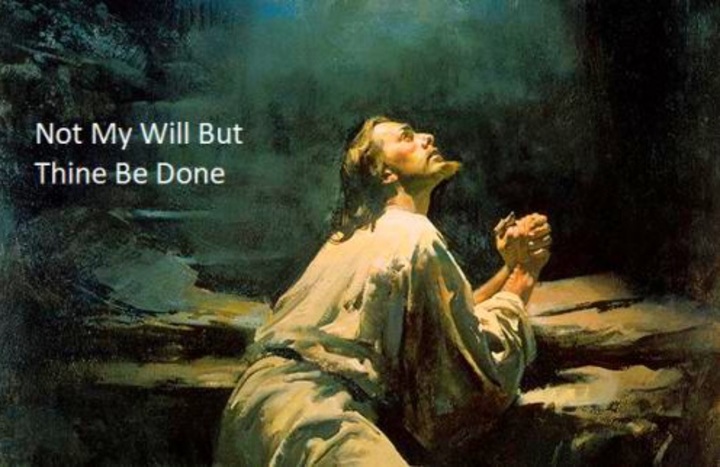
Understandable, but the key to the heart of Jesus at the end was His total submission to God’s will.
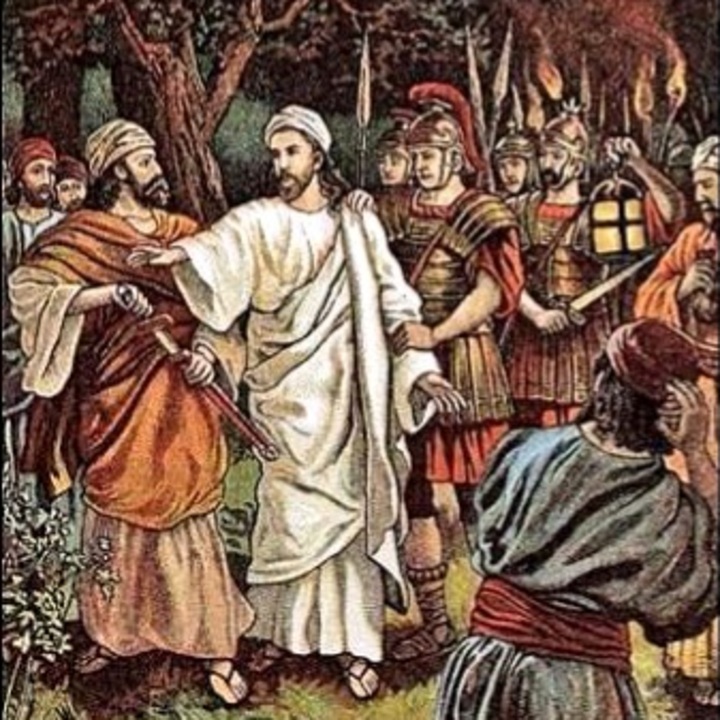
And the last bit of foreknowledge displayed was He knew when the mob sent to arrest Him was approaching. In preparation, He woke His sleeping disciples and warned them, but there was no running away, no attempt to flee or to avoid His fate.
II. Intentionality
There were several ways that I saw Jesus being intentional In His actions in response to these prophecies of coming dangers and sufferings, as indications of His determination.
A. Jesus ‘ran’ toward danger. We’ve all heard about how first responders ‘run toward danger.’ They do it for the purpose of providing aid and rescue.

I was thinking more along the lines of Charlie Kirk. I was chatting recently with a man in my small group who told me he had been listening to some Charlie Kirk podcasts. I asked him what he had gotten from those. He stated, ‘To not avoid controversy, but to run toward it.’

I had only heard Charlie Kirk speak once on a radio program. My impression of him was of a singularly gifted man who was able to respond to those who disagreed with his conservative beliefs in a clear and convincing way. Because of his gift, he was able to ‘run toward controversy’ with the confidence that he could hold his own with those who disagreed with him.
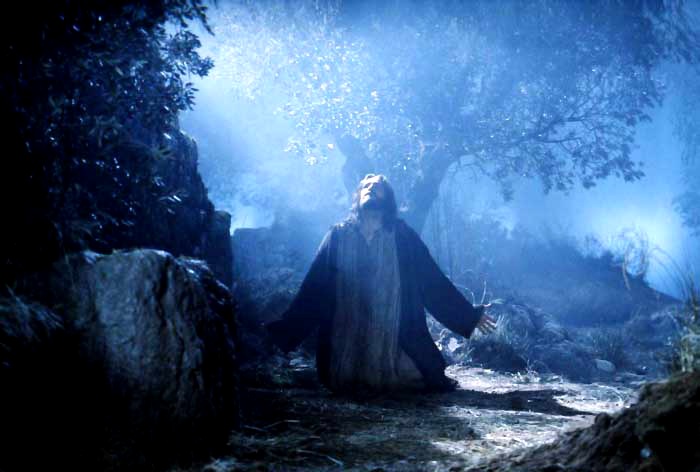
That is what I think Jesus did. From His human side, He had doubts and fears, as we see in His prayers in the Garden of Gethsemane, but despite those understandable ‘human’ weaknesses, He was 100% submitted to God the Father, and 100% committed to do His will, even to His death, which was actually the plan. That commitment to God and His plan of salvation gave Him the confidence to ‘run toward’ the physical, emotional and spiritual suffering He knew was waiting for Him.

B. Jesus didn’t just let the events happen to Him at random. He was intentionally where He needed to be, when He needed to be, in order that each step of God’s plan would go forward. Jesus even shepherded things along as needed to minimize collateral damage. When Peter whipped out a sword and started swinging it around, cutting off a servant’s ear, Jesus performed a miracle of healing and defused the potentially violent fight between the disciples and the mob by refocusing their attention on why they were there–to arrest Him.
🤓 Personally, I can’t help but think that keeping the situation from erupting into a melee of violence was another exercise of Divine, miraculous power by Jesus.
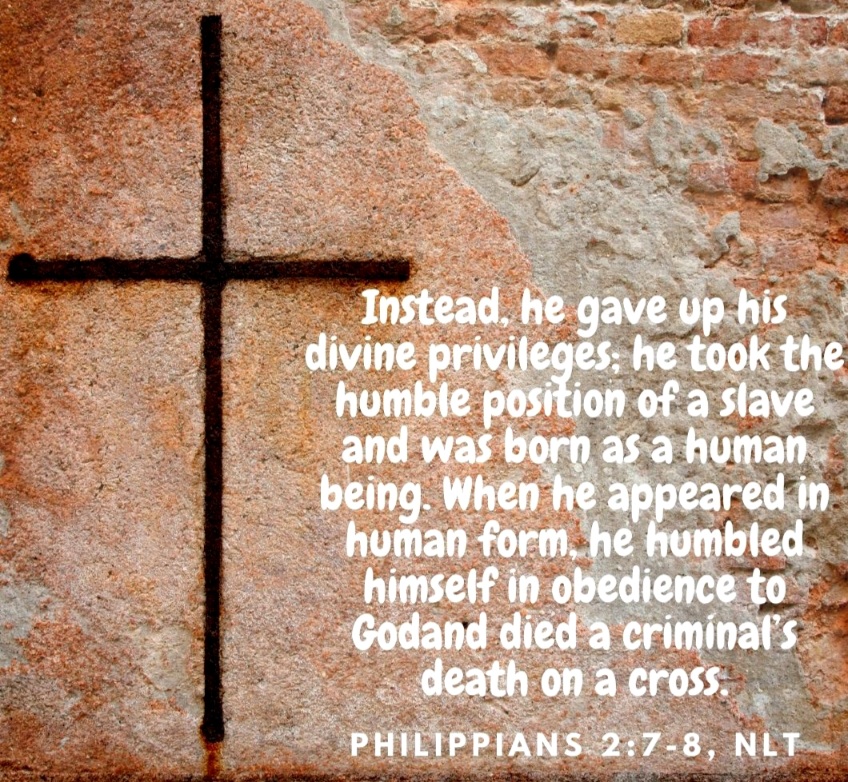
C. Jesus chose to make the sacrifice.
In the middle of Jesus’ teachings about the Good Shepherd in John 10, Jesus makes the following statement,
10:17 “The reason my Father loves Me is that I lay down* my life—only to take it up again. No one takes it from Me, but I lay it down* of My own accord. I have authority to lay it down* and authority to take it up again.”
This was not the only time John records Jesus mentioning laying down* one’s life. During the Last Supper in John 15:
13b “Greater love has no one than this: to lay down* one’s life for one’s friends. You are My friends if you do what I command. I no longer call you servants, because a servant does not know his master’s business. Instead, I have called you friends, for everything that I learned from My Father, I have made known to you.”,
*Strongs G5087, tithémi: To place, to set, to lay, to appoint, to establish. 100 occurrences.
D. Jesus Prioritized His Relationships…
1. …with His disciples, who had also become His friends (see John 15 quote above). How did He do that?
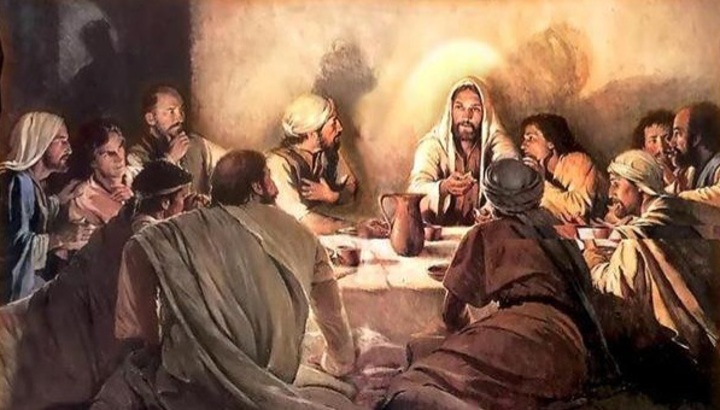
a. By spending quality time with them. “I have earnestly desired to eat this Passover with you.”
b. By warning them about what was to come.
c. By providing final words of assurance, comfort and instruction, mostly recorded in the Gospel according to John.
2. Jesus prioritized His relationship with His Heavenly Father. How?
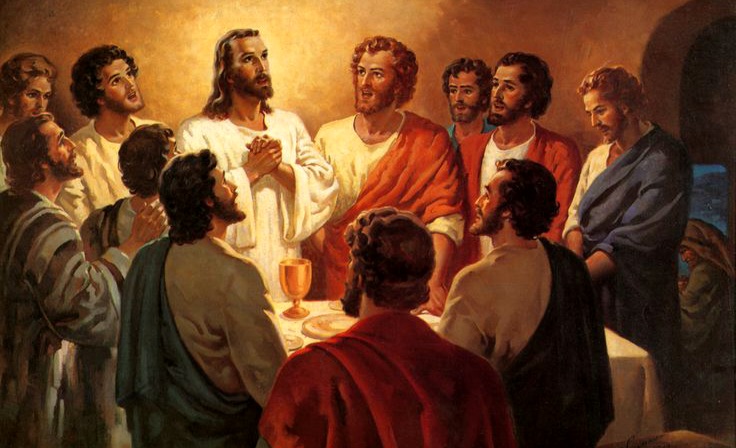
a. By worshipping God, along with His disciples. The ‘hymn’ they sang at the end of the dinner (Seder in Hebrew) would probably have been the last song in the Hallel (means ‘praise’ in Hebrew). The Hallel consists ofPsalms113–118, traditionally sung to celebrate God’s deliverance, especially during Passover.
• Psalms 113–114 were typically sung before the meal.
• Psalms 115–118 were sung after the meal.
• Psalm 118 is the last hymn and is particularly relevant to Jesus’s experience.
In Psalm 118, Jesus was singing about Himself, including His own eventual victory and resurrection, while facing betrayal arrest and death. His followers, like the apostle Peter, later quoted from this same psalm in proclaiming Jesus as the Messiah.
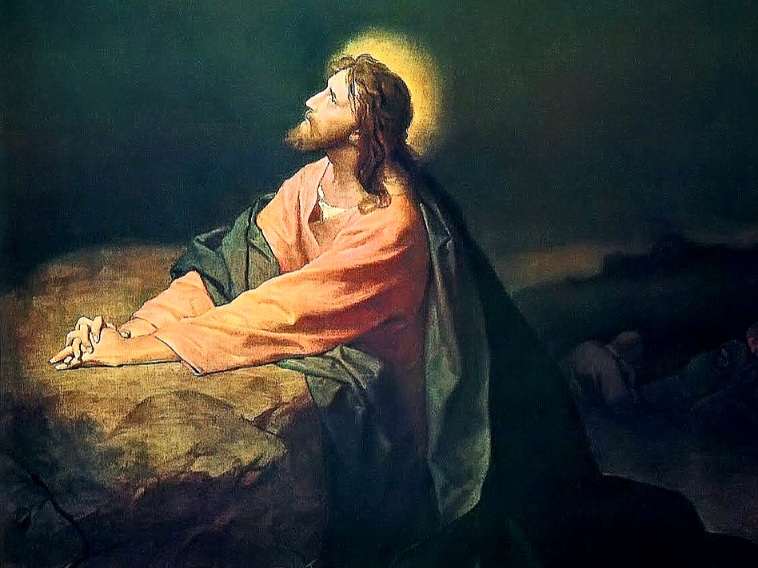
b. Jesus prioritized His relationship with His Heavenly Father…by spending time with Him in prayer in the Garden of Gethsemane, as was His habit.
III. Determination
Jesus respond to His foreknowledge of what would happen to Him and His chosen Twelve in Jerusalem with determination, as well as intentionality. Following are ways I see Jesus exhibited determination in each of the events He foreknew, both from prophecy, and from the revelation of God’s Holy Spirit within Him.

1. In response to the predictions about what would happen in Jerusalem, Jesus was commited to the inevitable.
Jesus “Set His face to go to Jerusalem,” signifying Jesus’ unwavering determination to go to Jerusalem, despite knowing it would lead to His death.
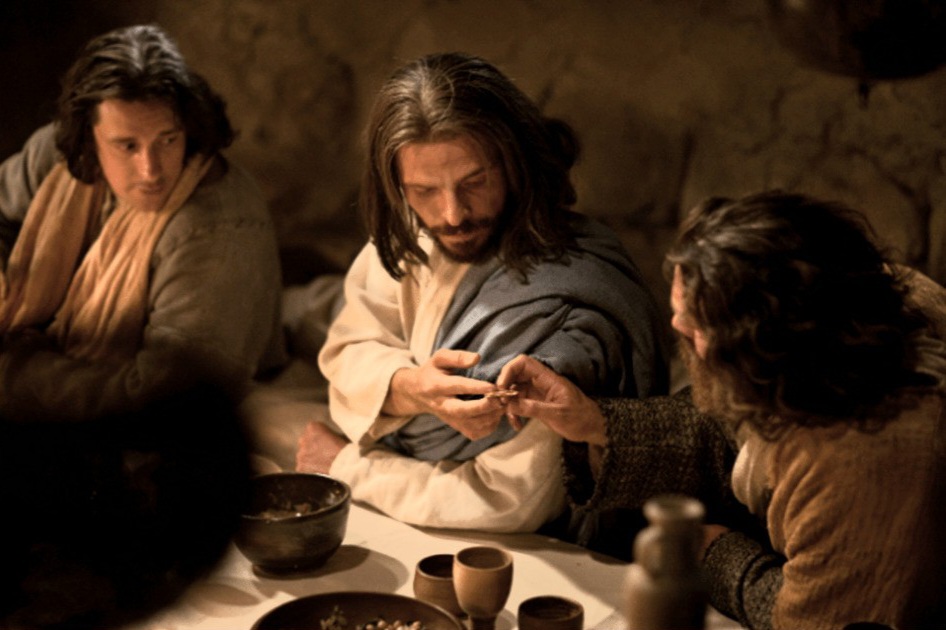
2. Knowing that Judas would betray Him, Jesus accepted the unchangeable.
John 13:27: After Judas had taken the morsel, … Jesus said to him, “What you are going to do, do quickly.”
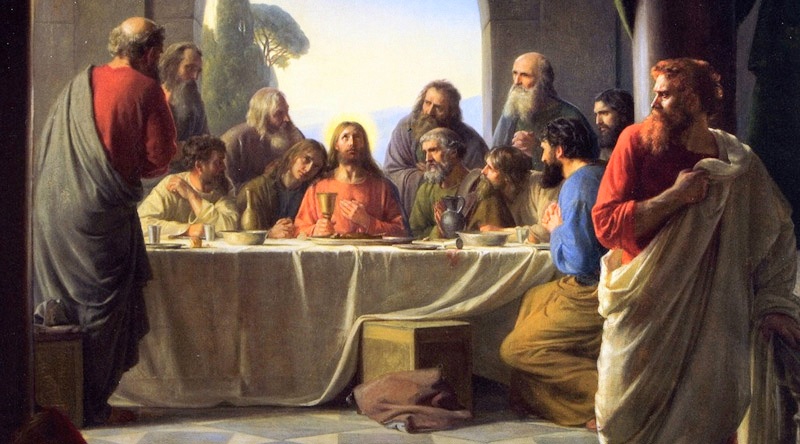
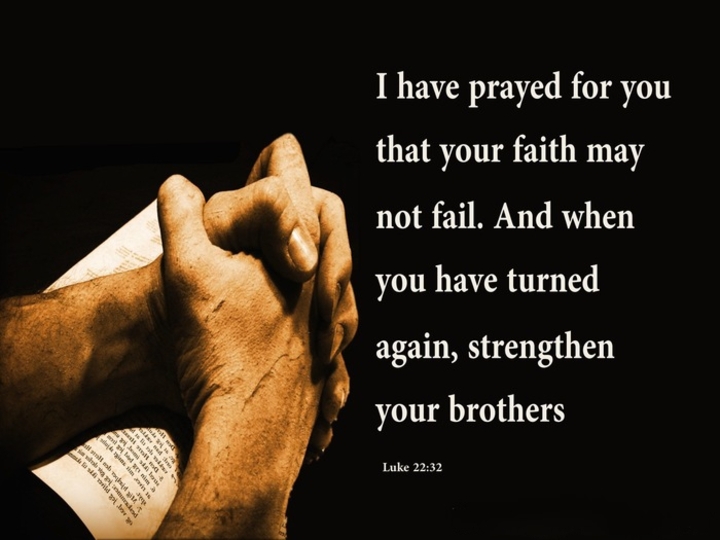
3. Prophesying that Peter would deny even knowing Him, Jesus prayed for the redeemable.

In an expanded telling of this scene in Luke, Jesus told Peter,
4. Knowing when He was about to be arrested, Jesus submitted to the inescapable.
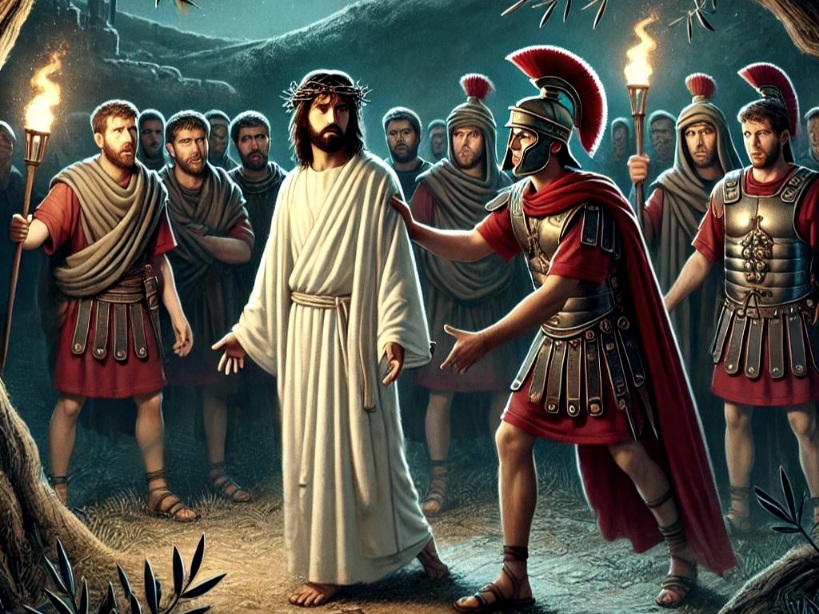
In John’s expanded version of the arrest in his gospel,
18:4 Jesus, knowing all that was going to happen to Him, went out and asked them, “Who is it you want?”
“Jesus of Nazareth,” they replied.
“I am He,” Jesus said.
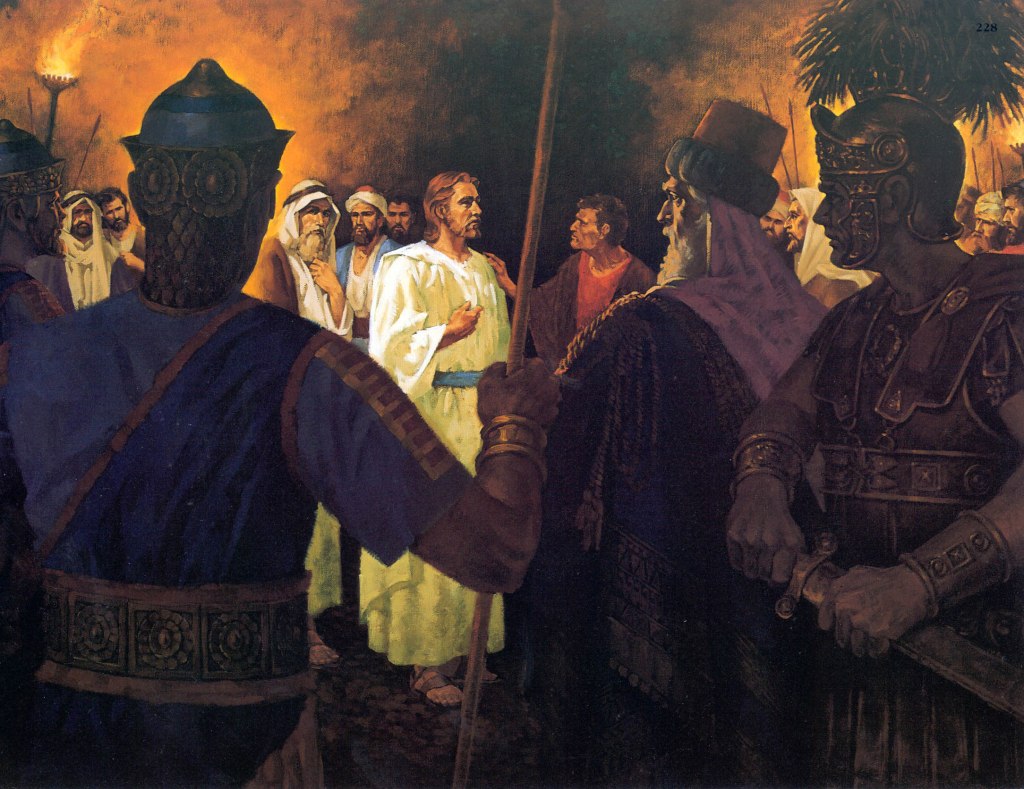
5. Knowing the trials, torture and crucifixion He faced after He was arrested, Jesus set Himself to endured the insufferable.

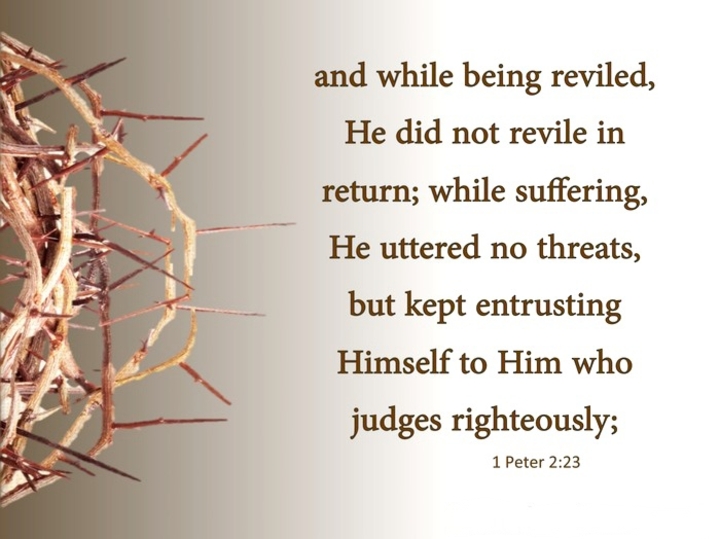
And He kept trusting God:
So, how are we to emulate Jesus in these events? After all, that is our responsibility as ‘little Christs.’ I’ll look at some suggestions from the Bible about how we can do that in Part B.
 Bill's Bible Blog
Leave a comment