Bill's Bible Blog


Tag: bible

, , , ,

  • C5. Interlude – Immanuel, What’s in a Name?, part 1

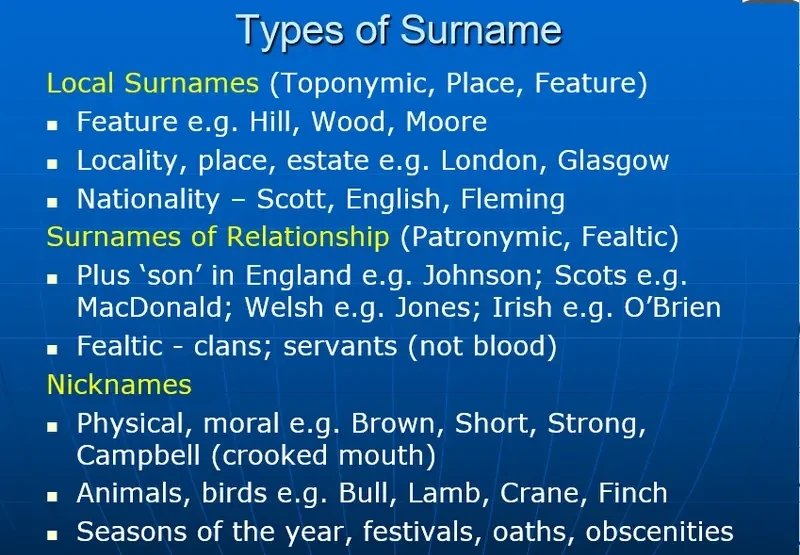
    When I was in the seventh grade, we had a unit in social studies on the historical development and meaning of names. For our homework, we were supposed to ask our parents what our family name meant. Since my parents were divorced, I wasn’t able to ask my father and knew better than to ask my mother, so I just made something up.However, for some reason, this kindled in me an interest in understanding names.

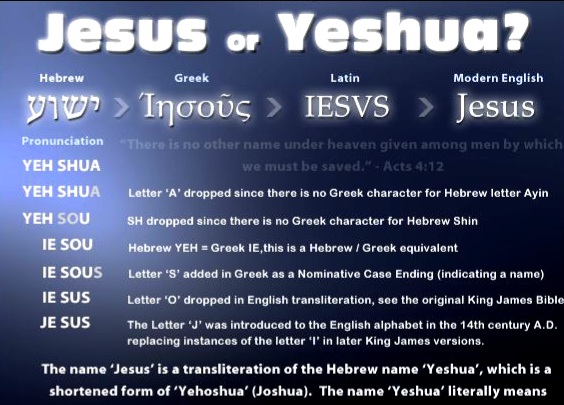
    A year or so later in church, the pastor was talking about Jesus being born and mentioned that the name He was given was the same name as Joshua in the Old Testament in old Hebrew, meaning “God’s Salvation.”

    It became kind of a game over the years for me to match up other names in the New Testament with those in the Old Testament.

    Going back to what I learned about how people in the Old World got their names, I saw how Jesus was called by many names in the gospels.

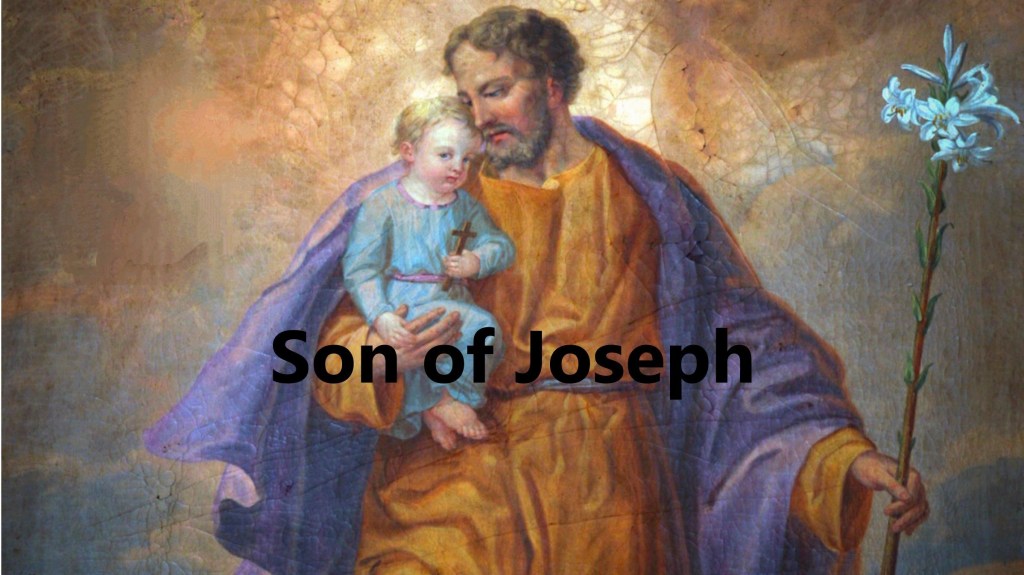
    For example, when He was back home in Nazareth and the surrounding area of Galilee, He was called, “Jesus, Son of Joseph,” or in Aramaic Hebrew, “Bar-Joseph,” to distinguish Him from others in the area who had been named after the O.T. hero, Joshua.

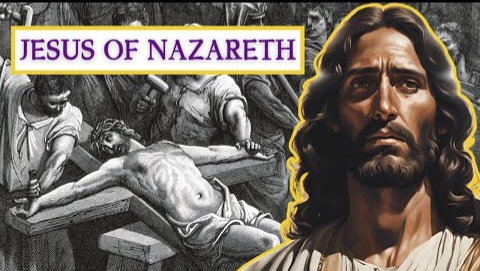
    When Jesus took his ministry south to Judea and Jerusalem, He was called, “Jesus of Nazareth.” Once again, to clearly distinguish Him from other popular figures named ‘Jesus.’
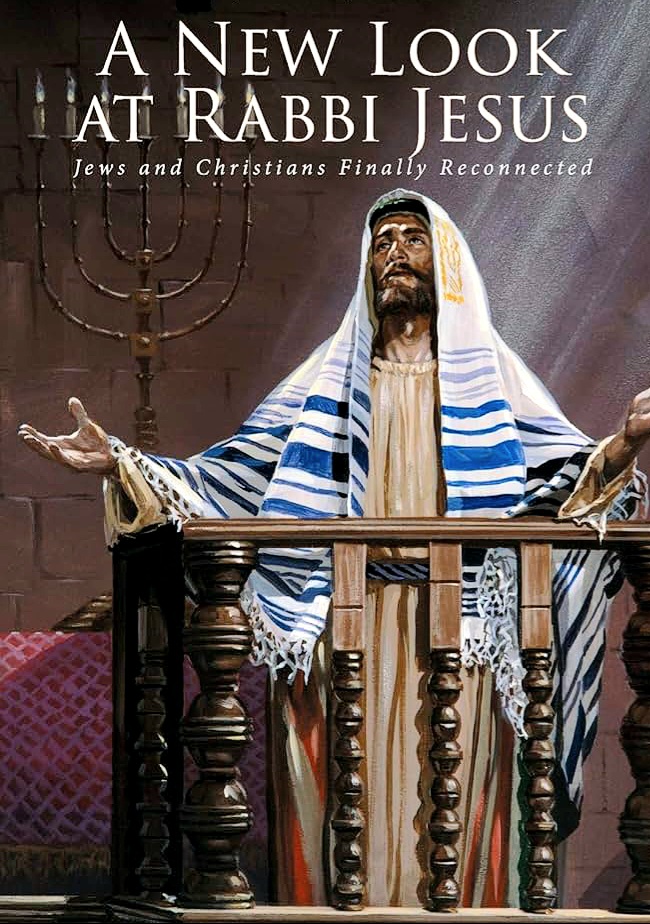
    Jesus was also referred to by various titles. By those who were believers of His teachings, since He was a traveling teacher of the Bible, He was called, “Rabbi Jesus.”

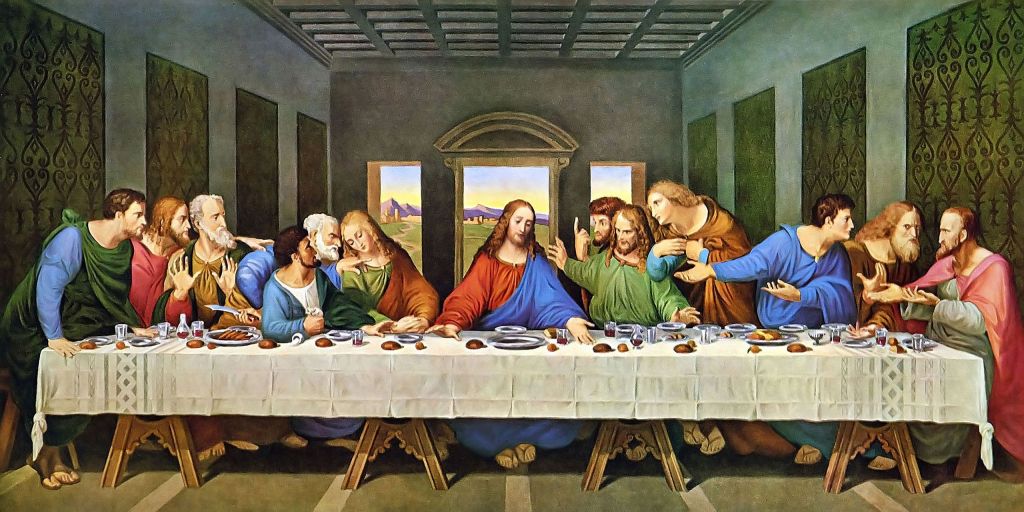
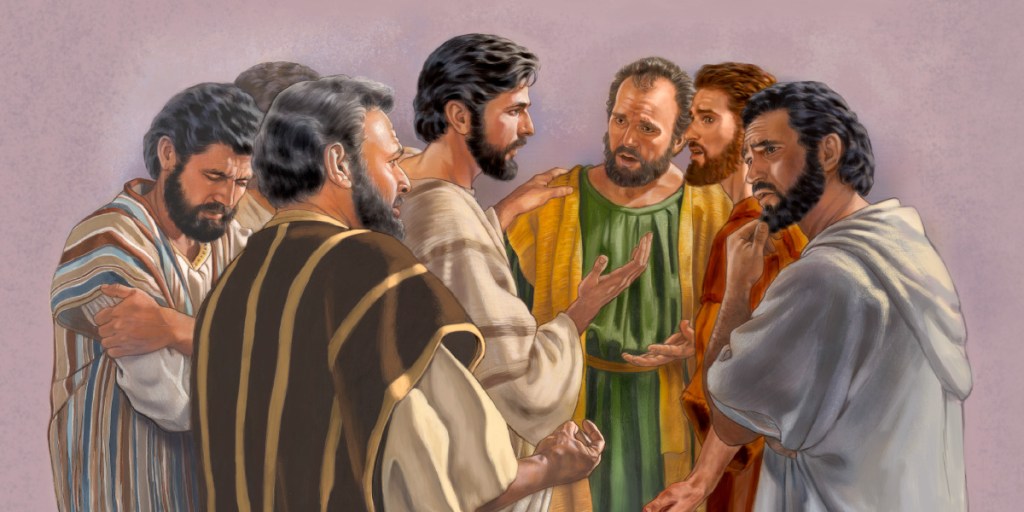
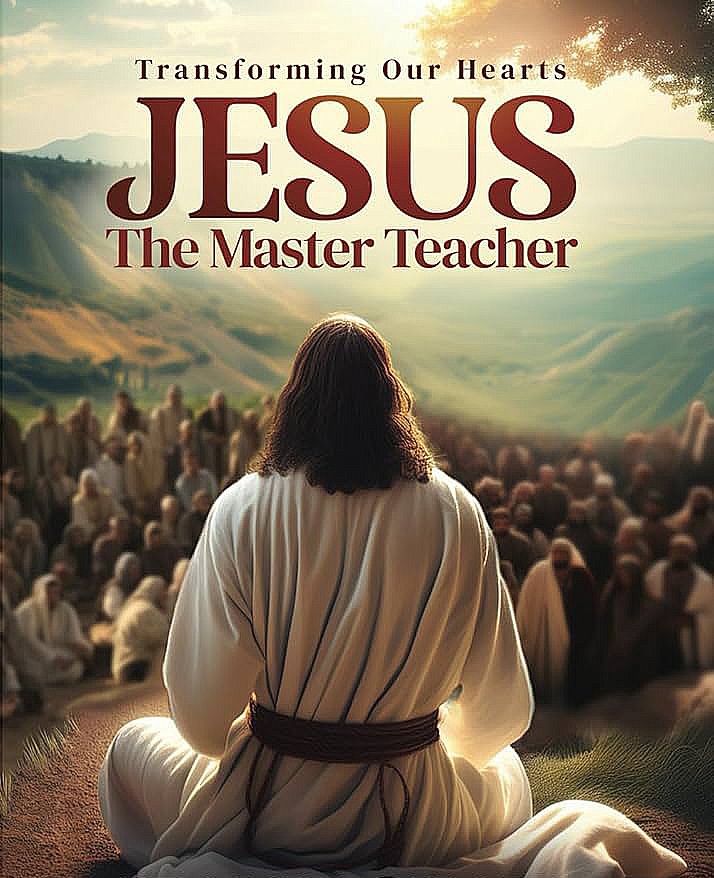
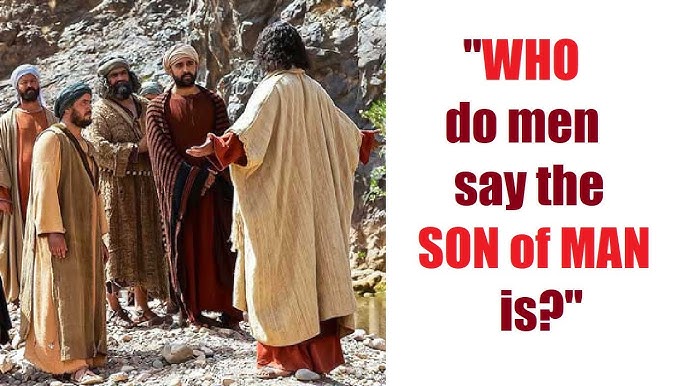
    Those who had committed to following Him as disciples called Him ‘Master.’ One time Jesus asked them…

    “And they said, “Some say John the Baptist, others say Elijah, and others Jeremiah or one of the prophets.” Then Jesus asked them, but…
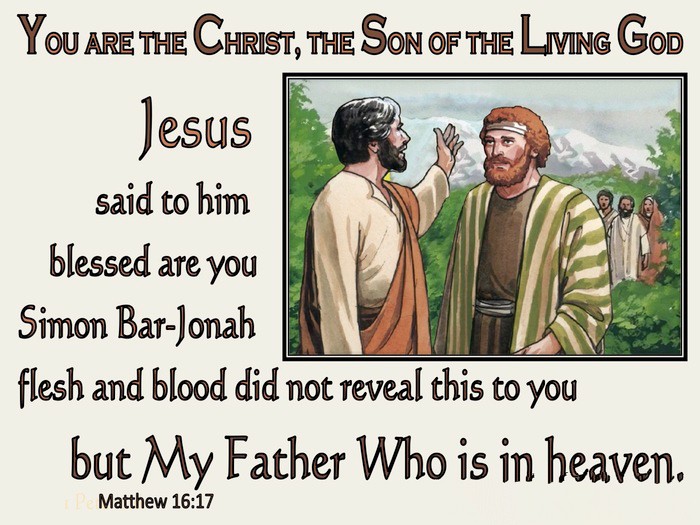
    Simon Peter answered…

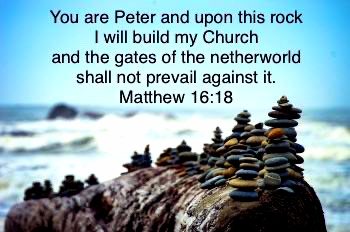
    Simon, named after one of the original sons of Jacob, ‘Simeon,’ got a new name that day. Jesus said…

    There are a lot of things going on with names here!

    First we see the title that Jesus most often called Himself, which in the Aramaic Hebrew of His time was probably, ‘Bar-Nash,’ a way of saying, ‘I’m just another guy,’ and emphasizing His humanity.

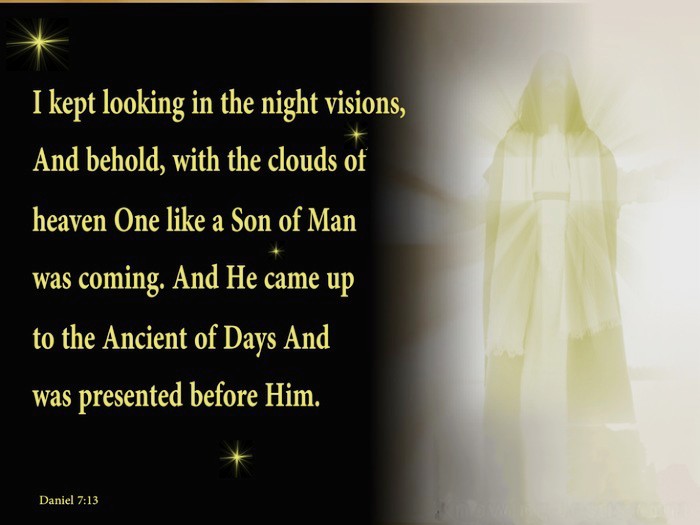
    However, it might also be a reference to Daniel’s vision in Chapter 7, “Bar-Enash,” which could just mean a human being, except Daniel goes on to describe this human figure receiving all dominion and power from God, associated with the Messiah, so this could also be a subtle way for Jesus to declare He is the Messiah.

    In whichever case, Peter’s declaration of faith names Jesus as both the promised Messiah and the actual Son of God. (More on that in a later blog.) AND Jesus affirms Peter’s declaration as being correct.

    The narrative is written from a time in the future, so it gives away that Simon afterward was also known by a second Greek name from the word for a rock, ‘petros.’ Since Jesus spoke and taught in Aramaic, it is thought that He actually used the same Aramaic word that the fortress at Petra was named with, but was later renamed ‘Petra’ by the Romans when they conquered it. So, Peter became known in history by the Greek form.

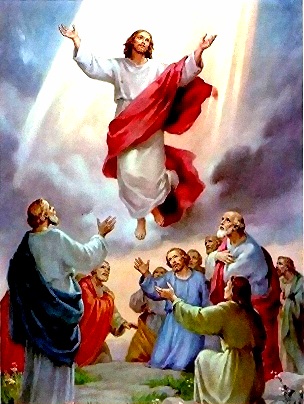
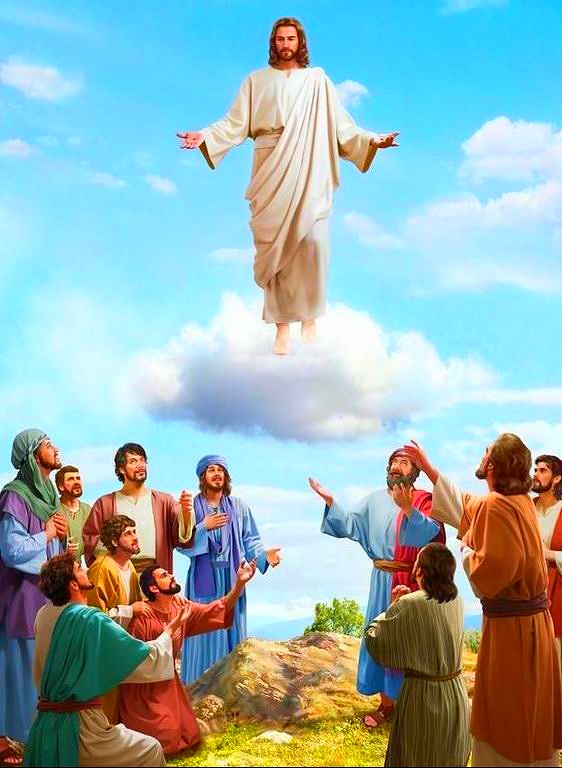
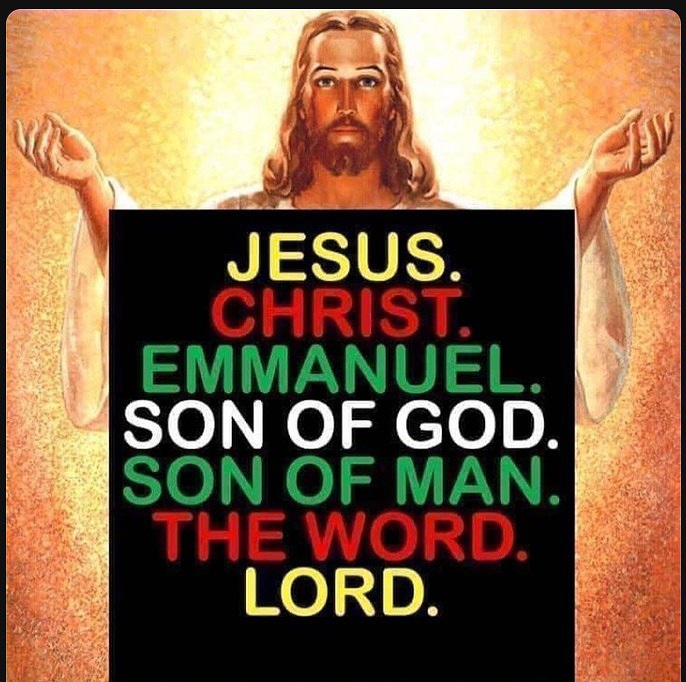
    Now that Jesus has been resurrected, ascended to heaven and given all “power and authority,” His full name with titles is, ‘The Lord Jesus Christ.’
    Among all of these names for Jesus, one is missing. Nowhere outside of the prophesy of Isaiah 7:14 do I see Him actually called ‘Emmanuel,’ This bothered me and I kept the question as to ‘why not?’ in the back burner of my mind for many decades.

    I finally found an answer that has satisfied me.


  • C4. The Promised Messiah and Son, part 2

    (A little Christmas in May.)

    The second prophecy of the Messiah as a son was made by Isaiah sometime between 735 – 734 B.C.

    This prophecy by Isaiah was used in Matthew’s gospel to refer to the birth of Jesus.

    “This all then took place so that what was spoken by the Lord through the prophet Isaiah would be fulfilled: 

    “‘Behold, the virgin will conceive and give birth to a Son…

    The virgin birth is one of the key beliefs for Christiandom. Believing the gospel’s claim that Jesus was born from a girl who had never had sexual relations, and thus was conceived in a miraculous way by God, means that:

    Jesus is Divine, having been begotten directly by God.

    The prophetic Scriptures are Divinely inspired.

    God has the power to work miracles outside the laws of nature.

    AND that Jesus was sinless, thus His sacrifice had the power to redeem us from sin.

    Many critics of Christianity point to the Hebrew word translated ‘virgin” used in Isaiah 7:14, ‘almah,’ as really meaning just a ‘maiden,’ or any young woman such as these might be in the illustration depicting the five wise virgins from Jesus’ parable.

    Their criticism is there is no implication for the young woman being a virgin. To support this assertion, they look at unmarried young women in our society, many of whom are most definitely NOT virgins, and conclude, ‘What is unusual about a healthy young woman suddenly turning up pregnant?’

    Through the 50’s in the United States, girls and women dressed and acted demurely, and it was assumed, correctly so, that teenaged women from religious families WERE virgins at their weddings.

    Then came the sexual revolution of the 60’s when young people were encouraged to experiment with sex and this became less and less true in our society.

    The error in interpretation of this ancient word is assuming their culture was not significantly different than ours. That could not be further from the truth!

    The Middle Eastern culture during the 8th century B.C. when Isaiah lived, as well as before and still, very strictly protects their girls from premature sexual experiences. This was especially true of Israel which was a Theocratic society (ruled by God) where one of the covenantal 10 Comandments specifically forbade ANY kind of extramarital sex.

    “Almah’ is only used 5 times in the Old Testament. Another word is used for a virgin daughter everywhere else, with the difference that ‘almah’ implies a young woman who has matured to the point of being ready for marriage. Otherwise she would not be capable of bearing a child.

    If these points are not convincing enough, the Greek word used for ‘virgin’ in Matthew, ‘parthenos,’ means a virgin, and only a virgin, in the Greek language.

    We believe in the virgin birth and honor Mary above all other women for agreeing to become pregnant by the Holy Spirit, for enduring the censure of appearing to have cheated on her betrothed, for trusting God to work everything out for good, according to His plan and purpose, and for bearing the Savior of the world.


  • C3. The Promised Messiah, also a Son, part 1

    Throughout Old Testament prophecies are promises of God’s ‘Annointed One,’ the Messiah. He would be fully annointed with God’s Holy Spirit, would be a direct representative of God ruling over the world, and would, basically, correct everything that is wrong with the world. In only a few places is the Messiah also referred to as a ‘Son.’

    Psalm 2 (excerpts)
    The Reign of the Lord’s Anointed

    The kings of the earth set themselves,
        and the rulers take counsel together,
        against the Lord and against His Annointed…

    He who sits in the heavens laughs;
        the Lord holds them in derision.
    Then He will speak to them in his wrath,
        and terrify them in His fury…

    The Lord said to me, “You are my Son;
        today I have begotten You.

    Now therefore, O kings, be wise;
        be warned, O rulers of the earth.
    Serve the Lord with fear,
        and rejoice with trembling.
    Do homage to the Son, lest he be angry
        and you perish along the way,
        for his wrath will soon be kindled.

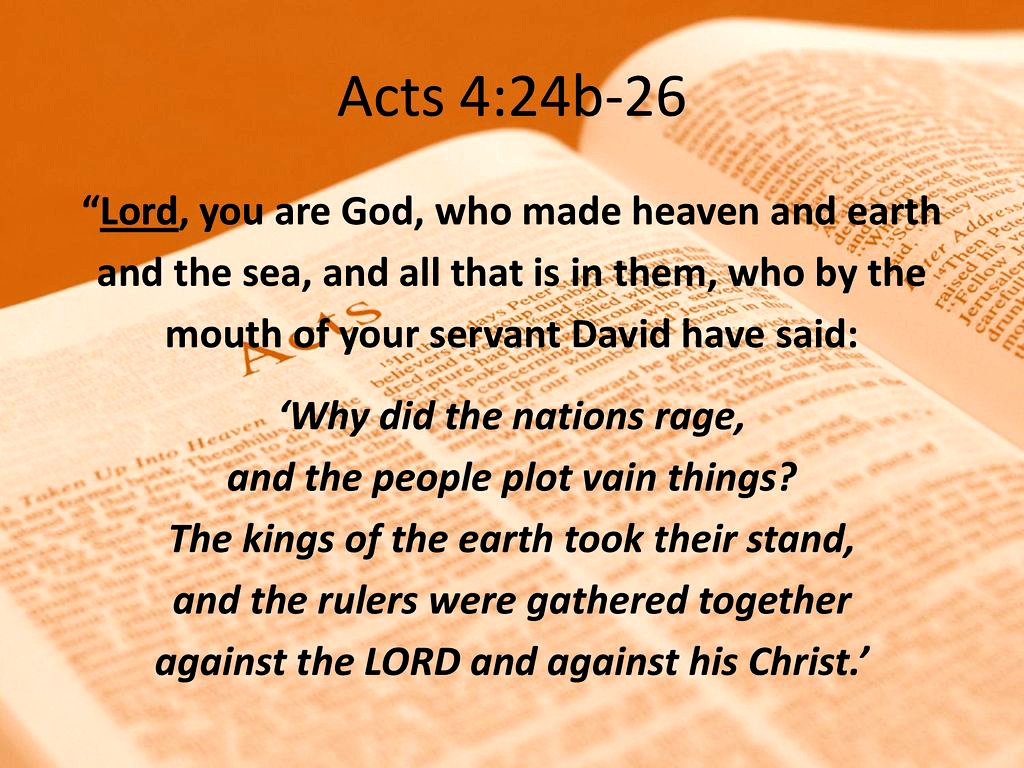
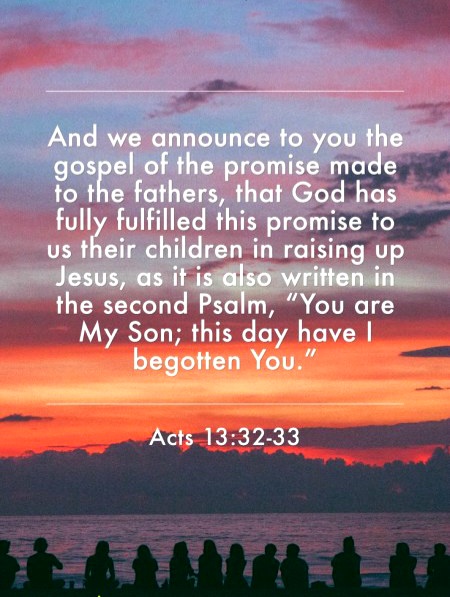
    This Psalm was written in 1044 BC and God’s Annointed is here first identified as also being God’s Begotten Son. Parts of this Psalm are quoted and applied to Jesus in the New Testament writings. For example, in this prayer recorded in Acts 4:24-28:

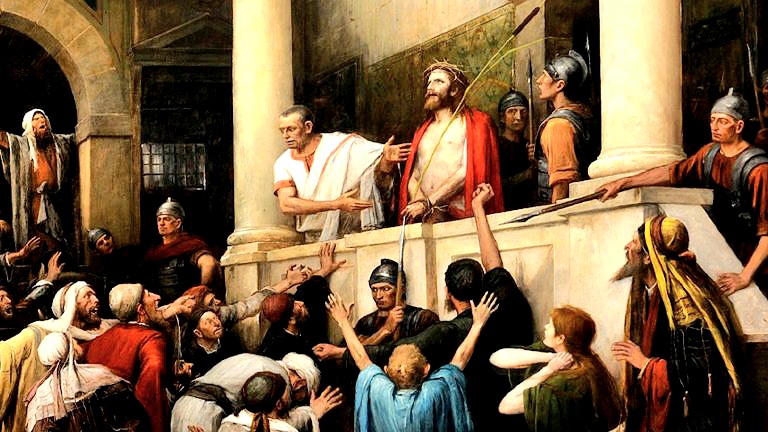
    “For truly in this city there were gathered together against your holy servant Jesus, whom You anointed, both Herod and Pontius Pilate, along with the Gentiles and the peoples of Israel, to do whatever Your hand and Your plan had predestined to take place.”

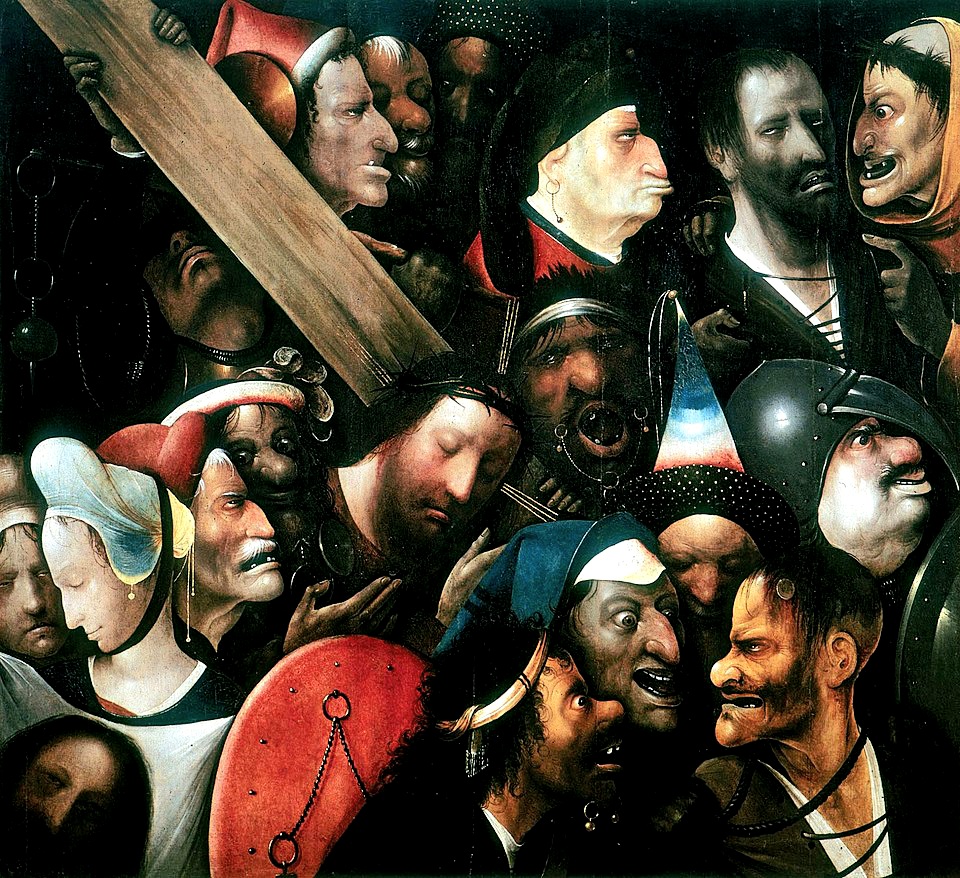
    “Christ Carrying the Cross” painting by Hieronymus Bosch, circa 1515-1516, featuring faces from different ethnic groups of his time representing the nations raging at Jesus during His crucifixion.

    Essentially these early Christians are saying this prophecy was fulfilled about 1,075 years later in Jesus as God’s Annointed One (the Christ).

    A NOTE ABOUT INTERPRETING PROPHECY

    Our head pastor @jdgreear.com, points out that prophecies often have an immediate application, as well as a future application. The nonbelieving Jews do not accept the Christian interpretation of Psalm 2. They say the ‘annointed’ referenced in it is King David and that God calls him a ‘son’ as a term of endearment. This would be the immediate application.

    One of the things Jesus taught His disciples was how their Scriptures (our Old Testament) prophesied about Him. We see many of those examples recorded in the gospels, but we also see many more referenced in later writings, such as another one in from Psalm 2 in Acts 13. These are the future applications to Jesus Christ.

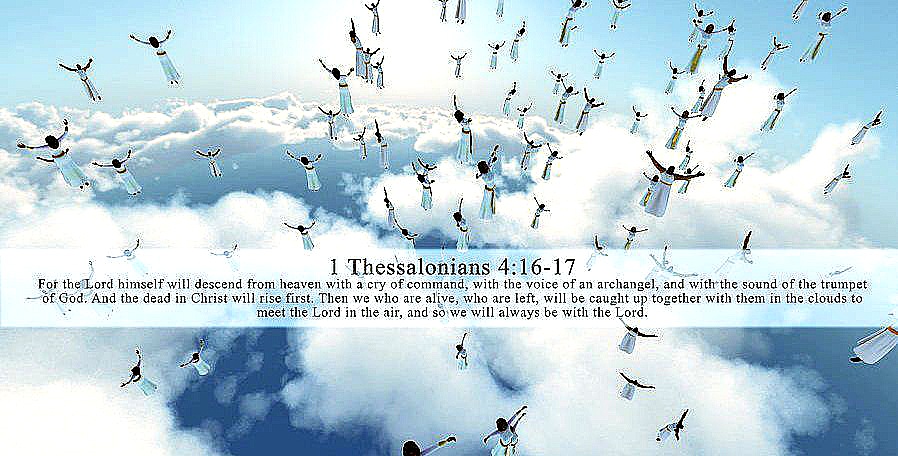
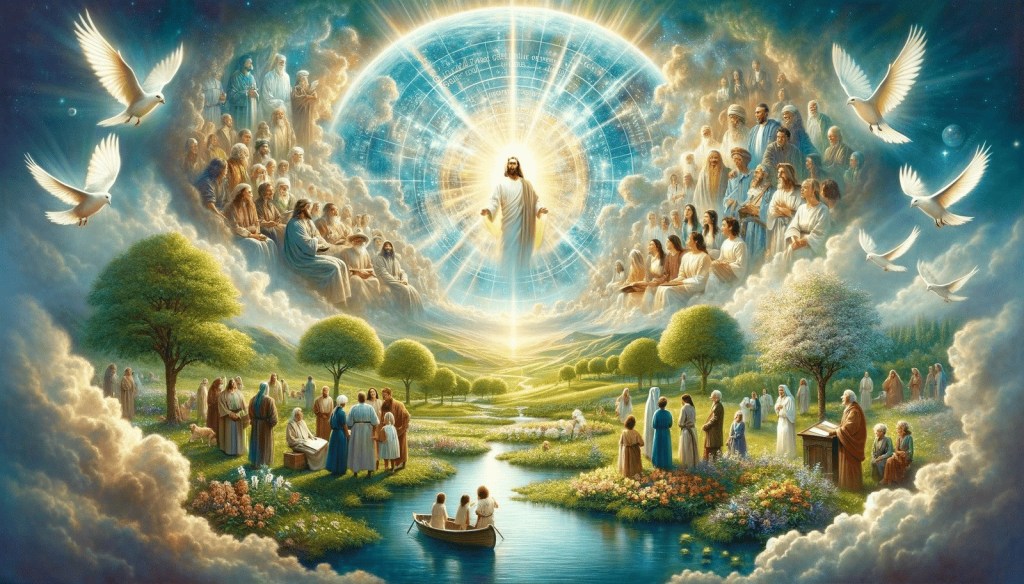
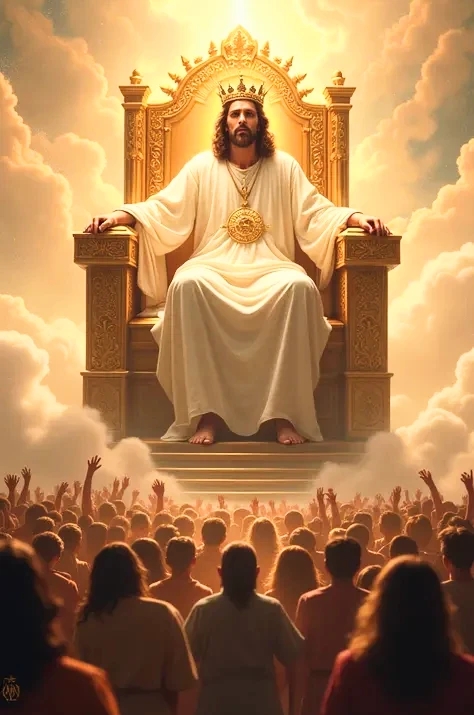
    Those Jews who DO see Psalm 2 as a Messianic prophecy focus on His establishment as the ruler of the world. We as Christians believe this is still a future event to come at Jesus’ second coming and at the end of the age as recorded in Revelation 21, when creation is made new and God’s Holy City comes down from heaven to earth with God/Jesus ruling the world.

    Amen, Lord Jesus, come quickly.


  • Is this your new site? Log in to activate admin features and dismiss this message
    Log In