Our theme for February is Remember God’s Blessings.
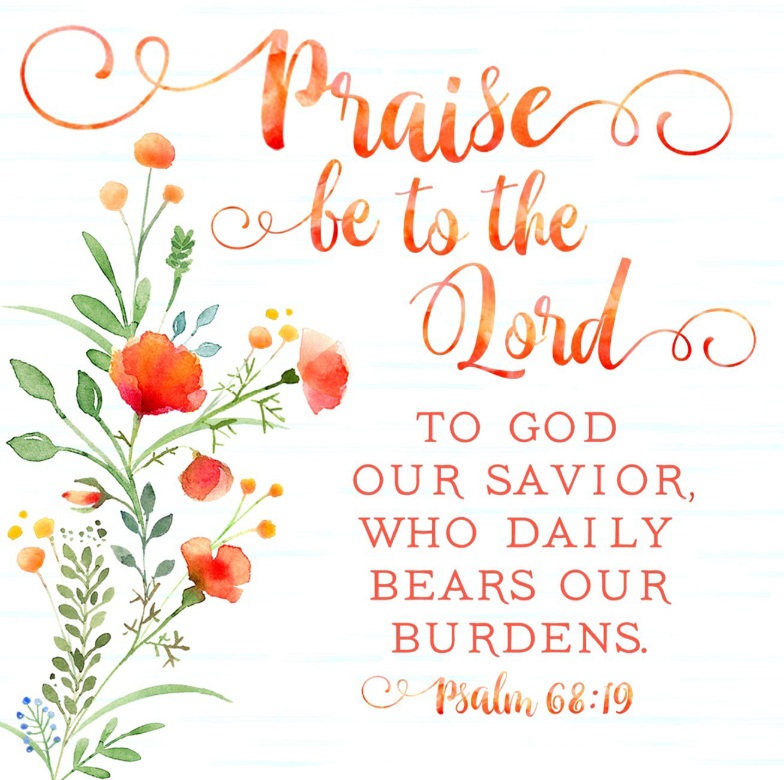
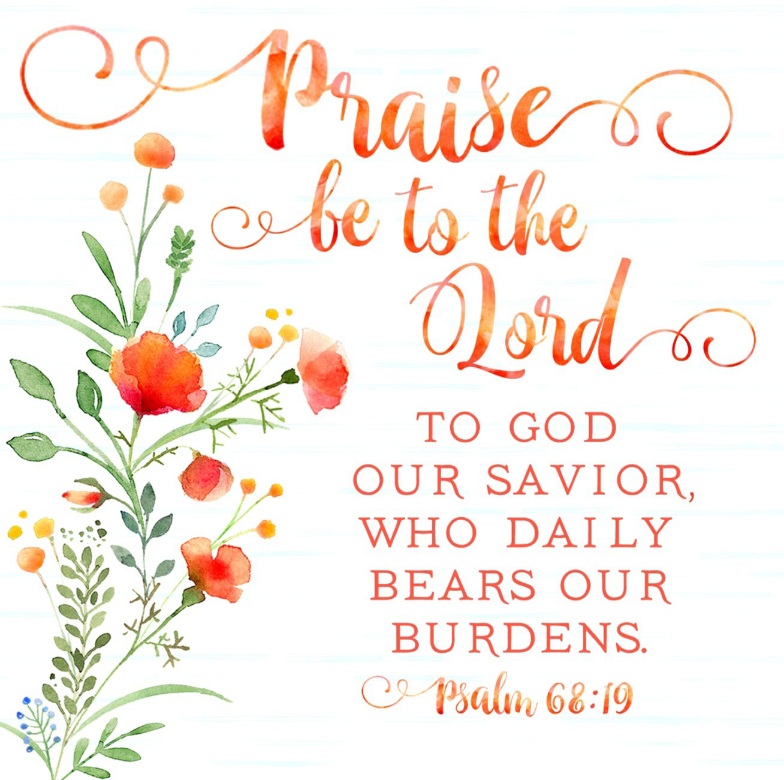
For week 3, the verse is Psalm 68:19 – Remember how He has borne our burdens!
It seems there are a couple of elements to this verse that we can do a deeper dive on.
I. “God our Savior.” This is a verse in the Old Testament. As a New Testament believer, I’ve always thought of my Savior as Jesus Christ. He’s the One who came from God, to suffer and die to pay the penalty for my sins so that I will be saved from the Judgment and eternal condemnation. So, what did the Jews think when they said, “God our Savior“?
Salvation in the Pentateuch:
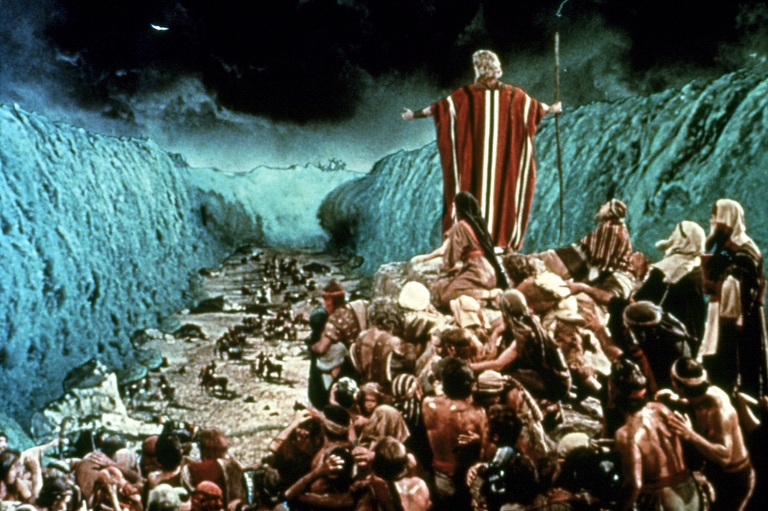
In Exodus, God’s salvation of the Israelites from Egypt, especially the parting of the Red Sea, forms the foundation of the Jewish faith.
Later books of the Old Testament frequently reflect on that event so that Israel’s later generations remember God’s salvation of their ancestors as the foundation of their national identity. (See Pastor J.D. Greear’s series on Exodus.)
Salvation in the Historical Books:
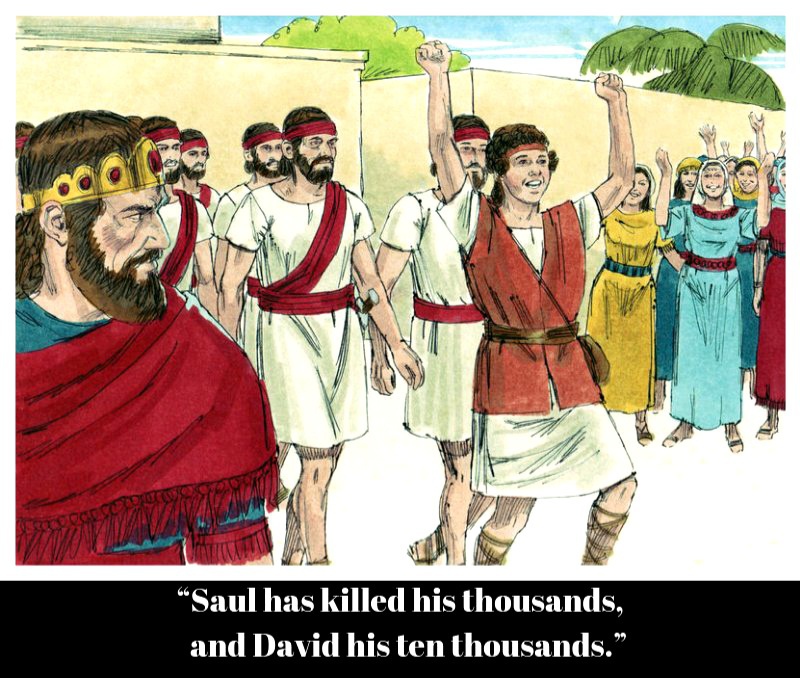
During the conquest and settlement of Canaan, salvation was experienced repeatedly through God-raised deliverers. Joshua’s victories, the judges’ rescues, and the military triumphs under Saul and David, all portray God’s salvation as tangible victory over enemies.
Salvation in the Wisdom Literature:
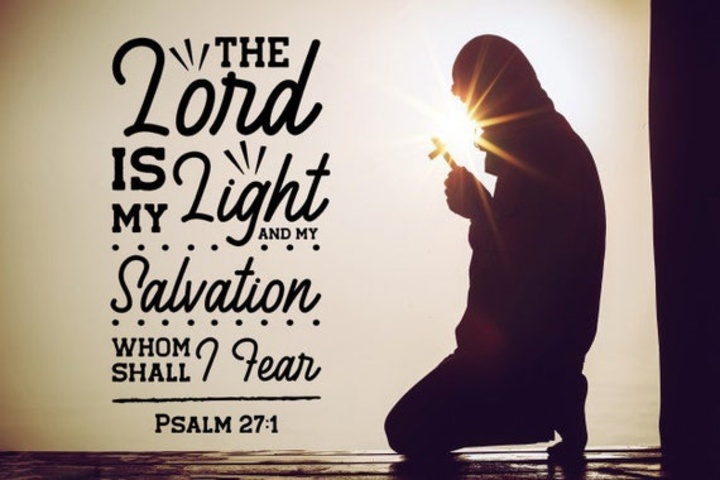
In Psalms, salvation moves from the battlefield to the prayer closet. Personal problems replace national problems, but the action remains unchanged: crying out to the living God for salvation in the middle of sickness, slander, or sin.
Salvation in the Prophets:
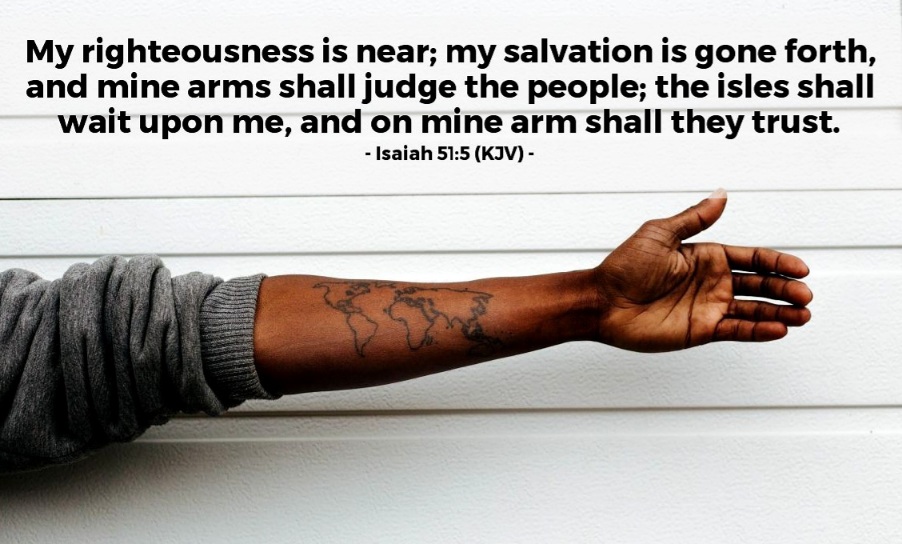
The Prophets broaden the concept of God’s salvation. Isaiah links salvation with the revealing of God’s righteousness at some future time.

Isaiah’s Servant Songs climax in the proclamation that God’s salvation will reach “to the ends of the earth”. Jeremiah and Ezekiel speak of future salvation following God’s judgment.
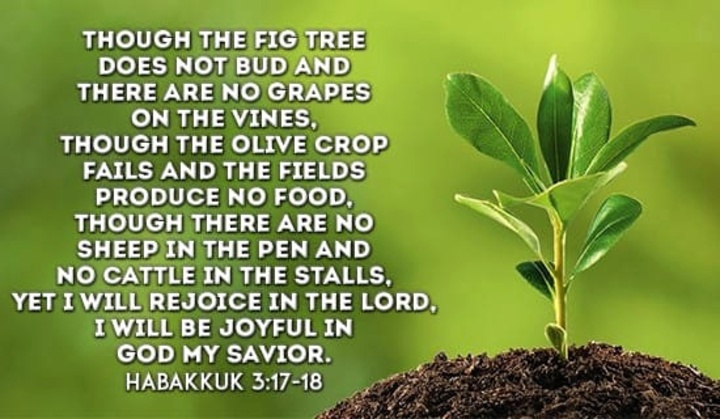
Habakkuk shows that even when circumstances worsened for Israel, the covenantal relationship between God and His chosen people guarantees ultimate salvation by God their Savior.
Messianic Foreshadowing:
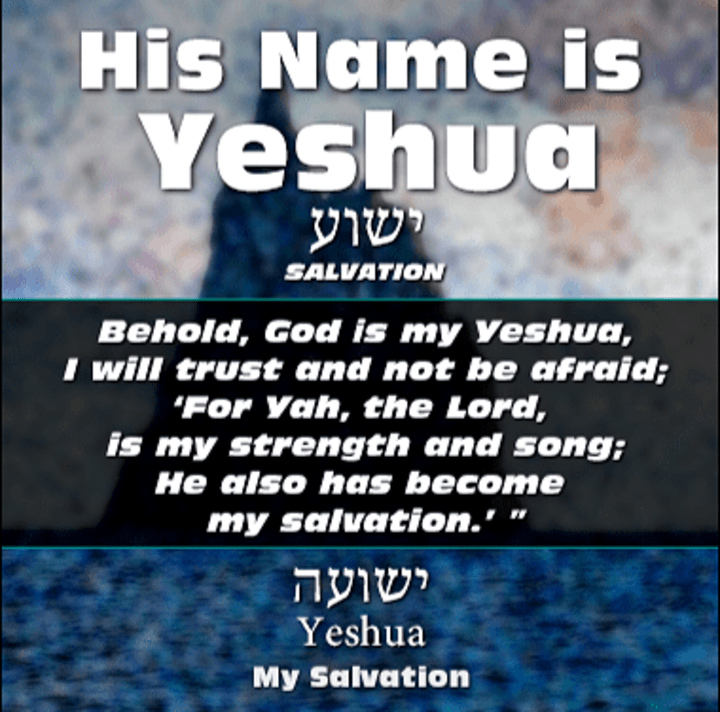
Because the name “Jesus,” or “Yeshua” in Hebrew, is from this same word for salvation, it becomes a connection from the Old Testament’s promised Messiah to the New Testament’s revealed Christ.

We see another connection between the two Testaments when Isaiah’s declaration that, “God is my salvation”, is echoed in Simeon’s declaration recorded in Luke. When he sees the infant Jesus, he declares, “My eyes have seen Your salvation.” So, the concept of ‘God our Savior,‘ and “Jesus Christ, our Savior,” are closely related in the Old and New Testaments of the Bible.
II. The second concept in our verse for the week I thought might be worth a closer look is the concept of “daily,” or literally in Hebrew, “day by day,” also translated ‘day after day.’ We would just say, ‘every day.‘ Let’s look at some of the things in Psalms about our relating with God and He with us on a daily basis.
What we need to do:


What can we expect from God?

And from our verse this week…
So, let’s take time this week to remember how God has helped bear your burdens.
POSTLOGUE:

There is a beautiful song from Godspell in the 70’s that we used to sing in contemporary worship services. It also summarizes how we as disciples should relate to Jesus “Day by Day.”
Lyrics
Day by day,
Day by day,
Oh, Dear Lord
Three things I pray;
To see Thee more clearly,
Love Thee more dearly,
Follow Thee more nearly,
Day by day,
Day by day…

 Bill's Bible Blog