2. Mount of Transfiguration
The second time God spoke an affirmation from heaven of Jesus as His Son was at an event called the “Mount of Transfiguration.” Here’s an account in story form assembled from the three synoptic gospels, Matthew, Mark and Luke.

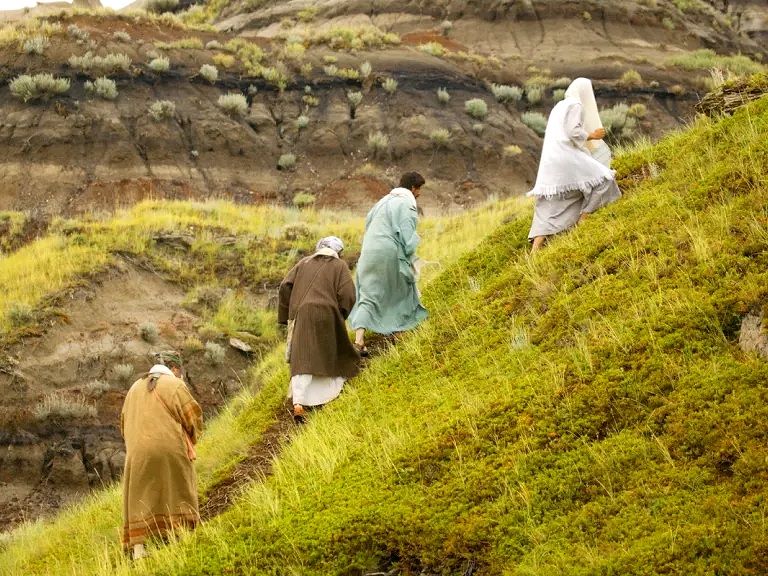
One day while Jesus and His disciples were passing by the tallest mountain in southeast Galilee, Jesus took Peter, and the two brothers, James and John, up the mountain for some alone time and to pray. When they got at the top, the three disciples made themselves comfortable on the ground and Jesus walked up to the summit where He began to pray.
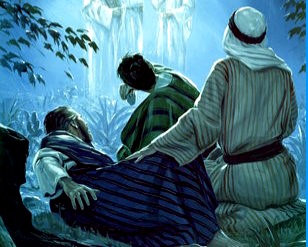
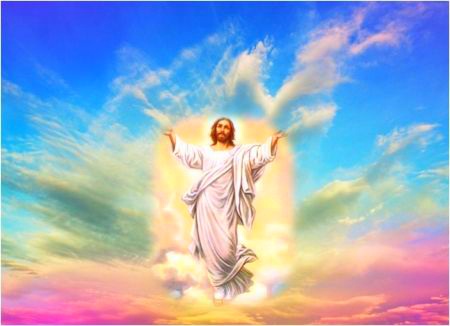
Just as the three disciples were nodding off, they began to hear the murmur of voices and the light started to become brighter. The three looked up to see what was happening and they saw the light was actually coming from Jesus! Even as they watched, the skin of His face shone brighter and brighter like the sun, and His clothes shone whiter than any laundry could make them.
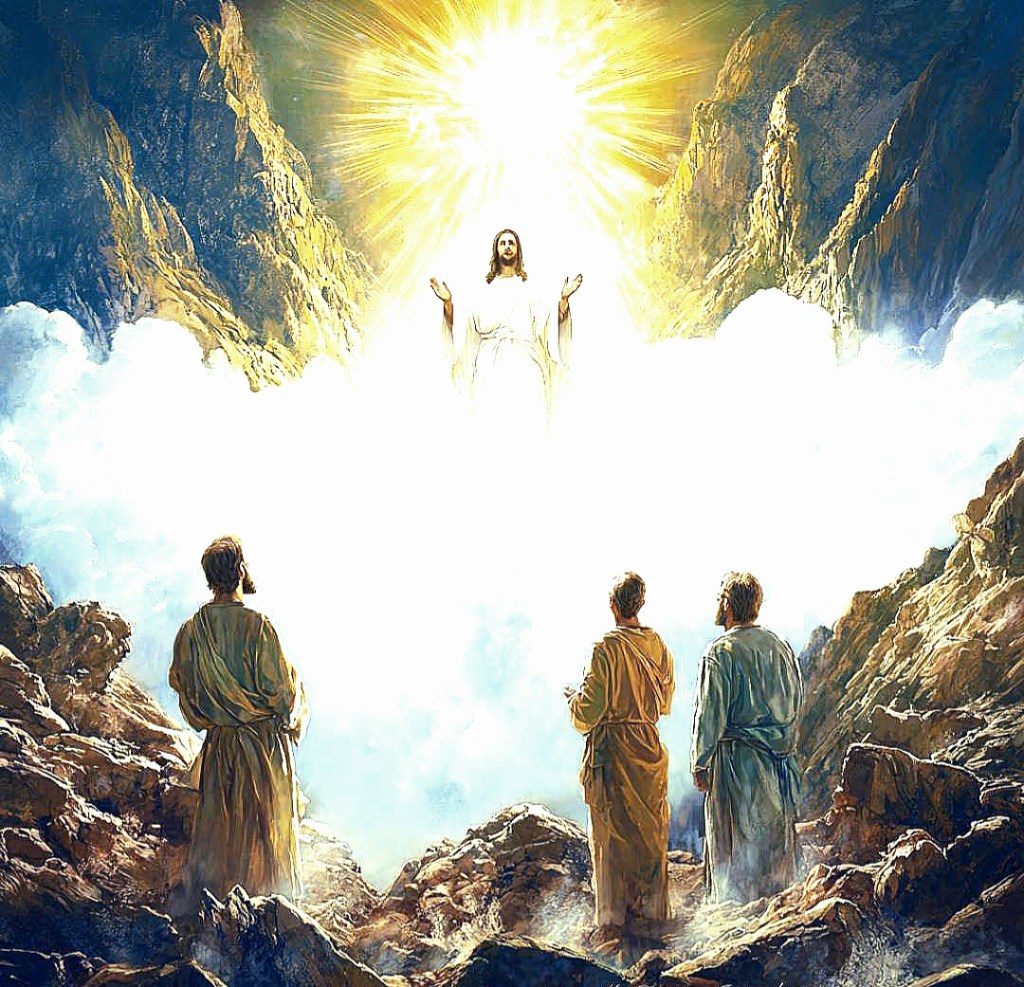
Appearing on either side of Jesus and talking with Him about what was going to happen when Jesus went to Jerusalem, were two glowing figures who could be none other than Moses and Elijah!
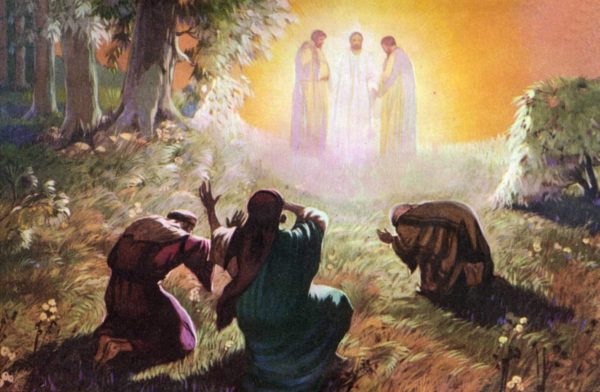
The three disciples were awestruck and didn’t know how to respond. Peter blurted out mindlessly, “Master, I’m so glad to be here to witness this glorious event. I want to put up three shrines, one for each of you…”
As Peter was babbling, a bright, white cloud had been forming directly above them. It became so big and so bright that it caught the three disciples’ attention and they looked up at it, beginning to be frightened, wondering what it might be. Peter even fell silent.
Suddenly a loud voice thundered from the sky,
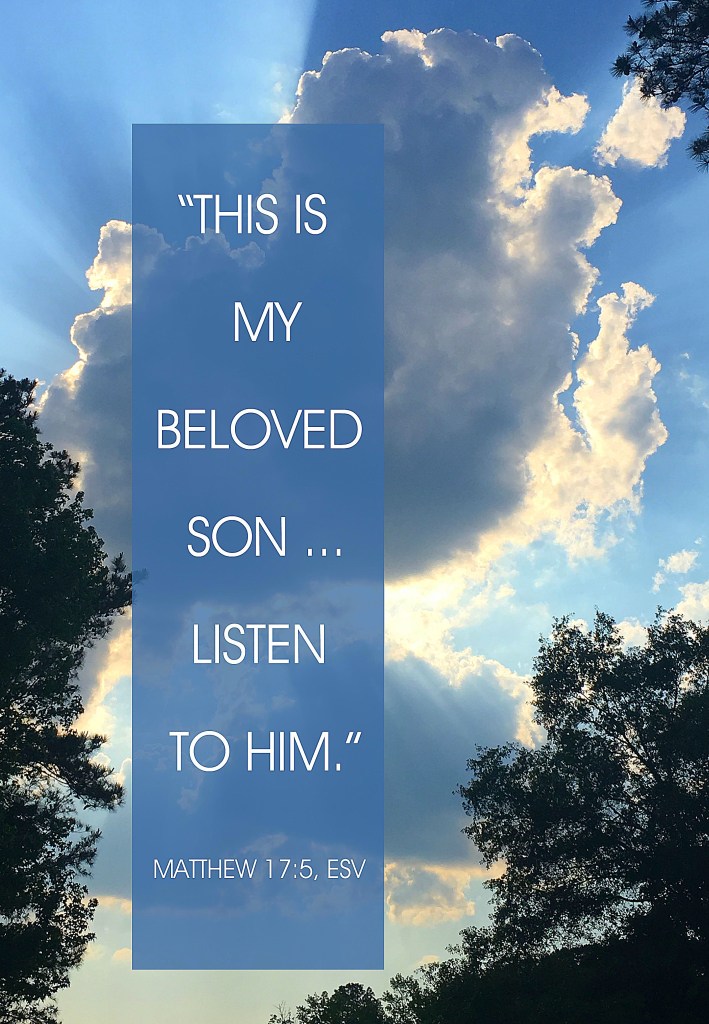
This was just too much for the terrified disciples as they fell flat on their faces on the ground and lay there shaking and moaning in terror.
When the echoes of the thunder died away, the bright light also faded. Jesus walked down to them and gently touched each in turn, telling them they could get up.
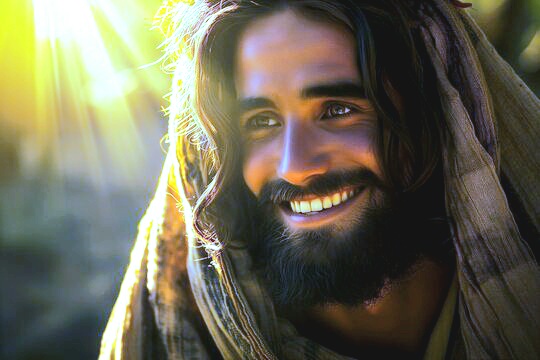
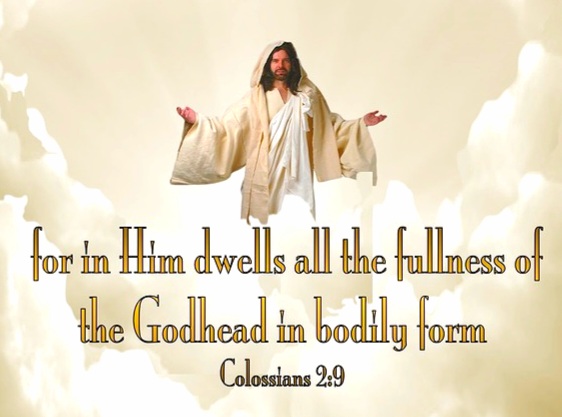
As the three cowering disciples shakily arose and looked around, they saw the bright cloud and two glowing figures were gone. All that was left was the ordinary, everyday Jesus that they had been following for the last 3 years.
Jesus motioned for them to begin the trek back down the mountain. As they were walking, Jesus sternly charged them not to say anything about what they had seen and heard until after He was raised from the dead. The frazzled disciples didn’t really understand what Jesus was talking about, but they readily agreed to tell no one about their harrowing experience.
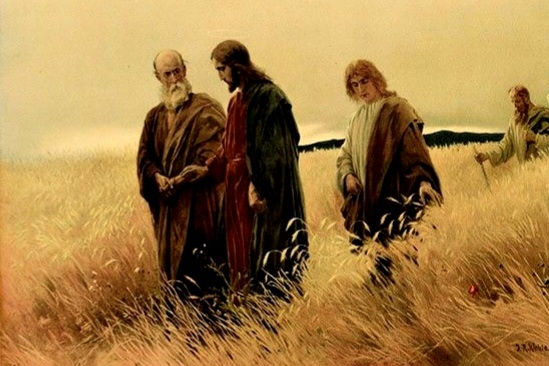
When the three disciples rejoined their companions below, none of the three said anything to anybody about what had happened with Jesus above, no matter how much they were asked and how badly the others wanted to know.
IMPORTANCE FOR US
The Apostle Peter later wrote of the importance of hearing God’s direct affirmation of Jesus as His Son,
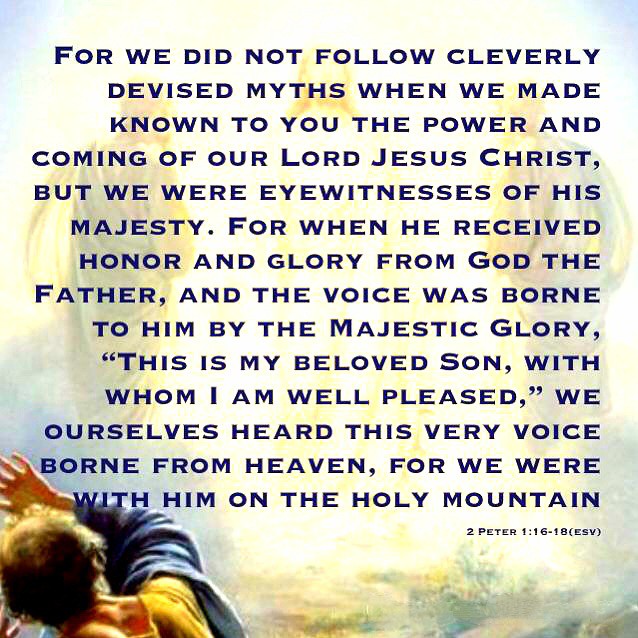
.. And we have the prophetic word more fully confirmed.” 2 Peter 1:19a
Do you sometimes feel the need to have God’s word more fully confirmed in your life? I know how uncertainty can weigh on someone. It would be nice to have some kind of miraculous event like the Transfiguration to assure us…but we don’t. We just have the Bible with its eyewitness accounts and faithful recording of God’s and Jesus’ words.
When you see a Scripture repeated multiple times in the Bible, you should take note because that means it is important. Here is one:

The original spoken by God to the prophet Habakkuk as the Chaldeans were invading Israel reads:
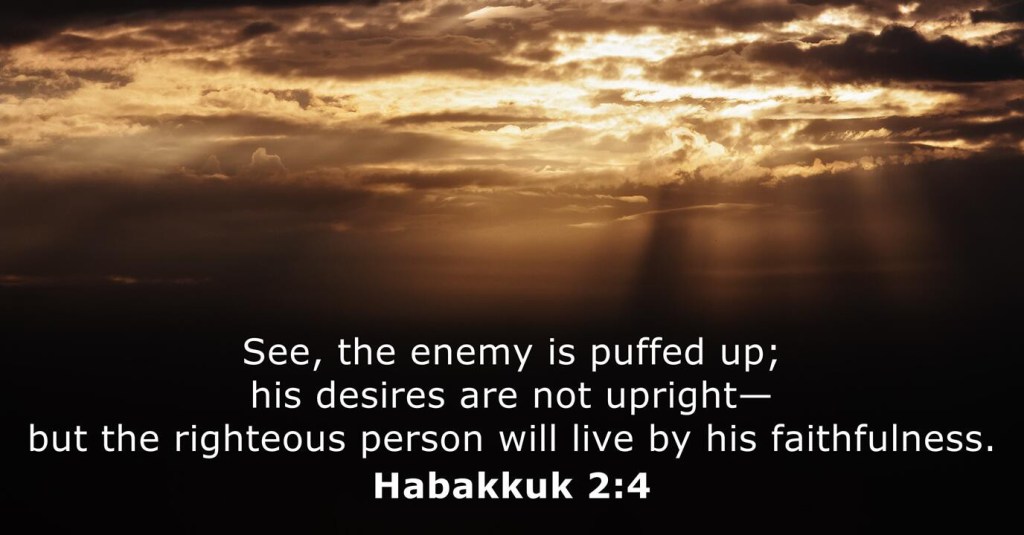
Hebrew meaning of the last word: faithfulness, fidelity, steadfastness, trust, faith.
The faithful are contrasted with the proud (puffed up), that is people (in the immediate case the invading Chaldeans) who are not considered upright, not living a straight life, not in right relationship with God, and therefore not pleasing to God.
This verse is quoted three times in the New Testament:
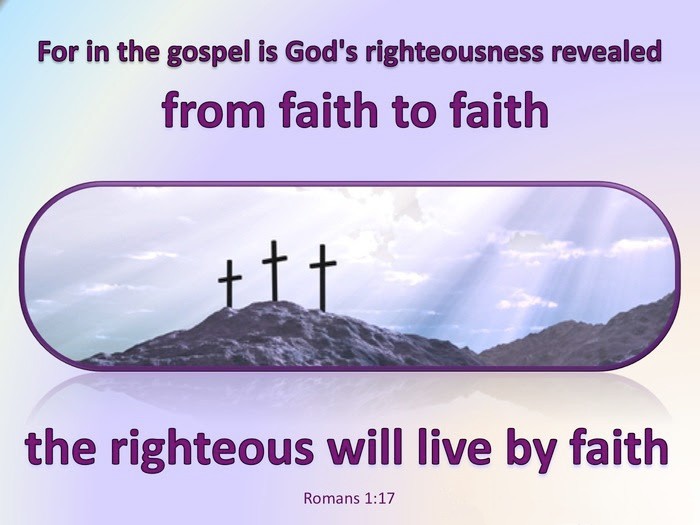
Greek meaning of the last word: faith, belief, trust, confidence; fidelity, faithfulness.
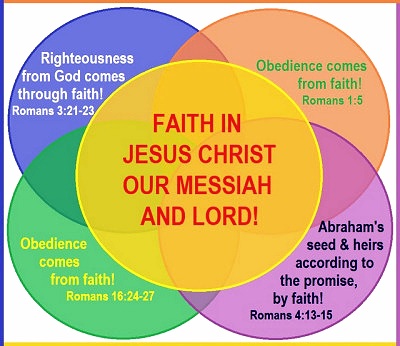
Paul applies Habakkuk’s ‘life of faithfulness’ to faith in the gospel, where God has revealed His righteousness in sacrificing His Son, Jesus Christ, to pay the penalty for our sins and therefore reconcile us with Himself, that is restore us to right standing with Him. Thus OUR faith is in something that is in our ‘rear view mirror,’ the past event of Jesus’ sacrifice detailed in the New Testament.

Paul next contrasts the life of faith with the Jews who placed their reliance on right standing with God by keeping the Law of Moses. The Law served a purpose in preserving a people of faith through which the Messiah could come, but the Jews of Jesus’ and Paul’s day had turned the Law of Moses into a performance-driven religion rather than the life of faith that God had intended.
The last quotation contains elements of the Septuigent translation into Greek:
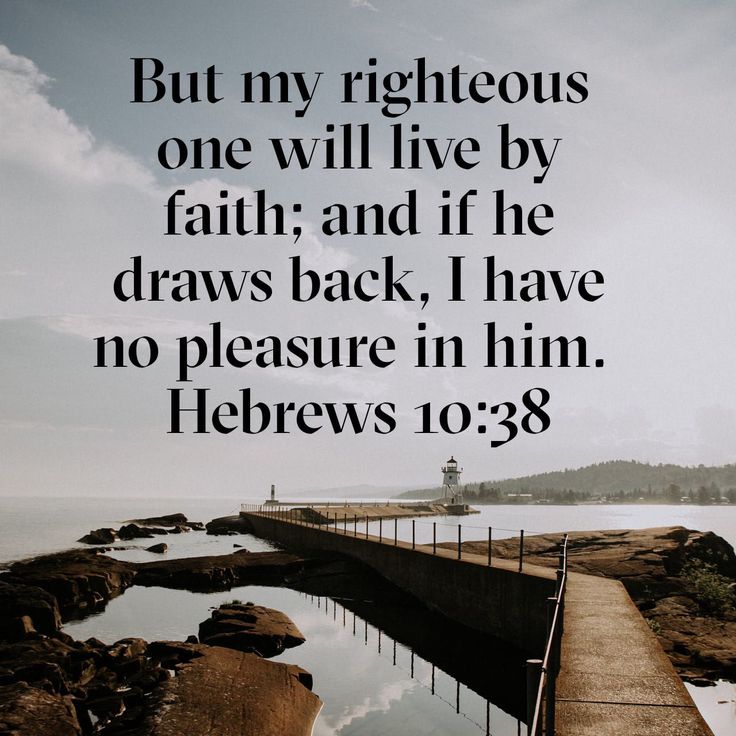
…which emphasizes the importance of FAITHFULNESS, trusting God first, foremost and always. This echoes Paul’s ‘from faith to faith,’ which can be interpreted to mean the Christian life starts with faith and then continues in faith to the end. If you’re struggling with your faith, consider praying this prayer of faith below from when you feel the need for some assurance or confirmation:

Like our spiritual forefather, Abraham, we must CHOOSE to believe what God and Jesus, God’s Son, have said and done. It can be a very difficult road to travel, the road of faith, but if we can just hang in there…it will be worth it.
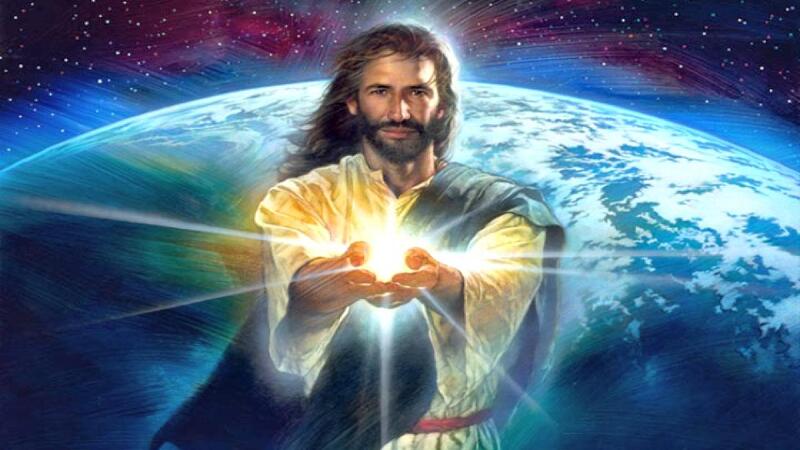
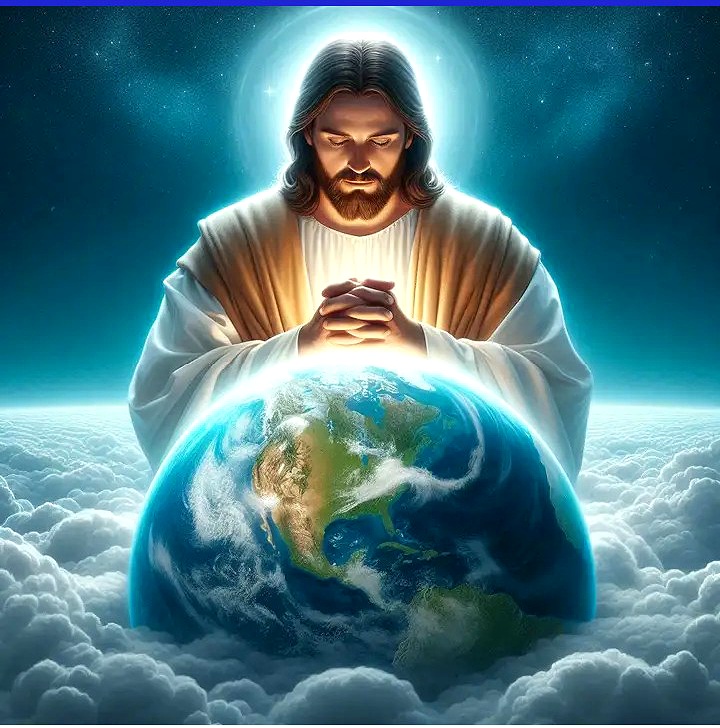
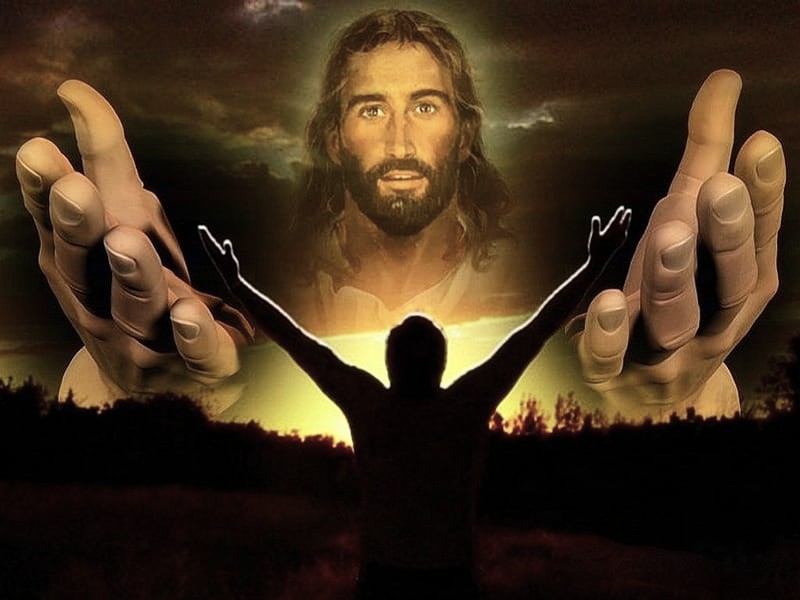
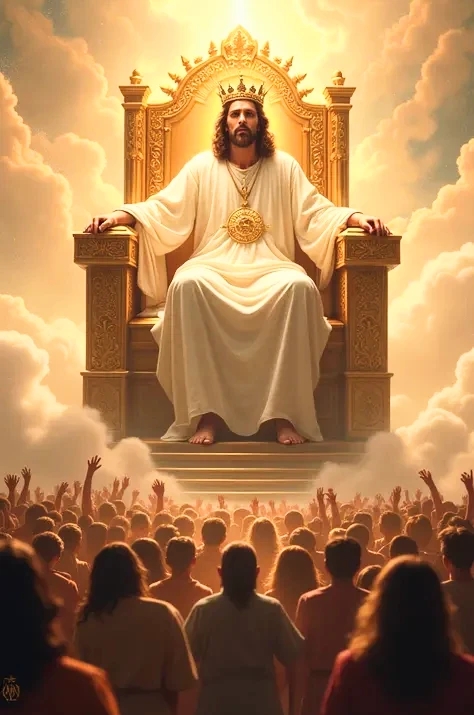
Maybe this worship song about the Beautiful One, like the Jesus the disciples might have seen on the Mount of Transfiguration, will help strengthen your faith as it does mine.
















 Bill's Bible Blog