Happy New Year everybody! My life has been changing at the speed of light the past few weeks, but we mortals still react to change at the same plodding pace. I’ve plenty of opportunities to trust God and to show His grace, but I can always use some inspiration.
I was looking for some inspiration on the Internet the other morning and I came across “26 Verses for 2026.” Just what I was looking for! (Funny how that happens…) So, I’m going to share one each week, along with my thoughts. Maybe you’ll find inspiration from them too.
January: Verses About Resolutions
1. Ecclesiastes 5:5 – Be Commited:
I heard on the news this week that most people are making the same New Year’s Resolutions they made last year–to exercise more, to eat better, to save money, to lose weight–but since resolving to do those things last year didn’t work, what’s the likelihood it will work this year?
You might also have seen practical suggestions for being more successful with your resolutions:
1. Break your goals down into smaller steps and focus on accomplishing one step at a time. 2. Set specific, realistic, and small goals, like something for each day, week, month…3. Focus on developing positive habits rather than just stopping bad habits.4. Find someone you know who is doing the same thing and do it together. 5. Celebrate your progress, but not by breaking your resolution!
One of my resolutions, when I got off my oral chemo last month, was to lose the weight it had caused me to gain. So far I’ve lost 7 pounds. Woo-hoo! Much farther to go, though, but I’m committed to following my plan…
Making changes to your physical and mental habits is hard! But do you know what is even harder? Making SPIRITUAL changes.
You see, God made us in His glorious image, not on the outside, but on the inside. Our character is supposed to be a reflection of who God is. For example:
God is the Creator–we are creativeGod is all-powerful–we are powerful in our own ways.God is all-knowing–we are capable of learning and knowing things.God is just–at our best, we know what is fair and just.God is love–at our best, we too are capable of great love.
Notice my qualifier “at our best.” You see, there’s this thing called “sin.” Humankind at the beginning turned from God in disobedience and this forever scarred our psyche. Instead of living to the glory of God, our nature was turned upside down and inside out, and now we live to glorify ourselves.
That doesn’t sound so bad, until you realize we are supposed to love each other to the point of sacrificing our own needs and desires for other’s good. Turn that around and you get people who love themselves most of all, and who are willing to sacrifice anything and everything of the people around them, to fulfill their own needs and desires. That results in some very ugly things in this world.
Mankind often exercises it’s power for destroying rather than creating.
When we choose to come to God by faith in Jesus Christ, God begins a process of reversing the harm of sin in our lives, both from our sin within and from others’ sin from without. That means fundamentally changing who we are on the inside.
Just as I am…I come
You might wonder, “Doesn’t God accept me as I am?” Yes, He does. He doesn’t require that we try to make these changes before He accepts us, because WE CANNOT!
God meets us wherever we are in life when we come to Him–He accepts us as we are, but then He redeems us from sin and darkness, and He brings us into His glory and light. He loves us so much, He won’t leave us where we are–in a pit of sin, darkness and despair.
But real, deep down change of who we are doesn’t happen immediately. We have to walk out what this means for the rest of our lives. You see, every day is a New Day in the Christian life. Therefore, every day requires a New Day’s Resolution.
So, let’s start each day in our relationship with God by making a committment to Him. Follow through on that PROMISE YOU MADE TO GOD when He first redeemed you.
Even as ‘little Christs,’ we’re not going to be called upon to lay down our lives for the salvation of the world. Actually, we’re being asked to do something much more difficult…
There are several authors who printed variations of a saying used by Lin-Manuel Miranda in his play, “Hamilton,” which premiered in January 2015.
“Dying is easy, beloved. It is living that is difficult.” Leonide Martin, Dreaming the Maya Fifth Sun, published 2006.
“Dying is Easy, its Living that’s hard,” Alden Bell, The Reapers are the Angels, published 2010.
That is the difficult thing God is asking us to do as Christians, to live for Him. Paul puts it this way,
So then, looking at the three divisions of my study summary, here are some ideas about how we can live as Jesus died.
I. Foreknowledge. Have you ever felt like you already knew what was going to happen in a familiar situation? Maybe you knew there would be a person who would argue with you. Maybe you knew someone would get their feelings hurt. Our tendency as ‘nice’ people is to try and avoid controversy or hurting people’s feelings.
If we overcompensate and sacrifice our Christian imperatives, then we end up doing what Charlie Kirk warned about:
Jesus did not run away from what He believed in–His Heavenly Father and God’s plan of salvation–and neither should we.
Jesus did not stay silent about what was right and wrong about the Jewish leaders when it came to God’s commands, and neither should we.
Not arguing and not hurting others’ feelings are good goals, but maybe not the priority they often are over other more important goals. In the Navigators, we tried to always remember that “The good is the enemy of the best,” from Oswald Chambers:
This means accepting something that is merely good can prevent us from achieving something better. Like Jesus, we should prioritize the things that matter most to God. Those things are–being in right relationship with our Heavenly Father; and telling others about Him, His Son, and God’s plan of redemption for humankind.
However, we SHOULD be gracious in how we present Jesus and the gospel. Following are a couple of New Testament guidelines for doing that:
II. INTENTIONALITY / DETERMINATION:
A. There were words in the King James Bible I read in the 60’s that were not a part of common vocabulary. One of those was ‘diligent.’ I had a difficult time figuring out it’s meaning without any real-world usages. Here are a couple of examples from the Bible:
📖 DILIGENT is defined as by Websters as meaning:
Comparing to synonyms, DILIGENT suggests earnest application to some specific objective or pursuit.
B. Use of the word ‘intentional’ in Christian circles is a relatively new one. Websters defines it as meaning: 📖
A comparison of synonyms fleshes out the definition: Intentional stresses intent, an awareness of an end intended to be achieved. (I know our English teachers taught us not to use a word to define itself, but…)
I see the concepts of diligence and intentional as being very close in meaning, which I think is best summed up by a famous sports quote–
III. Those things related to our passage this week that I think we need to be intentional / diligent about are:
A. Sacrificial giving: John takes the concept of laying down one’s life introduced in his gospel a step further in his first letter,
At first glance, we might think John is advocating we be willing to die for each other. Maybe…, but he goes on to explain more specifically what he means,
:18 “Dear children, let us not love with words or speech only, but with actions and in truth.”
So, John makes it clear that our sacrifices for each other are to be more material–to sacrificially give of our possessions to meet the needs of our brothers and sisters in the faith (firstly), but also of all those around us.
B. Sacrificial living. As seen in Romans 12:1, we’re supposed to be living sacrifices. Paul elaborates on this concept in 2 Corinthians 5:15,
Peter himself put it this way in his first letter, 1 Peter 4:1-2,
:2 “As a result, they do not live the rest of their earthly lives for merely human desires, but rather for the will of God.”
Ultimately there should be a crucifixion going on in our lives. Paul fills out this concept in Galatians,
And most dramatically, Paul’s personal testimony in Galatians 2:20,
Whew! Very high standards indeed.
C. Sacrificial going. In our last section of Mark coming up next week, Jesus commissions His disciples by saying, “Go into all the world and preach the gospel to every creature.” (Mark 16:15)
⛪️ Our church is very much a sending church. Every week, our services end with the phrase, “Summit, you are sent.” (A church ‘sends,’ a person ‘goes.’)
❤ We’re in the middle of our giving commitment month and some of the stats and testimonies for how the church spent our donations this past fiscal year, and the results obtained, are quite impressive. Here is a summary of how our sacrificial giving should be used for the things that are on God’s heart:
1. The Great Commission:
🌎 Fulfilling the Great Commission includes preaching the gospel, baptizing those who believe, making disciples by teaching them, and taking these activities into all the world; and don’t forget, our city, our state and our country are all part of ‘the world.’
2. The Compassion Ministries:
🤟 Looking over the above two lists of ministries, you might think, ‘I can’t do that.’ But there are many things that anyone can do. Rather than focusing on the specialty ministries, such as proclaiming the gospel, teaching the Scriptures, baptizing someone, look at the compassion ministries. Anyone can give necessities–food and clothing–to the poor and needy. Get started somewhere, if you’re not already, and see where God takes you.
3. Widows and orphans (in our time, single mothers and their children, as well as orphaned children):
We have a ministry where single parents can bring their children for an evening of supervised fun while the parent takes a night off. There are a lot of other giving ministries focused on single mother families too.
😇 Anyone can donate a Christmas present in an Angel Tree ministry for children who otherwise might not receive anything for Christmas. (We’ve got one of those too!)
👫 For our small group Christmas project this year, we bought Christmas presents for a boy and a girl in a Christian orphanage from their wish lists.
👀 We are surrounded by people with needs. Be intentional / diligent in finding ways you can give to meet those needs in the Name of Jesus.
✨️ CONCLUSION:
🎁 At work, our Christmas project this year is buying Christmas presents for three needy military families through a Service Assistance organization. One family lost their father to an IED in Afghanistan. Another family has their father, but he was totally disabled by an IED. In the third family, the mother is the service member whose husband divorced her and left her with six children. The other two families have 4 and 5 children.
Gifts for service family #3
🎄We have almost 1,000 employees scattered across the US, with about 100 in the office. Already the stack of presents for each family is impressive, along with many generous donations of cash from our distant employees to buy more. However, in my opinion there is going to be something very important missing; there will be nothing about God or Jesus Christ, except in the word ‘Christ’mas.
👑 We in the church body should not only exceed the generosity of those who are still separated from God, but we should also be taking a witness of who Jesus is, and what He did for us, to others via these compassion ministries. Meeting the material needs is important, but the spiritual and eternal needs need to be met too.
🤓 SUMMARY:
✝️ So, live for Jesus, give and minister to the needy, and take the message of God’s salvation in Jesus Christ everywhere you go. If you’ll do these things, you’ll be living up to the name you bear as ‘Christ’ians. 🙂
This blog is based on my participation in the above Bible study.
In this week’s lesson, Pastor Chan pointed out that there were a lot of different kinds of power on display. Here is a summary of each kind of power as I saw it and some of the implications.
I. The Power of Popularity: There are several places in Mark chapters 11 and 12 where we see that Jesus was popular with the masses.
A. (As Jesus entered Jerusalem riding on a donkey…) 11:8 …many people spread their cloaks on the road, while others spread branches they had cut in the fields. Those who went ahead and those who followed shouted,
“Hosanna!” (Hebrew, “Pray you, save us!)
“Blessed is He who comes in the name of the Lord!”
“Blessed is the coming kingdom of our forefather David!”
B. Reaction of the Jewish Religious Leaders
11:18 The chief priests and the teachers of the law heard this and began looking for a way to kill Jesus, for they feared Him, because the whole crowd was amazed at His teaching.
11:27 … while Jesus was walking in the temple courts the next day, the chief priests, the teachers of the law and the elders came to Him and asked, “By what authority are you doing these things? And who gave you authority to do this?”
29 Jesus replied, “I will ask you one question. Answer me, and I will tell you by what authority I am doing these things. John’s baptism—was it from heaven, or of human origin?”
31 The Jewish leaders discussed it among themselves and said, “If we say, ‘From heaven,’ he will ask, ‘Then why didn’t you believe him?’ But if we say, ‘Of human origin’ …” (They feared the people, for everyone held that John really was a prophet.)
12:12 Then the chief priests, the teachers of the law and the elders looked for a way to arrest Him because they knew He had spoken the parable against them. But they were afraid of the crowd; so they left Him and went away.
12:37 David himself calls him ‘Lord.’ How then can the Messiah be his son?” The large crowd listened to Jesus teach with delight.
🤓 COMMENTARY
1. The advantages of popularity.
A. If you’re popular, people will be very welcoming, they’ll want to give you meals and gifts for free. Essentially, people want to be seen being with popular people to enhance their own reputation. However once you are no longer popular, all that will disappear.
B. Popularity affords you protection from those at the opposite end of feeling for you– those who want to hurt, destroy or even kill you, and remove you as the source of their anger and discomfort. As long as you’re seen to be popular, you’re safe from your enemies. But as we see in the gospels, the Jewish leaders who hated Jesus figured out how to catch Jesus away from His screen of admirers and arrest Him.
2. The Dangers of Popularity
A. Disappointing Expectations: Pastor Chan pointed that the people welcoming Jesus to Jerusalem were expecting the Messiah promised in their Scriptures, who would establish an eternal kingdom and rule from Jerusalem, with the Israelites being His favored people.
Unfortunately, that was not the Messiah that Jesus had come as. First He had to suffer and die so our sins could be forgiven by God, THEN He would come again and establish His kingdom on Earth.
So, the first source of Jesus’ popularity was the expectation that He would give them something they wanted, something they had dreamed of and prayed for after chaffing under Roman rule for so long.
The downside of being popular for the wrong expectation is that when it becomes clear the expectation is not going to materialize, the people will turn on the one who disappoints them and go just as far in the negative direction. We’ll see this later when the crowd shouted, “Crucify Him! Crucify Him!.”
B. The other reasons we see that Jesus was popular was His teachings amazed and delighted the crowds. Note that these are emotional responses.
So, what happens when what you say doesn’t ‘amaze’ and ‘delight’ the crowds anymore? They drop you like yesterday’s leftovers and go looking for someone new to ‘delight’ and ‘amaze’ them.
CONCLUSION. The point is, whether individually or en masse, people are fickle and quickly change their attitudes and interests. That is the danger of depending on the power of popularity.
II. THE POWER OF PRAYER
Pastor Chan pointed out there is an incident in the middle of Jesus’ week in Jerusalem that has been difficult to understand to many theologians.
A. Jesus Curses a Fig Tree
11:12 The next day as they were leaving Bethany, Jesus was hungry. Seeing in the distance a fig tree in leaf, He went to find out if it had any fruit. When he reached it, he found nothing but leaves, because it was not the season for figs. Then he said to the tree, “May no one ever eat fruit from you again!” And his disciples heard him say it.
11:20 In the morning, as they went along, they saw the fig tree withered from the roots. Peter remembered and said to Jesus, “Rabbi, look! The fig tree you cursed has withered!”
Pastor Chan explains that the fig tree is a metaphor for Jesus coming to Israel. The leafy fig tree represented the nation of Israel. It was vibrant and alive, but when looked at closely, there was no godly fruit.
God had expected Israel to be a light to the world. That people would hear and come to Jerusalem, the city of God, and go to the temple, the House of God, and find out who God is. There was even an outer court, called the Court of the Gentiles, for non-Jews to visit. However, in Jesus’ day, it had been turned into a place of business where visiting out-of-country Jews had to exchange their foreign currency for local currency, at a highly unfavorable rate, and buy Temple approved sacrifices at outrageous prices. This was a source of much revenue for the Jewish leaders.
Jesus first public act in Jerusalem this final week was to drive out the money changers and condemn their actions. This immediately put Jesus on the wrong side of the Jewish leaders who then sought to arrest Him and have Him put to death, but Jesus’ popularity with the crowds prevented that.
Immediately after Peter’s observation that the cursed fig tree had died, Jesus launched into a series of teachings on prayer, cementing the connection between the lesson of the fig tree with what Israel had become.
C. Jesus made these points about prayer:
1. Believe and don’t doubt, it will be granted.
2. Believe you have received it, and it will be yours.
3. Make sure you’re not holding a grudge against someone so God can forgive you when you pray and then listen to your request.
This one might seem out of place, but the implication is God will answer our prayers when we are in right relationship with Him and that means being in right relationship with each other.
II. Power versus Authority
Did Jesus have the POWER to curse The fig tree to death, or did He have the AUTHORITY?
People often use the two terms interchangeably, but they don’t mean the same thing. Therefore, I think it is essential that we understand that difference.
The way I had it explained to me was using the example of a police officer directing traffic.
When the police officer holds up his hand indicating you are to stop, he doesn’t have the actual ability to MAKE you stop. You could choose to keep going and there is nothing he can physically do to stop your vehicle. But you can bet that he will take note of your license plate (if you don’t run over him) and you will become involved with the criminal justice system shortly afterward.
So, the point is the police officer didn’t have the personal POWER to enforce his command, like imagined super heroes, but the officer represents a larger organization that has the power to arrest you, to judge you, to fine you and even to incarcerate you. The police officer represents a GREATER POWER, the power of the government, and he has been given the AUTHORITY to give those commands and expect them to be obeyed.
Remember when Jesus commissioned the Twelve and sent them out? Jesus gave them the AUTHORITY to heal the sick and cast out demons. When they spoke the command to be healed, they had no power to heal, but they represented a GREATER POWER, the POWER OF GOD. GOD’S POWER healed people. GOD’S POWER cast out the demons. When Jesus cursed the fig tree, GOD’S POWER worked overnight to kill it. When we pray correctly, it is GOD’S POWER that acts to answer.
Therefore, there isn’t POWER in prayer, there is AUTHORITY in us, disciples of Jesus Christ, when we pray believing. The POWER comes from GOD.
III. CHALLENGES
The Chief Priests Question Jesus’ Authority, by James Tissot
The Jewish leaders understood what ‘authority’ meant. The next day, while Jesus was teaching the crowd in the temple and amazing them with what He had to say, they sent a delegation to ask Him, “By whose authority do you do these things?
We would say, less formerly, “What gives you the RIGHT?”
They were asking, “What gives You the RIGHT to come into our temple, overturn the tables with the money and sacrifices, and run the money changers out with a whip of rope cords? What gives You the RIGHT to come in here and tell us what we can and cannot do?”
“What gives you the RIGHT to speak a parable of condemnation against us, the leaders and teachers of the Jews? What gives you the RIGHT to say who’s right and who’s wrong?”
“What gives you the RIGHT to come here and teach the people something different than what we teach them, the traditions of the Fathers? What gives you the RIGHT to say what is right and wrong?”
Notice that Jesus never answered their question. Instead, He traps them with a question about where they thought John the Baptist’s authority came from. They couldn’t answer what they really thought, that John was not really a prophet sent from God, but just another wannabe who caught the attention of the masses for a short while and rode that wave of popularity for as long as he could. That is, until his big mouth got him in trouble with Herod. If the Jewish leaders had said that, they would have had a riot on their hands as the people attacked them. So, they didn’t answer Jesus’ question.
The Jewish leaders were looking for something they could use to discredit Jesus, arrest Him, and then have Him executed, which they eventually did. The rest of our passage this week shows how each Jewish religious and secular sect tried to trap Jesus the same way He had trapped the temple priests. They weren’t able to because each time, Jesus showed them just how much smarter He was than any of them. You can do that when you’re God.
IV. APPLICATION 🍎
Pastor Chan ended his lesson by referencing where Jesus warned His disciples that they could expect the same kinds of attacks and persecution.
John 15:18 “If the world hates you, keep in mind that it hated Me first. If you belonged to the world, it would love you as its own. As it is, you do not belong to the world, but I have chosen you out of the world. That is why the world hates you.
20 Remember what I told you before: ‘A servant is not greater than his master.’ If they persecuted Me, they will persecute you also…
21 They will treat you this way because of My name.”
The whole thrust of Pastor Chan’s presentation of Mark’s gospel has been discipleship. Jesus came to accomplish three purposes. One of them was to leave behind a cadre of trained and experienced replacements to carry out God’s plan of saving the entire world through the preaching of the gospel. As we approach the imminent departure of Jesus in the story, Jesus doubles down on His time and instruction of His disciples in final preparation.
If we call ourselves ‘Christians,’ that means we have accepted the responsibility to be one of those ‘little Christs’ in our own generation, in our own place in the world.
Approaching the study of Mark for the purpose of learning what Jesus did and taught so that we can do the same as His disciples is very different from the intellectual approach to study that I learned in school, and it’s hard to change how I’ve been studying for so many years.
I began this study because I wanted to learn to be a worshipper of God with my whole heart. What I’ve been learning instead is how to follow Jesus with my whole life.
God is funny that way. He guides you into what you think is one thing, only to find out it is something else…, actually something better, closer to God’s plan, rather than to my own desires.
In the process, I have realized that He’s been changing me behind the scenes in ways I had never imagined possible. I hope as we approach the holiday season, that you are yielding your life to our Lord and Savior in new ways too. AMEN!
In part 1, we looked at situations where things were impossible for people to do or believe, but not impossible for God. In part 2, I’m going back through the same chapters in Mark where the answer was not “Yes.”
1. Peter rebukes Jesus, Jesus rebukes him right back – Mark 8:32-33
When you think your spiritual leader is going astray, you quietly take Him to the side and tell Him so, right?
Jesus said, “NO! You are not setting your mind on God’s interests, but on those of people!”
Sometimes when we don’t ‘get it,’ it doesn’t mean they’re wrong. Be humble instead and ask for an explanation.
2. Boy Possessed by an Unclean Spirit – Mark 9:14-29
A father brings his demon-possessed son to some disciples of Jesus to be delivered and they think, “We got this!” After all, they’ve been casting out demons for a long time now, right? But…no.
Later, after Jesus casts out the demon, He clues you in. “This kind of demon cannot be cast out without much fasting and prayer.”
Moral of the story: Don’t think just because you know some things and have done some things that you know everything and can do anything. It’s always a good idea to check with God first.
3. Who is the Greatest? – Mark 9:33-37
You’re one of the chosen Twelve out of hundreds of disciples who believed in and followed Jesus, the Messiah, so you’ll be one of the Great Ones too when Jesus establishes His Kingdom, right?
Jesus says, “NO! Whoever receives a child in My name is receiving Me, and not only receiving Me, but God who sent Me.”
Wait, what? Is Jesus saying a child is greater than one of the Twelve? Seems like just another one of those topsy-turvy things in Christendom like:
“If you want to keep your life, you have to lose it.”
“He who would be greatest among you must become the servant of all.”
Jesus had to die and be buried in the earth before He could ascend to God’s throne in heaven.
We have to give up everything in this world in order to receive everything God has for us in heaven.
Doesn’t make sense, does it?
You see some guy you don’t even know, and DEFINITELY not one of your group, casting out demons in Jesus’ name, and you try to make him stop, and then you tattle to Jesus. That’s what you should do with impostors, right?
Jesus says, “NO! Whoever is not against us is FOR us.”
Quite the opposite of what radicals today say, “If you’re not for us, you’re against us!”
Jesus is inclusive. Radicals are exclusive. That’s how you tell them apart.
5. Divorce – Mark 10:2-14
The Teachers of the Law say it is allowed for a man to divorce his wife, so it’s okay, right?
Jesus says, “NO! Moses wrote that Law because you’re a hard-hearted people. In the beginning, God ‘made them male and female.’ ‘For this reason a man will leave his father and mother, and be joined to his wife, and the two will become one body.’ So they are no longer two, but one.”
6. It is hard for the wealthy to enter the Kingdom of God – Mark 10:23-37
Rich people have been greatly blessed by God, right? That should mean they’re on the fast track to make it into the Kingdom of God.
Jesus says, “NO! It is easier to thread a camel through the eye of a needle than for a rich man to be saved”
“So,” the disciples ask, “how can anyone be saved?Jesus replied,
That’s the whole point, isn’t it? If we could have saved ourselves, Jesus would not have had to come and die for our sins.
7. The Request of James and John – Mark 10:35-40
You want something really big, really bad and you build up your courage to ask Jesus in private…
…and He says, “NO! To sit at my right or left is not for Me to grant. Those places belong to those for whom they have been prepared.”
What we want is not always part of God’s plan. Leave room for God’s ‘No,’ and be willing to accept it.
8. Christian Leadership – Mark 10:42-45
You can’t wait until you’re in charge so you can tell everyone what to do…
…but Jesus says, “Not so! Whoever wants to become great among you must be your servant…”
9. Blind Bartimaeus – Mark 10:46-52
This blind beggar sitting behind the crowd as Jesus and His disciples pass by keeps yelling for Jesus louder and louder. “Shut him up!” everyone says…
…but Jesus says, “NO! Bring him to Me.” And the blind man received back his sight.
Sometimes it pays to be the squeaky wheel, even in God’s Kingdom.
APPLICATION – Prayer
So, when will God say “yes” in answer to our request and when will He say “no”? There are several guidelines in the Bible that can help us figure that out.
1. If we ask for something that is within the range of what God wants to do for us or give us, then the answer will be “yes.”
2. So, how do we tell what requests fall within “God’s will”? The best way is to become familiar with what God has promised, because in Jesus Christ…
Note that God has a personal motive for answering our prayers, that He would be glorified through us. God’s number one goal is that people know He exists, and that there are rewards for coming to Him. God wants to reveal those things through us to those around us by answering our prayers and then us letting people know.
Then God’s number two goal kicks in, saving as many people as possible through faith in Jesus Christ, but they’ve got to have this faith first…
3. To claim this promise, we must pray in Christ’s name. Jesus said:
It has been explained to me that asking God for something in Jesus’ means asking for the same thing that Jesus would ask.
So, it’s not just ‘WWJD’ That is, What Would Jesus Do? It’s also ‘WWJA,’ What Would Jesus Ask?
Once again there is a purpose to God answering our prayers in Jesus’ name, that we would be filled with joy. And let me testify how great it is when I pray for something and God comes through!
As for God’s plan of salvation for the world? There is nothing more attractive to needy, hurting people than someone who has their own needs, but is filled with joy because God is answering their prayers about them!
4. And when it comes right down to it, we have to ask! That is the idea of our pastor’s recent book on prayer, ‘Just Ask.’
The Joy of Confident, Bold, Patient, Relentless, Shameless, Dependent, Grateful, Powerful, Expectant Prayer
James said the same thing in his letter,
James also explains why we sometimes get a ‘No’ from God:
The opposite of asking ‘in Jesus’ Name,’ is asking ‘just for ourselves.’ Trying to get something for yourself out of your ministry to others for God will destroy your ministry. So too…
CONCLUSION
So, what will God’s answer to your prayers be, “Yes” or “No”? Whichever one it is, you can be sure of one thing, there will be waiting involved.
When we ask God for something, He’s not like a ‘genie in a bottle’ that has to give us what we ask for, when we ask for it, and how we ask for it. We need to remember that this is the LORD GOD we’re talking about. He is sovereign, which means He’s in charge of everything. He will choose the best way to answer your prayers, when to answer them, and how to answer them.
Also remember that God wants everyone to know it was Him. He often chooses unusual ways of answering and waits until the last moment. One reason for the waiting is for us to display our faith and trust in Him.
So, ask, believe, wait patiently and glorify God when He comes through. He does, He will, and I can testify to that too, AMEN!
This blog is based on my participation on the above Bible study.
In this week’s study, Pastor Chan made this observation:
“In the middle of Mark 9 is a heart-wrenching yet comforting moment. The father of a demon-possessed child knows that faith is the key to rescue. But he needs help. So he asks for it.
“Compare that response to a rich man’s over in Mark 10. In many ways it’s the same request—each man asks something of Jesus. Each time the obstacle is the same: to trust Jesus and surrender. But the response is different. The wavering father asked for help in overcoming his unbelief.
“But the young man left discouraged because he didn’t want to divest his riches and surrender his life to Jesus’ call.
“At the end of Jesus’ conversation about rich people entering heaven, Jesus makes a comforting statement,”
In the vein of what is possible for God, but not for us, following is a summary of my study of Mark chapters 8 through 10.
First Prediction of His Death – Mark 8:31
Your Messiah telling you that He is going to die soon might sound foolish.
But not to God.
God has chosen the foolish things of this world to confound the wise…” (1 Corinthians 1:27)
2. Way of the Cross – Mark 8:34-38
Jesus saying, “For whoever wants to save their life will lose it, but whoever loses their life for Me and for the gospel will save it,” might seem ludicrous.
But not to God.
The cattle on a thousand hills are His (Psalm 50:11).
“He is no fool who gives up what he cannot keep to gain what he cannot lose.” attributed to Jim Elliot.
Mark 10:29 Jesus promised, “No one who has left home or brothers or sisters or mother or father or children or fields for Me and the gospel will fail to receive a hundred times as much—and in the age to come, eternal life.”
3. Transfiguration – Mark 9:2-20
You’re so frightened when God shows up, what to do or say seems unknowable.
But not to God.
God made us and He will teach us what to say when He calls us to speak. (Exodus 4:10-12)
Also, when faced with a ‘God moment,’ God will give you the words to say to others. In Peter’s case, he should have just stayed silent. Sometimes that’s the best thing to do, just listen.
4. Father and Demon-Possessed Son – Mark 9:14-29
Expecting Jesus to be able to help you when no one else was able to might seem hopeless…
But not to God!
For with God, all things are possible if you’ll just believe Him.
Besides, God, our Heavenly Father, delights in giving good gifts to His children.
5. Second prediction of death and resurrection – Mark 9:30-32
Out of the blue Jesus says, “The Son of Man is going to be delivered into the hands of men. They will kill Him, and after three days, He will rise.”You don’t understand what He means, you’re afraid to find out and you don’t know what to do…
But God does. Trust Him, because-
6. Divorce – Mark 10:10-12
Your marriage has deteriorated to the point where you hate each other and you just want a divorce because you can’t redeem it.
But God can.
God is in the redemption business.
7. Don’t Hinder the Children – Mark 10:13-16
Obstacles in the way of getting to Jesus for a blessing might seem insurmountable.
But not for God!
God helps us overcome the insurmountable.
8. The Rich Young Man – Mark 10:17-31
Giving up all your worldly riches in order to enter the Kingdom of Heaven might seem impossible.
But not for God.
God can help you accomplish the impossible.
9. Third Prediction of Jesus’ Death and Resurrection – Mark 10:32-34
That Jesus would die and rise again from the dead on the third day might seem incredible.
But not for God.
God can accomplish the incredible. He does it all the time, and so did Jesus. They’re called ‘miracles.’
In Part 2, I’ll go back through and look at when the answer was not, “Yes.”
The following is from my participation in the above Bible study.
Just who is Jesus, anyway? That is the main theme of Mark and that is what Peter was asked to testify about to the Roman magistrates.
We’ve seen a lot already about who Jesus is from Mark chapters one through six. It is interesting to note from the middle of chapters 6 through 8, there is obvious DUPLICATION in the content. There are some new themes introduced in our study passage for this week, but there are also some repeated themes.t
Between chapters 7 and 8 is the break between Peter’s 2nd and 3rd presentations. We don’t know what the interval was between his presentations, whether they were daily or further apart, but we see an important presentation principle utilized by Peter, repetition.
So, let’s look at the six points Peter repeats between the end of session 2 and the beginning of session 3, to see what he’s emphasizing about Jesus to the Roman magistrates.
1. Two miraculous feedings: • Mark 6:39-44, Jesus Feeds 5,000 with 5 loaves and two fish. 🍞🍞🍞🍞🍞🐟🐟 • Mark 8:1-9, Jesus Feeds 4,000 with seven loaves and a few fish. 🍞🍞🍞🍞🍞🍞🍞🐟🐟🐟
🤓COMMENTARY This was a new supernatural power demonstrated by Jesus, the ability to take a relatively small amount of food and multiply it, multiply it and multiply it until after 5,000 had eaten their fill, the leftovers exceeded the original amount. I can almost see the magistrates looking back and forth at each other. They have already heard some miraculous things attributed to Jesus, but the healings and demon expulsions they probably could explain away. Even the calming of the storm at sea might have been a coincidence exaggerated by worshipful believers. I’m sure they had heard many such coincidences claimed by various religious followers in their polytheistic society as being caused by one god or another. They might even have become jaded by repeated claims of miracles that could not be proven. But this was something different, thousands of people were involved in this miracle. And Peter drives the point home when he begins his third presentation with the second, similar miracle of feeding 4,000 people.
I suspect what Peter had said about Jesus so far had been interesting, but now the magistrates were interested.
2. Two trips across the sea: • Mark 6:45 to 56 (end) – walking on water with healings at the end. 🌊 • Mark 8:9b-10, 13,14 – crosses to east bank, the Decapolis*, then returns to west bank, Galilee. ⛵️
🤓COMMENTARY: Peter follows up his first bomb of the 5,000 with Jesus walking on water. I think without the first bomb, the magistrates would have been able to easily dismiss this claim with a, “Yeah, right…”
But still reeling from the first bomb, like a boxer who’s just taken one haymaker, they’re still so dazed, they cannot muster the skepticism to dismiss Peter’s claim. I see them as being uncomfortable at this point. If this Jesus of Nazareth really was able to do these things, not only witnessed by His 12 dedicated disciples, but by thousands, then this was a person who demanded people’s attention. Maybe even demanded a response. And they were not ready or willing to do that.
In Mark chapter 8, the boat trips back and forth across the Sea are fairly mundane. Just boat trips this time. So, what’s the point? There are six boat trips or sea crossings mentioned in the Gospel of Mark, but only two in Matthew and two in Luke. The extra trips suggest Peter is showing not only how busy Jesus was in His ministry, but that He didn’t limit it to just His home province of Galilee.
It’s interesting to note that Peter left out the part where he got out of the boat and walked on the water himself. One wonders how the magistrates might have reacted if he had included that part? Might they have escorted him to the nearest body of water and asked him to walk across it? Or might this part of the event have caused other problems for Peter? Might he have been seen as less reliable a witness, maybe lying to inflate his reputation?
I’m certain one thing Peter didn’t want to do was come across as a supernaturally powerful person who might have been a threat to Rome. This omission also shows astuteness on Peter’s part, to know his audience and avoid unnecessary, controversial topics.
For whatever reason, Peter thought it was a good idea to leave out this part. It might be helpful for us to develop this skill too, that is, to know what about our testimony to share with a particular interested person, and which details to leave out.
In Speech 101 they taught a very important element of a successful speech was to know your audience and tailor your speech to them. It would appear that Peter knew this principle and was very much tailoring his presentation to the Roman magistrates.
* Decapolis, “The Ten Cities,” were Helenistic (Greek culture) cities mostly east of the Jordan River and Galillean Sea. The 10th city, not pictured, was Syrian Damascus.
3. Confrontations with the Pharisees, et al. • Mark 7:1-13 – Why don’t your disciples wash their hands before they eat? 🤲 • Mark 8:11-13 – Give us a sign from heaven. 🌠
🤓COMMENTARY: The different sects of religious leaders who questioned, opposed and ultimately had Jesus executed, figured prominently in this week’s chapters. Peter mentions Jesus had many run-ins with the Jewish religious leaders, often just generically referred to as ‘scribes,’ and modernly translated as “Teachers of the Law.” The Greek word, grammateus, (Strong’s G1122) would have been familiar to the magistrates as it was used as the title for a Town Clerk. The names of the other Jewish religious sects would have been meaningless without more explanation, as Peter does provide in brief, enough to help the story of what happened make sense. Also, Peter almost always pairs the Jewish sect name with ‘and Scribes’ to help the magistrates follow who’s involved by including this familiar title.
However, Peter specified the Pharisees in Mark 7 and 8, as well as in chapters 2 and 12, which also includes the only named reference to the Sadducees, relevant to their belief there was no resurrection. Most often the Sadducees are referred to as ‘Chief Priests,’ once again a title that would have been familiar to the religiously eclectic Romans who would frequently have to deal with self-important ‘chief priests’ of one god or another.
These words and descriptions are another example of Peter knowing what his Roman audience would understand, and using more familiar terms with them or providing a brief explanation as needed. Once again, something we can learn from him when sharing our testimony or the gospel with others.
Exhortation_to_the_Apostles_by James_Tissot
4. Two lessons based on food. • Mark 7:14-23 – It’s not what you eat that defiles you, it’s the sinful acts that arise from your sinful heart. 💔 • Mark 8:14-23 – Beware the leaven of the Pharisees! 🥣
🤓COMMENTARY Jesus used a lot of common things and everyday events to communicate spiritual truths. In these two instances in Mark 7 and 8, Jesus transitioned from a confrontation with the Pharisees, et al., to instruction. This is what we call in education a ‘teachable moment.’
And as the ‘Walking on Water’ story was distinguished by what Peter omitted, the lesson from the first Pharisee conflict is characterized by what Peter added to the Matthew account.
The list of sinful characteristics that flow from a sin-filled heart in Matthew are:
“For out of the heart come evil thoughts—murder, adultery, sexual immorality, theft, false testimony, slander. These are what defile a person; but eating with unwashed hands does not defile them.”(last part omitted in Mark.)
Peter’s list as recorded by Mark: “For it is from within, out of a person’s heart, that evil thoughts come—sexual immorality, theft, murder, adultery, greed, malice, deceit, lewdness, envy, slander, arrogance and folly. All these evils come from inside and defile a person.” (underlined words added.)
This extended list of sins suggests that Peter is trying to portray the conflict between Jesus and the Jewish religious leaders as not a religious one, but as a moral one.
The Roman view of morality was complex. Key aspects of Roman morality were:
• There was no abstract, codified moral law from any of the various religions. Instead, morality was tied to personal character and social norms.
• Mos maiorum(Customs of the ancestors): Cultural customs and traditions provided the foundational moral code, which emphasized duty, honor, and respect for tradition.
• Pietas(Dutiful respect): This was one of the cardinal Roman virtues–a deep, personal respect towards the gods, family, and the State.
• Fides(Faithfulness): Trustworthiness was crucial for all social and political relationships. A magistrate, for example, was obliged to act in accordance with both the public interest and his own moral senseof faithfulness to his position of responsibility.
• Virtues: Moral behavior was expected to be characterized by virtues like bravery, tenacity, and frugality.
To be honest, this moral code of faithfulness, respect and commitment to duty are some of the things that made Rome great. But I wonder if the moral decay that eventually led to the fall of the Roman Empire were already evident? The next emperor was Nero and the moral turpitude became increasingly obvious.
The magistrates would probably have been as aware as anyone of the moral decay at the heart of Rome because of their legal duties. I wonder if Peter was emphasizing the immoral acts listed by Jesus to get their attention? Once he had their agreement with what would be considered ‘sins,’ the next step would have been to show them how Jesus came to both pay for our sins so we won’t have to, and to deliver us from those sins to a more moral life coming from the heart, not social norms. It almost sounds like Peter is sharing the gospel with them, wily old fisherman that he was! Stay tuned to see how Peter not only tells the story about Jesus, but tailors it into a gospel presentation to the listeners…
5. Two professions of faith. • Mark 7:24-30 – Jesus, “It is not right to take the children’s bread and toss it to the dogs.” 🐕 Gentile woman, “But even the dogs eat the crumbs that fall from the table… • Mark 8:27-30 – Peter answered, “You are the Christ.” ✝️
🤓COMMENTARY There is so much going on in these two declarations of faith, but I’ve reached the end of my weekend and go back to a new week’s study tomorrow.
I hope you are spending time yourself studying God’s Word. I must admit it takes a while before you can go as deep as I’m able to delve after 50+ years of doing it, but it’s important to present yourself to God as a student of His Word. Over time, you will learn more from Him and, hopefully, become more obedient in your walk with God.
The best place to start is to listen to messages from Biblical teachers who simply and clearly lay out what the Bible says. Eventually, with enough of a foundation laid by those ahead on the path, you’ll be able to find gems of meaning and understanding in the Bible yourself!
6. Two healings • Mark 6:27-31 – Healing the deaf and mute man. 🙉🙊 • Mark 8:22-25 – Healing a blind man at Bethsaida.**🙈
🤓COMMENTARY The significance of both healings is they are unique to Mark. These are both events Peter shared from memory rather than referring to either of the two scrolls of Matthew or Luke. Although, since each apostle had their own copy of Matthew when they left Jerusalem, it has been suggested they annotated it with additions from their own memory. 📜
**Bethsaida means “house of fishing”🎣 a name that reflects its origins as a fishing village on the Sea of Galilee. Significant as the hometown of the apostles Andrew, Peter, and Philip; it was also the setting for many of Jesus’ miracles.
🍎APPLICATION So, where are you on the continuum with Jesus? Are you close to the far positive end like Peter–a 100% committed disciple, doing your best to share the story of Jesus Christ and His teachings with those who will listen?
Or are you maybe closer to the other end–in need of healing, of provision, of deliverance–and wondering if maybe Jesus Christ can provide that for you?
Wherever you find yourself in your faith, who Jesus is demands a response. The powers He demonstrated, the things He said, these demand you accept Him as God’s chosen Messiah, sent to Earth to represent God’s, calling all to repentance, calling all of us back to right relationship with the Lord God Almighty, Creator of the Universe, our Heavenly Father. AMEN!
🙏I pray that you respond appropriately to that call today.
This blog is based on my participation in the above study.
In Mark 6, we continue to see the themes we’ve been seeing develop and intensify:
I. Intensification of people’s response to Jesus, His message and His miracles.
A. POSITIVE RESPONSES.
We’ve already seen several instances where Jesus attracted a large crowd and they grew larger and larger as His reputation spread. To review:
1. Mark 1:32-33 First we see the whole town of Capernaum gathered where Jesus was staying, bringing those who needed healed. At least they stayed outside this first time.
2. Mark 1:45 “Jesus could no longer enter a town openly but stayed outside in remote places. Yet the people still came to him from everywhere.”
3. Mark 2:1-2 “Later, when Jesus returned to Capernaum, the people heard that He had come home. They gathered in such large numbers that there was no room left, not even near the door.”
4. Mark 3:7-8 “Jesus withdrew to the sea with His disciples; and a great multitude from Galilee followed; and also from Judea, and from Jerusalem, and from Idumea, and beyond the Jordan, and the vicinity of Tyre and Sidon, a great number of people heard of all that He was doing and came to Him.”
5. Mark 3:20 When Jesus returned to Capernaum again, the house was so crowded He and the disciples couldn’t even eat.
6. Mark 5:21 When Jesus had crossed over again in a boat to the other side, a large crowd gathered around Him; and so He stayed by the seashore.
7. Mark 5:24 While Jesus accompanied Jairus to his house, “a large crowd pressed around Him.”
8. Mark 6:31 We see the same thing in this week’s chapter, but now Jesus responds to it. “Then, because so many people were coming and going that Jesus and the disciples didn’t even have a chance to eat, Jesus said to the them, “Come with Me by yourselves to a remote place and let’s get some rest.”
9. And then we have the feeding of the 5,000 where we get an idea of the size of the crowd and we also see Jesus’ attitude about these ever-increasing mobs.
Mark 6:32-34 “So they went away by themselves in a boat to find a remote place. But many who saw them leaving recognized them and ran on foot from all the towns and got there ahead of them. When Jesus landed and saw a large crowd, he had compassion on them, because they were like sheep without a shepherd. So he began teaching them many things.”
Here we see Jesus had compassion for the crowd and He began teaching them. You can think of this as feeding their spiritual hunger. Later Jesus also takes care of their physical need for food.
So, in summary, we see that Jesus tried to avoid having His reputation spread about when He could, and He tried to avoid large crowds, but when He couldn’t avoid them as His reputation intensified, He ministered to their physical and spiritual needs.
B. NEGATIVE RESPONSES.
A Prophet Without Honor
Mark 6:1-6 Jesus went to his hometown, Nazareth, accompanied by his twelve disciples. When the Sabbath came, as was His habit, He began to teach in the synagogue, and many who heard Him were amazed.
“Where did this man get these things?” they asked. “What’s this wisdom that has been given Him? What are these remarkable miracles that we’ve heard about Him performing? Didn’t He used to be our carpenter, the Son of Joseph and Mary? Isn’t this the brother of James, Little Joseph, Jude and Simeon? Aren’t His sisters here as wives with us?” And they took offense at Him.
Jesus answered them, “A prophet is not without honor except in his own town, among his relatives and in his own home.” As a result of their lack of faith, He could not do any miracles there, except lay his hands on a few sick people and heal them.
1. Rejection. The key word describing why His hometown rejected Jesus was they were offended. This is a common problem when we become Christians and return home a changed person. Everyone there knows who we used to be, what we used to be like. Even though they had heard stories of what Jesus had done and said, and even had gotten a sample of it, they were not able to look beyond their preconceptions and see the Prophet that God had appointed and anointed with the Holy Spirit when He was baptized.
The Greek word for offended is skandalizo, (Strong’s G4624, 29 occurences) from which we get the English term “scandalized.” We consider it a ‘scandal’ when seemingly good people do an egregiously bad thing–they have an affair, they embezzle money, they get drunk and act inappropriately in public. These are good people doing bad things that scandalize us. In Jesus’ case, He was a seemingly ordinary man doing and saying extraordinary things.
So, what is Jesus’ preferred response when He is rejected? He just leaves. They reject Him, so He rejects them by removing His presence. No calling down a curse from heaven. The curse is that the people are robbed of blessings they might have received. As the passage says, He was not able to perform any miracles there, except heal a few individuals who DID believe in Him.
The sad thing is faith begets faith and unbelief begets unbelief. Most people start at a neutral position, kind of a ‘wait and see’ attitude. But there are always those who already believe, and then there are always the skeptical disbelievers. What tends to happen is, whichever of the decided ones goes first tends to tip the undecided their way. If the believing people step up first and receive a healing or other miracle, then many are tipped over to at least a little faith. However, as at Nazareth, the skeptics stepped up first and spouted their skeptical disbelief, then the undecided were tipped to their side.
There are some lessons for us in there somewhere…
(c) Free Bible Images, used by permission.
2. Intrigued, but uncommitted. We see this uncommitted response from Herod, the Tetrarch of Galilee, not officially a king since his father’s kingdom was divided between four of his sons, hence the official title, ‘tetrarch,’ meaning ruler of a fourth. But Herod had pretentious to be much, much more.
John the Baptist had gotten in Herod’s face about having divorced his wife, and then marrying his brother Philip’s ex-wife, Herodias, when he divorced her.
This confrontation was a risky move, but consistent with the role of a prophet to confront the king when they sin. The only problem was, despite Herod, who was an Idumean, a descendent of Esau, trying to act like the Jews somewhat, in order to appease them and keep them under control, he was anything but a believer of the Jewish faith.
Herod really didn’t have a choice when John publicly confronted him with what was a sin in Jewish eyes. He had to arrest and imprison John. But Herod was intrigued by John. He knew John was a “righteous and holy man,” so Herod protected him from his wife Herodias’ fury. Because of John’s public denouement of the couple, she wanted John dead, dead, DEAD!
Herod would trot John out from time to time to talk with him, but never made a commitment to believe the gospel. Messages I have heard over the years point out that Herod’s sin and his unwillingness to repent kept him from making this step of faith.
The problem with sitting on the fence of faith and not deciding is it makes you vulnerable to being manipulated by those who are committed to something else. In this case it was Herodias’ commitment to see John dead for his insults. She waited until Herod’s pride also made him vulnerable and she was able to manipulate her husband into finally having John the Baptist executed.
C. Revenge. Herodias represents the extreme reaction of those who are offended by the gospel and its implications. That is, they try to exact some type of revenge on those who offend them.
Throw Jesus Off the Cliff!
And don’t think an overt sinner such as Herodias would be the only type of person who would respond to the offense of the gospel with life-threatening revenge. Peter read from the shorter account of the rejection in Nazareth for his presentation to the Roman magistrates. In the longer version researched by Luke (4:28-30)…
“All in the synagogue who heard these things were filled with rage. And they rose up to throw Jesus out of the city. They led Him to the brow of the hill on which the city was built, intending to throw Him down the cliff. But Jesus passed through the middle of the mob and continued on His way.”
These were ‘righteousness’ Jews, neighbors and family friends, even relatives by marriage. They had known Jesus as the oldest son of Joseph the carpenter who had taken over the family business when his dad died. Then on His 30th birthday, out of the blue, He had turned the family business over to his next older brother and just left. To where and for what reason? No one seemed to know.
Sure, they had heard the crazy rumors about what Jesus had done in and around Capernaum, all the way on the other side of the country. Those rumors caused Jesus’ mother and brothers to travel there and try to bring Him back home to Nazareth. The rumors were crazy, so that meant Jesus had gone crazy, right?
But here was this eloquent, itinerant rabbi speaking to them. How had He suddenly become such a wise teacher? Did He really perform the miracles they had heard about in Capernaum? It wasn’t possible, in their experience, so there had to be another, more mundane explanation, didn’t there?
II. Intensification of Jesus’ display of supernatural power.
I don’t have time to go into detail with the rest, but in Mark 6, we see…
A. Jesus casually walking on water to catch up with His disciples rowing their boat against a headwind. Peter left out the part here where he walked on water too. B. We see Jesus multiply 5 loaves of bread and two fish to feed 5,000 men, with the Twelve each collecting a basket full of leftovers.C. And we see Jesus back across the Sea of Galilee healing multitudes of sick people who lined the road just to touch the edge of His cloak as He walks by.
III. Intensification of the training of His twelve disciples
And Jesus had another agenda, the training of the twelve men that He chose to be with Him all the time.
A. In Mark 6, we see Jesus give them authority to heal the sick and cast out demons, just like He could, and send them two by two to surrounding villages to proclaim the gospel. When they return to Him, they excitedly share stories of their success.
B. And the walking on water was supposed to be a faith-building exercise for the disciples.
C. As too the feeding of the 5,000. That miracle was supposed to help the disciples grow in their trust in the abilities of Jesus and God, who He represented.
==================================
Pastor Chan has been focusing on this last aspect of what’s portrayed in Mark–discipleship.
His point in chapter 6 is, we need to realize that if we try to be true disciples of Jesus, we will face opposition from some, and we may even lose our lives. His question was, “Are you ready to give your life for Christ as well as give your life to Christ?
An intriguing and challenging thought! Guess you can tell by my choice of words where I am on that issue?
Most people don’t seem to pick up on how important training His disciples was to Jesus. I look at the gospels and see three intertwined, but equally important, objectives that Jesus accomplished while He was in Israel.
1. SACRIFICE Most people know that Jesus came to die for our sins so that we can be restored to a right relationship with God and avoid His wrath against sin at the Judgment. Less well known is the aspect that Jesus’ life had to be completely righteous and without sin. That is the only way His sacrifice could be acceptable to God as sufficient payment for all the sins of everybody in the world, past, present and future. Peter mentions this purpose a little later in Mark:
2. MINISTRY: Many people are also familiar with Jesus’ statement of His purpose in Mark that we saw in chapter 1. We also frequently see Jesus teaching the multitudes, although He often spoke to them in parables. A couple of quotes Jesus made from Isaiah elaborate on this ministry aspect of His purpose for coming.
a. The first is in Luke’s expanded account of Jesus’ Rejection at Nazareth.
Luke 4:16 Jesus came to Nazareth, where He had been brought up. And as was His custom, he went to the synagogue on the Sabbath day, and the scroll of the prophet Isaiah was given to Him to read from. He unrolled the scroll and found the place where it was written,...to proclaim the year of the Lord’s favor.” (Isaiah 61:2)
21 And He said to them, “Today this Scripture has been fulfilled in your hearing.”
b. The other time Jesus quoted from Isaiah where the ministry of the Messiah, His ministry, is described was in response to a doubting John the Baptist languishing in Herod’s prison. Matthew 11:3-5 (NIV)
The disciples of John asked Jesus, “Are you the One who is to come, or should we expect someone else?” Jesus replied, “Go back and report to John what you hear and see.”
Putting these verses together with some others, we can say in summary, Jesus’ MINISTRY was to proclaim the gospel to as many in Israel as He possibly could, to teach them God’s word, and to do so with miraculous signs of God’s power as a testimony to His authenticity as the Messiah.
3. MAKING DISCIPLES. Which brings us to Jesus’ third mission, the one most often overlooked, and the one Pastor Chan is focusing on in this study of Mark.
Jesus said, as recorded in Luke, “A disciple Is not greater than his teacher, but all, when fully trained, will be like their teacher.”
That is one of God’s goals for our salvation, that we should become ‘little Christs’ and continue to carry the good news and God’s Word around the world and down through history, as was done for us.
SUMMARY:
To put the whole set of intertwined purposes into perspective, the GOSPEL is meaningless and powerless without the SACRIFICE of Jesus, which is useless without APOSTLES, those who are sent to take the GOSPEL message to the WORLD, and you cannot become an APOSTLE until you’re completely trained as a DISCIPLE.
The sequence for us, then, is, we hear the GOSPEL, we believe, we become DISCIPLES and learn from the TEACHING of God’s Word. Then we are SENT to take the GOSPEL to other people and other places, where we DISCIPLE other new believers, etc.
Yes, this will involve SACRIFICE on our part to go, and it might lead to the ultimate SACRIFICE of our lives, but that is God’s plan for the salvation of the world. We should feel privileged to be a part of that plan.
APPLICATION
So, make sure you are involved in the process of discipleship–either as a learner or as a teacher–and share the gospel and God’s Word with the lost around you. That is God’s plan for the world, that is God’s plan for you.
NOTE: This series of blogs is from my participation in the above Bible study
Week 5 of our study covered 4 events in Jesus’ life and ministry where He demonstrated that He was Lord over something. Some of these things, like showing His authority over sickness and demons, Jesus had already demonstrated, but this week we see He takes even those to a new level.
4:35-42 Jesus is Lord over the storm. 5:1-20 Jesus is Lord over a Legion of demons.
5:24-35 Jesus is Lord over chronic illness.
5:23-24 and 35-43 Jesus is Lord over death.
We see that each of these encounters contain four elements that we can use to improve our own walk with Jesus:
Q1. How did they approach Jesus for help?
Q2. How did Jesus demonstrate His Lordship when He helped them?
Q3. How did Jesus stretch their faith in Him by how He responded?
Q4. How did they and/or those who witnessed what Jesus did, respond?
I. JESUS, LORD OVER THE STORM
Mark 4:35 That day when evening came, Jesus said to His disciples, “Let us go over to the other side.” 36 Leaving the crowd behind, they took Him along, just as He was, in the boat. There were also other boats with Him. 37 A furious squall came up, and the waves broke over the boat, so that it was nearly swamped. 38 Jesus was in the stern, sleeping on a cushion. The disciples woke him and said to him, “Teacher, don’t you care if we drown?”39 Jesus got up, rebuked the wind and said to the waves, “Peace! Be still!” Then the wind died down and it was completely calm.
40 He said to his disciples, “Why are you so afraid? Do you still have no faith?”
41 They were terrified and asked each other, “Who is this? Even the wind and the waves obey him!”
(See note at the end for an explanation of the underlined text and fingerprint sticker in some of the images )
Q1. How did the disciples approach Jesus for help? The disciples came to Jesus for help in desperation. Maybe they waited until the boat started to be swamped, because four of them were fishermen and thought they could handle the storm, as they had handled so many before. Maybe they waited because they didn’t want to disturb Jesus, who was obviously deep in an exhausted sleep in the back of the boat. I can almost see them frequently glancing back at Him, expecting that the violent tossing by the storm would wake Him up and He would take charge. A key to their feelings at the time was how they started their question, “…don’t you care…?”
A book by our pastor on how to pray.
For whatever reason or however we ask, we can learn that Jesus will help us, even if we wait until we reach the end of our resources and come to Him in desperation as our final option. Our tendency is to become impatient when we don’t see God act on our behalf. Maybe He’s waiting for us to ask Him? We tend to become impatient, maybe even desperate, when God doesn’t work on our timetable and then we start to look around for other options. Faith is in the asking, but faith is also in the waiting.
If we will do these things in our needs, the rewards are a new understanding of who God is and what He can do…and a fall-to-your-knees awe that creates in you a deep worship of this God of the Universe who DOES care for us.
Q2. How did Jesus demonstrate His Lordship when He helped them? Jesus demonstrated a new ability to His disciples when He showed that He was Lord over the storm. They believed that Jesus was the Promised Messiah with a special anointing from Jehovah God, and they had left everything to follow Him and be His disciples based on that belief, but they did not yet understand the full extent of Jesus’ power.
From this we learn that God and Jesus have powers beyond whatever we might understand or expect. Rather than try to figure out if God can help us or not, we should realize we’ll never understand what He can do, but we should just approach Him in humility and believe that He is able to help us, that He is willing help us, but it will be in a way and time of His choosing.
Q3. How did Jesus stretch their faith in Him by how He responded?
BEFORE: Jesus criticized the disciples for their lack of faith. There were lots of clues that they missed that should have led them to trust Him, no matter what was happening. First He had said they were going to the other side of the Sea. They needed to understand that what Jesus said they were to do, and that He would make sure it happened.
The second clue was that He was blissfully asleep, even during the height of the storm. However, they did not understand how much they should and could trust Jesus, even in the middle of the most desperate situation.
This is the first lesson we can learn from this. Just because He’s not calming the $#!+storm when we think He should, doesn’t mean He cannot. We just need to continue to trust in Him and keep doing what we’re supposed to be doing.
AFTER: When Jesus dealt with the storm by commanding it to calm down, this was a totally unexpected response from Him. The disciples knew they needed help, but apparently they did not know that Jesus could calm the storm, they just knew they needed help, and that Jesus had already exhibited supernatural powers. They found out that Jesus was able to do beyond what they could ask or even imagine!
That is another lesson for us. We have to trust God in how He chooses to respond. We cannot try to fit God’s capabilities into a tiny box defined by our past experience or limited imagination. God’s ways are as far beyond us as the objects in the night sky are from Earth. Ask Him, trust Him, and prepare to be amazed…and you’ll have your concept of God stretched.
Q4. How did the disciples respond to this awesome and unexpected display of Jesus’ power and authority? Jesus rebuked them for being cowardly before they woke Him, Strong’s G1169, deilos, overcome by dread and unable to act, always used in a negative sense. But after they saw the storm calmed and were ‘afraid,’ Strong’s G5399, phobeo, used not only for an overwhelming fear that stops you in your tracks, but also used in a positive sense of a healthy, reverential awe of God’s power and authority.
This is the appropriate response to God, a reverential awe that overwhelms us and elicits worship of the God who is so much greater than we are. That’s what happened to the disciples, and that’s what will happen to us when God answers our prayers in a totally unexpected way. But we won’t have this experience of God if we don’t ask Him, with what little faith we have, and then humbly wait for Him to act.
====================================There were so many wonderful lessons from our study of Mark this week. I don’t have time to write about them all this weekend. For example:
The woman who had been sick for 20 years who had faith that she would be healed if she could just sneak up behind Jesus and touch the edge of His robe, AND SHE WAS!
The Legion of demons which did not have any more power to resist the authority of Jesus than one demon did.
And the demon possessed man who was in his right mind and clothed properly again. He wanted SO badly to go back with Jesus across the Sea, but instead, he was sent back to his people as a witness for what Jesus had done for him.
Then there was the synagogue ruler who tracked down and asked Jesus to come and heal his sick daughter, but before they could get back to his home, she died!
____________________________________________There are so so many wonderful stories and wonderful lessons in the gospels. I hope I whet your appetite for more to the point you will begin to study them for yourself.
After all, it’s not just general knowledge we seek to gain from Bible study. Through Bible study AND prayer, we can receive personal messages from God of affirmation, of guidance, of reassurance, and much, much more. Jesus and God wait for you in the pages of your Bible. Take the time to meet with Them there!
Sandra Combrink, Revelations Artwork
====================================
NOTES: The underlined parts of the narrative are unique content to Mark. I believe what modern scholarship says, that Mark is the third gospel in time, not the first, and it is based on a series of oral presentations by Peter to the magistrates in Rome who had been assigned to investigate the charges against Paul.
When Peter came to Rome to visit Paul, word got back to the magistrates and they wanted to hear about this ‘Jesus fellow’ from an eyewitness. Matthew was the only official gospel at that time, written as a collaborative effort by the Apostles just before they left Jerusalem due to the increased persecution against them.
During Paul’s three years of imprisonment in and near Jerusalem, Luke had personally investigated the stories of what Jesus had done and taught, using Matthew’s gospel as his source material, and then had written his own gospel. Paul asked Peter to legitimize Luke’s gospel, and Peter chose to do so by using both his copy of Matthew and Luke’s gospel as his source material for what appears to have been five presentations, based on internal structure. That is, each section is about 100 verses long and has a clear ending, followed by a clear beginning for the next session, with the verses between mostly starting with ‘And.’
You can often tell which of the two gospels Peter is using for each story, but there are omissions and additional, unique content. As an exercise, I’ve been comparing all three accounts to identify Peter’s additions. I call these ‘fingerprints of Peter,’ and view them as his personal contributions to the gospel narrative.
Peter’s omissions are interesting also. He seems to be portraying Jesus and the disciples in such a way that the Romans won’t see them as a threat. His careful portrayal of Jesus comes across as provincial and something easily dismissed as a ‘local matter among the heathens way down there on the fringes of Roman civilization.’
Peter also portrays the disciples as clueless provincials, certainly no threat to the Roman Empire either. I especially note that Peter omitted anything that would make himself appear as a threat, without minimizing his key role among the disciples, thus maintaining his position as a reliable eyewitness for the magistrates.
This is largely just an interesting exercise for me. But in whatever way Jesus and the disciples are portrayed, the Gospel of Mark still communicates the truth about what Jesus did and said, and we as Christians can still learn about who Jesus is and what He taught by reading and studying the Gospel of Mark. AMEN! ====================================
NOTE: This series of blogs is from my participation in the above Bible study
Week 4 of the Gospel of Mark study showed some interesting changes in Jesus’ interactions and in His teachings. Here’s a summary.
I. Four Groups. We saw there were four distinct groups of people who interacted with Jesus and vice versa.
A. The Masses.
3:7 Jesus withdrew with his disciples to the lake, and a large crowd from Galilee followed. 8 When they heard about all He was doing, many people came to Him from Judea, Jerusalem, Idumea, and the regions across the Jordan, and around Tyre and Sidon. 3:20 Then Jesus entered a house, and again a crowd gathered, so that He and his disciples were not even able to eat.4:1 Again Jesus began to teach by the lake. The crowd that gathered around Him was so large that He got into a boat and sent it out on the lake, while all the people were along the shore at the water’s edge. 2 He taught them many things by parables.
This is the change we saw in Jesus’ interactions with the masses–He had started out proclaiming the gospel and teaching from the Word. Now He is no longer speaking plainly to them, but teaching in parables. ————————– B. His Disciples.
3:13 Jesus went up on a mountainside and called to Him those He wanted, and they came to Him. 14 He appointed twelve that they might be with Him and that He might send them out to preach.
Up until now, we had seen Jesus surrounded by many disciples. Now He chooses a special group of twelve to always be with Him and that He can send out to multiply His work. At that point they will be called Apostles, “sent ones.”
4:10 When Jesus was alone, with only the Twelve and the other disciples around Him, they asked him about the parable. 11 Jesus told them, “The secrets of the kingdom of God have been given to you. But to those on the outside, I speak in parables.”4:33 With many similar parables Jesus spoke the Word to the crowd, as much as they could understand. 34 He did not say anything to them without using a parable. But when He was alone with His own disciples, He explained everything to them.
With the change to teaching the masses in parables, Jesus now begins teaching deeper truths about the Kingdom of God to the twelve and any other disciples who are with Him at the time.
C. His Opponents. The opponents of Jesus had been increasing in their opposition to His actions and His teachings. Identified variably as ‘teachers of the Law,’ ‘Scribes,’ (those who made the copies of what we call the Old Testament and who taught the people what it said), and Pharisees (a sect of Jewish lawyers who emphasized purity by avoiding any kind of impure person or thing.) They had began by questioning Jesus’ teachings and lack of conformity to current mores. Then they began criticizing Him. Now we see their opposition take a sinister turn.
3:22 And the teachers of the Law who came down from Jerusalem said, “He is possessed by Beelzebul! It is by the prince of demons that He is driving out demons.” 23 So Jesus called them over to Him and began to speak to them in parables: “How can Satan drive out Satan? 24 If a kingdom is divided against itself, that kingdom cannot stand…”
3:28 Truly I tell you, people can be forgiven all their sins and every slander they utter, 29 but whoever blasphemes against the Holy Spirit will never be forgiven; they are guilty of an eternal sin.” 30 He said this because they were saying, “He has an impure spirit.” —————-‐–‐ Whoa! Jesus was still willing to address their accusations, but it looks like His opponents had crossed a line as He now pronounced one of the most controversial things that He was recorded as saying, they were guilty of the “Unpardonable Sin.” ———————– D. His Family: Mark has not made mention of Jesus’ family until now, but apparently word of what He was doing and saying had gotten back to them in Nazareth, so they came to see Him where He was teaching and ministering along the Sea of Galilee.
3:21 When His family heard about this, they went to take charge of Him, for they said, “He is out of his mind!”3:31 Then Jesus’ mother and brothers arrived. Standing outside, they sent someone in to call Him. 32 A crowd of disciples was sitting around Him, and they told Him, “Your mother and brothers are outside looking for You.”3:33 “Who are my mother and my brothers?” Jesus asked. 34 Then He looked at the disciples seated in a circle around Him and said, “Here are my mother and my brothers! 35 Whoever does God’s will is My brother and sister and mother.”
Wow! Doubly harsh! First His family rejects who He is, and then He rejects His family. ———————- II. SUMMARY So here are the transitions we see in this week’s section of Mark:
A. The masses–Jesus dissociates from the masses by teaching them using stories, leaving the hearers puzzled about what He is saying. It’s like He’s accomplished His first goal to attract those from the masses who want a deeper relationship with Him as disciples, and now He’s moving on.
B. His disciples. Apparently having accumulated a critical mass of followers, Jesus selects 12 for special teachings and assignment. He now focuses more of His teachings to private sessions with them and other, local disciples who aren’t following Him from place to place.
C. His opponents. The Jewish religious leadership increase their attacks on Jesus and Jesus accelerates right back at them. This is going to set up the final confrontation when they have Jesus arrested and crucified, actually what God has planned.
D. His family. Jesus makes a final break from His family and shows how He is ‘all in’ as far as His commitment to His disciples. By the way, this is the first time we see that there are woman disciples as well as men, even if all the chosen Twelve were men.
III. PARABLES I’m just going to skip over the parables we looked at this week because what caught my attention was at the end of Jesus’ parable about the lamp and lampstand.
A. To set the scene:
4:11 Jesus told them, “The secrets of the Kingdom of God have been given to you. But to those on the outside, I speak in parables.”4:23 If anyone has ears to hear, let them hear.” (This is a quote from Isaiah 6:9, but similar statements appear throughout the Old Testament.)
4:24 “Consider carefully what you hear,” he continued. “With the measure you use, it will be measured to you—and even more, 25 whoever has will be given more; whoever does not have, even what they have will be taken from them.” ————————— B. This is the SECOND harsh pronouncement in our reading this week. For some reason I had not taken note of this statemrent at the end of the parable before. But, I WAS familiar with it at the end of another parable. (Images (c) Mark Young Bible Cartoons)
Three stewards were given some money to handle, according to their demonstrated abilities, while their master went on a long journey (Matthew 25:14-30 and Luke 19:12-28).When the master returned, he called the stewards in to give an account of their handling of the money. The first two received rewards for investing their share and for receiving a good return on their investment.But the steward who received the least just buried the money until the master returned, then dug it up and gave it back to him.
And then, as the moral of the Parable, we have that same statement by Jesus:
C. Now, it was never clear to me exactly what the ‘talents’ (KJV) were, translated by modern versions as gold in Matthew and and coins in Luke. The happenstance of the match with the modern English word, ‘talent,’ referring to natural gifts and abilities we are born with, had always led to the passage being taught as meaning we should use our natural gifts and abilities to serve God and to advance His Kingdom.
I think the repetition of this moral in Mark 4 makes the answer to the question clearer, though. The parable about handling money is definitely about accountability, and so too is Mark 4. However, now we see it is not about something of worldly value or natural ability, but rather of spiritual, eternal value–the gospel, which gives us eternal life when we believe, and God’s eternal Word, which is able to redeem our souls unto righteousness.
I believe Jesus is warning His hearers, and us down through history, that we have to be intentional in listening to what God is saying, we have to be intentional in thinking about what it means, and we have to respond in obedience to the message and truths that God reveals to us, AND that God is going to hold us accountable for how we use His spiritual treasure.
The first ‘coin’ is the gospel, and the next two parables are about planting the ‘seed’ of the gospel to establish and grow God’s Kingdom here on Earth. The method of ‘investing’ it is to proclaim it to those around us. The implication is, if we are successful in sharing the gospel, God will entrust more ‘treasures’ from His Word to us and we will have another opportunity to invest it in others by teaching and guiding them into obedience. But what if we don’t?
IV. APPLICATION
In the Law, there were blessings for following it and curses for not. We live in a different spiritual age, the Age of Grace, so there are increasing blessings for obedience, and removal of those blessings for not. No punishment, no curses, just loss of God’s hand of blessing in our lives. For example:
Where God promises to take care of our essential needs if we seek first His Kingdom and His Righteousness, He stops, and now we have to take care of everything we need by ourselves, but we’ll find we cannot.Where God promises to keep our hearts at peace beyond our understanding, He stops, and we become filled with worries and anxiety.
There are many, many more blessings that I think we as Christians take for granted until we lose them. I know, because I have.
I was a success at everything I did until I graduated from college and moved to the big city. One of my own transitions. I had spent the last 10 years involved with the Navigators as a part-time volunteer–first in the military, then in college. The Navigators are a para-church organization specializing in disciple-making.
During that 10 years, I had shared the gospel with many people, although no one ever made a decision for Christ. After completing their study curriculum, I began teaching their class on how to study the Bible, as I was very good at that. I met individually with many young men during those years, but I never made any disciples. What I now understand about those 10 years is God didn’t hold me accountable for my success, He held me accountable for my obedience.
After college, starting my career became my focus–teaching, coaching and continuing my education. Although I wanted to bring what I had learned about discipleship to the church, I had limited success and soon settled into a standard Sunday-morning-church kind of Christian.
Sharing the gospel was never a big part of my life, anyway. Without being a part of an organization that did those things, very slowly all of my newly learned Christian disciplines began to fall away. Then everything else I did began to fail. Small failures at first, but bigger and bigger failures until the career arc, and the life I had envisioned having, began to fall apart until it completely disappeared.
Now, I’m in another transition, the final one to the end of my life. I’m under treatment for several potentially terminal health conditions, any one of which could take me out at any time.
As I’m walking this final journey, two things have become prominent in my thinking. First is the verse, “The judgments of the Lord are just; they are always fair.” (Psalm 19:9b, Good News Translation) I’m willing to accept God’s judgments in removing the blessings of success and health, resulting in failure and sickness, as being justified because I have not been faithful with the treasures of the gospel and Biblical truths that God entrusted to me.
The other thing that has been filling my thoughts has been an almost overwhelming desire to leave a legacy for the Lord. Since i received my terminal diagnosis, I’d been praying for something I could do that would make a difference for God’s kingdom on Earth in the little time I have left, but my options were limited due to my disability and now being debilitated. Through a roundabout series of events, I came to write this blog. I hope that my thoughts, insights and experiences are helpful to you, my few subscribers, in your own walk with Jesus.
There is a possibility, though, that gives me hope for something better. In a recent sermon at Summit Church about Psalm 32 by Pastor Brian Loritts, he showed how David finally came to a place of repentance and confession to God after his sin with Bathsheba…and God forgave and restored him!
Another example he shared was Peter. Peter had denied he even knew Jesus while He was on trial…THREE TIMES! But Jesus forgave a repentant Peter and used him to deliver the Pentecost message where 3,000 responded in faith and were added to the church.
Pastor Loritts pointed out that God is in the restoration business. Jesus is a safe place to take our sins, failures and shortcomings to, because He loves us, He’ll accept us in our repentance, and forgive and restore us to right standing with Him–not condemn or punish us.
That is my hope and prayer before I leave this Earth; that as I lean into Jesus in my brokenness, He will restore His hand of blessing, and as David said in Psalm 51, which Pastor Loritts said was linked to Psalm 32:
10 Create in me a clean heart, O God, and renew a steadfast spirit within me. 11 Do not cast me from your presence or take your Holy Spirit from me. 12 Restore to me the joy of your salvation and uphold me by Your generous Spirit … 17 My sacrifice, O God, is a broken spirit; a broken and contrite heart, Such sacrifices I know you will not disdain.
NOTE: This series of blogs is from my participation in the above Bible study.
I. REVIEW:
In Week 1, we saw WHO Jesus was:
• He was the prophesied Messiah, the special Annointed One from God, heralded and identified by John the Baptist. • He was/is the actual Son of God, acclaimed by God the Father’s own voice from the heavens. • He was the singular receptacle of the Holy Spirit, seen descending in the form of a dove and remaining on Him, John 3:21. • Jesus demonstrated His worthiness to be God’s personal representative on earth by passing the three tests/temptations of lust of the flesh, lust of the eyes, and pride, that our penultimate ancestors, Adam and Eve failed.
We were left with the question, ‘Was Jesus worthy enough for us to follow Him?’ This week’s lesson looked more in depth at that.
II. PREPARATION:
After Jesus established His bona fides as the Christ, the Messiah, the Anointed One from God, He began to call some men to follow Him as disciples. Mark says:
A. What did you leave behind when you answered the call to become a Christian?
In my traditional church background, we were called to give up sinning in order to identify as Christian. ‘Sinning’ was defined as doing those things the Ten Commandments say not to do. (And I apologize for the King James Bible language, it was how I learned this.)
2. Thou shalt not take the Name of the Lord thy God in vain. (In other words, no cussing using the name God or Jesus Christ.)
6. Thou shalt not kill.
7. Thou shalt not commit adultery.
8. Thou shalt not steal.
9. Thou shalt not bear false witness. (Lie)
10. Thou shalt not covet. (Want what is not yours.)
The positive Commandments were the new things that I was supposed to do instead:
4. Remember the sabbath day, to keep it holy.
5. Honor thy father and thy mother.
Now, there were those singular individuals who felt a deeper call to become missionaries. They literally gave up everything they knew and had in their life in America and went to live in some distant, heathen, third-world country that didn’t know who Jesus was, in order to proclaim the gospel to them.
I always felt like these men and women were the ‘A team’ of Christians. The rest of us just kept muddling around with our daily lives here and made sure we gave enough beyond our tithes to support them.
There really weren’t any sacrifices for us ‘run-of-the-mill’ Christians. No leaving the life we knew behind, no daily following of Jesus wherever He led, no sacrificial discipleship. Thinking back, although I am grateful for having heard the Gospel of Jesus Christ through my traditional denomination, I now feel like I was robbed of the life I might have had as a Christian if I had also known how to follow Jesus as a disciple.
III. THE STORY:
A. Jesus Announces the Good News
14 After John was put in prison, Jesus went into Galilee, proclaiming the gospel, the good news of God. 15 “The time has come,” He said. “The kingdom of God has come near. Repent and believe the good news!”
B. Jesus Calls His First Disciples
16 As Jesus walked beside the Sea of Galilee, He saw Simon and his brother Andrew casting a net into the lake, for they were fishermen. 17 “Come, follow me,” Jesus said, “and I will make you into fishers for people.” 18 At once they left their nets and followed Him.19 When Jesus had gone a little farther, He saw James, son of Zebedee, and his brother John in a boat, preparing their nets. 20 Without delay He called them, and they left their father Zebedee in the boat with the hired men and followed Him.
IV. CROSS REFERENCES, SUMMARY:
It seemed strange to me that Jesus would be walking along the shore, meet some fishermen at work in the water, invite them to follow Him and they would just drop everything and start literally walking with Jesus wherever He was going.
It would make more sense to me if the call to follow had happened after Jesus taught in the synagogue, after He had cast out the unclean spirit, after He had started healing everyone in town who needed it as they came to where He was. After…
It would just make more sense for it to happen the other way if the disciples were coming to Jesus and asking to be His disciples. That was the usual way of things.
The Gospel of Mark is like the ‘Cliff Notes’ of the gospels. It is a simple, dispassionate presentation of the facts. The other two synoptic (same view) gospels, Matthew and Luke, also include the calling of these first four disciples, Galillean fishermen, before Jesus started teaching and performing miracles of healing and demon exorcism.
But if we look at John the Apostle’s gospel, we’ll see the call and following were not quite the ‘out of the blue’ events they seem to be in the synoptic gospels.
In John’s gospel (the youngest of those four disciples) we find out that Andrew (Peter’s older brother) and John himself (younger brother of James) were disciples of John the Baptist. They were there for the thunderous voice of God shouting His acceptance and approval of Jesus as His Son. They were there for the hole being ripped in the sky and the bright, shining form of the Holy Spirit flashing down from heaven and settling over Jesus like a holy mantle.
John recorded that at some later day, as Jesus was walking by, apparently after the Wilderness Experience, John the Baptist pointed Him out by saying,
“Behold, the Lamb of God who takes away the sin of the world! This is He of Whom I said, ‘After me comes One of higher rank than me, because He existed before me.’ I myself did not know Him, but for this purpose I came baptizing with water, that He might be revealed to Israel .”
And two of his disciples, Andrew and John, started following behind Jesus. Jesus turned around and asked them, ‘What do you want?’ And they asked Him, ‘Where are you staying?’ Jesus replied, ‘Come and see.’ After spending the afternoon with Jesus, Andrew went and found his brother Simon and told Him, ‘We have found the Messiah!’
A. HOW DID THEY BECOME DISCIPLES?
In Jesus’ time, becoming the disciple of a rabbi was essentially secondary education. When a Jewish boy finished his basic education in the Law and the Prophets, they then had a final, oral exam to make sure they adequately understood the basics. Today this graduation is celebrated in the Bar Mitzvah.
There was also a secondary purpose. The country rabbis were always on the lookout for the exceptionally bright student who they would accept as disciples, therefore continuing their education one-on-one. The majority of the students would then be apprenticed in their family business. Think of it as college versus trade school.
There were also a very few exceptionally bright students who would be sent to Jerusalem to try and become a disciple of the prominent teachers there. In sports terms, think of the first group as being drafted by a farm team and the more elite group trying to walk on with a pro team. Paul the Apostle was one of that latter group. He came all the way from Tarsus and was accepted by Gamaliel as a disciple, one of the most prominent rabbis of that time.
So, disciples could be picked, or they could ask to be accepted. Most likely Andrew and John had gone to John the Baptist first in repentance and to be baptized, but then volunteered to stay on as disciples.
The fact that Jesus called these four men to be His disciples would have been considered an ultimate privilege. He was saying, ‘You are not ordinary men to me, considered only good enough to practice your family trade, I consider you elite young men and I want you to follow Me as My disciples.’
B. WHAT DID DISCIPLES DO?
The disciples exchanged service to the rabbi for being taught by him. We can see this with Jesus’ disciples in the gospels. Jesus had a public ministry and His disciples helped with various aspects of that, plus they got to listen to and watch Jesus as He taught and ministered. The disciples also took care of basic needs such as getting food and arranging a place to stay. In essence, anything that needed to be done for the master, the disciples did.
In exchange, the disciples received private instructions and could ask questions about anything they didn’t understand. One downside might be that since the disciples were with their rabbi almost 24/7, especially Jesus’ disciples, since He was an itinerant teacher (traveled from village to village), along with the teaching could come rebuke when they didn’t quite get it. But this also was accepted as part of the disciple relationship. And that’s what Christian discipleship is, a relationship with the Great Teacher, the Lord Jesus Christ.
When a disciple was considered to have learned everything the rabbi could teach them, they then ‘graduated’ and became rabbis themselves. This was considered the prestigious route in Jewish life compared to becoming an ordinary tradesman.
VI. CONCLUSIONS and APPLICATION
A. Where is discipleship today?
A parachurch Christian organization specializing in discipleship.
1. There was no discipleship in my traditional denomination. I encountered discipling when I was in the Army and met a group called the Navigators. There I was discipled for the first time and spent 10 years with them, continuing after I left the Army. It was my hope to be able to bring discipleship back to my denomination. Unfortunately, my disabling injury interfered with that goal. However, in recent years I have begun to see discipleship becoming more and more a part of church life. It still isn’t the discipleship I learned in the Navs, but at least the traditional Protestant church is moving in the right direction. Baby steps!
2. Otherwise, I’ve only seen perverted cult examples of ‘discipleship’ in my lifetime. Here are some prominent examples:
a. Jim Jones – an American preacher who founded and led the cult, “The People’s Temple.”In 1978, Jim Jones and his inner circle orchestrated a mass suicide/murder of 900 of his followers by having them drink cyanide-laced Kool-aid at their retreat in Jonestown, Guyana.b. David Koresh – Former rock star who founded the Branch Davidian cult near Waco, Texas. One of the requirements for women in the cult was to have sexual relations with him, producing somewhere between 20 and 28 children.When ATF attempted to serve a warrant for a reported illegal stockpile of weapons, Koresh resisted and there was an armed seige. An attempt to break the seige by firing tear gas into their compound caused it to break into flames, killing all 76 occupants.c. And a cult that my sister became involved with in the late 70’s was ‘The Moonies’. It was another personality cult, but from South Korea. Cult members lived communally and simply, spending their days ‘giving’ away flowers or other items for a donation.They turned all the money in at the end of the day.After proving her devotion in this way, my sister was sent to help teach a kindergarten class in Jamaica. She was so successful, she was encouraged to get a college degree in education. My sister tried, but the discipline needed for higher education was not her thing.Meanwhile, I and my Christian friends prayed for her deliverance from the cult.Since she had not been able to pursue the degree in education, they sent her to teach kindergarten in Norway. On the way there, during a wait in Great Brittain for the ferry, my sister said she realized how difficult her assignment would be. At least in Jamaica, they spoke English, but they didn’t in Norway, necessitating she learn a new language. Apparently she had one of those ‘awakening’ moments and decided to ‘jump ship’ and stay in England where at least she could understand the language.Eventually, she got the counseling help she needed to overcome the psychological trauma that had made her vulnerable to the cult, got married, had a daughter, got a permanent job and made a life for herself over there. She still has an aversion to religion as a result of her cult experiences, but I am still praying for her salvation.
B. How do you tell the difference?
It doesn’t take a lot of thought to see the similarities in Jesus and His disciples, and these cults.
1. It starts with a charismatic leader who promises young people the meaning that had so far eluded them in life.2. The followers have to give up everything, forget everything from their past life including their family, in order to follow their leader.3. The followers are taught a new way to believe, a new way to live their lives, and 100% submission to the leader is required.4. If the followers are successful in their acculturation, they are then sent out to recruit others.
So then, how do we tell who to follow, the process of discipleship is the same? The Bible calls these false leaders ‘anti-Christs,’ that is, false teachers and prophets that people turn to ‘instead’ of Christ. Jim Jones promoted himself as a prophet of God. David Koresh proclaimed himself the only true teacher from God. Reverend Sun Yung Moon stated he was the second coming of Jesus Christ.
In fact, this is something that Jesus taught would become more and more common at the end of the age, just before He returns.
C. What is the effect of false cults?
I’ve noticed several:
1. Like my sister, survivors of cults are VERY leary of any type of religion, staying away from any hint of it to make sure they don’t get ensnared again. This makes them hard to reach with the gospel. My sister looks down on my religious beliefs in a patronizing way, as though I’m too simple-minded to know better.2. False cults create chaos and confusion. Without the illumination of God’s Holy Spirit, the unsaved are not able to distinguish between the true and the false. False cults keep them in a state of indecision and away from the gospel of Jesus Christ. As yhe Bible says, even Christians can be fooled and drawn away from the true faith in Jesus. It actually happened a lot in the early Biblical history of the Church.3. Those who die while still in a state of deception, I believe, are not saved from God’s wrath against sin. Just because Adam and Eve were deceived by the serpent did not excuse them from being punished by God.4. I believe the motive power for false cults comes from our adversary, the devil, just as it is described in The Revelation of John. He wants to deceive as many people as possible, keep as many people as possible away from God, Jesus Christ and the gospel, so that as many people as possible will be with him in hell. Satan knows how much it hurts God for each person who dies under condemnation. He HATES God and wants to hurt Him as much as possible. It’s just unfortunate the battleground is us here on Earth.5. So how do we tell the difference? In my research into that question, one key characteristic became clear, illustrated by the drawing above
a. In a cultural group, there is room for diversity–freedom of expression and freedom of speech–you can ask questions, you can speak out, you can express differing opinions, and you can freely discuss differing ideas.b. On the other hand, in a cult, there are none of those things. Everyone is expected to say the same things, to believe the same things, and by the use of brain-washing techniques, even THINK the same things. It’s not unity as you have in a shared culture, it is a forced uniformity.
So, what is Jesus creating? Is it a cult or is it a new culture? Stay tuned to Mark and let’s see if we can answer that question.
















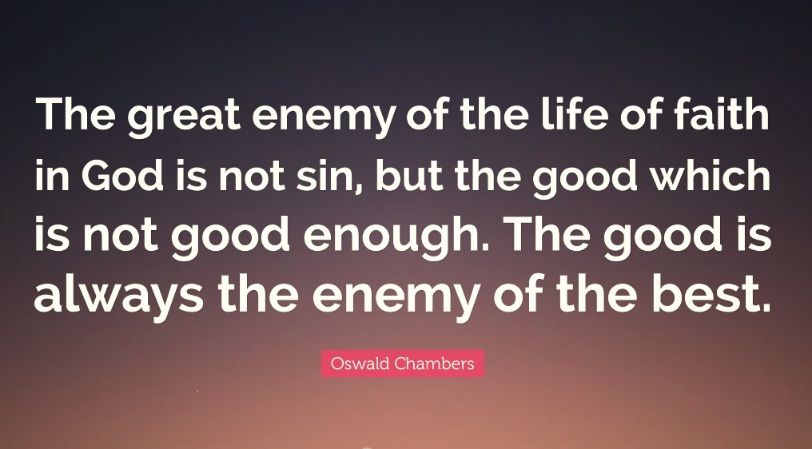









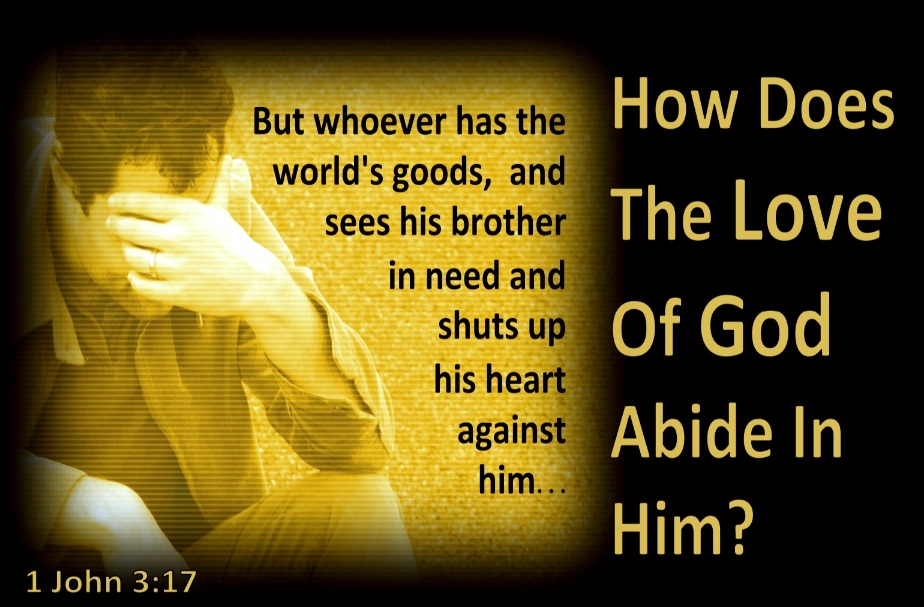

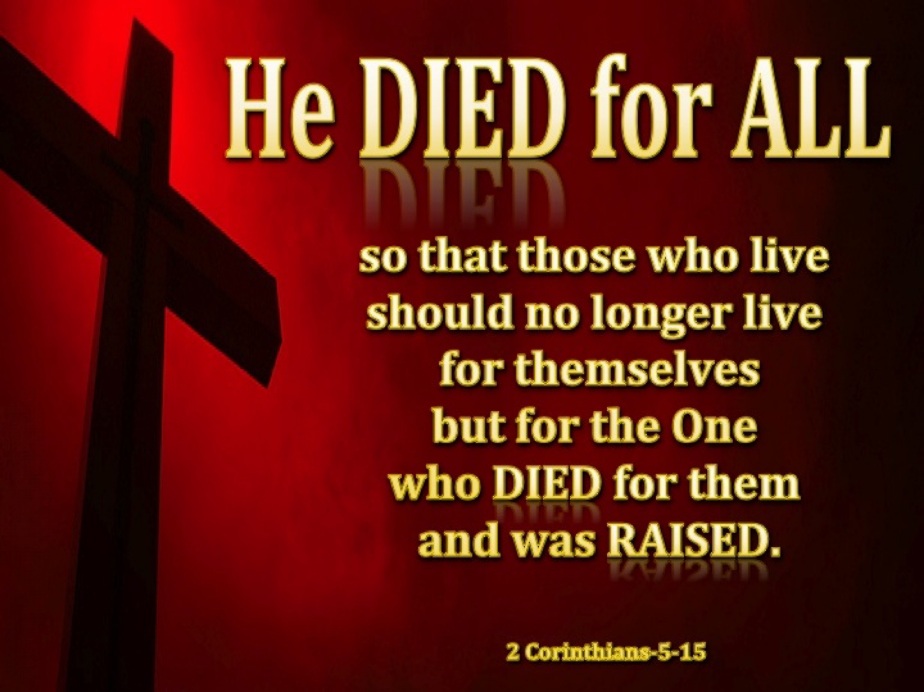
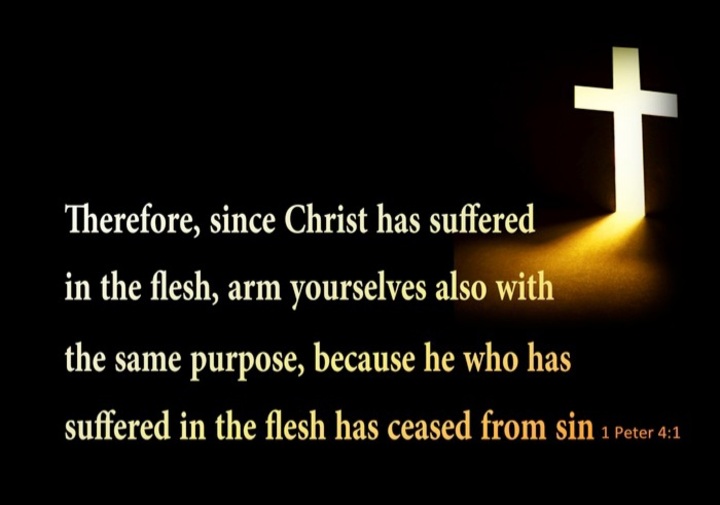

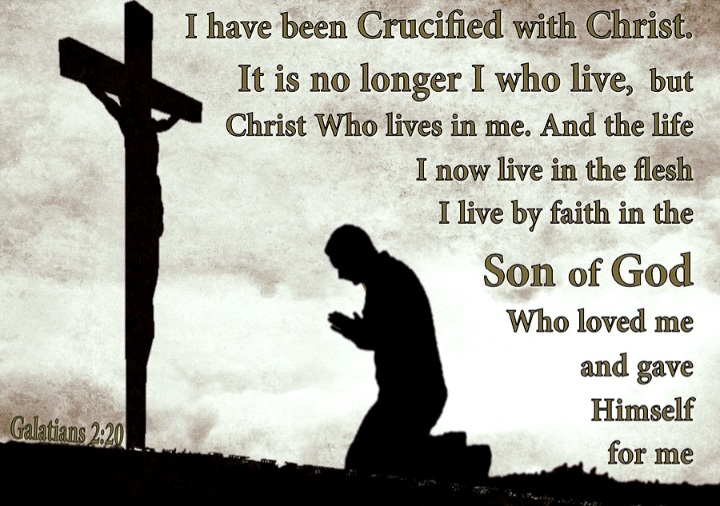



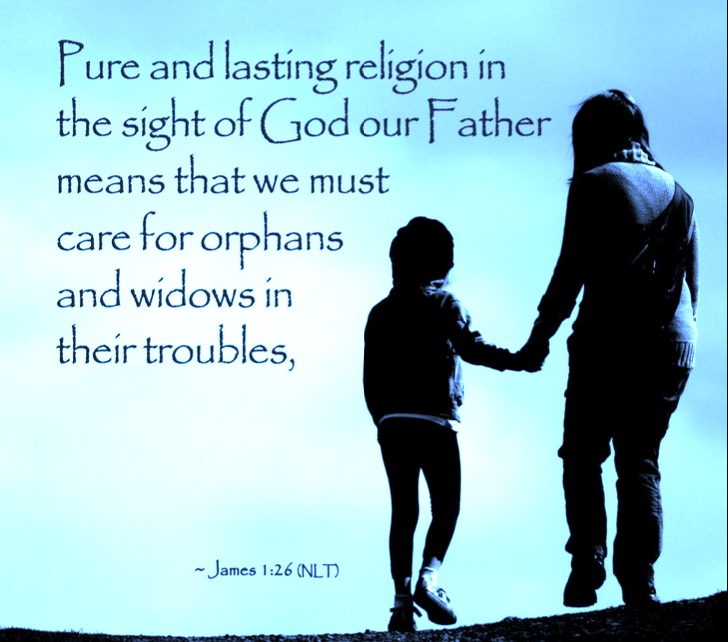








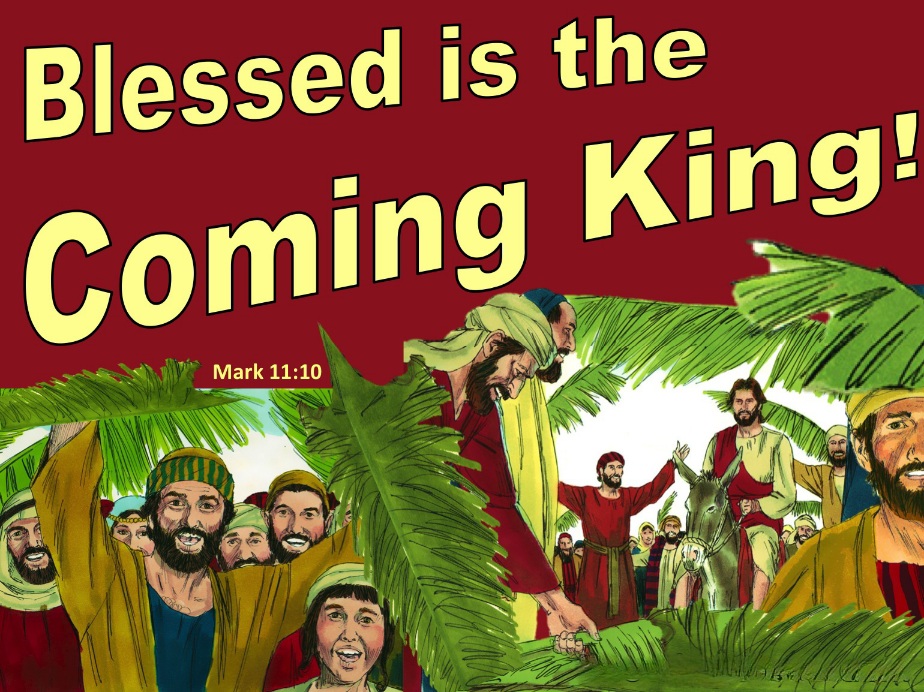

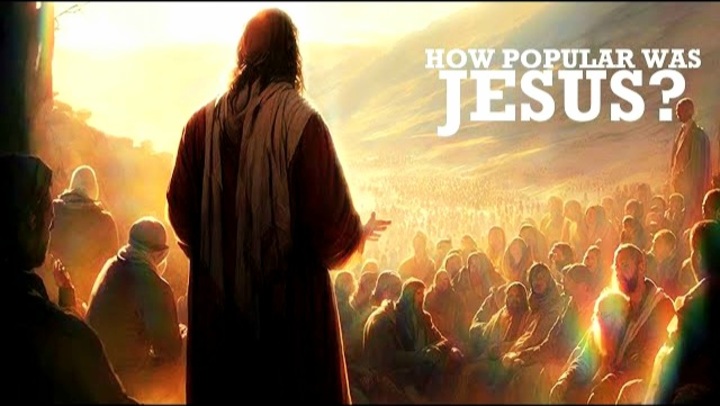

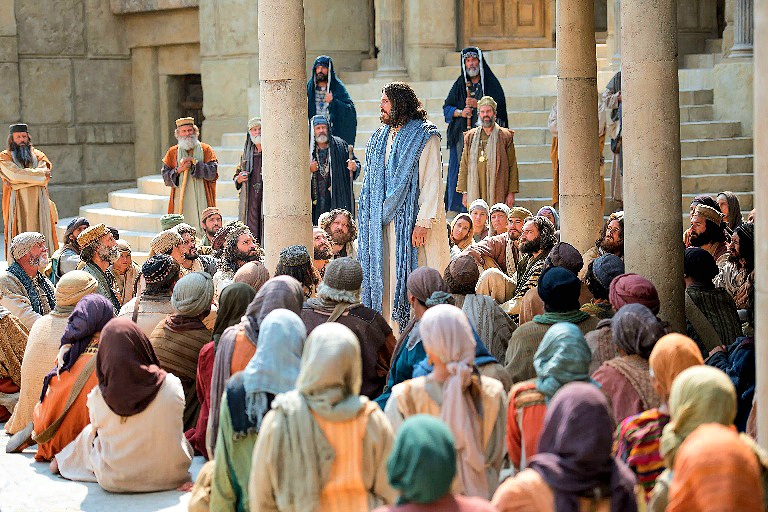





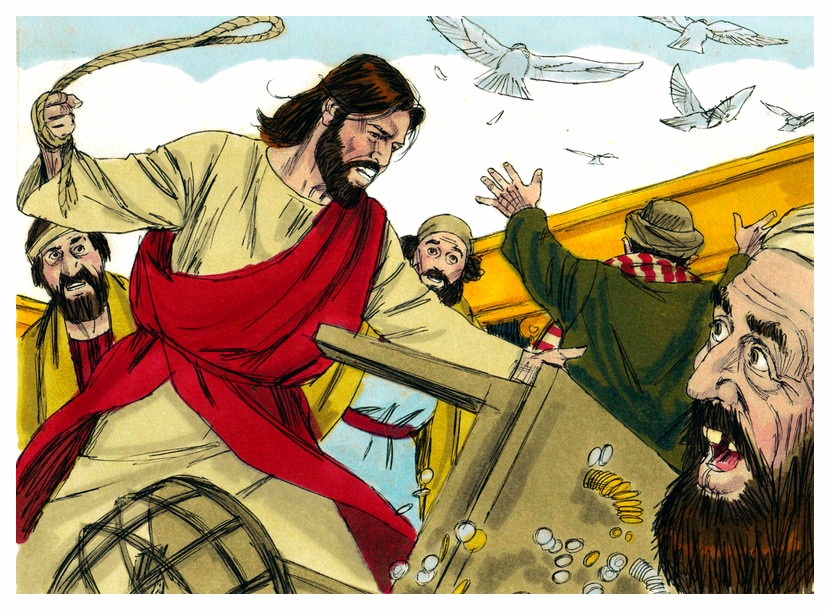

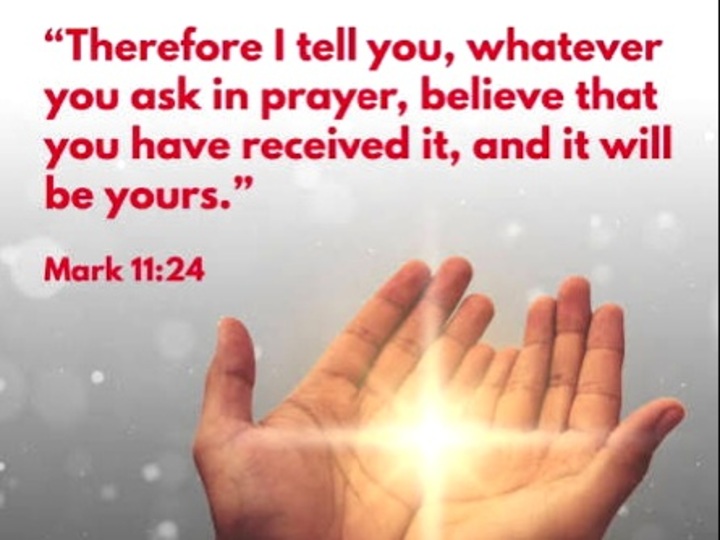



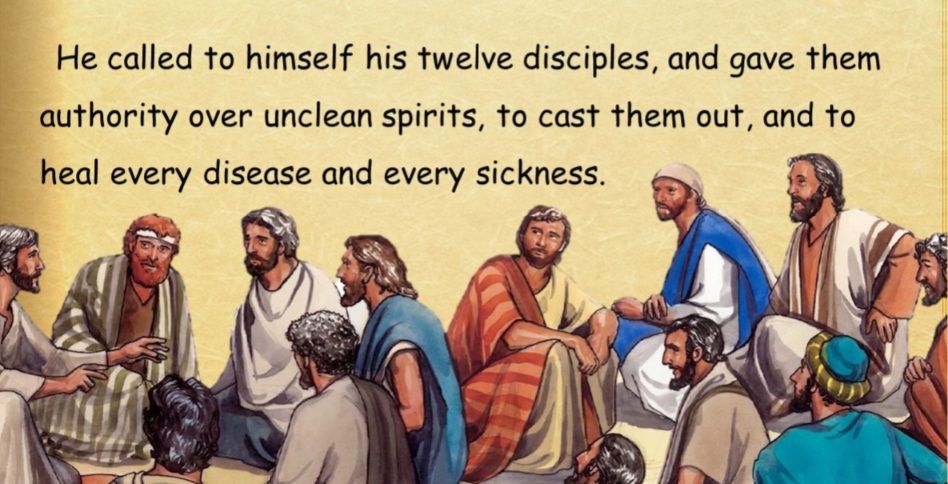

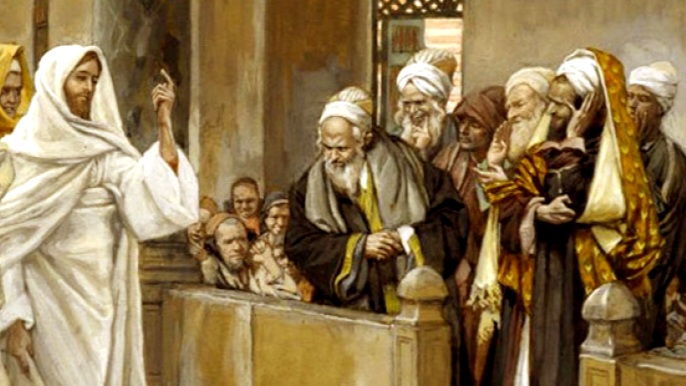
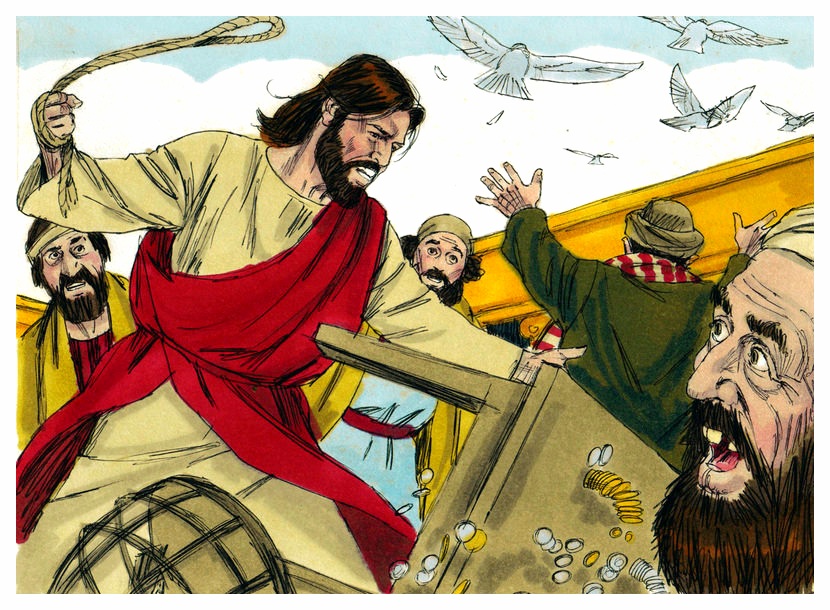
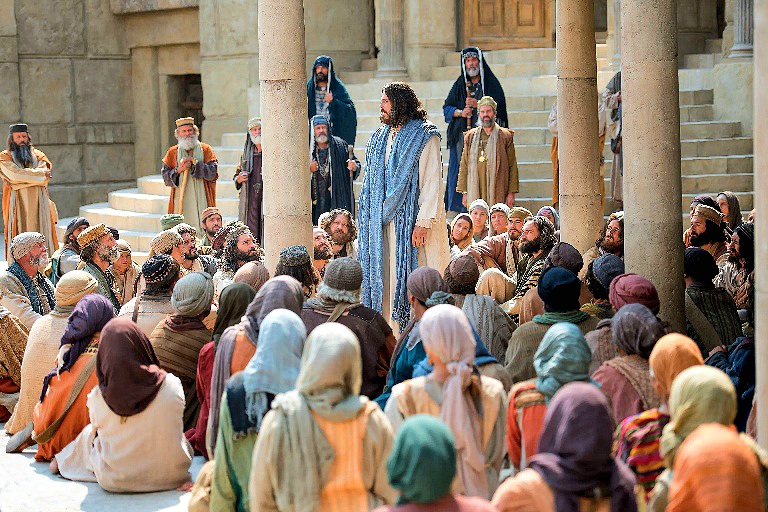
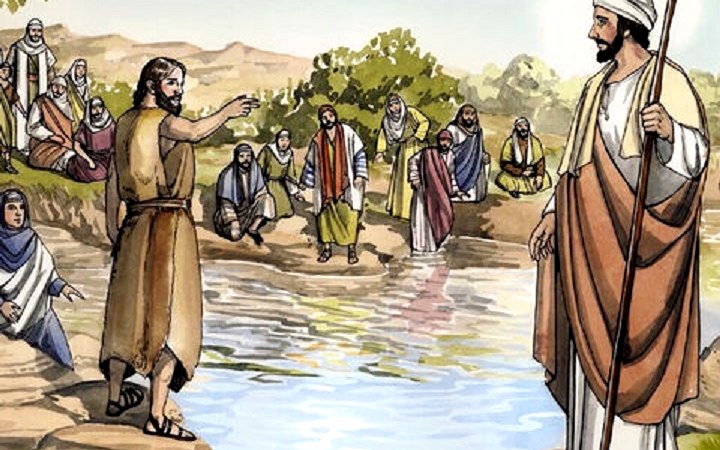




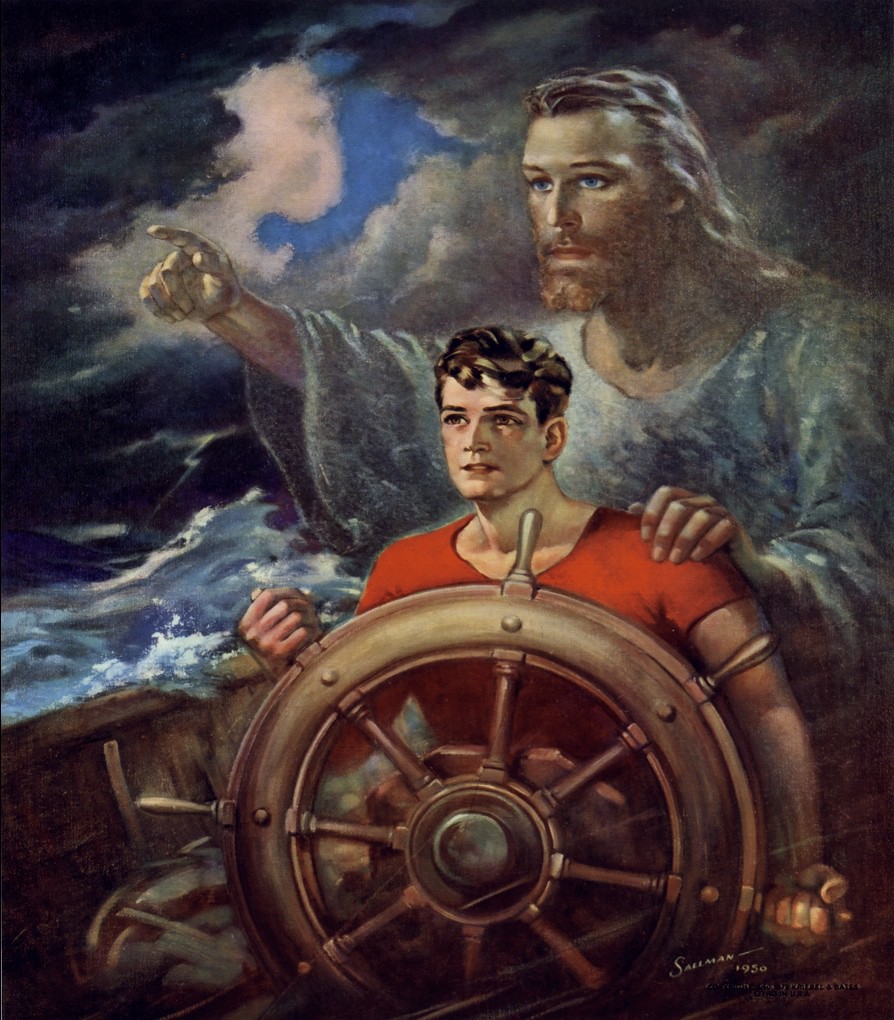








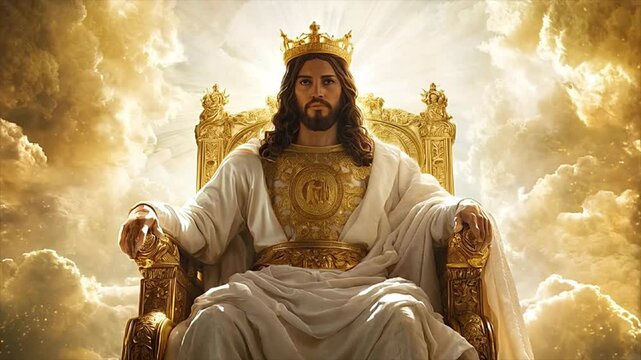
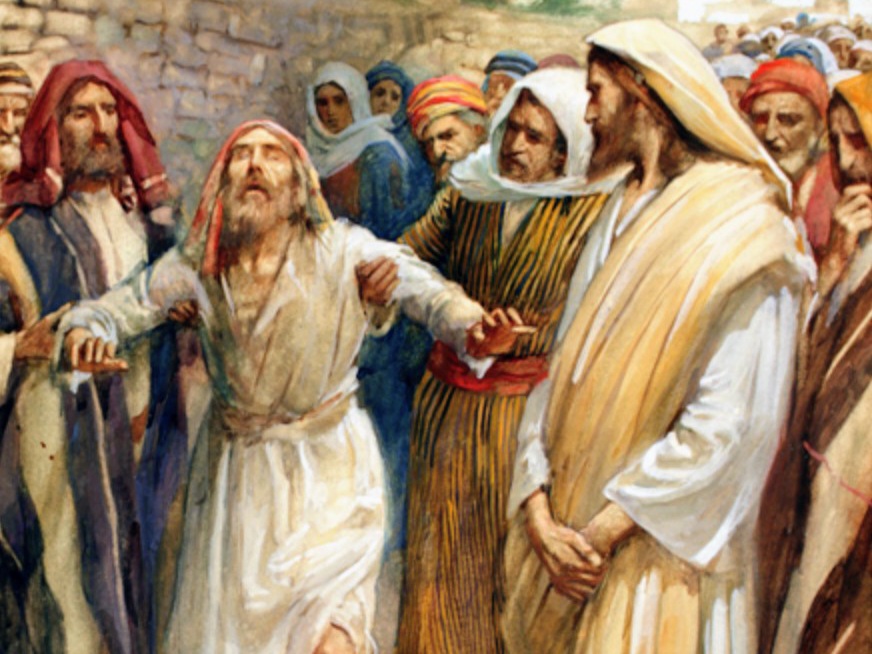
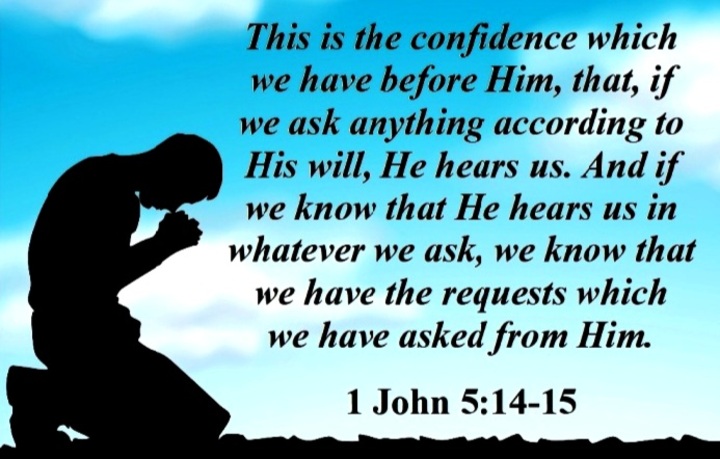







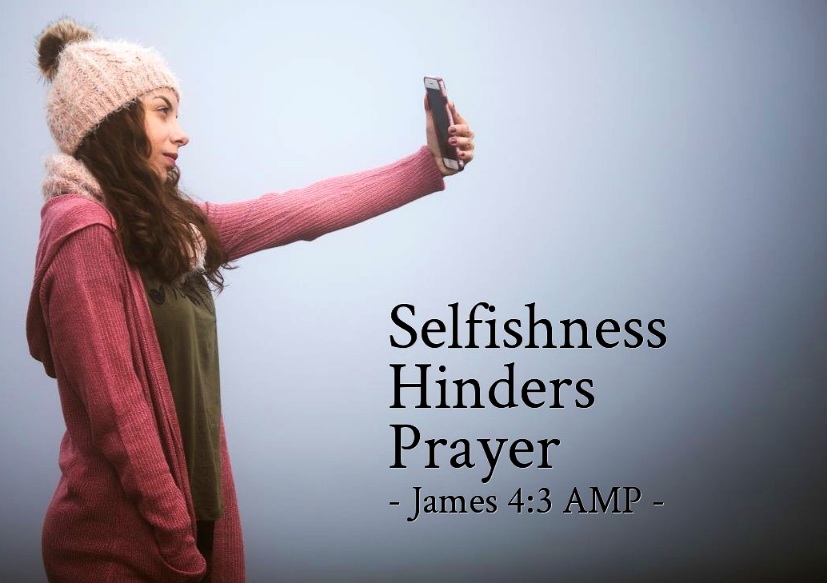




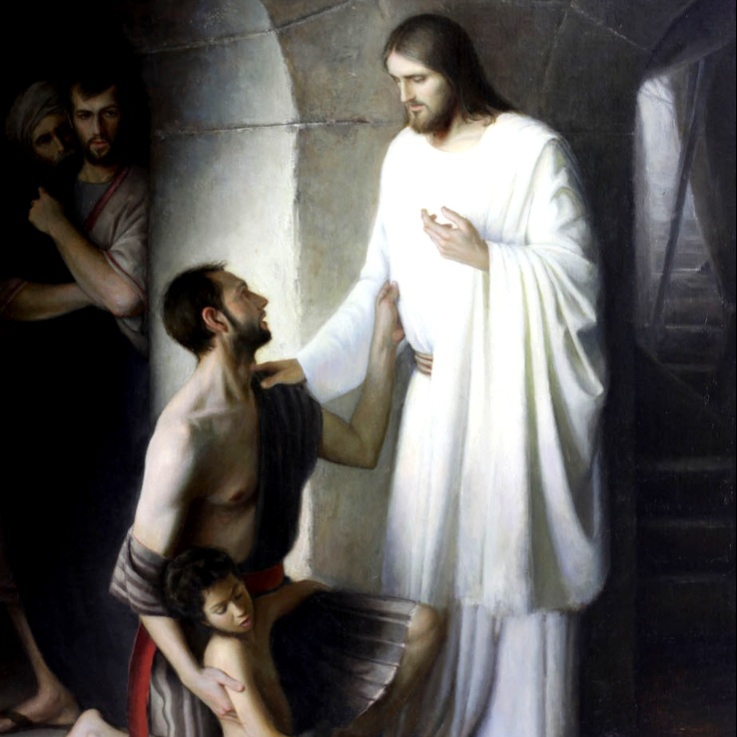

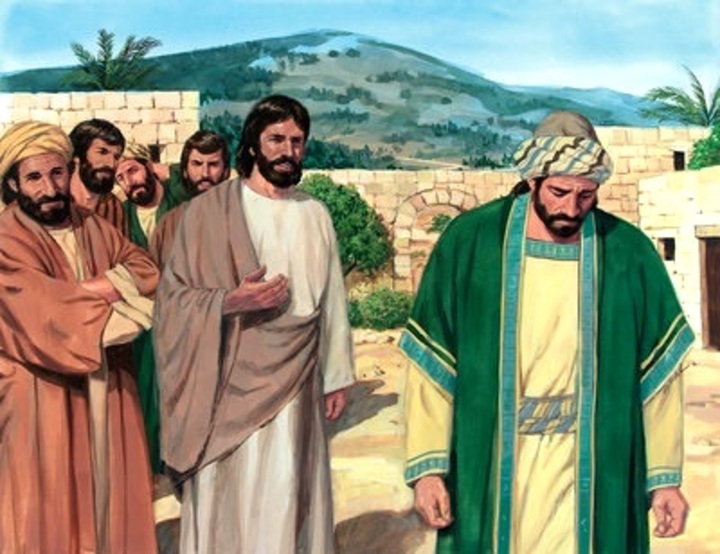


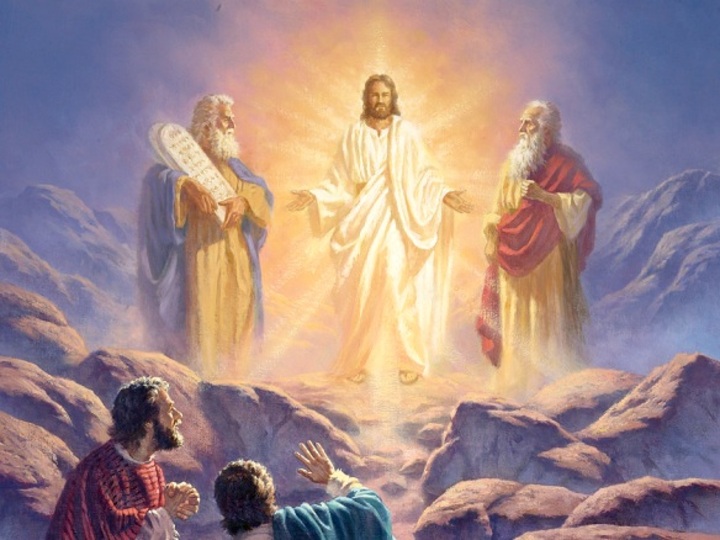








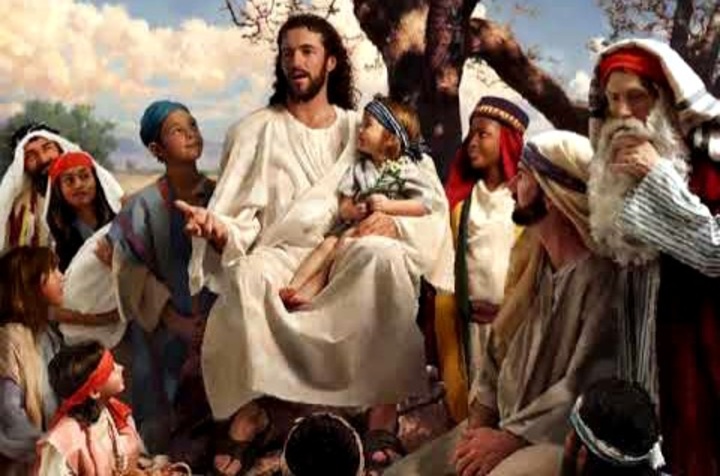
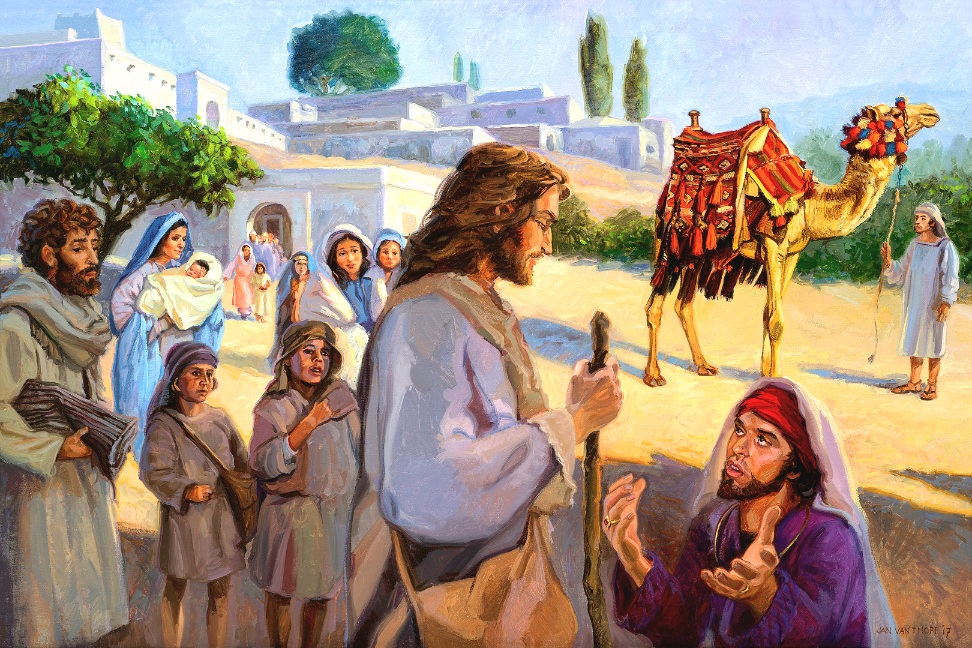



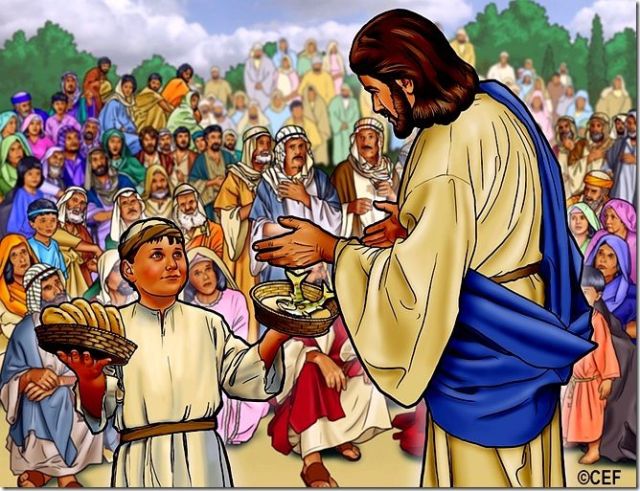
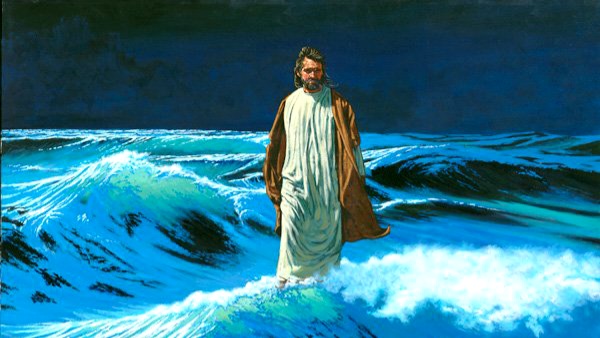


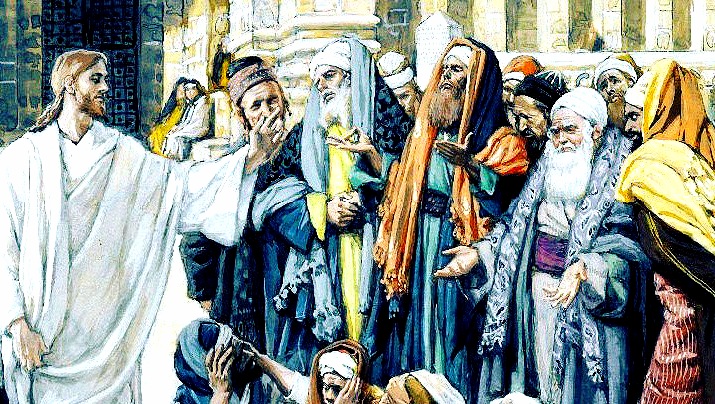
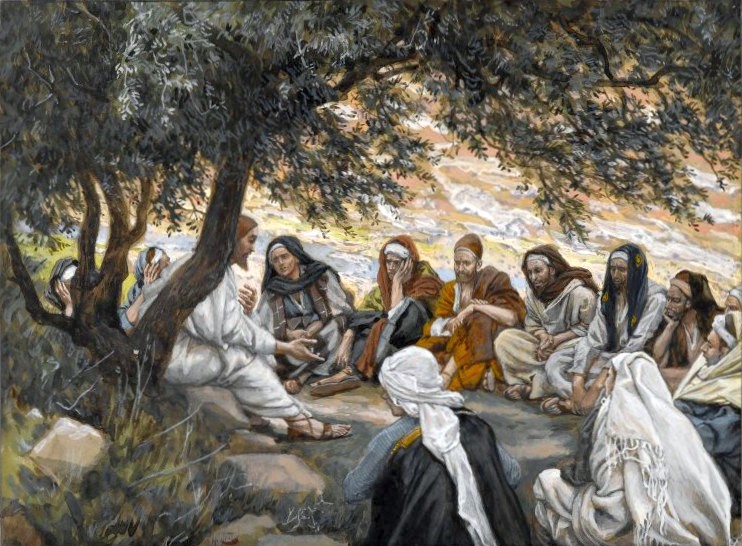


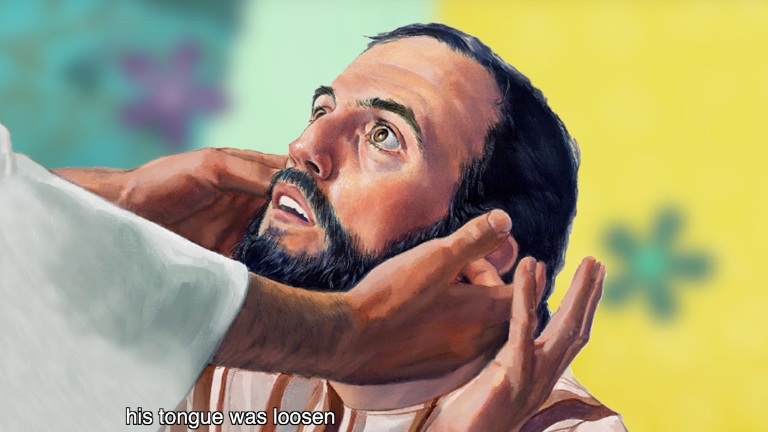



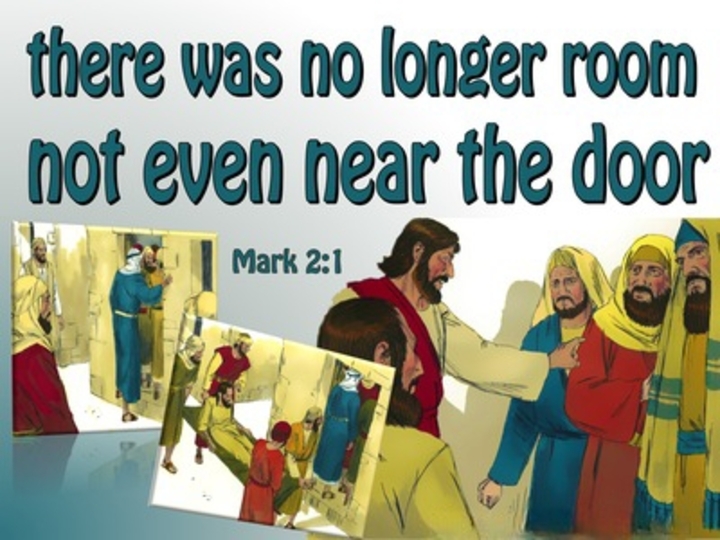
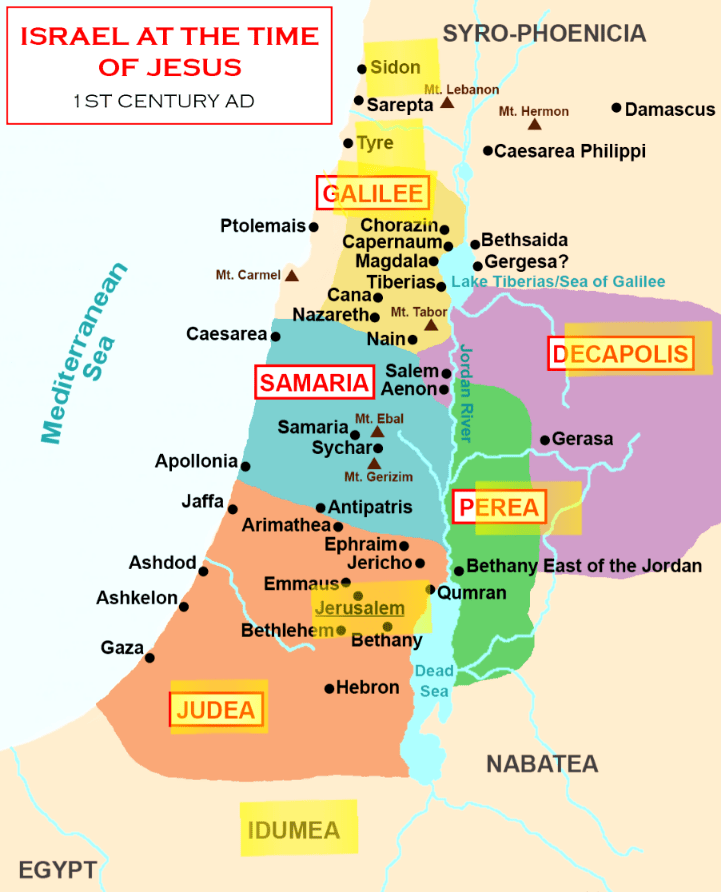


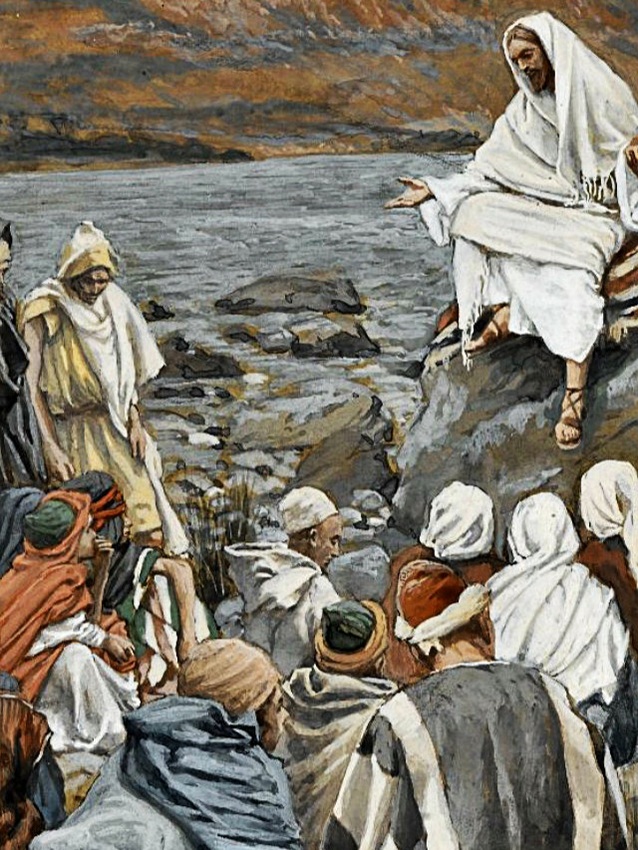

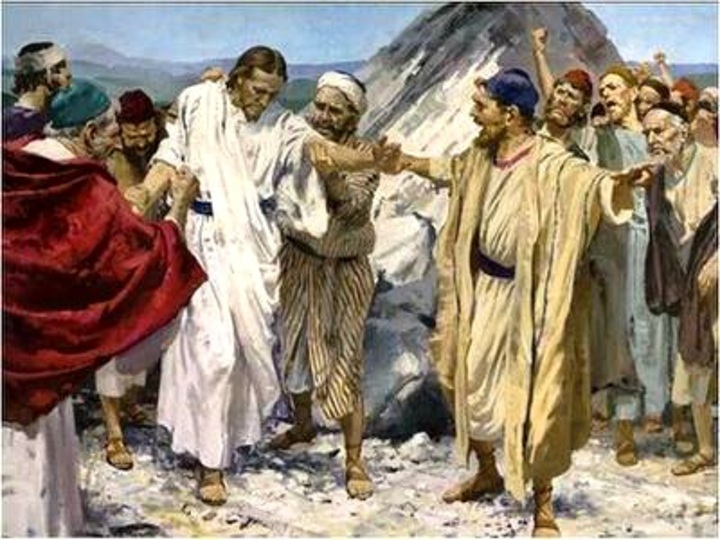
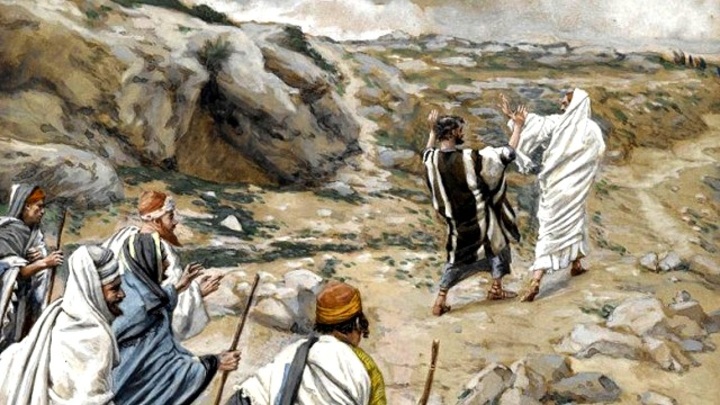
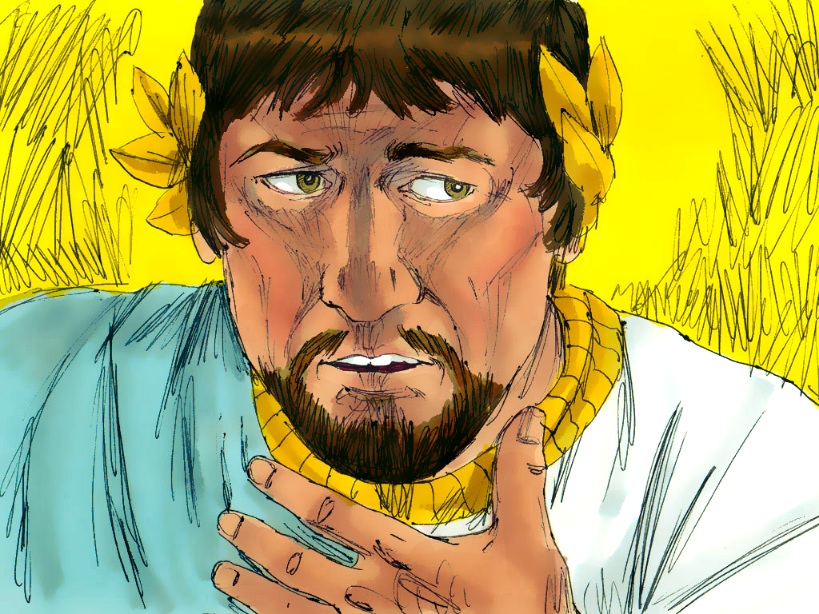

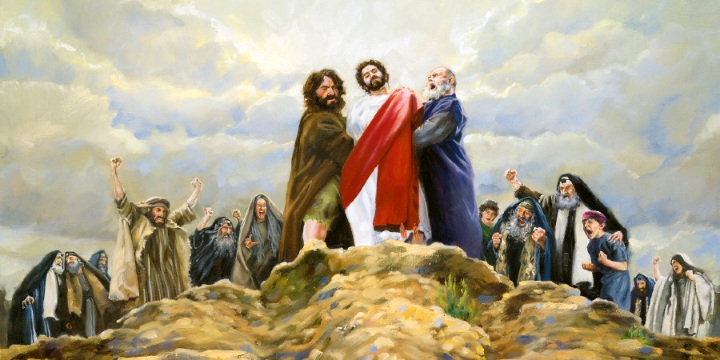
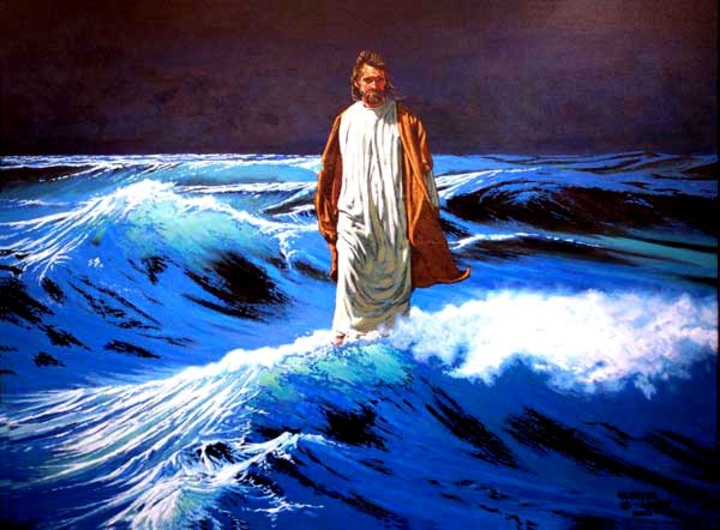
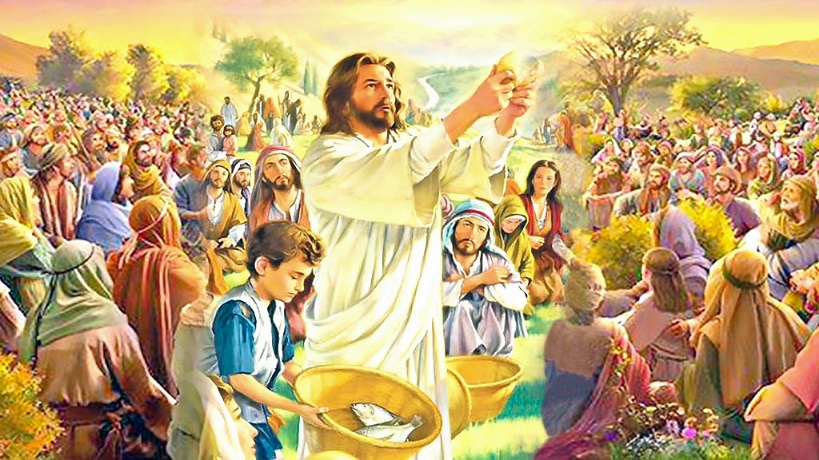
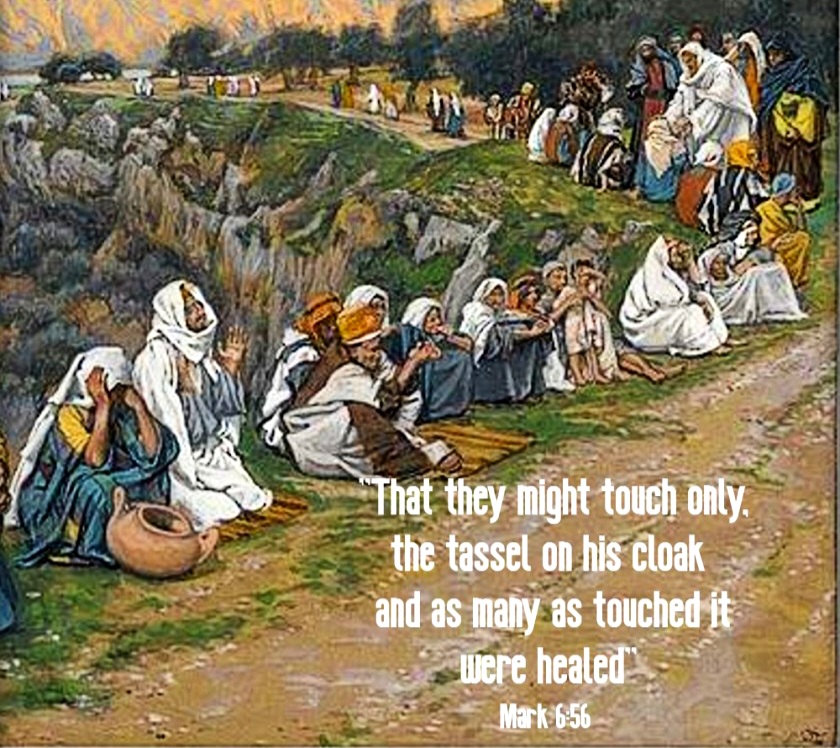
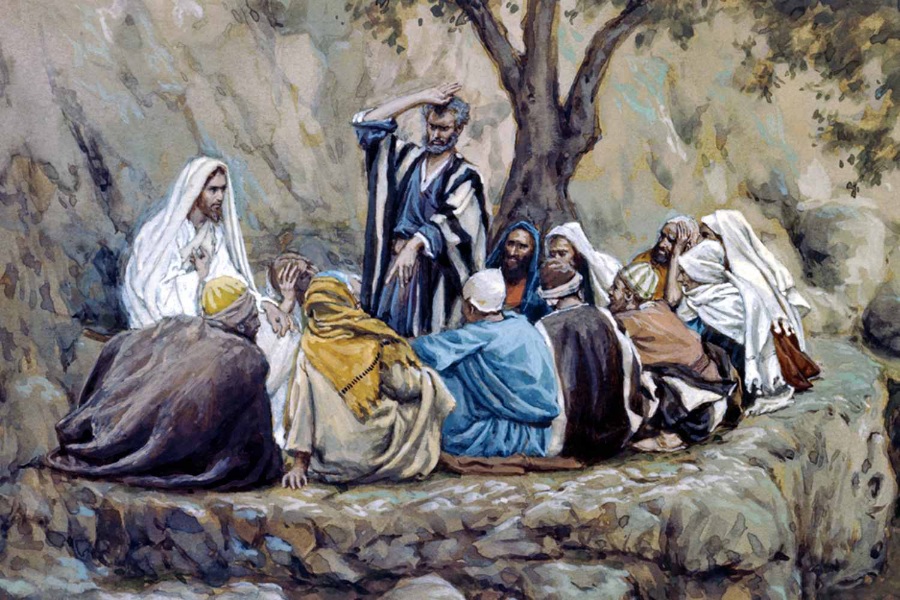
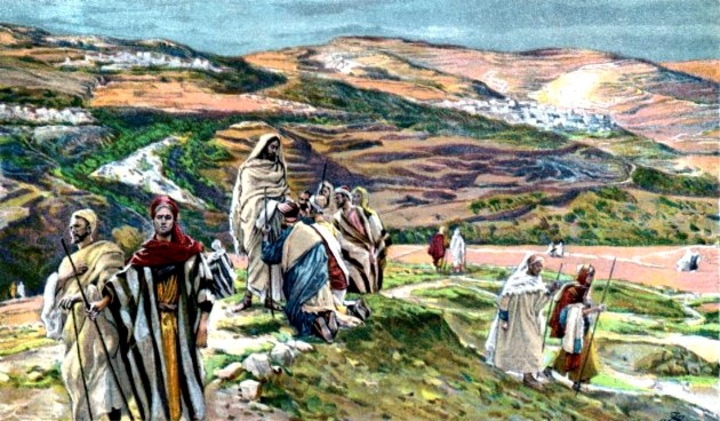
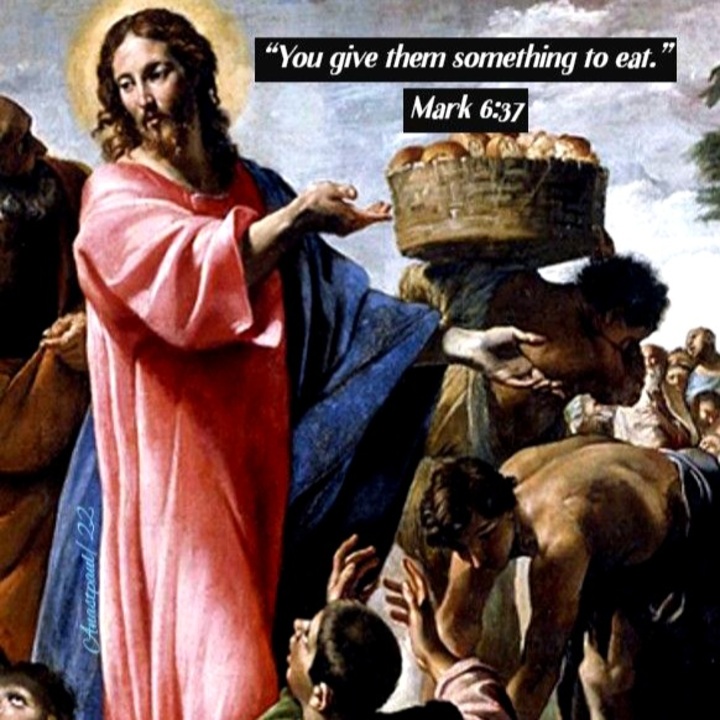
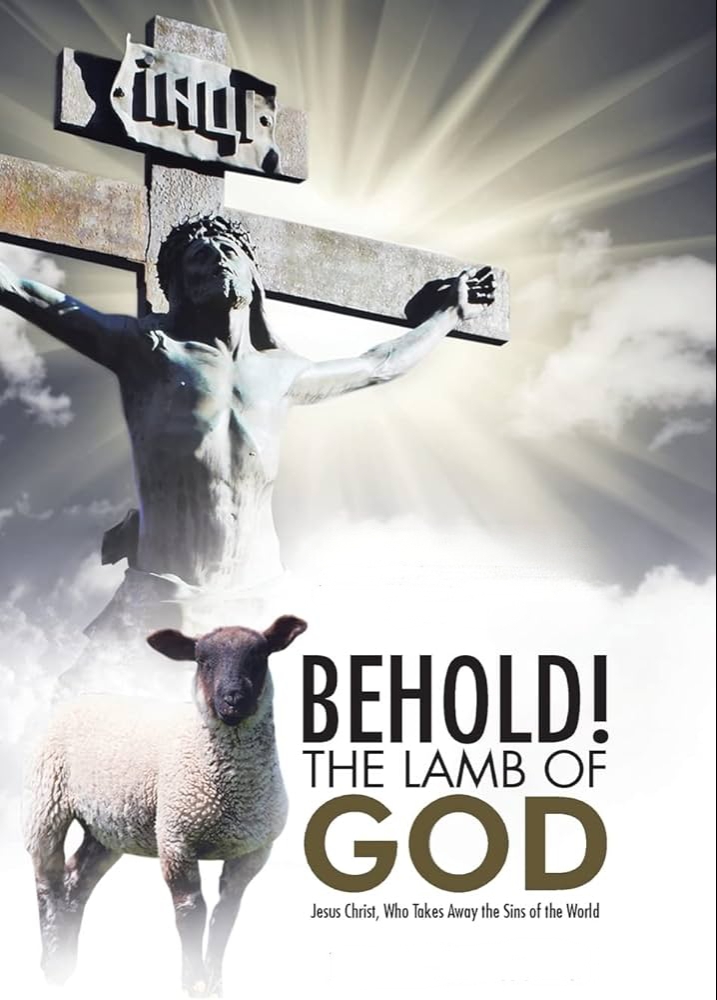


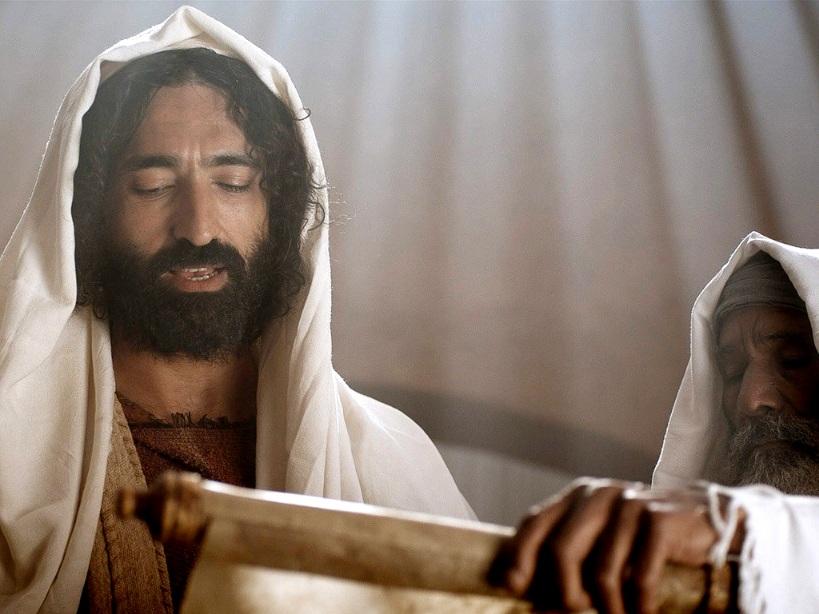
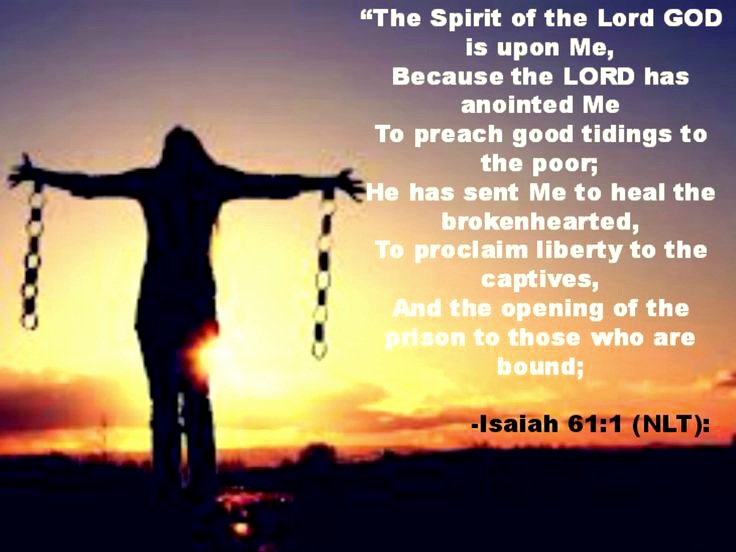







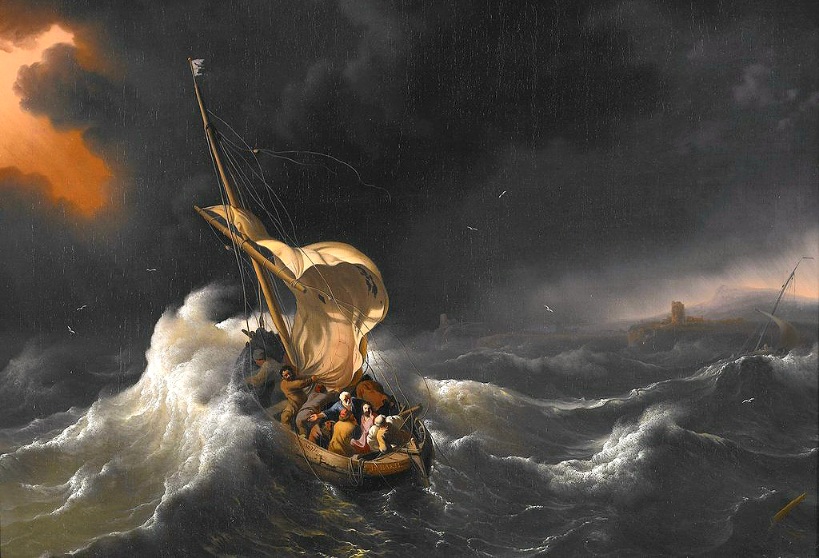
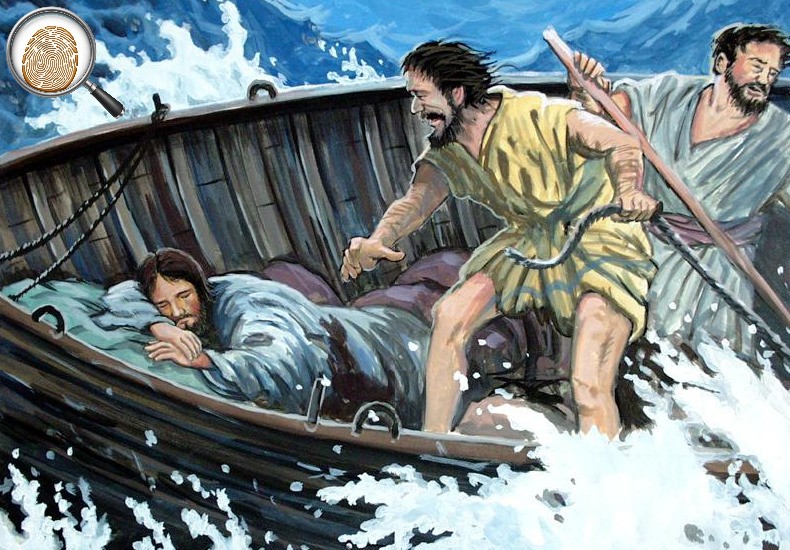
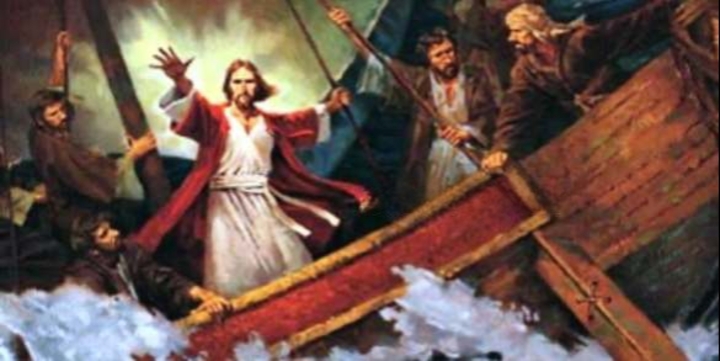

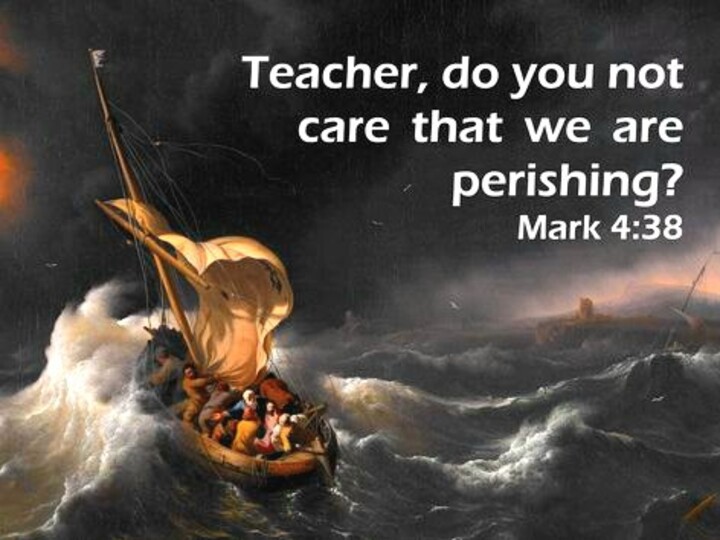



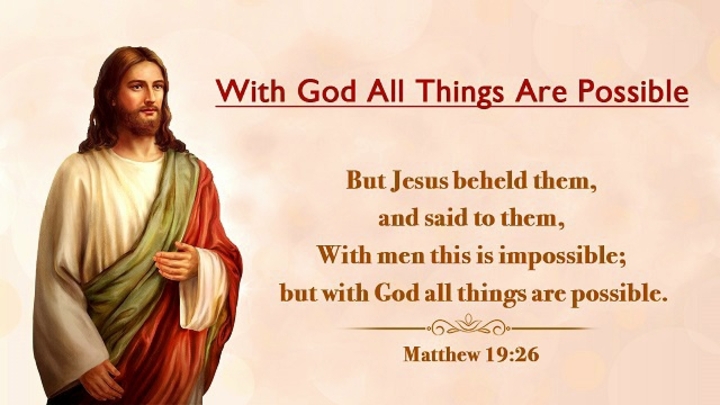
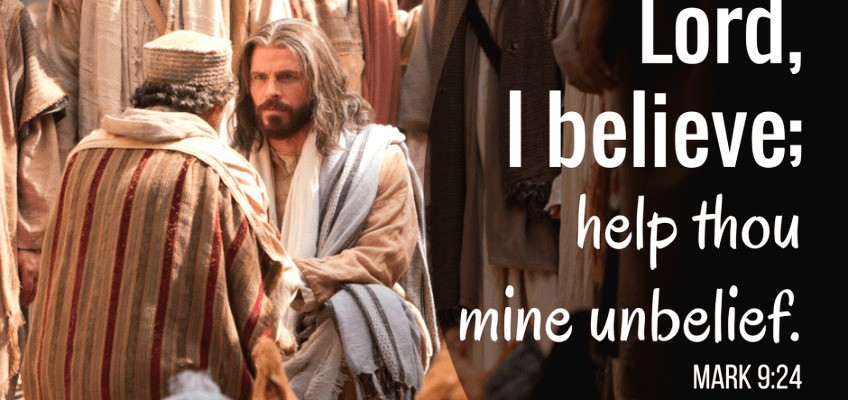






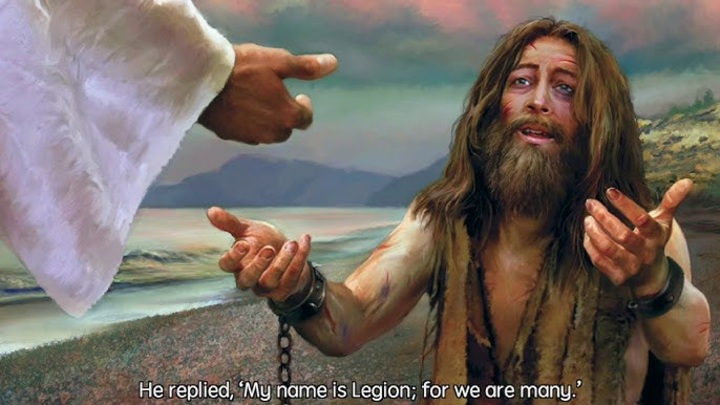
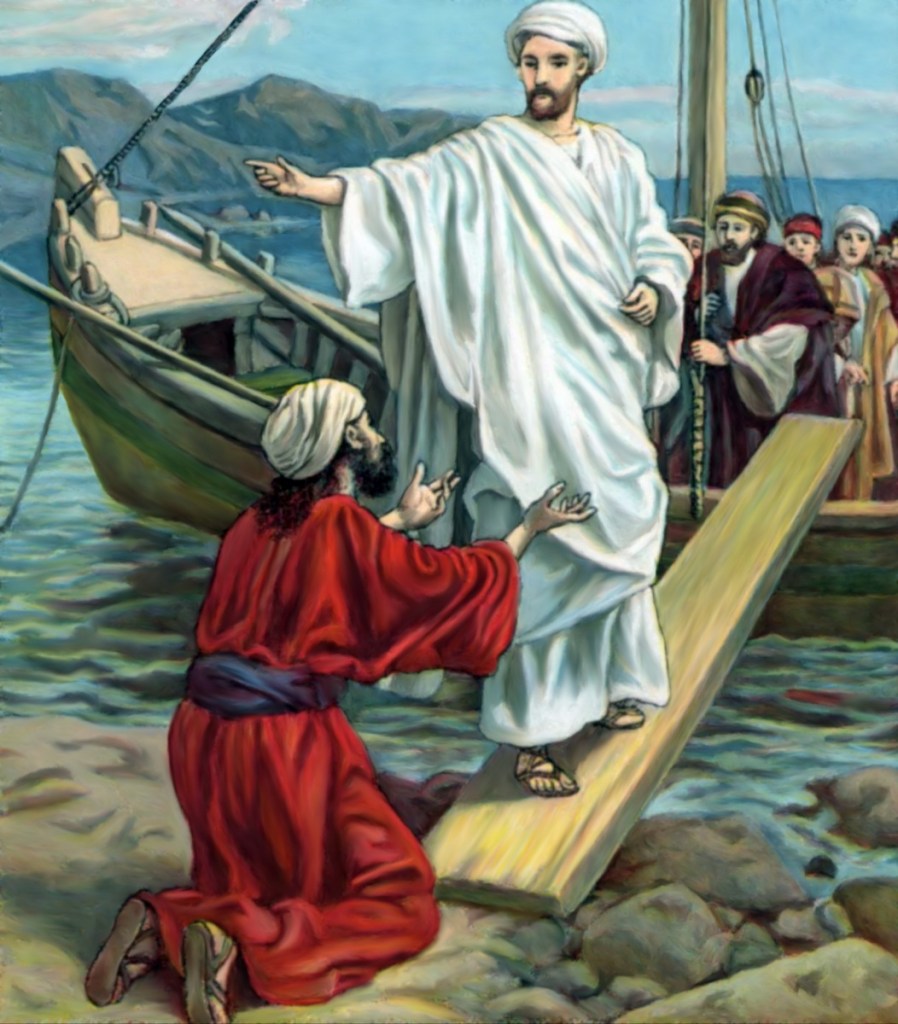
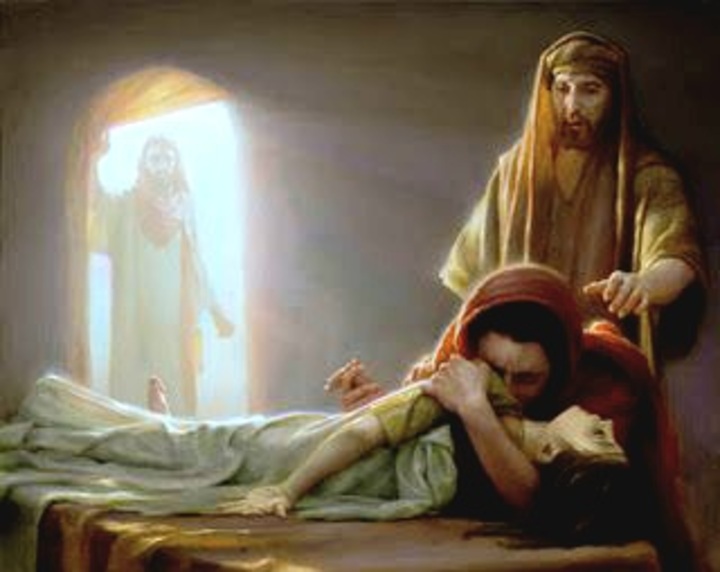




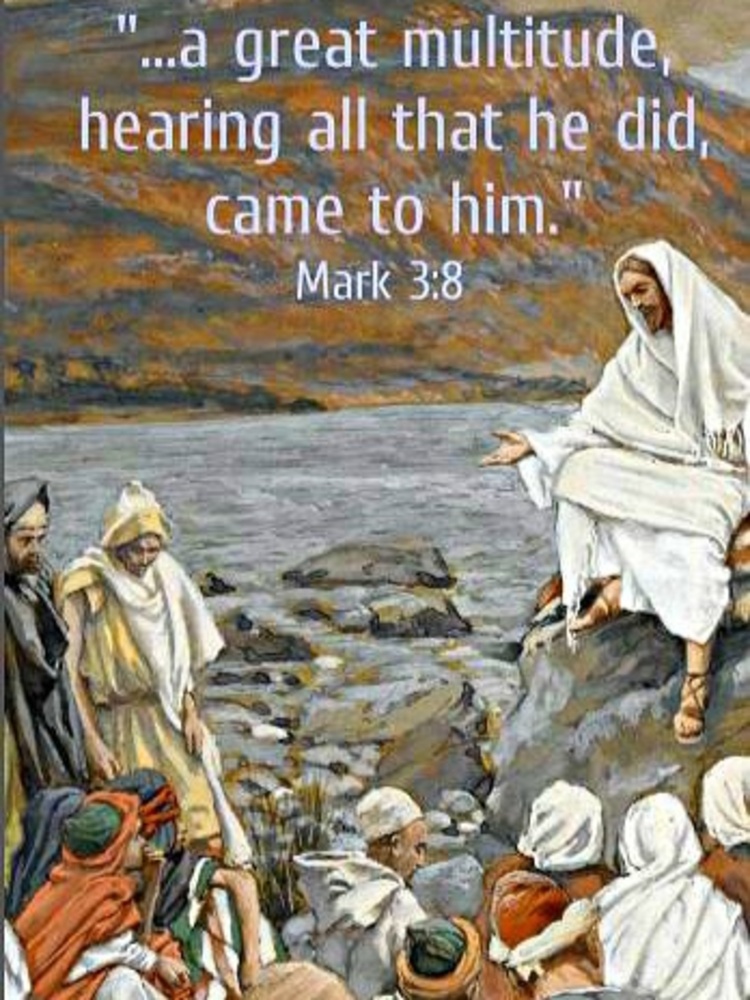
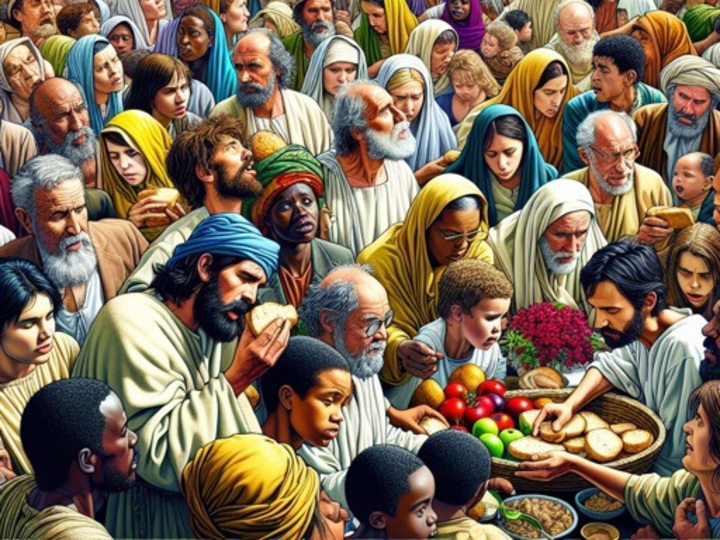
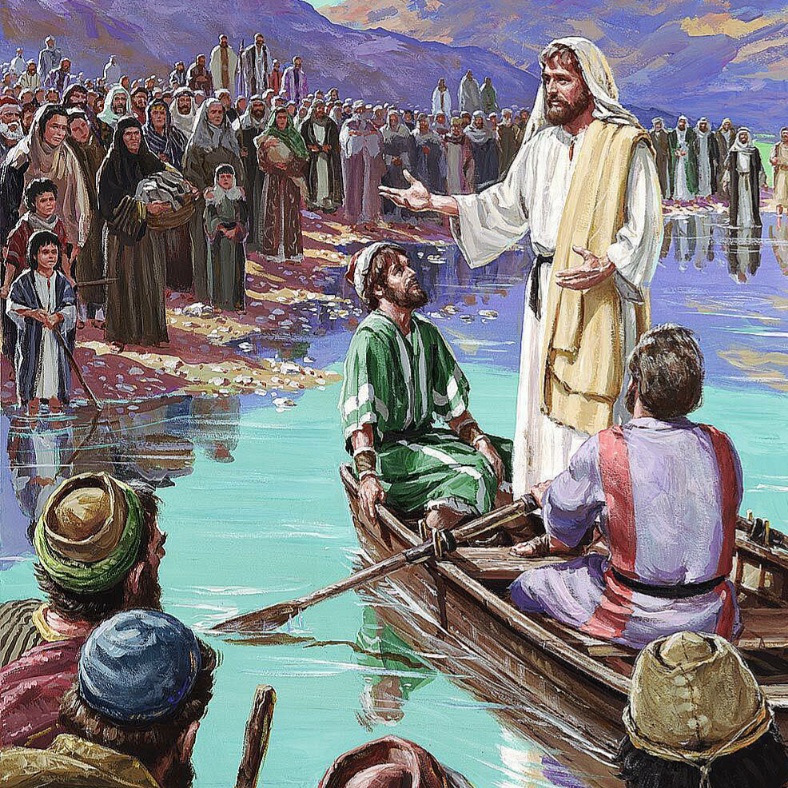
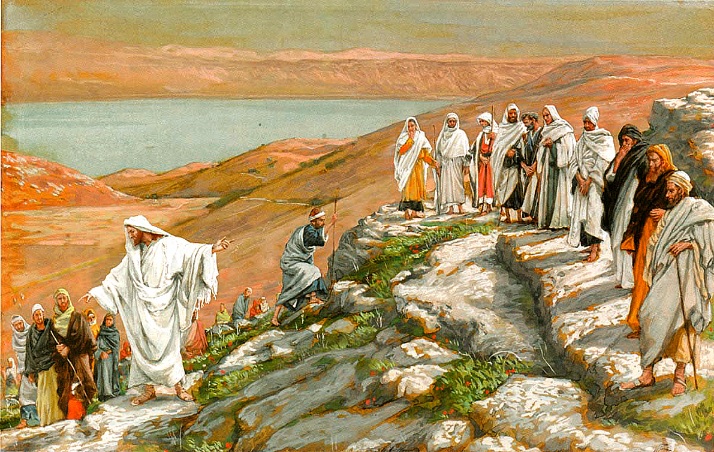
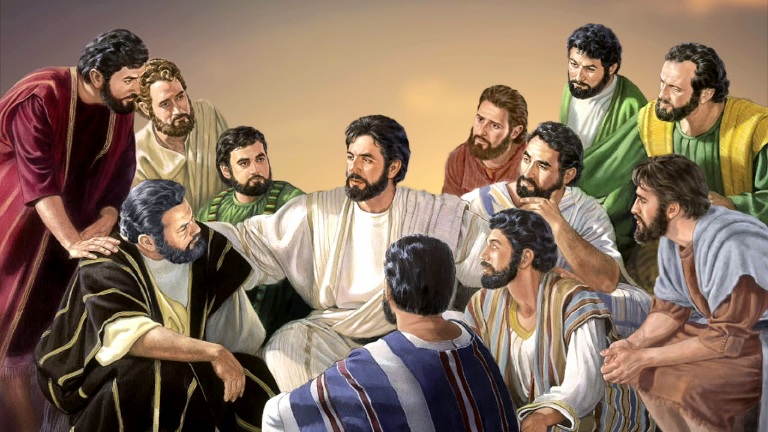


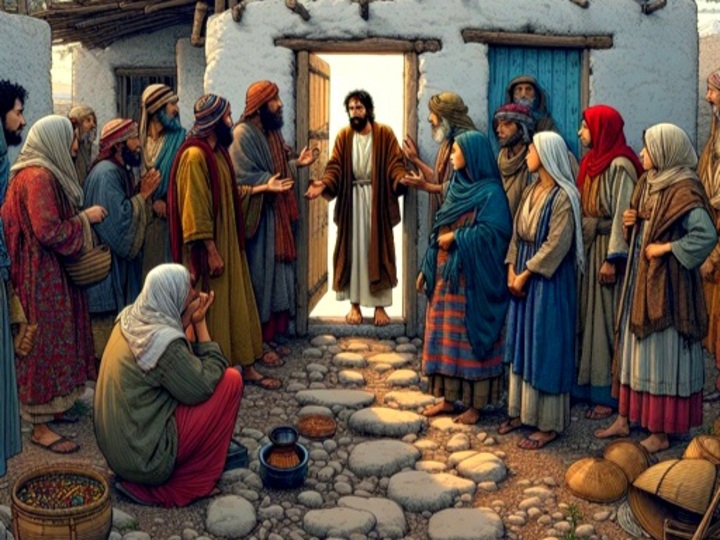

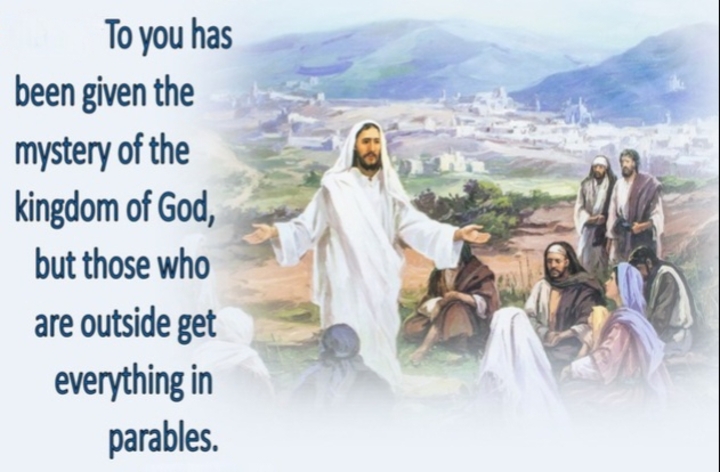











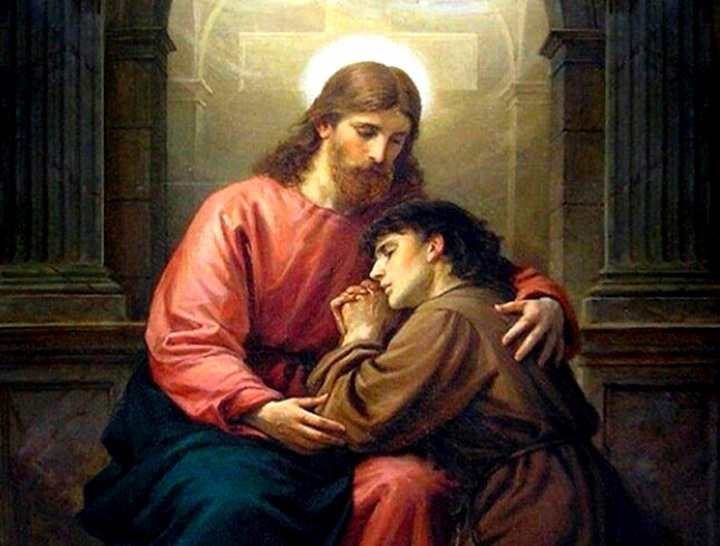


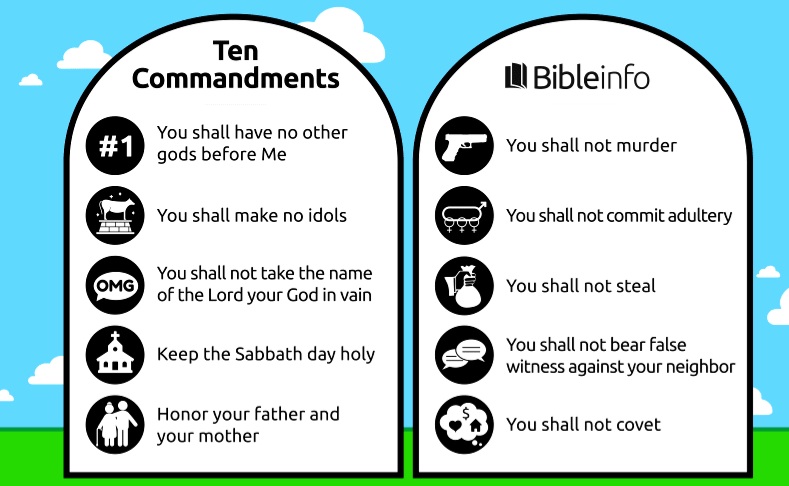



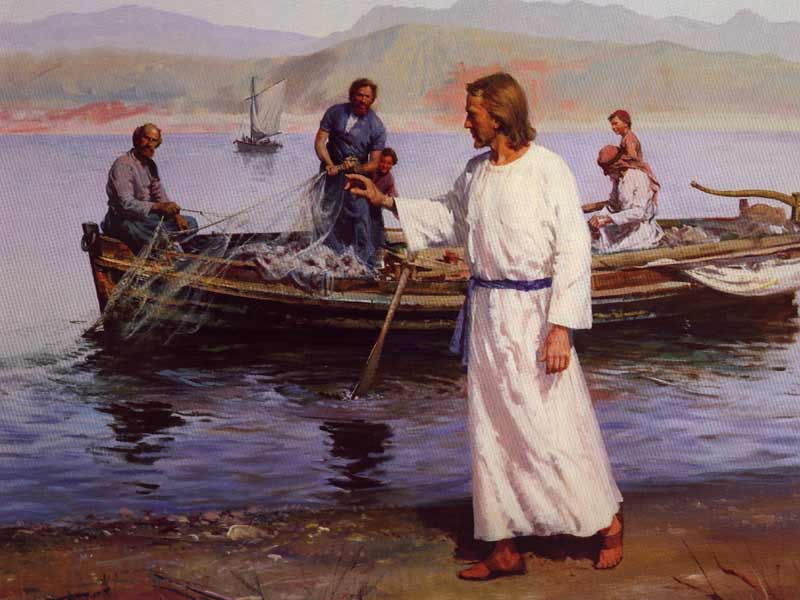
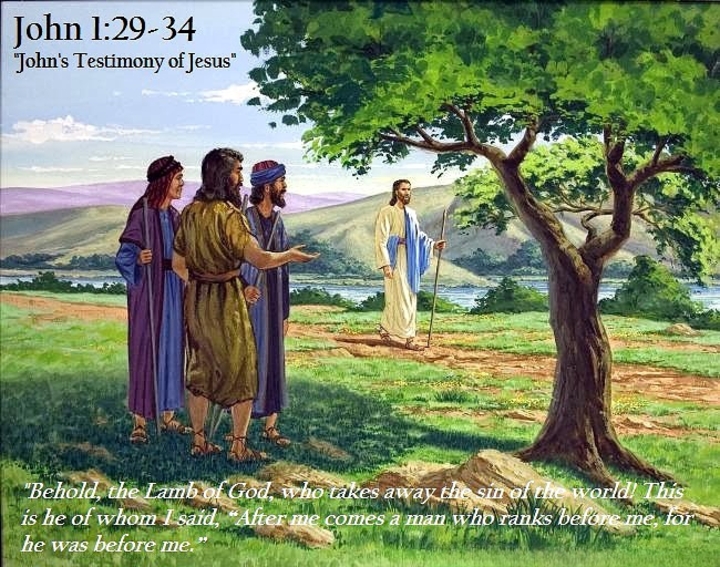

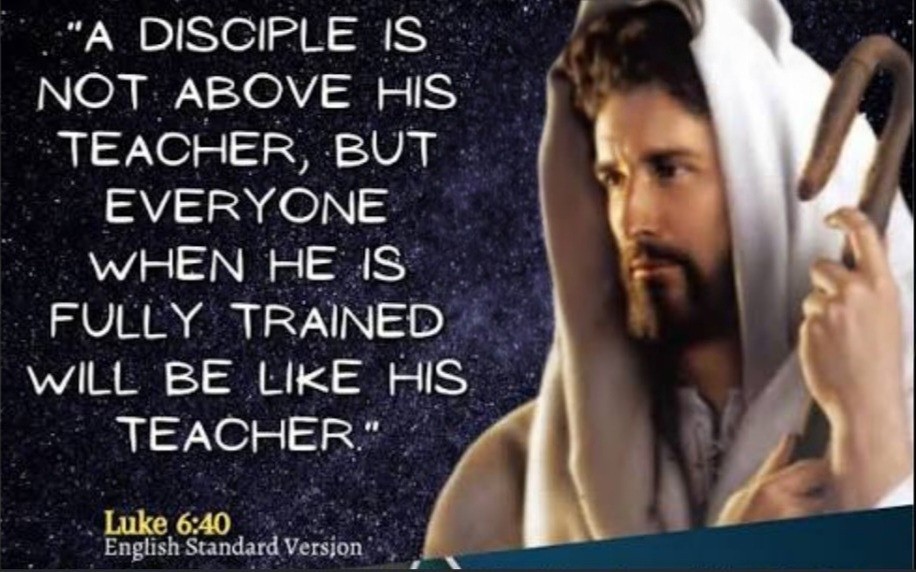





















 Bill's Bible Blog