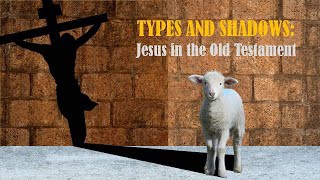
Biblical scholars throughout church history have written about how many of the prominent figures and events in the Old Testament ‘prefigure’ Jesus Christ. That is, there are similarities in certain things they did or happened to them. This is technically called ‘typology.’

We are going through the book of Exodus @SummitChurch.com and this weekend one of our teaching pastors, @BryanLorrits.com, spoke about this concept and compared the idea to when his mother baked a cake when he was growing up. (One of his nods to Mothers Day.)

Pastor Bryan said his mom loved to bake cakes. When little Bryan in another part of the house realized she was baking one, he would make his way to the kitchen. After she had finished mixing the ingredients, filled the cake pans and put them into the oven, all he had to do was be hanging around the kitchen. He didn’t have to ask her, not even silently beg with his brown, puppy dog eyes, she would just hand over the mixing spoon and let him lick the little bit of batter still clinging to it.

As he explained, part of the same goodness that was in the cake was on the spoon, but only enough for one person to partake of it. When the whole cake was finished, the whole family could partake of it and enjoy its goodness.

So, the similarities in O.T. figures and events to Jesus is like the taste that was enjoyed in a small way and in a limited scope, but Jesus is like the cake, the whole thing that can be enjoyed by all humankind.
In addition to Moses mentioned by Pastor Lorrits, and Isaac in my story, some of the other Old Testament people who foreshadowed the work and person of Jesus Christ (the Messiah) were Noah and the flood, Joseph saving his family from famine, David the King, Solomon his son of peace, and the prophets such as Jonah in the belly of a whale, Daniel in exile, and basically all of the other major prophets.
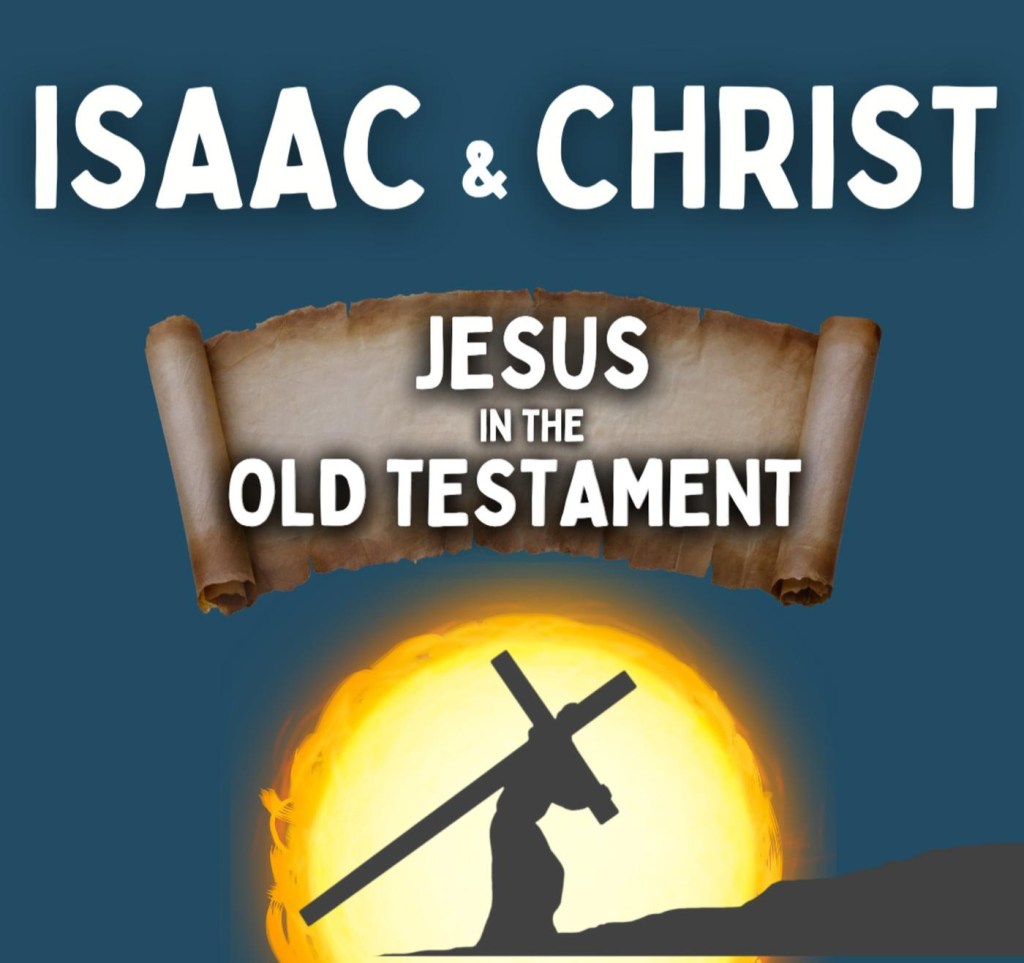
In this next series, I’m going to look at ways Isaac was like Jesus Christ. Those ways will be, but are not limited to:
1. They were both sons promised by God.
2. God ordered that they be sacrificed.
3. They carried the instruments of their sacrifice on their backs.
4. A substitute lamb (young sheep) was provided.
5. Both fathers received their sons back to them.
 Bill's Bible Blog