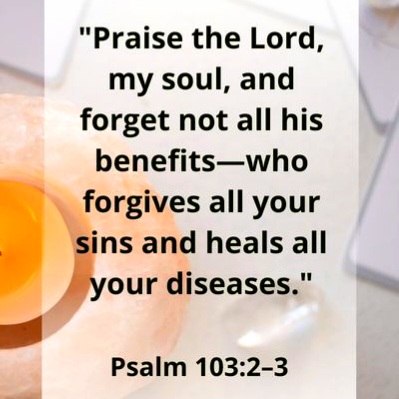
Our theme for April is Remember Who God is. Our second verse is Psalm 103:2-3,
The first Hebrew word in this Psalm, translated ‘Praise’ in this version, is classically translated “‘Bless’ the Lord, O My soul”, it means ‘to kneel’ at its root. It can mean, when used of people toward God, to kneel in honor of and to praise God as an act of worship.

On the flip side, when used of God blessing people, it means to kneel in humility and receive a blessing–whether intrinsic, such as a word of approval or praise; or something more extrinsic, such as prosperity and success in our efforts.

Benefits’ refers to good things we receive, specifically in recompense for something done. In the case of the nation of Israel, these are benefits they have received as a result of their keeping the Mosaic covenant with Jehovah God.
The benefits that David focuses on in verse 3 are forgiveness and healing. Let’s look more closely at these benefits that Israel received through the Law, and we as Christians receive through Jesus. I’ll do this in two mini-blogs.
2. Forgiveness (H5545) at its root, the Hebrew word means to spare from a deserved punishment, also translated to pardon. One interesting aspect of this word, it is ALWAYS used of God toward people. In other words, it is God’s gracious act of removing guilt and restoring fellowship with His covenant people.

The first occurrence of this word is after Israel’s rebellion with the golden calf. After Moses chisels out replacements for the two stone tablets of the Ten Commandments…

…Then the LORD came down in a cloud and stood before Moses and proclaimed His name, ‘the LORD,’ as He passed in front of Moses,
“The LORD, the LORD,
the compassionate and gracious God,
Slow to anger,
abounding in love and faithfulness, maintaining love to thousands, and forgiving wickedness, rebellion and sin.
Yet He does not leave the guilty unpunished;
He punishes the children and their children for the sin of the parents
to the third and fourth generation.”
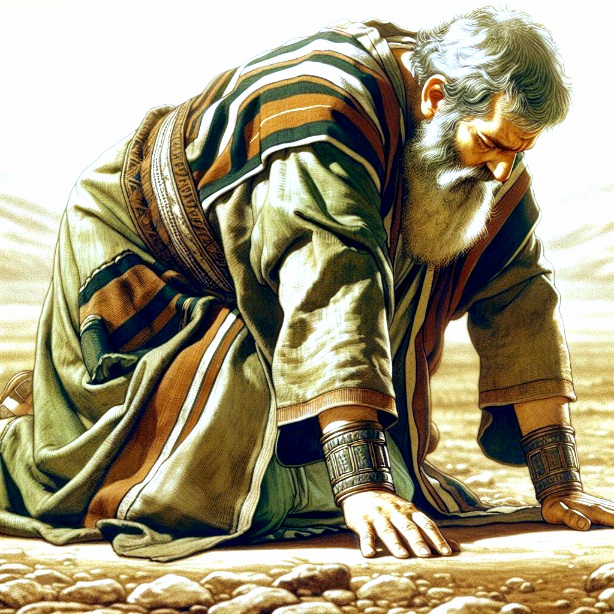
Moses then pleads with God, “O LORD, let the LORD go among us… and PARDON our iniquity and our sin” (Exodus 34:5-9, NIV).
Moses’ plea for Divine forgiveness and continued Divine presence was based on God’s revealed character—”forgiving wickedness, rebellion and sin.”
Our own prayers for forgiveness are based on the Divine act of Jesus’ sacrifice and His presence within us as the Holy Spirit.
We are counted as forgiven in God’s sight in Christ Jesus, but there is an experiential component to forgiveness in our lives.
So, what is it we should confess to and repent from in our lives? Moses mentioned three things in this prayer–iniquity (wickedness), rebellion and sin. Rebellion (H6588), also translated ‘transgression,’ was what Israel had just done, specifically disobey the expressed command of God, although all three were in evidence. So, what exactly are the two general ones and how are they different?
A. Iniquity, (H5771) also translated as fault, sin and wickedness. This is an inner state where we carry the blame for our actions against God and what is right, and we deserve to be punished for it. A modern equivalent would be LIABILITY.
B. Sin (H2403) used to indicate the actual offence and its associated penalty. It is used for breaking general moral laws that God makes clear in our conscience and in Creation around us. Just like breaking the natural physical laws, what we think of as the laws of science, there are negative consequences. When we break the moral/spiritual laws, God requires a payment, sacrifice or expiation, to atone for the wrongdoing, sin, or crime, in order to remove guilt and make amends, often for restoring a relationship, especially WITH God Himself.
As for Christians, Paul wrote about God’s forgiveness and it’s importance in our lives in two companion letters.
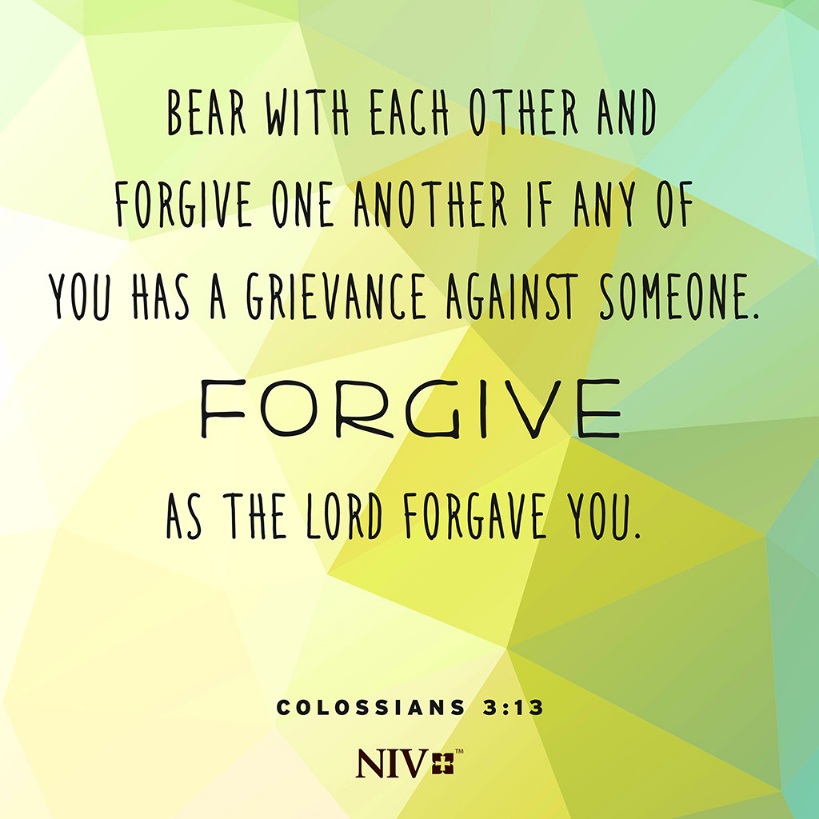
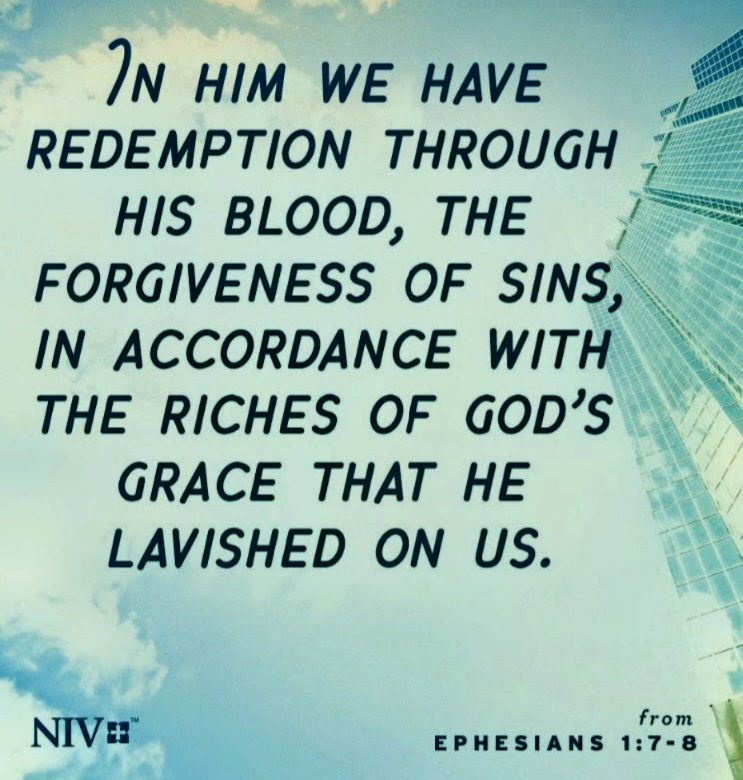
These statements hearken directly back to the teachings of Jesus. For example, in the Lord’s Prayer:
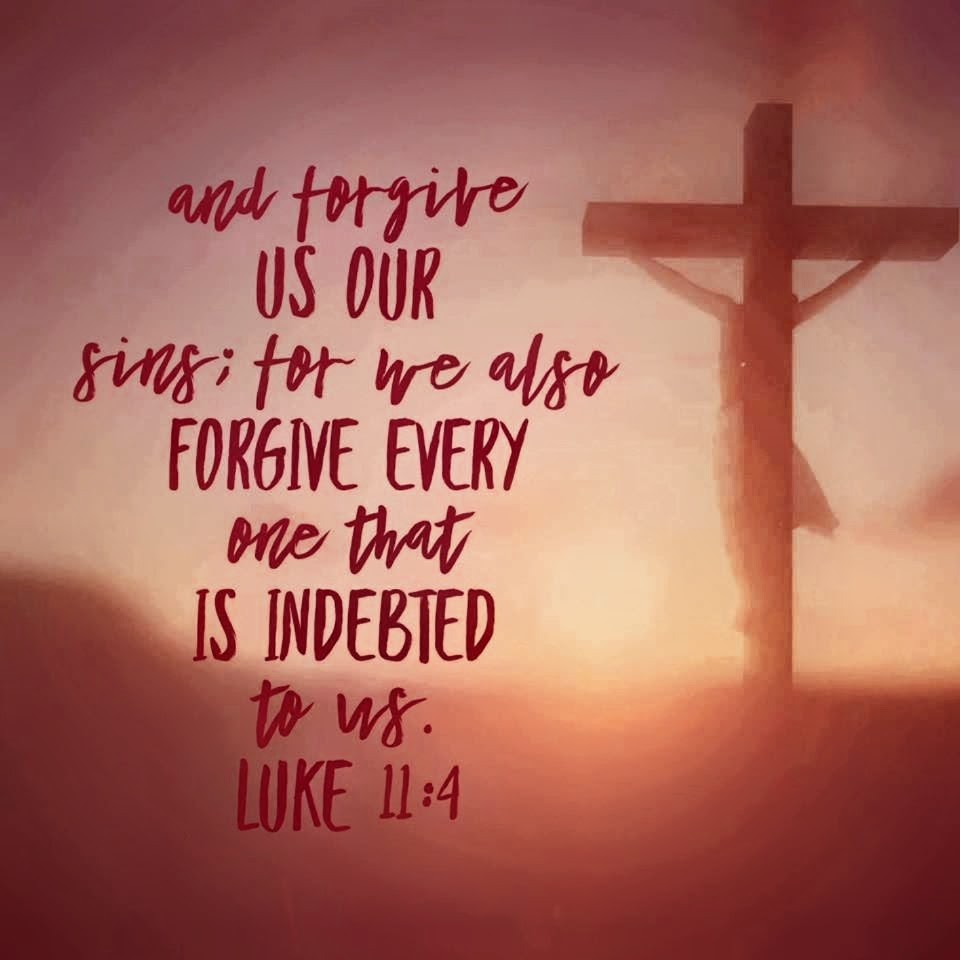
The interesting thing about the choice of words is that ‘sin‘ refers to the actual wrong act, and ‘debt‘ refers to what we owe–exactly the same meanings as ‘sin‘ and ‘iniquity‘ in the Old Testament.
So, for us as Christians–followers of and beneficiaries of Christ’s atoning sacrifice–it is even more important for us to take time each day to remember that God, in Jesus Christ, forgives our sins.
 Bill's Bible Blog
Leave a comment