Our theme for April is Remember Who God is. Our second verse is Psalm 103:2-3,
The first Hebrew word in this Psalm, translated ‘Praise’ in this version, is classically translated “‘Bless’ the Lord, O My soul”, it means ‘to kneel’ at its root. It can mean, when used of people toward God, to kneel in honor of and to praise God as an act of worship.
On the flip side, when used of God blessing people, it means to kneel in humility and receive a blessing–whether intrinsic, such as a word of approval or praise; or something more extrinsic, such as prosperity and success in our efforts.
Benefits’ refers to good things we receive, specifically in recompense for something done. In the case of the nation of Israel, these are benefits they have received as a result of their keeping the Mosaic covenant with Jehovah God.
The benefits that David focuses on in verse 3 are forgiveness and healing. Let’s look more closely at these benefits that Israel received through the Law, and we as Christians receive through Jesus. I’ll do this in two mini-blogs.
2. Forgiveness (H5545) at its root, the Hebrew word means to spare from a deserved punishment, also translated to pardon. One interesting aspect of this word, it is ALWAYS used of God toward people. In other words, it is God’sgracious act of removing guilt and restoring fellowship with His covenant people.
The first occurrence of this word is after Israel’s rebellion with the golden calf. After Moses chisels out replacements for the two stone tablets of the Ten Commandments…
…Then the LORD came down in a cloud and stood before Moses and proclaimed His name, ‘the LORD,’ as He passed in front of Moses,
“The LORD, the LORD, the compassionate and gracious God, Slow to anger, abounding in love and faithfulness, maintaining love to thousands, and forgiving wickedness, rebellion and sin.
Yet He does not leave the guilty unpunished; He punishes the children and their children for the sin of the parents to the third and fourth generation.”
Moses then pleads with God, “O LORD, let the LORD go among us… and PARDON our iniquity and our sin” (Exodus 34:5-9, NIV).
Moses’ plea for Divine forgiveness and continued Divine presence was based on God’s revealed character—”forgiving wickedness, rebellion and sin.”
Our own prayers for forgiveness are based on the Divine act of Jesus’ sacrifice and His presence within us as the Holy Spirit.
We are counted as forgiven in God’s sight in Christ Jesus, but there is an experiential component to forgiveness in our lives.
So, what is it we should confess to and repent from in our lives? Moses mentioned three things in this prayer–iniquity (wickedness), rebellion and sin. Rebellion (H6588), also translated ‘transgression,’ was what Israel had just done, specifically disobey the expressed command of God, although all three were in evidence. So, what exactly are the two general ones and how are they different?
A. Iniquity, (H5771) also translated as fault, sin and wickedness. This is an inner state where we carry the blame for our actions against God and what is right, and we deserve to be punished for it. A modern equivalent would be LIABILITY.
B. Sin (H2403) used to indicate the actual offence and its associated penalty. It is used for breaking general moral laws that God makes clear in our conscience and in Creation around us. Just like breaking the natural physical laws, what we think of as the laws of science, there are negative consequences. When we break the moral/spiritual laws, God requires a payment, sacrifice or expiation, to atone for the wrongdoing, sin, or crime, in order to remove guilt and make amends, often for restoring a relationship, especially WITH God Himself.
As for Christians, Paul wrote about God’s forgiveness and it’s importance in our lives in two companion letters.
We are to forgive others in the same way that God/Jesus has forgiven us.Our redemption came about by God’s grace in Jesus’ atoning sacrifice, therefore He can forgive our sins.
These statements hearken directly back to the teachings of Jesus. For example, in the Lord’s Prayer:
The interesting thing about the choice of words is that ‘sin‘ refers to the actual wrong act, and ‘debt‘ refers to what we owe–exactly the same meanings as ‘sin‘ and ‘iniquity‘ in the Old Testament.
So, for us as Christians–followers of and beneficiaries of Christ’s atoning sacrifice–it is even more important for us to take time each day to remember that God, in Jesus Christ,forgives our sins.
3. GOD’S FORGIVENESS: From the Lord’s Prayer, “Forgive us our trespasses as we forgive those who trespass against us,” and throughout the epistles, as here in Colossians, the message of “God has forgiven us, therefore we should forgive each other,” is repeated over and over again in the New Testament.
Forgiving others may not be the only key characteristic of being a Christian, but it certainly is one of the hardest! I think the key to grow in forgiving others comes from reaching a deeper understanding of just how much God has forgiven us through the suffering and sacrifice of Jesus Christ. Let’s look at that a little more closely, and it’s appropriate as we approach Easter.
Some Medieval European royalty had something called a ‘whipping boy.’ You see, a young prince was too privileged to be punished for the usual childhood misdeeds. So, they would find another child the same age and put the two boys together as playmates when they were very young. When the prince reached the age when physical punishment was considered appropriate, instead of whipping the prince, they would whip his playmate. Done properly, this was as effective as if they had whipped the Prince himself.
In the same way, Jesus physically suffered to pay the penalty for our sin. When you become aware that you have spoken or acted in a sinful manner, it’s ‘by His stripes that we are healed.’ Jesus was our ‘whipping boy.’
The healing has to do with sin and our relationship with God. When we act or speak in a manner contrary to God’s nature (sin), our closeness with God is broken. However, it can easily be restored because Jesus has already paid the penalty for it. We just have to confess and repent of what we did or said wrongly in order to claim God’s forgiveness.
WHAP! The penalty for our sin is another painful lash across the unprotected back of Jesus. Maybe that image will help you try a little harder to act and speak as God would like for you to.
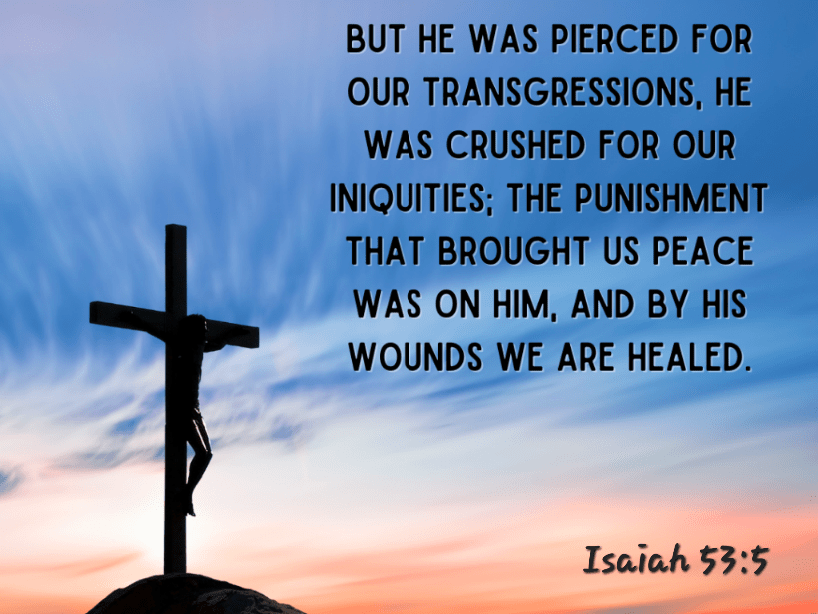
Think about Jesus being pierced, crushed and punished as our ‘whipping boy’; and then thank Him for His willingness to take the punishment we deserve so that:
NOTE: This series of blogs is from my participation in the above Bible study.
PREPARATION: As you read, think about these questions:
• Jesus reveals some more about Himself, what are those things?
• Some people took advantage of the miraculous powers that Jesus offered. Who were they and how did they respond to Him?
• Some people were offended by what Jesus and His disciples did. Who were they and how did they respond to Him?
===================================
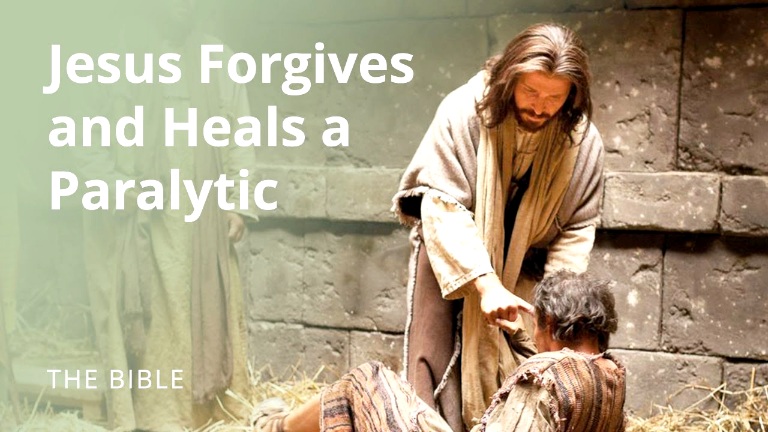
Jesus Forgives and Heals a Paralyzed Man
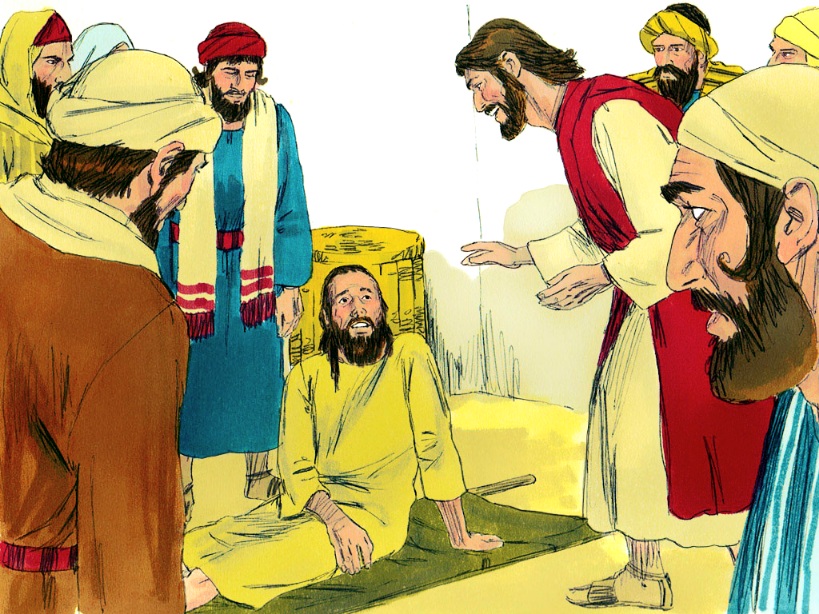
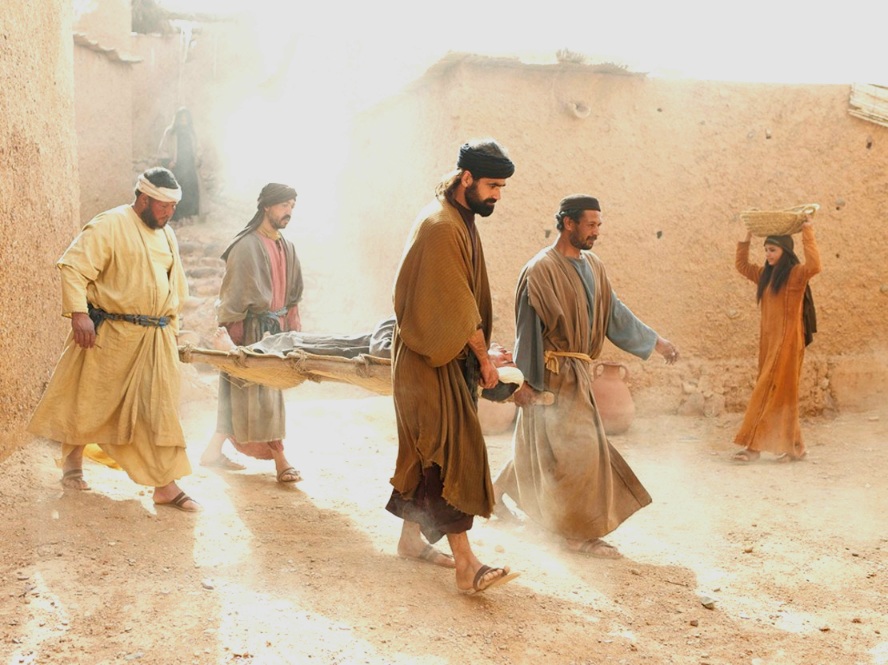
2:1 A few days later, when Jesus had again entered Capernaum, the people heard that He had come home. 2 The people gathered in such large numbers that there was no room left, not even outside the door, as Jesus preached the Word of God to them. 3 Some men came, bringing a paralyzed man to be healed by Jesus, carried by four of them. 4 Since they could not get the paralyzed man to Jesus because of the crowd, they made an opening in the roof above Jesus by digging through it……and then lowered the mat the man was lying on to the ground right in front of Jesus!5 When Jesus saw their faith, He said to the paralyzed man, “Son, your sins are forgiven.”6 Now, some Scribes were sitting there, thinking to themselves, 7 “Why does this man talk like that? He’s blaspheming! Who can forgive sins but God alone?”8 Immediately, Jesus knew in His spirit what they were thinking in their hearts, and He said to them, “Why are you thinking these things? 9 Which is easier: to say to this paralyzed man, ‘Your sins are forgiven,’ or to say, ‘Get up, pick up your mat and walk’? 10 But I want you to know that the Son of Man has authority on earth to forgive sins.” So Jesus said to the man, 11 “I say to you, get up, take up your mat and go home!” 12 The paralyzed man got up, took up his mat and then walked out in full view of them all!This amazed everyone, and they were glorifying God and saying, “We have never seen anything like this!”
===================================
CONCLUSIONS 1. How did the paralytic and his friends respond to Jesus?
Jesus had been at Capernaum before and had healed a lot of people, then left for a while as He traveled from village to village, proclaiming the gospel and teaching about God’s Word.
I’m guessing the paralyzed man had heard of Jesus’ previous visit and arranged with some friends to take him there if Jesus ever returned to town, and as it so happened, He did. But when they got to the house where Jesus was in residence, it was too jam-packed to get in.
I can imagine them standing around for a while outside discussing what to do, when one of them suggested, ‘Well, if we can’t get in through the door, let’s use the roof!’I suspect the homeowner was not too pleased, but I’m also sure the men were willing to pay to have the roof repaired.
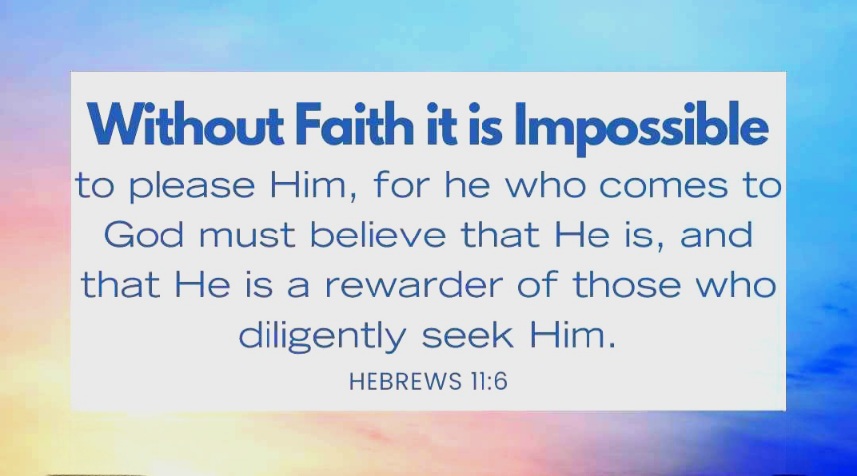
So the attitudes exhibited by the paralytic and his four friends toward Jesus were first of all faith, they believed Jesus could and would heal the paralytic, if only they could get the man in front of Jesus. They were desperate, willing to do something very much out of the ordinary to accomplish their goal, and they were committed to getting the help their friend needed, no matter what the cost. This is very much like the definition of faith in Hebrews 11:6
NOTE how the rest of the people in the home who had come to see and hear Jesus reacted, “…they were all amazed and glorifying God…” That is, ALMOST everybody…
2. What did Jesus reveal about Himself? In chapter 1, we saw that Jesus had demonstrated the authority to teach God’s Word in a new, to way, to cast out demons, and to heal the sick. Mark used the testimony of the demon to further show who Jesus was, “I know who You are–the Holy One of God!” Later in chapter one, when Jesus again encountered demons, He did not permit the demons to speak “because they knew He was the Annointed One from God.”
I believe this is an example of what God does, that is, He reveals things to us via successive revelations, instead of revealing everything at once and overwhelming us. That is why it is important not to ‘overrun’ your insight.
What I mean is like driving at night; your headlights allow you to only see so far, depending upon whether low beams or farther with high beams. You need to be traveling at a slow enough speed to have time to react when your headlights reveal something ahead, like a curve or object in the road, which needs you to take appropriate action.
In the case of walking with God, it’s like He’s giving us directions on how to walk through a maze from His perspective above, but only one turn at a time.
So, because God reveals things to us successively, we need to act in obedience, but only as far as we can ‘see.’ Don’t forge ‘full speed ahead,’ leave some maneuvering room in your life. The path we need to walk to get from where we are to where God wants us to be is usually not a straight line. But God only directs us to make changes within our ability, and sometimes that is in ‘baby steps.’
I think that is why the Psalmist said ‘God’s Word is like a lamp for our feet.’ If you’ve ever walked at night when camping, or in the country where there are no streetlights, and you had to use a lantern or flashlight to light your way, you might understand how these light sources can show you only the path just ahead, just a few steps are revealed at any one moment. That is how I have found it to be following Jesus in my life.
In this situation with the paralyzed man brought for healing, Jesus said instead, “Your sins are forgiven.” This didn’t set well with the opposition. Jesus said to them that He wanted to clearly demonstrate that He had the authority to forgive sins, so He then commanded the man to “get up, pick up his mat, and go home!”
Obviously the man was no longer paralyzed, but Jesus didn’t say, “Be healed,” or anything like that. I think the implication was the man was already healed when Jesus said his sins were forgiven.
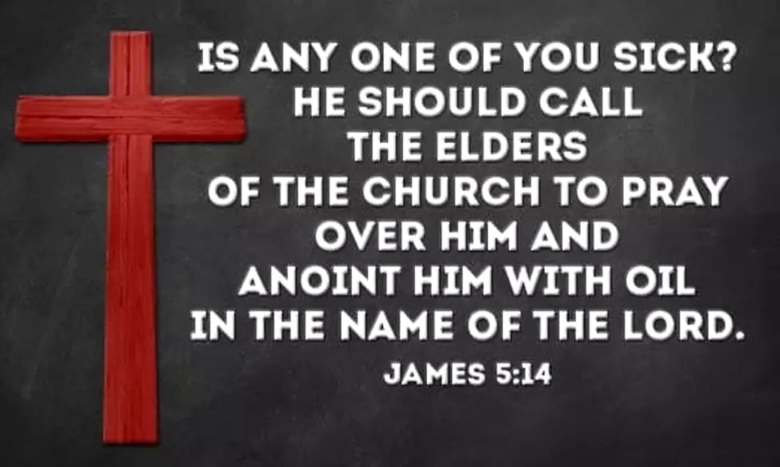
I just happened to hear a message from Andrew Hopper from Mercy Hill Church this week from James 5:13-16, which is about prayers for healing by the elders, where it also mentions if the sick person has sinned, their sins will be forgiven.
So, the Bible clearly teaches here, and in other places, that there is a relationship between our physical infirmities and sinful spiritual condition. Also that there is a relationship between what we would call insanity or other mental illnesses, and demon possession, or as in Mark chapter 1, ‘unclean spirits.’
How can we tell if someone has an organic sickness from an injury or infection, as opposed to suffering from a judgment as the result of their sins? How can we tell if someone is possessed by an unclean spirit that needs to be expelled? I don’t know that we CAN tell. But this I believe, JESUS can tell and we CAN pray to Him and trust Him to heal, to forgive or to deliver us from an unclean spirit as needed. We just need to ask Him, listen for His commands to us and trust that He knows what we need.
3. Some people were offended by what Jesus said and/or did. Who were they and how did they respond?
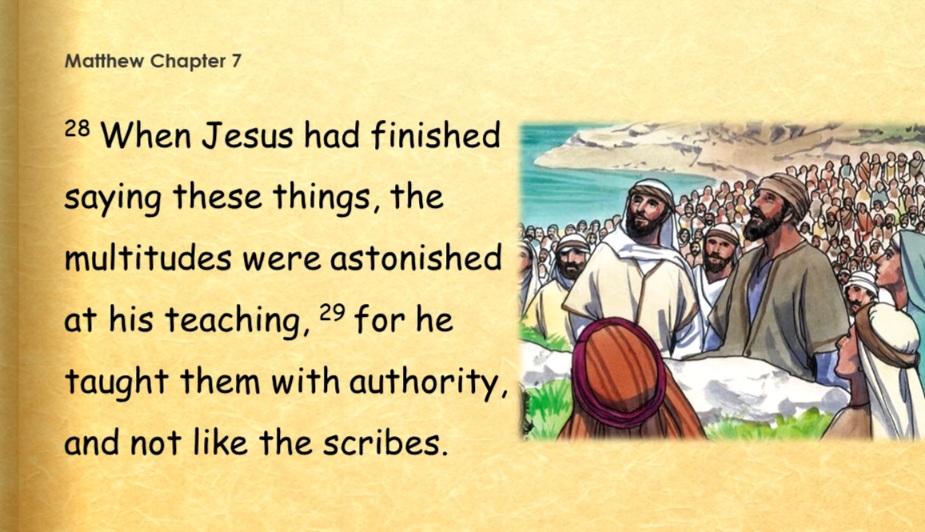
In chapter 1, those who listened to Jesus teach in the synagogue commented that He taught with authority, not like the Scribes did.
To understand what they meant, we can look in Matthew where a similar comment is recorded at the end of the Sermon on the Mount. All during the Sermon, Jesus kept saying, “You have heard that it was said…, but I say to you...” That was Jesus teaching with a personal authority.
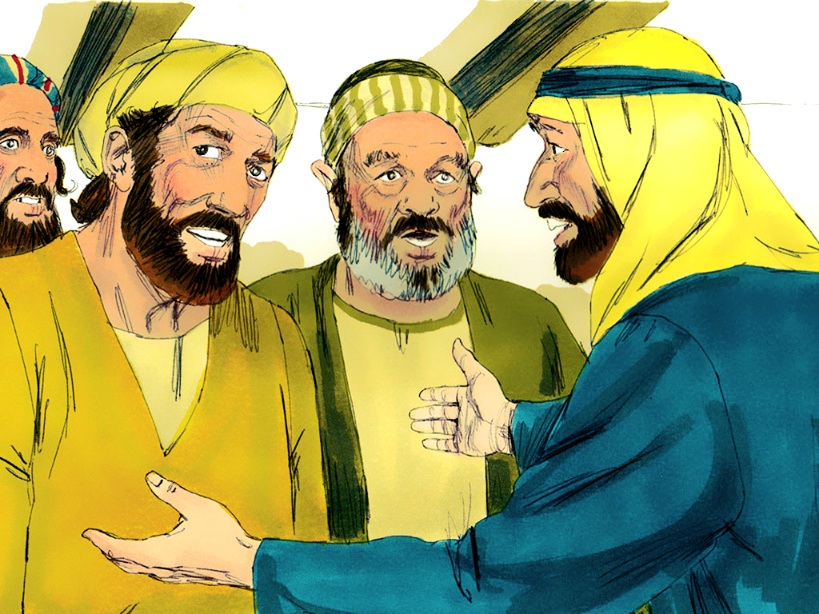
Apparently this comment from the synagogue had gotten back to the Scribes, because some of them came to the house where Jesus was ‘holding court’ this time. When Jesus told the paralytic, “…your sins are forgiven,” the Scribes didn’t say anything, but they were thinking it very loudly! One of the Divine powers Jesus demonstrated was His ability to know what people were thinking.
Note that Jesus didn’t criticize them for what they were thinking. Jesus demonstrated all of the qualities we are told by Paul in 1 Thessalonians 5:13,14 Christians are to exhibit. In this instance, Jesus patiently tried to help them to understand.
At this point, the Scribes were not yet portrayed as actively hostile, just questioning. It’s not unusual that there are things about Jesus, about the gospel, about the Bible, etc., that we don’t understand. It is very reassuring to me that Jesus doesn’t reject or condemn us when we have questions, especially since compared to Him and Father God, we are like children in our understanding of spiritual matters. Instead, He is willing to patiently explain and even to demonstrate His truths to us, if we’ll just give Him the opportunity.
There are many more revelations about Jesus in Mark 2, but the weekend is ending and a new week of Bible study begins in the morning. What new and exciting things about Jesus the Christ might I discover this week?
NOTE: Story pictures (c) Free Bible Images and used by permission