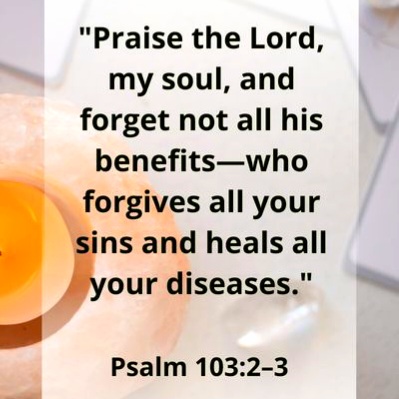
Our theme for April is Remember Who God is. Tge second part od our second verse, Psalm 103:2-3, tells us He heals all our diseases.
Divine healing can sometimes be a sticking point to faith in Jesus Christ. There is no doubt God and Jesus supernaturally healed people in the Bible.
I have heard many stories and testimonies of God/Jesus supernaturally healing people today. “Why some, though, and not others?” is the frequent question. Let’s look more closely at the Hebrew word that David used.

A. Heal (H7495) rapha. Root meaning is to stitch back together, to mend. As applied to people, it means to make whole from an infirmity or cure from a disease.

The best known use of this Hebrew word, rapha, is in Exodus 15 where, after turning bitter waters into sweet water, Moses stated this as one of the titles of their God, Jehovah Rapha.
B. Disease (H8463) ta’chalu , a strengthened form of the Hebrew word chala, to be sick, meaning here a grievous sickness, illness or disease; also called a malady or infirmity. This would be something more than the common cold or other everyday illness or injury that we can expect to normally recover from on our own.
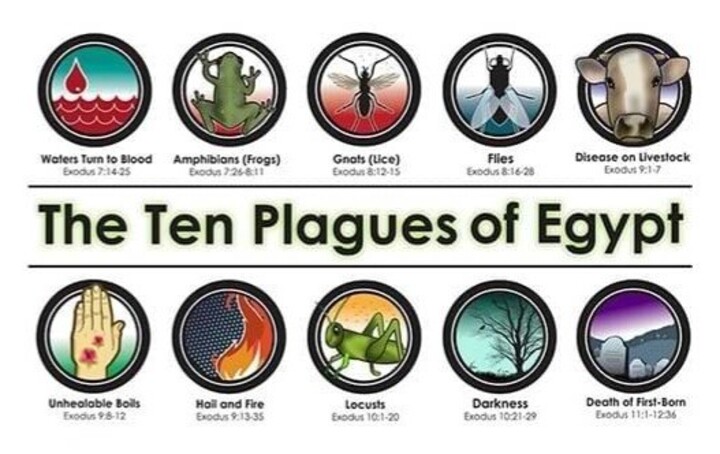
This word is used in reference to the ten plagues God inflicted on Egypt. God promises Israel that He would not do the same to them AS LONG AS THEY OBEY HIS COVENANT. If/when they disobey…, all bets are off.
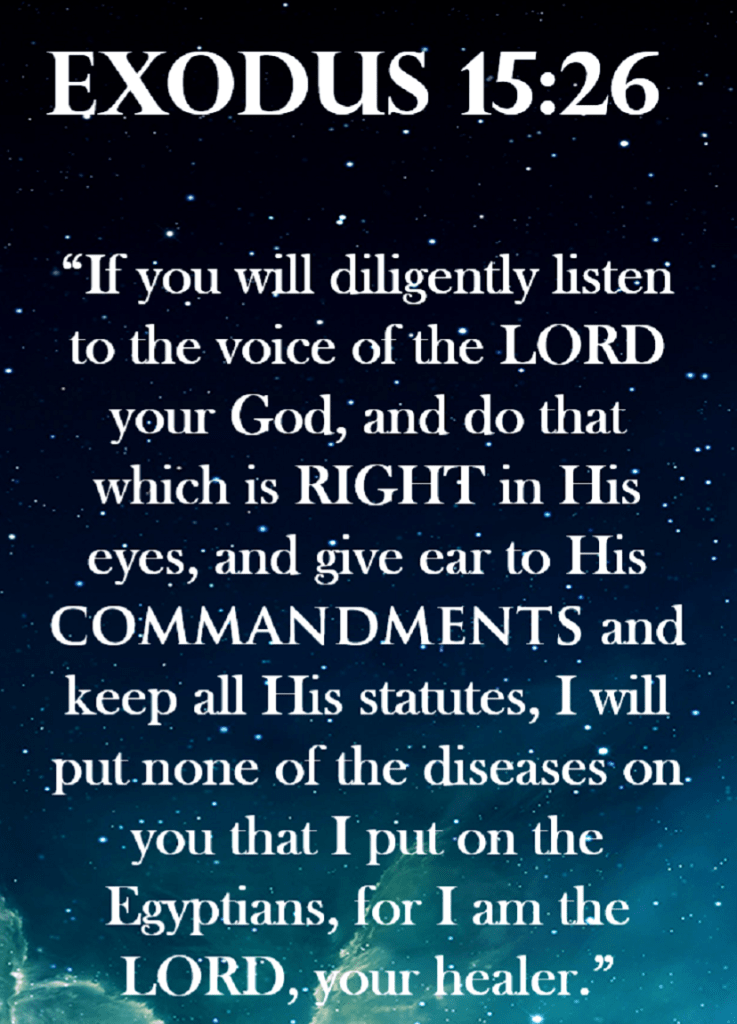
The implication of where and when this word is used in the Old Testament, in my opinion, is that when the nation disobeyed they are afflicted, if they repent and return to God, He will then forgive them and heal them from the associated diseases.
This understanding is reflected often in the New Testament. The difference is they focused on it as an individual thing rather than corporate punishment for the nation as a whole. One example was when Jesus and His disciples encountered a man blind since birth:
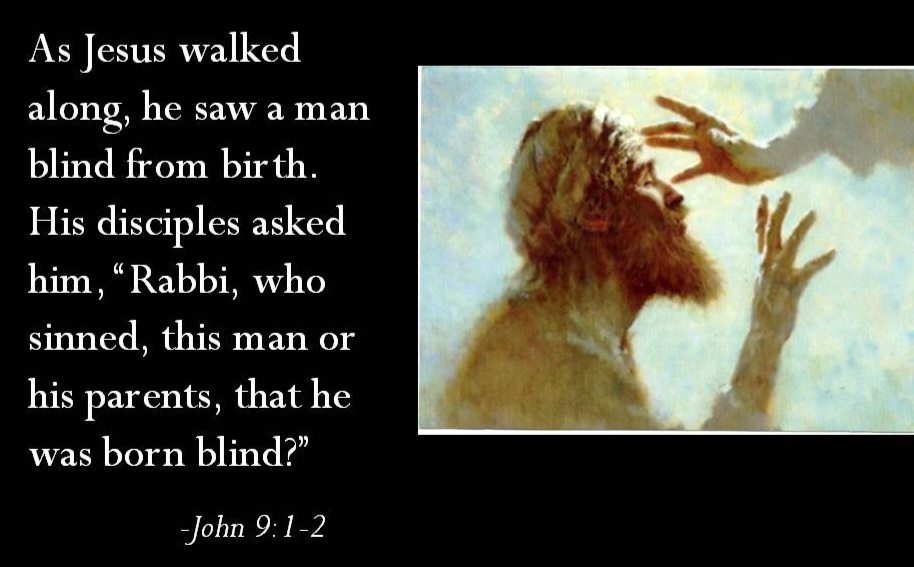
It wasn’t just the blind who were considered afflicted in Jesus’ day, it was the deaf, the dumb (could not speak), the lame, the leper and the paralyzed. When John the Baptist, locked away in Herod’s prison, needed reassurance that Jesus was indeed the Messiah, Jesus sent his disciples back with this message:
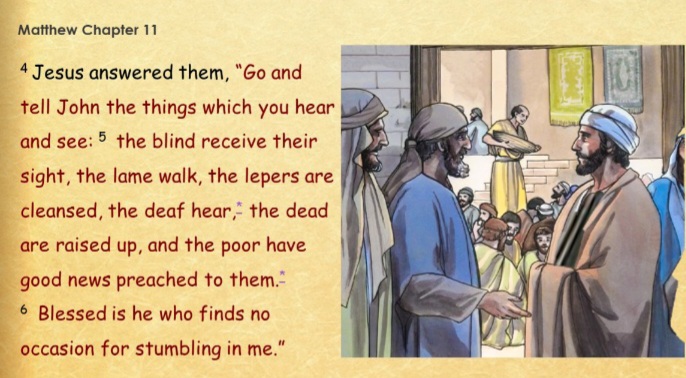
The message was that Jesus was delivering/healing the people from their afflictions, just like God did for Israel in the past, and also as prophesied by Isaiah that the Messiah would do!

When the paralyzed man was lowered down through the roof in front of Jesus, Jesus said, ‘Your sins are forgiven you.” Obviously there was a connection between his sin and his paralysis.

James, the brother of Jesus, applies this truth about the relationship between sin and sickness in the other direction–healing, THEN forgiveness. In James 5:14-15:


“Is any among you sick? Call for the elders of the church, and let them pray over him, anointing him with oil in the name of the Lord. And the prayer of faith will save the sick, and the Lord will raise him up. AND…

There seems to be a ‘before Christ death’ and an ‘after Christ death’ effect going on in relationship to what and how God heals between the Old Testament/gospel’s perspective on the relationship between sin and disease, and the epistles/modern perspective after the atoning sacrifice of Christ’s death on the cross.
The Scriptures seem to be saying that those living in sin, whether not yet saved or saved and fallen away, that illnesses associated with their sinful state will be healed when they repent and are either saved or restored. Sounds kind of harsh, and I’m sure there is much, much more to it.
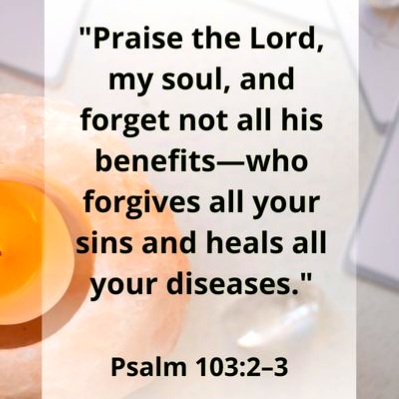
So, until we figure it out…or not, remember about God from Psalm 103:2-3…


Leave a Reply