May theme = Focus on the Good
#1c. Philippians 4:8c – Think about right(eous) things.
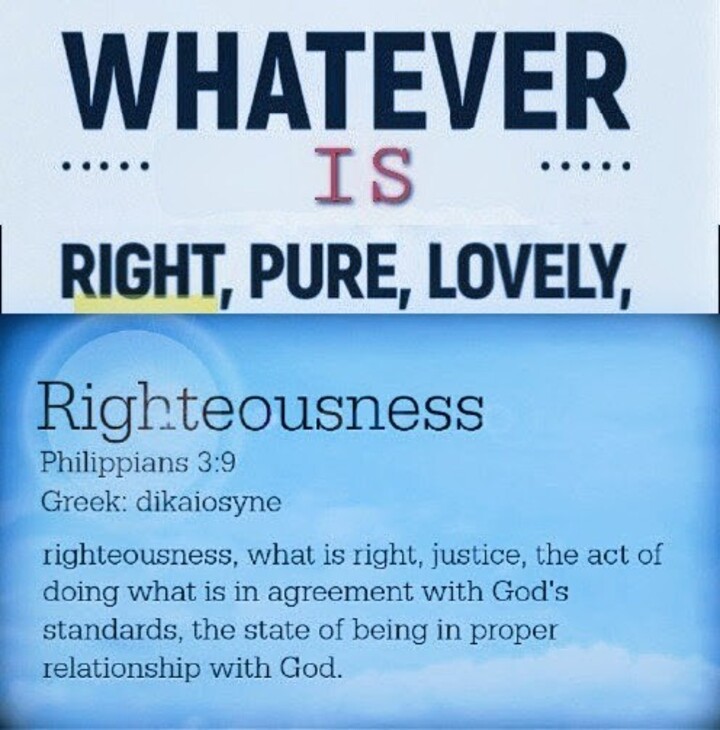
3. Whatever is RIGHT = Greek adjective dikaios =Righteous, just, upright. From the noun dikē. Properly means”judicial approval.” Biblically it means keeping the commands of God.
The Philippians 4:8 adjective form of this Greek word is used 80 times in the New Testament. These 80 times do not count the noun construction, “righteousness.” This is in contrast to the words for the first two qualities where the adjective form is used only a few times. Let’s look at some of those verses that use “right(eous)” to provide some food for thought.
1. We are not righteous in and of ouselves–quite the opposite.
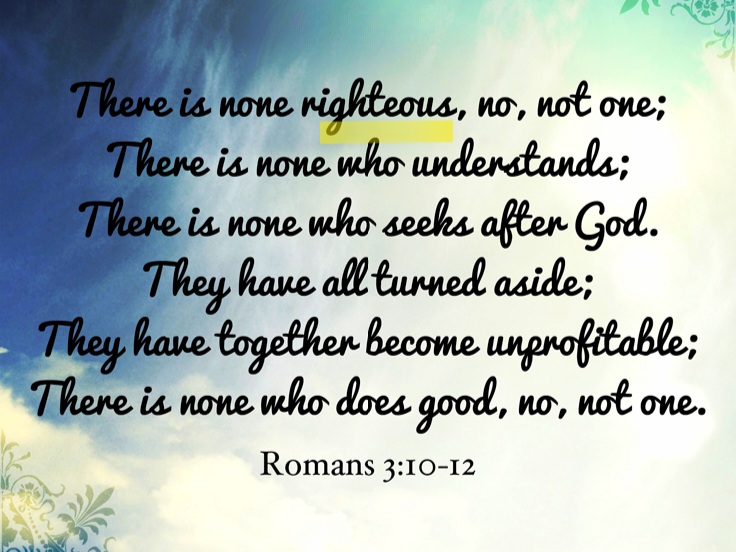
Paul makes the point clear that no one, absolutely no one, is righteous in and of themselves. Other qualities associated with lack of righteousness are:
• Lack of understanding of God,
• Lack of desire to seek God,
• Turning aside from obeying God,
• Engaging in frivolous, unprofitable activities,
• No desire to do good.
It’s interesting to turn those around and see what those of us who DO have righteousness as a gift from God have as the opposites:
• We have an understanding of who God is.
• We have a desire to seek God and the things of God.
• We may struggle with obeying God, but we keep working at it because we know it’s right.
• We are trying to make our time count for eternity.
• We try to choose the best options that lead to the most good as defined by God.
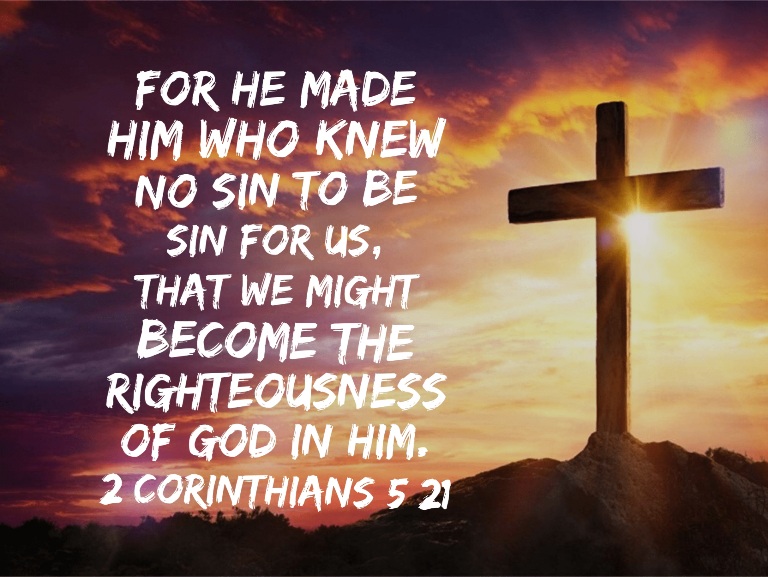
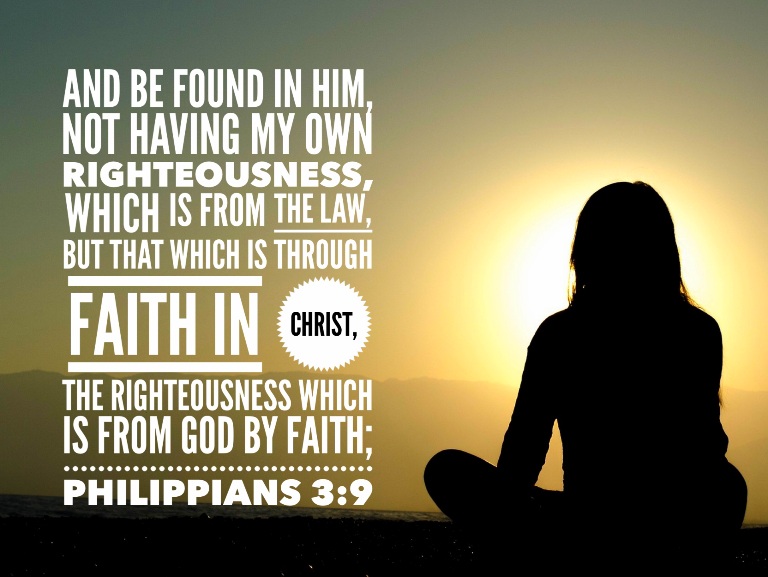
2. So, how do we get this gift of righteousness?

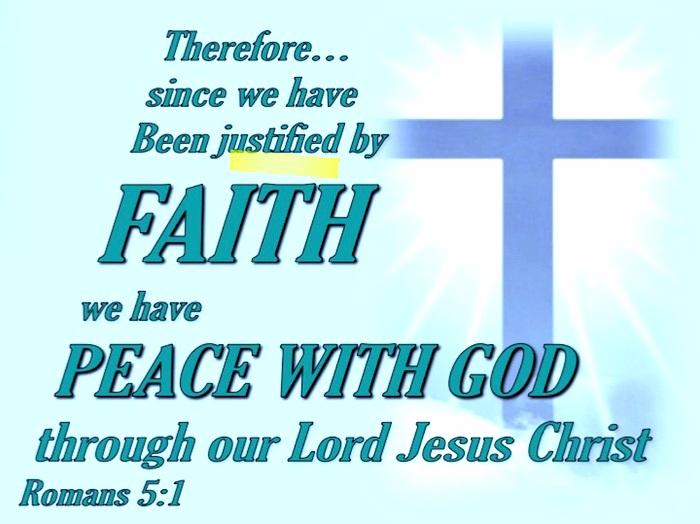
3. What is the result of God’s gift of righteousness?
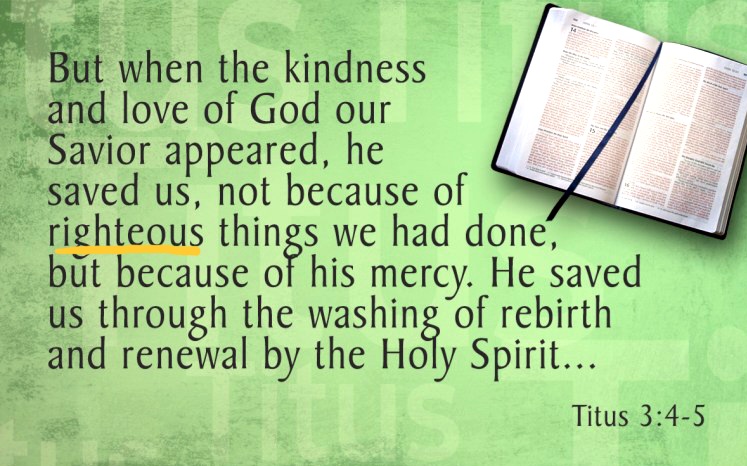
B. The mechanism of salvation changes us–not only in the sight of God, that is our imputed righteousness, but on a practical level. We are cleansed within by the Holy Spirit when we are born again. And that same Holy Spirit, who will stay within us until we see Jesus face-to-face, that same Holy Spirit renews us on a day-by-day basis as we submit to His authority, and walk by the same faith with which we first believed.
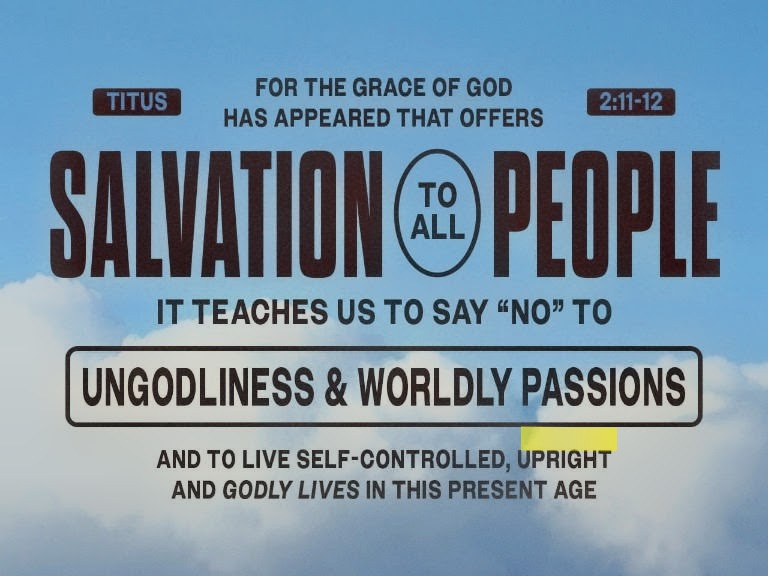
C. This right-standing with God, plus the cleansing from sin within, then should result in us actively making changes in our lives. We must leave behind those things that displease God, that are not consistent with His Holy nature–that is ungodliness and the passions of the world–and live a righteous life.
4. This righteous walk with God requires a daily reboot.
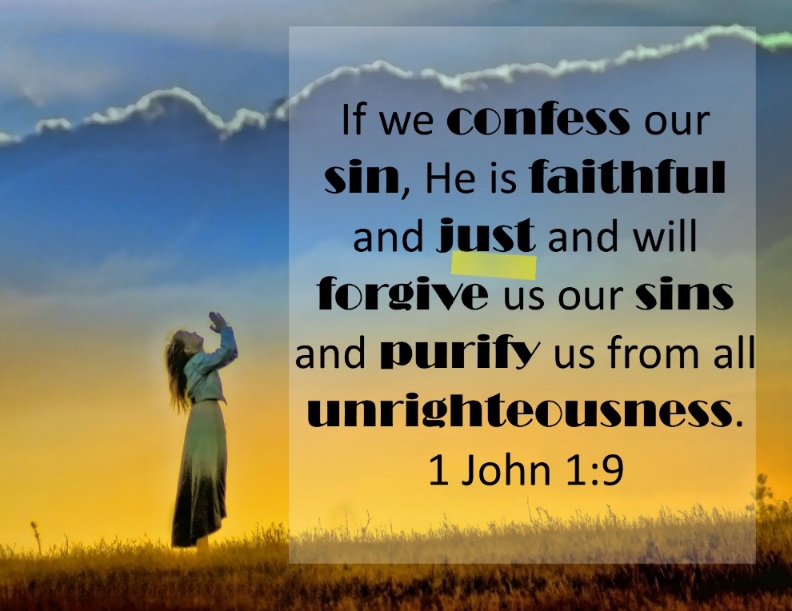
1 John 1:9 summarizes this whole chain that I’ve just described, but as a regular practice:
A. It’s God who was faithful to His promise to make a way of salvation for humankind.
B. God is justified in forgiving our sins because the penalty was paid by Jesus Christ.
C. We have to confess–agree with God–about what is sin in our thoughts, words and actions; then make a choice to turn away from them and turn towards God and the things of God.
D. God will then, on a personal level, extend His forgiveness for our past mistakes and cleanse us within from the results of our sins, and even, through repetition, remove the power of that sin to control us.
Whew! I don’t know about you, but spending this time thinking about God’s righteousness and salvation has left me with a feeling of awe and gratefulness toward God and Jesus Christ!
So, since it is essential that we feel this way every day as a reminder of our salvation, don’t forget to obey Paul’s command today…


Leave a Reply