May theme = Focus on the Good
#1e. Philippians 4:8e – Think about Whatever is Lovely

Paul’s list of qualities seemingly moves from objective reality (“true,” “right”) to qualities that relate to how we feel about something (“lovely,” “admirable”). However, Biblical loveliness is not just subjective fondness; it is a relational necessity that underpins true Christian fellowship and effective Body ministry.
‘Lovely’ is the Greek adjective prosphilés: translated pleasing, agreeable or lovely. It is from pro– toward, and the verb –phileo, to have affection for; the noun form of which is philos = friend. Properly, prosphilés means “inclubed toward personal affection and friendship.”
It’s use in Philippians 4:8 is a singular occurrence, so here we go again, a rare or unique adjective in the Greek New Testament, used only by Paul and only here.
In order to get some traction on what Paul might mean, let’s check some of the verses with the noun and verb forms such as the brotherly love (phil-adelphia) verses.



There are several words in Greek that mean different kinds of love. The other one used frequently in the Greek New Testament is agape’ love. This is a kind of enduring love made by a choice rather than based on how you feel, like phileo.
There is a verse that contains both pf these Greek words that hints at the relationship between the two for Christians.
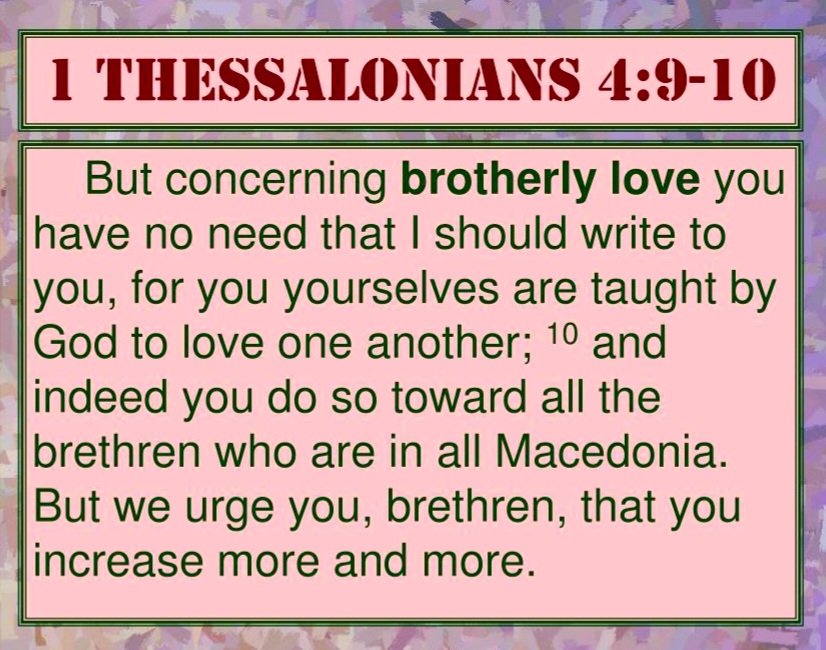
brotherly love = philadelphia
taught by God to love = agapan.
Paul’s language suggests friendship toward each other is driven by the greater commands from God and Jesus Christ to love agape’ style
The command to love each other, agape’ love, was a new commandment by our Lord and Savior Jesus Christ.
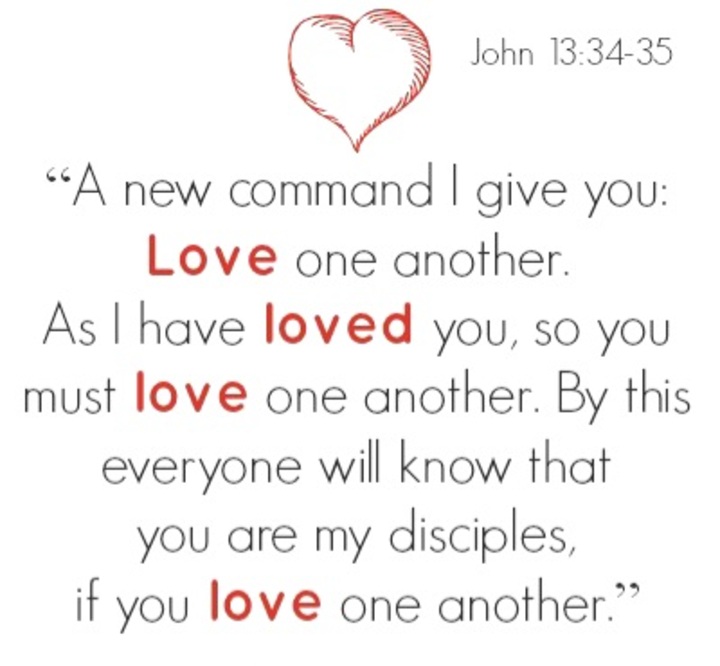
• Love (agapate) one another.
• As I have loved (agapesa) you,
• so you must love (agapate) one another.
• if you love (agapen) one another…
But Jesus wasn’t the first to place an emphasis on love in the Bible. Buried within the Law were two key verses that Jesus said summarized all the Law and the Prophets–
1) Love God and
2) Love your neighbor.
The second one falls within the meaning of our Philippians 4:8 theme word for today, so let’s take a closer look at it.

Jesus, by labeling and agreeing that this command was the second most important command given by God in the Law, suggests that we should also make “loving our neighbors” our second priority in everything we think, say and do.
The FIRST priority should always be to love God Himself.
This Biblical priority order was put like this by the ill-fated football player, Gale Sayers:

The “second greatest command” is from Leviticus 19:18 and the context sums up some commands about interacting with your neighbors–the Old Testament equivalent of the New Testament ‘brothers.’

• NEGATIVE: DO NOT be partial against the poor or for the wealthy.
• POSITIVE: Treat everyone fairly and without prejudice.

• NEGATIVE: DO NOT gossip and criticize.
• POSITIVE: Stand up for others, instead.

• NEGATIVE: DO NOT secretly hate others.
• POSITIVE: Be open and honest, instead.

• NEGATIVE: DO NOT hold a grudge or seek revenge.
• POSITIVE: Love others like yourself.

There are also many similar qualities associated with forgiveness in the New Testament that we are commanded and/or exhorted to be toward each other.
“Loving our neighbors as ourselves” also reminds me of something else Paul wrote:

Expanding Paul’s contribution to the idea of “loving our neighbor,” we get the idea that we should help build them up. This idea parallels Paul’s commands in Thessalonians:
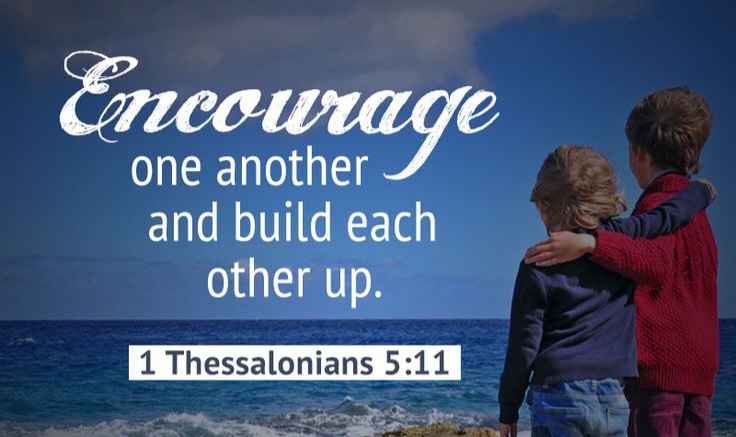
All of these positive qualities add up to how we should be friends with each other within the Body of Christ. I believe that is the ‘loveliness’ to which Paul is referring in Philippians 4:8.
To summarize:
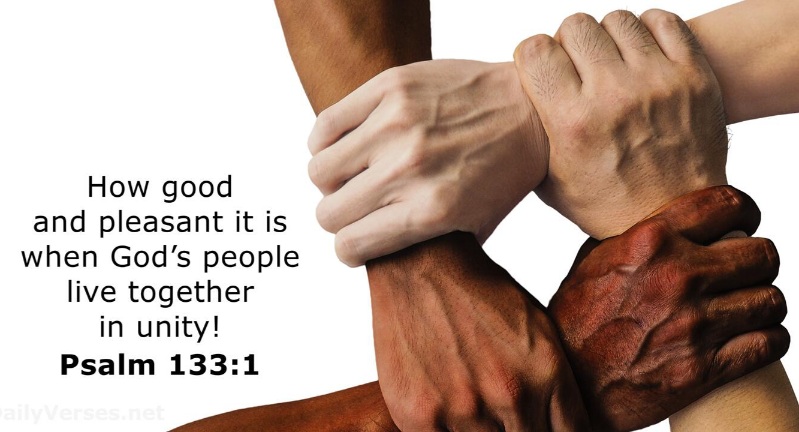
Be friendly toward EVERYONE without prejudice or partiality:
1. Be supportive.
2. Be open and honest.
3. Be forgiving.
4. Be encouraging.
5. Build them up.

Here are some nonBiblical synonyms for today’s theme word’s meaning, “leaning toward friendship,” and which offer suggestions for how to develop friendly relations:
• Show friendly interest.
• Look for ways to grow closer.
• Identify and develop affinities.
• Foster connections: Seek to actively build bonds.
• Build rapport. Means a harmonious relationship characterized by mutual trust, understanding, and empathy, allowing for easy communication between people.
• Be companionable. Someone who is friendly, pleasant, and sociable to be around, often acting as a pleasant, easy-going companion
• Cultivate camaraderie – A spirit of familiarity, trust, and friendship that develops among people who spend a lot of time together or work toward a common goal.
To summarize–‘loveliness’ is being intentional about becoming friends with your Christian ‘neighbors.’ Pick one of the techniques above that you feel you need to improve in and work on it this week. I know there are MANY that I need to work on!
So, even though the exact Greek adjective form for ‘lovely,’ only appears once in the New Testament, it is closely related to some very important Scriptures and might be why Paul says…



Leave a Reply