ADDENDUM:
The Incomparable God from Isaiah 40 to 46.
In Book 2 of Isaiah, (Chapters 40–55), written during the Babylonian exile, specifically in Chapters 40–48, God offers comfort and the promise of release from exile through revelations about His sovereignty as Yahweh, the Incomparable God.
Following are the complete set of 8 questions/ assertions in Isaiah chapters 40 to 46.
1. Isaiah 40:18-22,

Has it not been told you from the beginning?
Have you not understood since the Earth was founded? …

2. Isaiah 40:25-26,
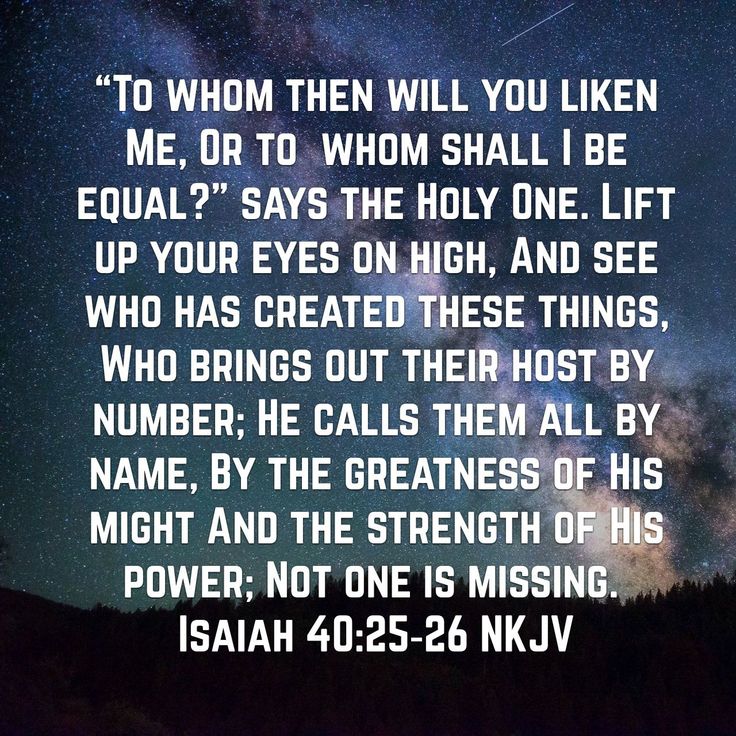
3. Isaiah 43:10-13,
“You are My witnesses,” declares the Lord,
and My servant whom I have chosen,
so that you may know and believe Me
and understand that I am He.
Before Me no god was formed,
nor will there be one after Me.
You are My witnesses,” declares the Lord,
“that I am God.
Yes, and from ancient days I am He.”
4. Isaiah 44:6-8, This is what the Lord says,
Israel’s King and Redeemer, the Lord Almighty:

What has happened
since I established My ancient people,
and what is yet to come…
You are My witnesses.
Is there any God besides Me?
No, there is no other Rock; I know not one.”
5. Isaiah 45:5-7,
though you have not acknowledged Me,
So that from the rising of the sun
to the place of its setting,
People may know there is none besides Me.
I am the Lord, and there is no other.”
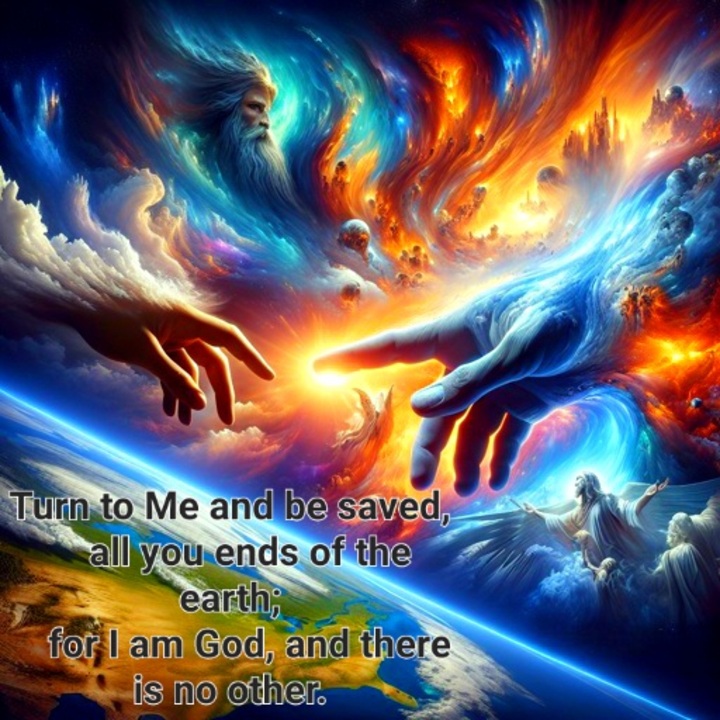
6. Isaiah 45:21-22,
“Who foretold this long ago?
Who declared it from the distant past?
Was it not I, the Lord?
And there is no god apart from Me,
A righteous God and a Savior;
there is none but Me…
7. Isaiah 46:4-5,
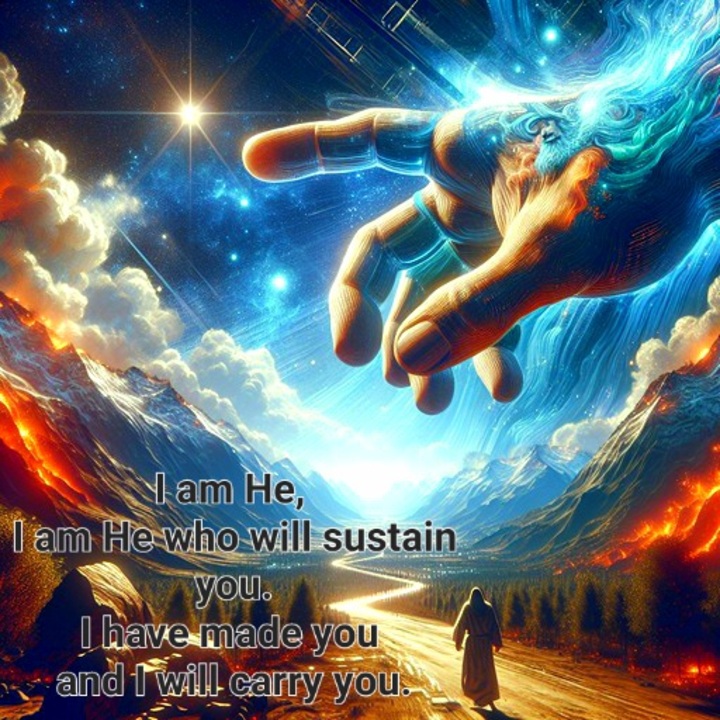
With whom will you compare Me
or count Me equal?
To whom will you liken Me
that we may be compared?”
8. Isaiah 46:9-10,
“Remember the former things, those of long ago;
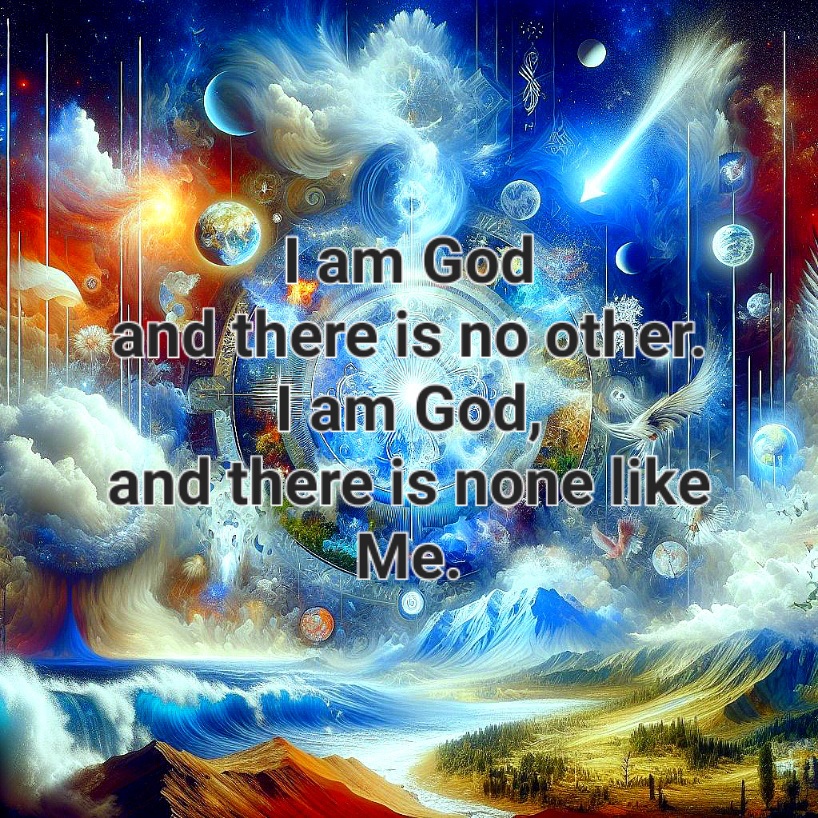
from ancient times, what is still to come.
I say, ‘My purpose will stand,
and I will do all that I please.’”
CONCLUSION:
What is your reaction to these assertions of God about Himself?
After reading these awesome statements about the uniqueness of our God, I can only sit here in jaw-dropping awe and realize that my concept of God is much too small.

It seems, though, that the way we live our lives in America causes us to ignore God instead of glorifying Him. Our pastor, J.D. Greear, recently stated in a sermon that, in essence, many are “practicing atheists.”
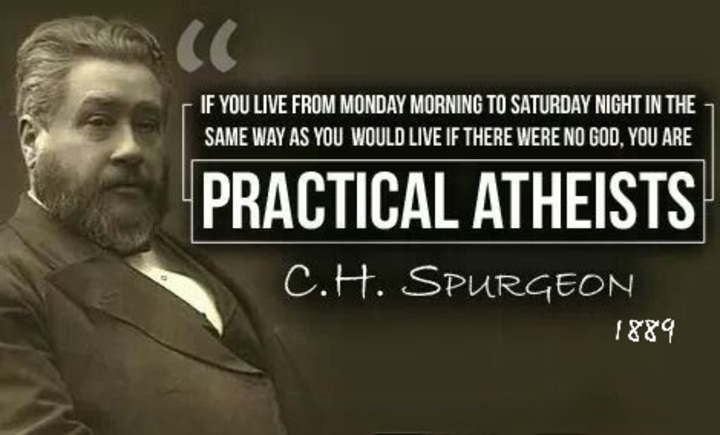
Accusing Western Christians of being “practical atheists” is not new to this generation of Americans. It has been an accusation against those who call themselves “Christians” for over 200 years. Here are some quotes:
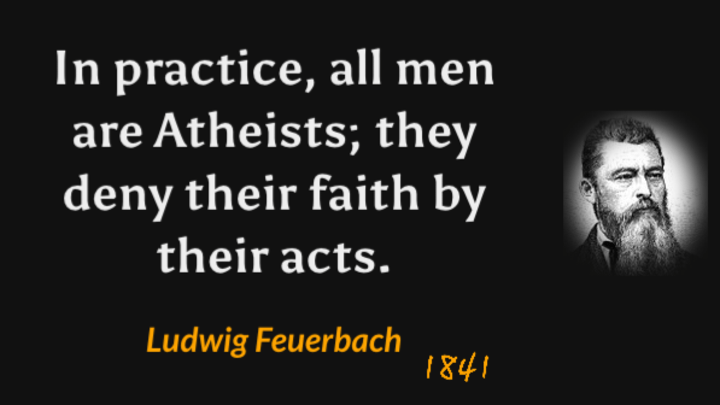
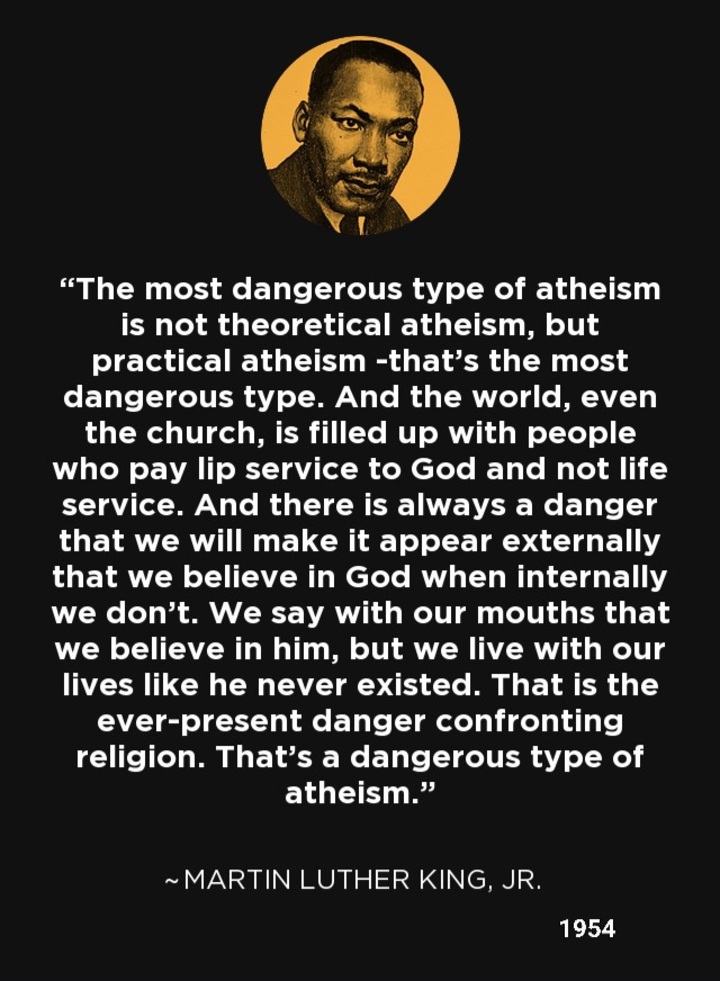
M.L.K.Jr was a Baptist minister and an American civil rights activist who was a prominent leader of the civil rights movement for people of color from 1955 until his assassination in 1968. He advocated the use of nonviolent resistance and civil disobedience against Jim Crow laws and other forms of legalized discrimination, rather than violent rebellion or revolution as some others did. Many of the civil rights laws and advancements for African-Americans can be traced back to his advocacy.
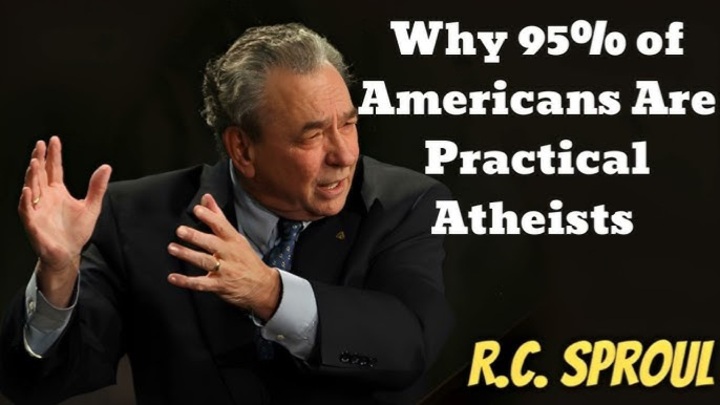
R.C. Sproul in What Is Faith? (Volume 8) (Crucial Questions), Ligonier Ministries, October 15, 2010. He was an American Reformed theologian, Christian apologist, and Presbyterian pastor. He also founded and chaired Ligonier Ministries, a platform for Reformed Christian Theology[1], which can be heard daily on the Renewing Your Mind radio broadcast.
NOTES:
[1] Reformed Christian theology is a historic branch of Protestantism rooted in the 16th-century Reformation (Martin Luther’s “Five Solas”[3]). It is defined by its insistence on the absolute sovereignty of God, the supreme authority of the Bible, salvation entirely by grace, and a deep reliance on historic confessions of faith such as the Westminster Confession[2]. Fundamental Reformed Christians are not limited to one Protestant denomination, but include such branches as Continental Reformed Presbyterians and Reformed Baptists.
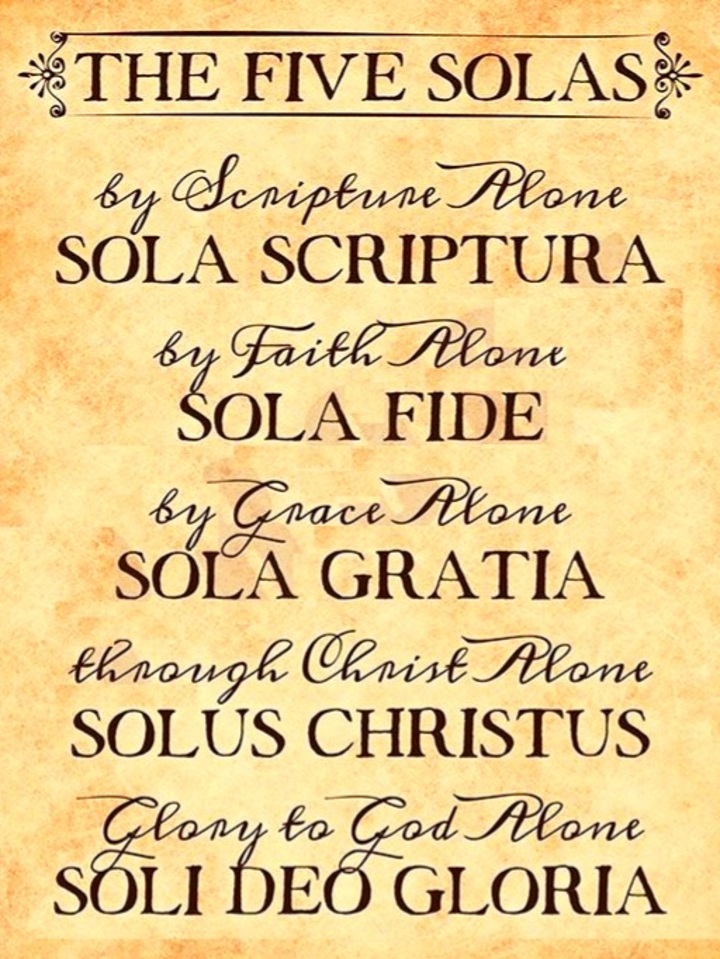
[3] Martin Luther’s “Five Solas” – Although not spelled out in a single list by Martin Luther, they were later summarized from his writings to help distinguish Reformed theology from Roman Catholic Christianity.



CONCLUSION:
And now we’re back to where we began this blog, glorifying the Incomparable God.

A walk through this brief slice of Western Christian history shows that there have been, and still are, many cultural pressures that can cause us to drift away from practicing our faith. If we’re not diligent in doing so, it is so, so easy to drift into a life of practical atheism, just like our non-believing neighbors, friends and coworkers.

One last question that only you and God can answer,
What can YOU do to keep yourself firmly in the category of a practicing Christian and daily glorifying our Incomparable God?
 Bill's Bible Blog
Leave a comment