
From paradise to poverty, from blessed to cursed, from naivete’ to shame, how did the traumatic tragedy of the Fall affect the first children born into the cursed world?

My look at the development of dysfunctional families in Genesis leading up to the story of Joseph continues with the story of Cain and Abel.
PRINCIPLE: Modeling and Imprinting.
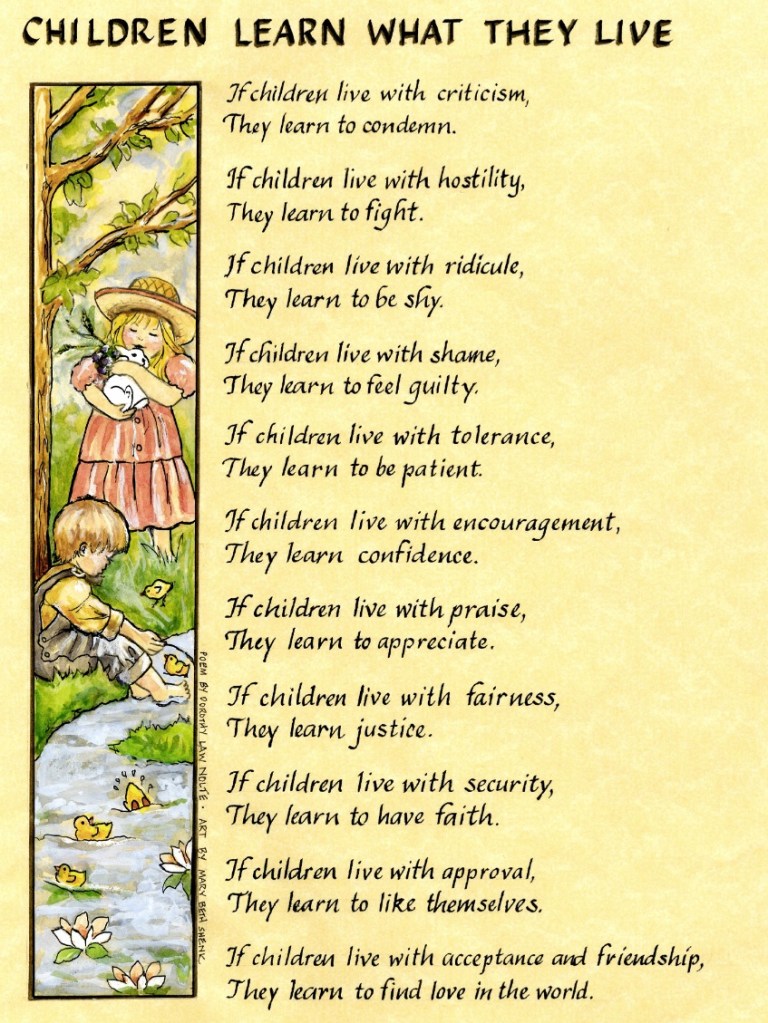
Have you read the poem, “Children Learn What They Live”? It lists some negative (dysfunctional) qualities that children may grow up experiencing, as well as some positive qualities, and how they affect the children.

This poem embodies the basic psychological qualities of modeling and imprinting. When we’re born and throughout much of our young life, our developmental instincts cause us to imprint on the models around us as a guide for our developing psyche. Everything from the physical–such as food preferences–to the psychological–such as how we react to people and things–become imprinted into our subconscious and guides our behavior.
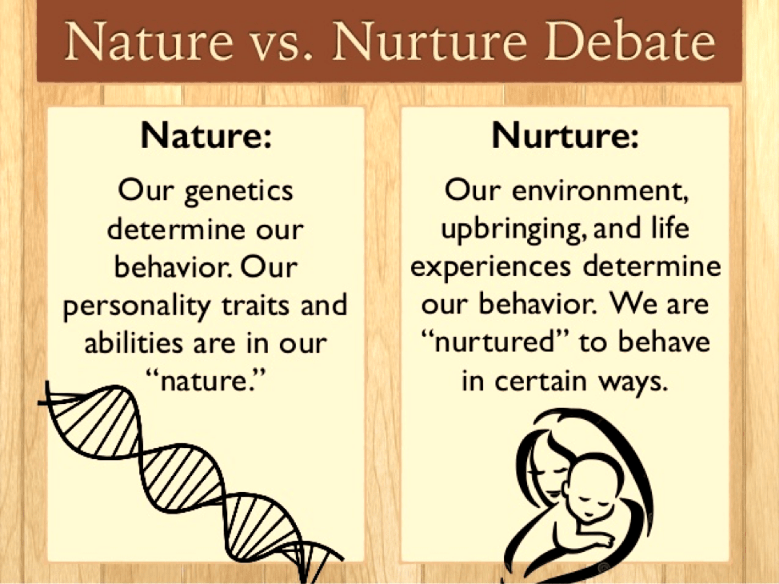
But it’s not just ‘nurture’ that determines our values and behaviors, scientists used to say that who we are is determined by our innate ‘nature.’ Others said who a person became was based on their upbringing, the ‘nurture’ they received. ‘Nature’ versus ‘nurture’ was one of the longest running debates about the driving force of human behavior.
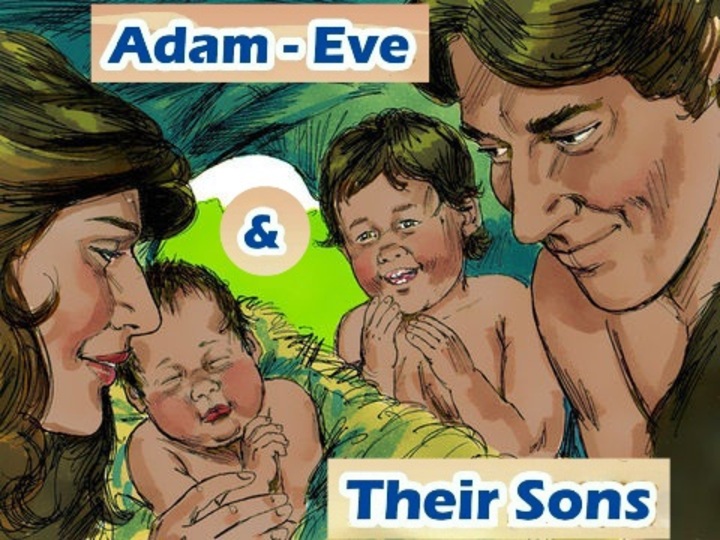
Modern psychologist say it is BOTH, AND the interaction of our ‘nurture’ with our ‘nature.’ This three-part determinant of who we become causes each of us to be unique and to uniquely respond to things in life. Let’s look at how the children of Adam and Eve responded to their heritage.
THE STORY:
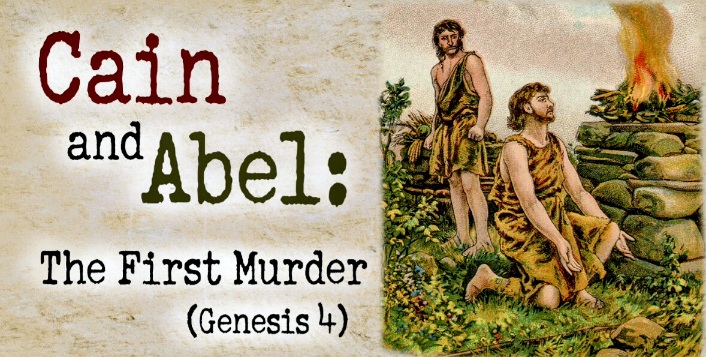
After the Fall, the dysfunction of sin became worse.
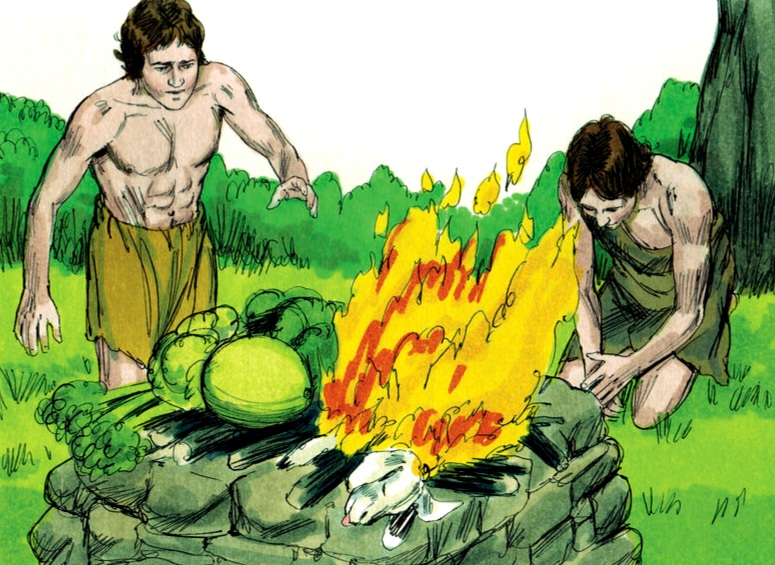
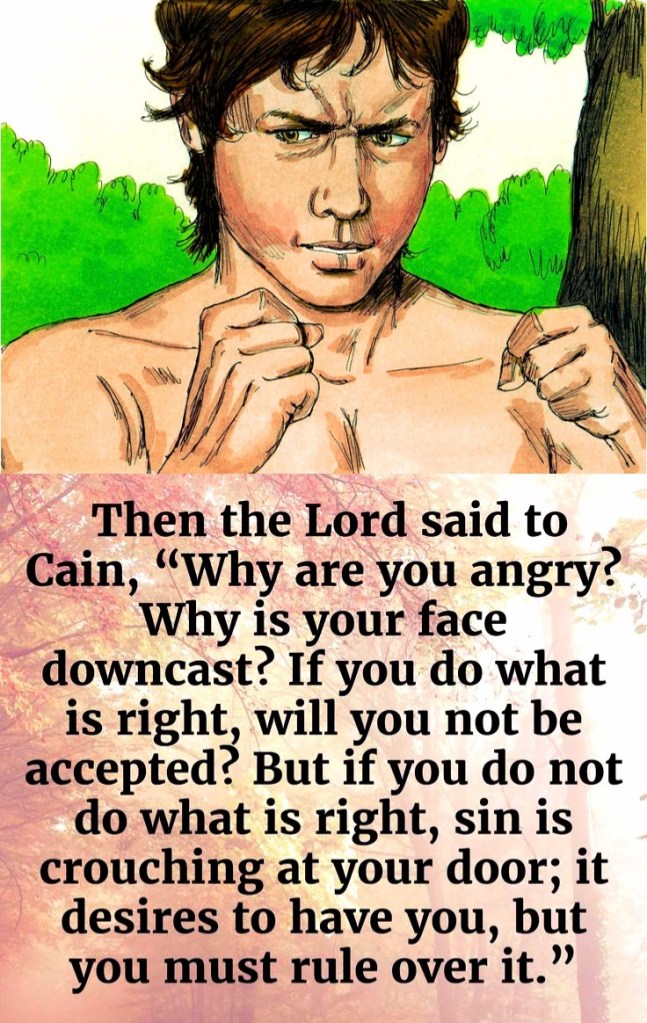
2. Cain stewed in his disappointment until it became angry jealousy toward his brother, Abel. DYSFUNCTION: negative, self-centered thoughts and feelings.
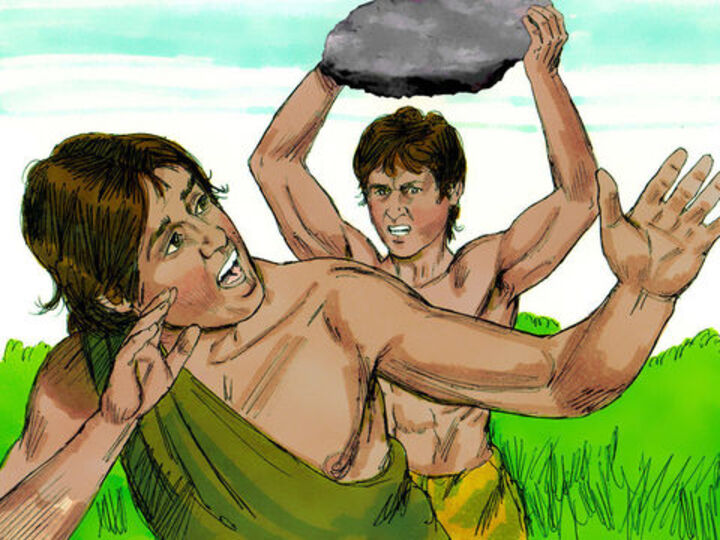
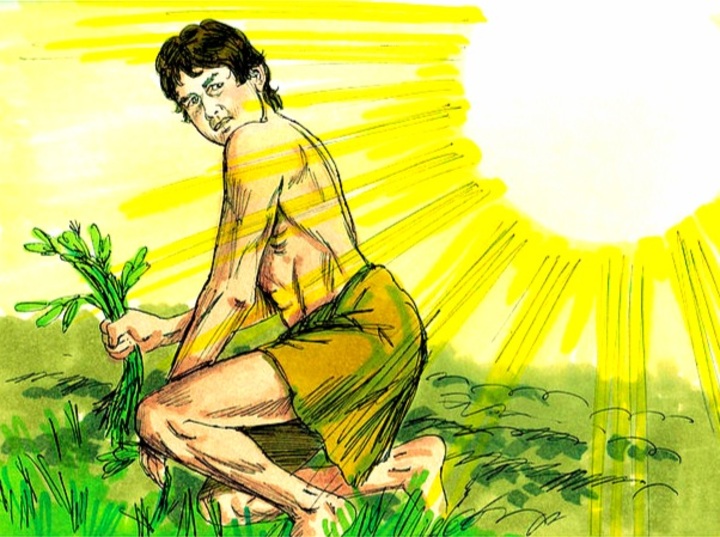
DYSFUNCTION: Avoiding accountability.
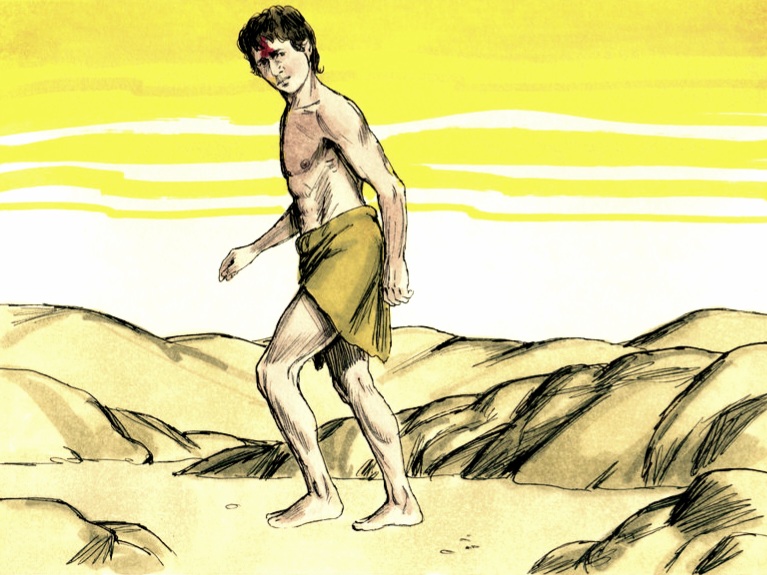
DYSFUNCTION: Separation from God and family.
COMMENTARY 📖
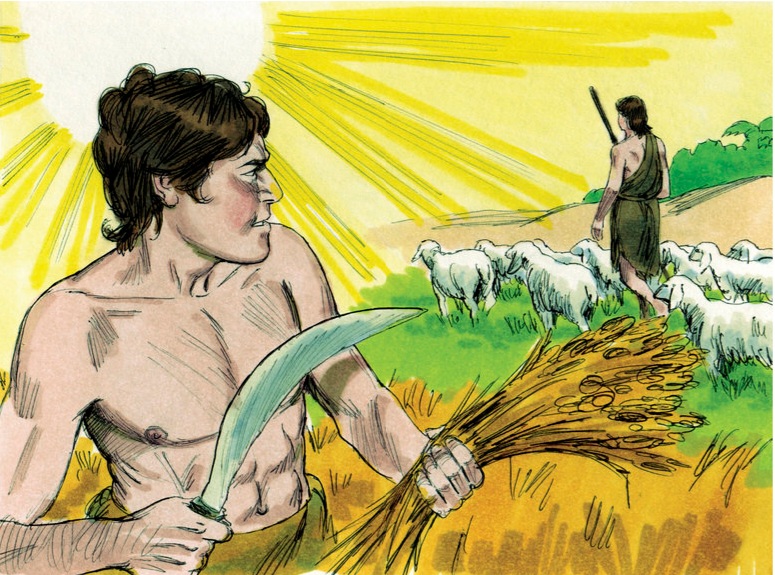
There has been a lot of discussion over the centuries as to why the offering of the lamb from Abel’s flock was accepted by God, but Cain’s offering of fruit and vegetables was not. After all, one of the offerings instituted by God in the Law was the Offering of Firstfruits.

To be honest, there are still a lot of unanswered questions about these offerings. Since these are the first offerings to God mentioned in the Bible, I had these questions:
• Why were they offering anything?
• What was the offering supposed to accomplish?
• If offerings to God had been instituted, wouldn’t what would be an acceptable offering have been included in the instructions?
Lacking those answers and going on the available information in Genesis 3, leads to these possibilities.
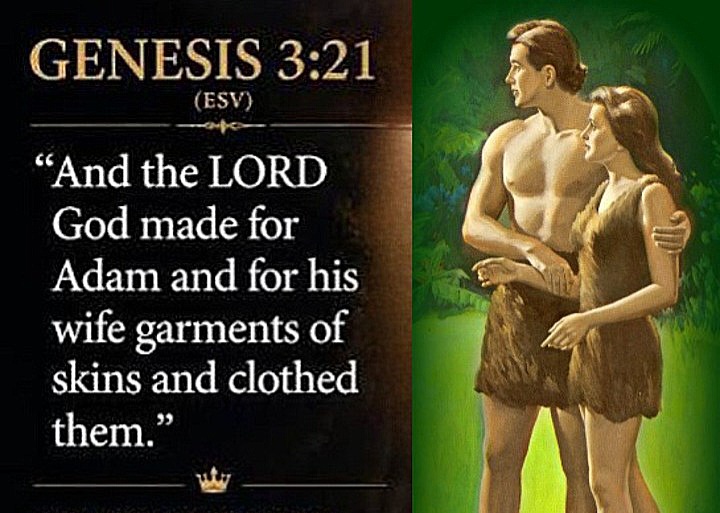
Since God made more permanent coverings from animal skins to replace the temporary coverings of leaves Adam and Eve had made for themselves, the implication here is that some animals were killed to provide the skins. This first animal sacrifice might well be the basis for animal sacrifice being established by God, and thus why Abel’s sacrifice from his flock was approved by God.
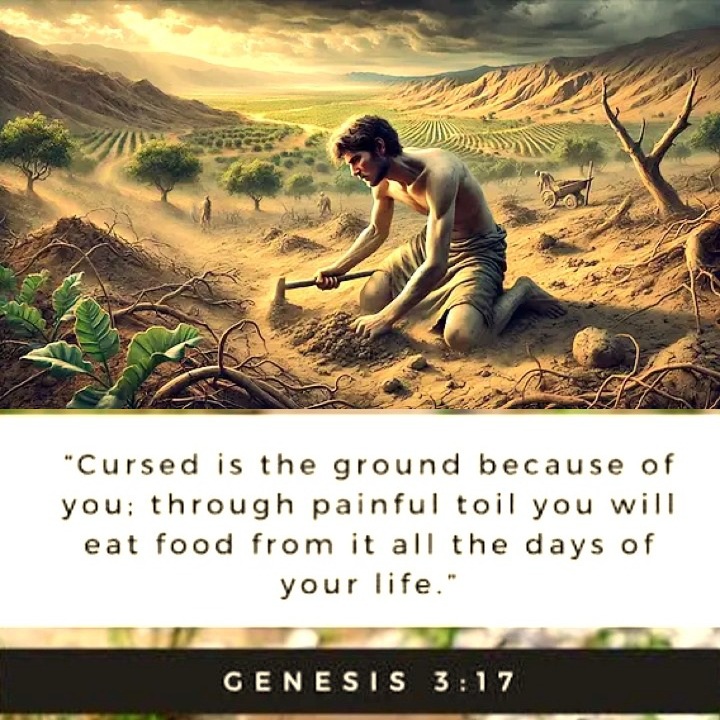
On the other hand, God had cursed the ground as part of the punishment for Adam and Eve’s disobedience. Cain had to work very hard to get the cursed ground to produce a crop. One might surmise that he brought the sacrifice of the fruit and vegetables he had grown from his efforts with great pride, “Hey God, look what I’ve accomplished!”

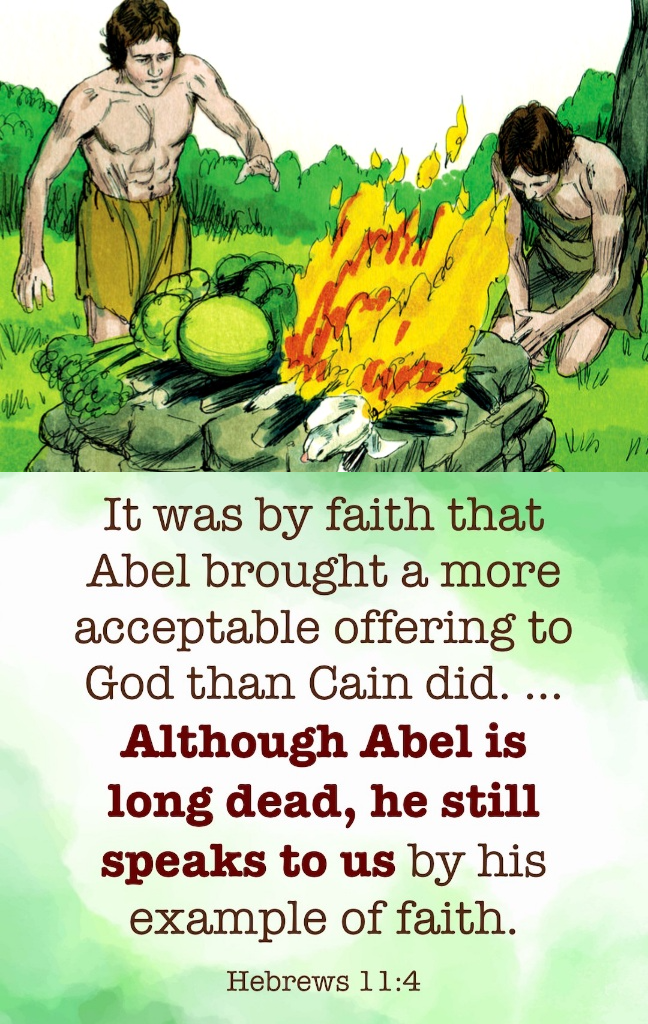
The New Testament “Hall of Faith” in Hebrews 11 states that the difference was not one of KIND, but one of FAITH. This statement is the most authoritative about the reason based on the principle that the New Testament interprets the Old. The key to remember is that God looks on the heart, not the outward form.
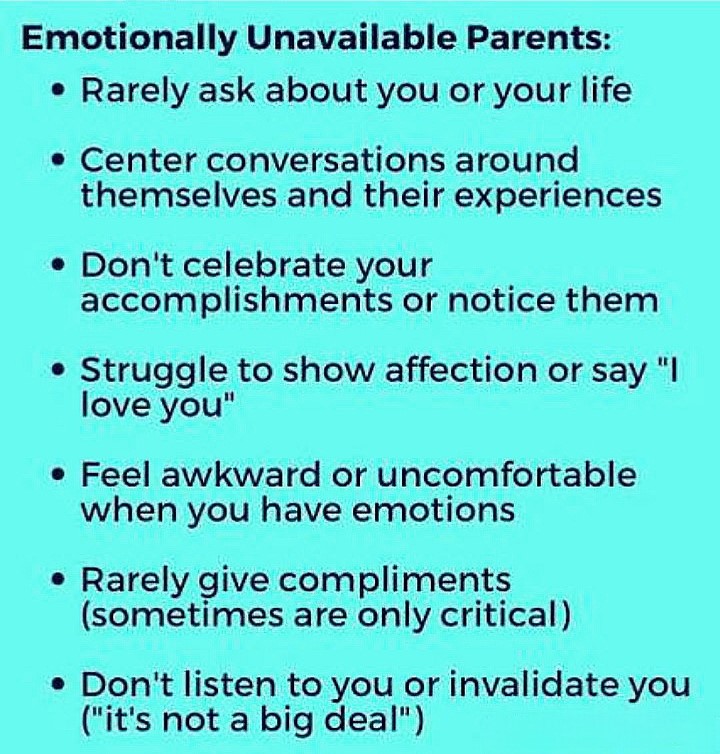
One thing that bothers me about the story of Cain and Abel is, “Where were Adam and Eve?” “Where were the parents?” We have to be careful about reading too much into the silences of Scripture, but I was wondering if there was some absentee parenting here? Were they so traumatized or feeling guilty by what had happened, by what they had casually thrown away, by what they had lost, that they were emotionally unavailable to their children? If so, that would be another dysfunction.
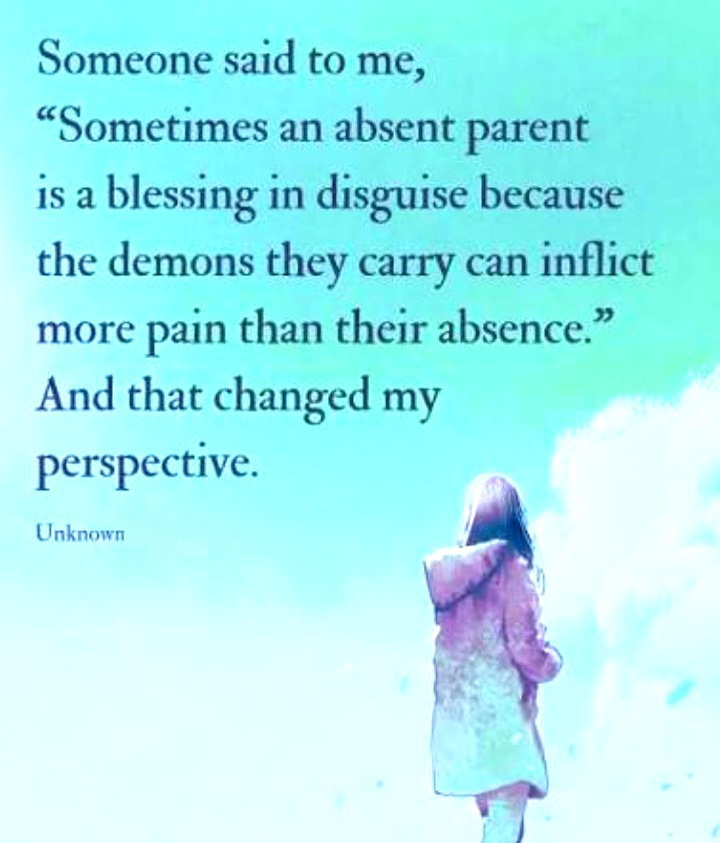
This is an interesting perspective, it might be better that parents who are so traumatized that they are dysfunctional NOT be involved in their children’s lives, because they would do more harm than good. Sadly, having been in such a family with a manic-depressive parent before effective treatment was developed, I can see the point. Just another example of the dysfunction caused by sin and carried to an extreme by entropy.
Genesis 4:7 contains 3 words used for the first time in the Bible:
• Sin = an offense and its penalty.
• Crouching = laying down on folded legs, like a recumbent animal. By implication waiting, lurking.
• Door = an opening for entering, a gate.
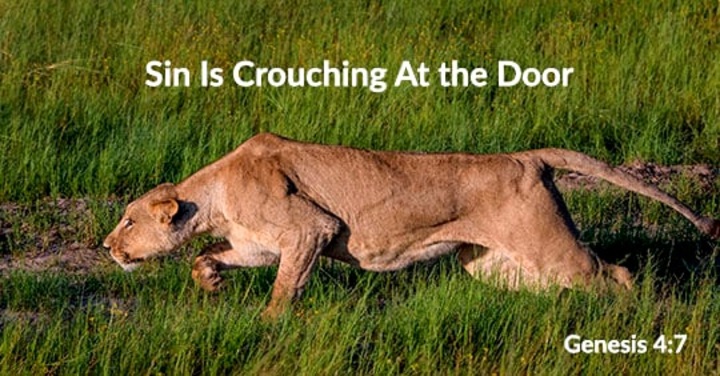
“Waiting at the door” sounds like a colloquism–a local turn of phrase. The interesting thing about it is there are no previous references to any structures requiring a door, such as a tent, a hut or a pen for the animals, but the use of ‘door’ implies those things now existed.
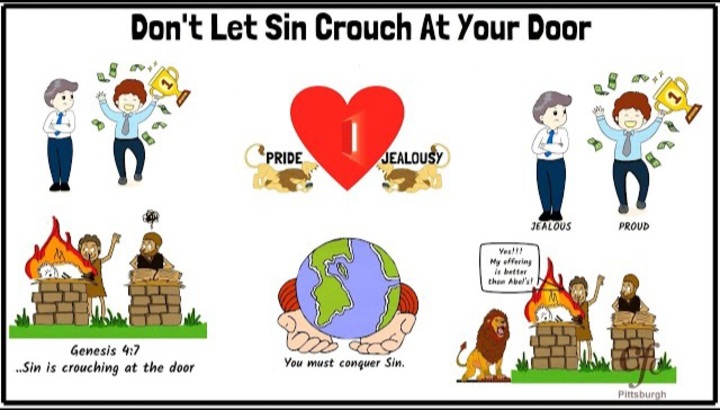
So, the important point is that dysfunctional attitudes make us vulnerable to sin, similar to what happened to Eve, except she was led down the road of vulnerability by deception. Cain was led down that road by his dysfunctional emotions.
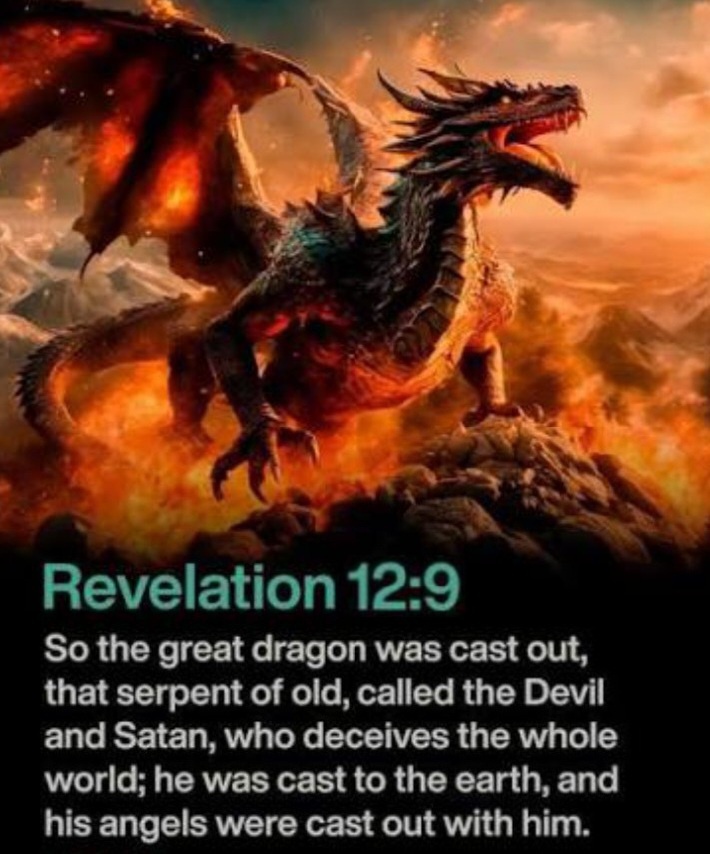
An interesting point about Genesis 3 was that the ‘serpent’ is not identified as Satan there, although Jewish tradition from between the Testaments identifies the serpent as Satan, and Revelation 12:9 indicates it was him.
Here in Genesis 4 we have something similar in that the reference says, ‘sin is crouching at the door,’ whereas tradition once again identifies ‘sin’ as a personification of the devil.
CONCLUSIONS‼️
Paul points out that:
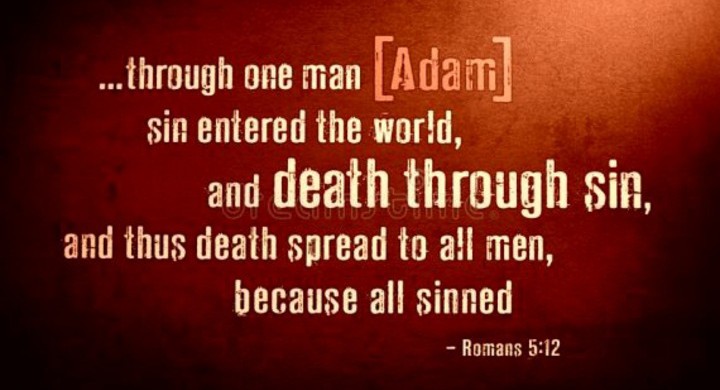
In addition to making us dysfunctional people, our sin causes us to do and say bad things, thus affecting relationships that run the gamut from almost perfectly functioning to almost totally dysfunctional. In other words, we’re talking about dysfunctional people interacting dysfunctionally. There just isn’t any other option open to sinful people apart from God’s redemptive power.
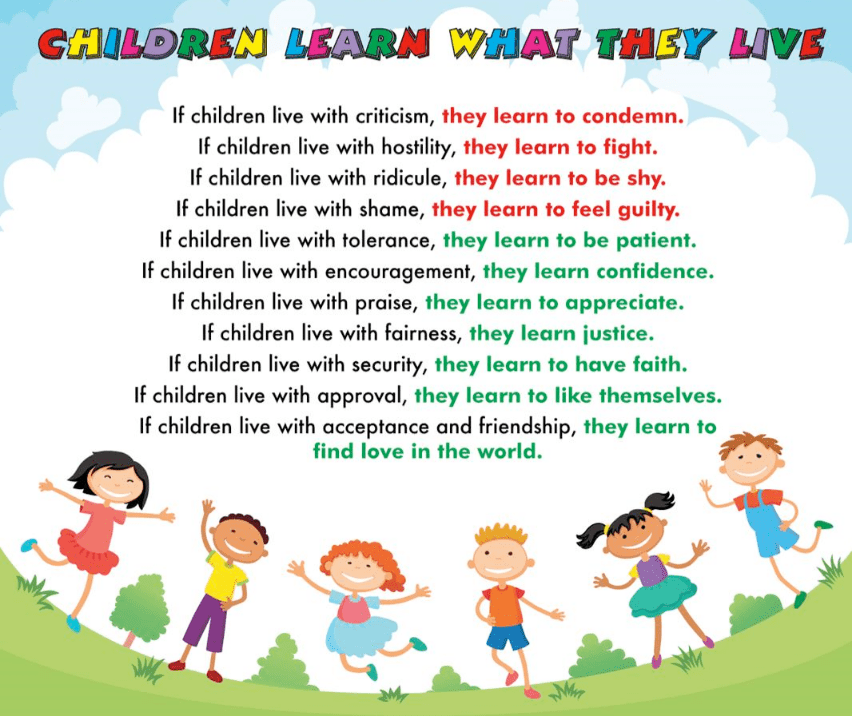
“Children learn what they live ” is a simple everyday expression of a psychological truth. That is, we tend to emulate the examples and models we imprint upon as children. But in addition to repeating the ‘sins of the fathers,’ our individual sinful nature tends to cause us to add to the dysfunction list and even to skew those dysfunctions we learned into different, individual expressions.
Some comparisons between Genesis chapters 3 and 4 show the similarities and the differences:
• Eve was deceived into thinking she didn’t have something she should have.
• Cain did not receive God’s approval for his offering when he thought he should have.
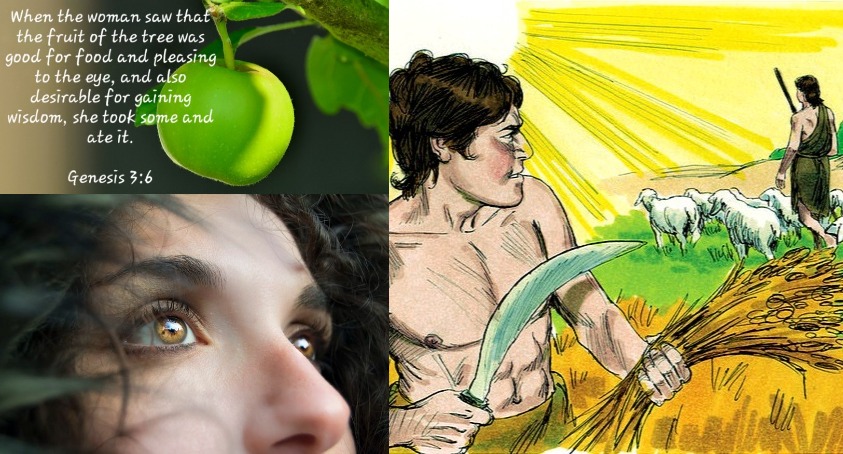
• Eve listened to the serpent and was deceived into disobeying God.
• Cain listened to his sinful emotions and was incited to commit murder.

• God exiled Adam and Eve from the Garden, set a guard of angels so they could not return, and cursed the land.
• God exiled Cain from his family’s homestead and cursed him with a mark so that he could not return.
🍎 APPLICATION:
From Genesis 3 we learned that we need to control the messages we listen to from others if we’re going to keep from being deceived and led into taking a sinful action.
In Genesis 4 we see a similar lesson–we need to also control our inner narrative. Because of the Fall, we now have a voice inside us inciting us to wrong thoughts and wrong emotions. As a result, we need to beware of negative emotions that can lead us astray. Some of those from Genesis chapter 4 could be:
• Pride
• Jealousy
• Envy
• Anger
• Hatred
• Bitterness
The Bible spends a lot of time warning us about these types of dysfunctionalemotions. There must be a reason. Paul talks about these ideas in Romans 6:14-18:
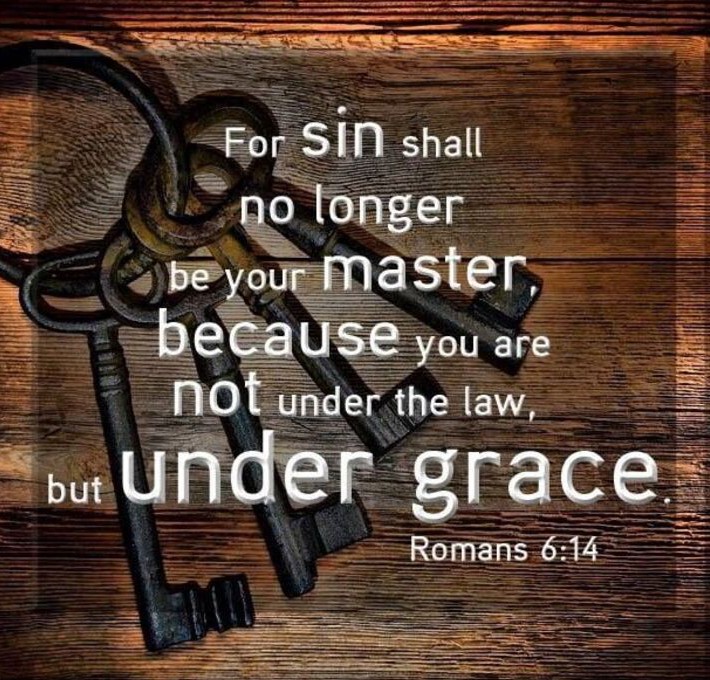
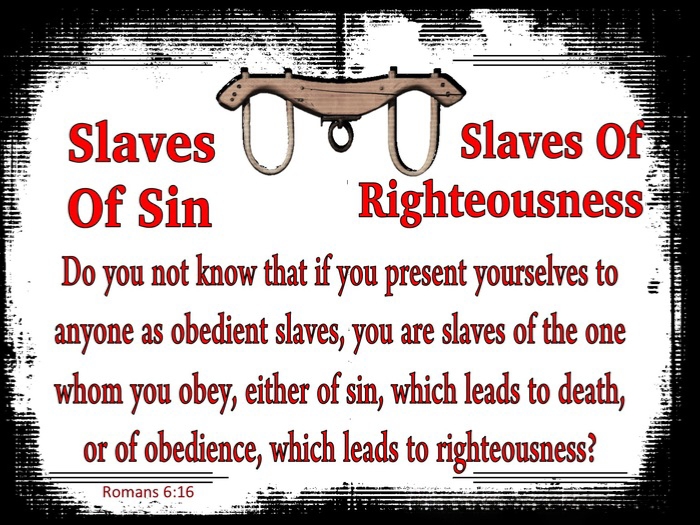
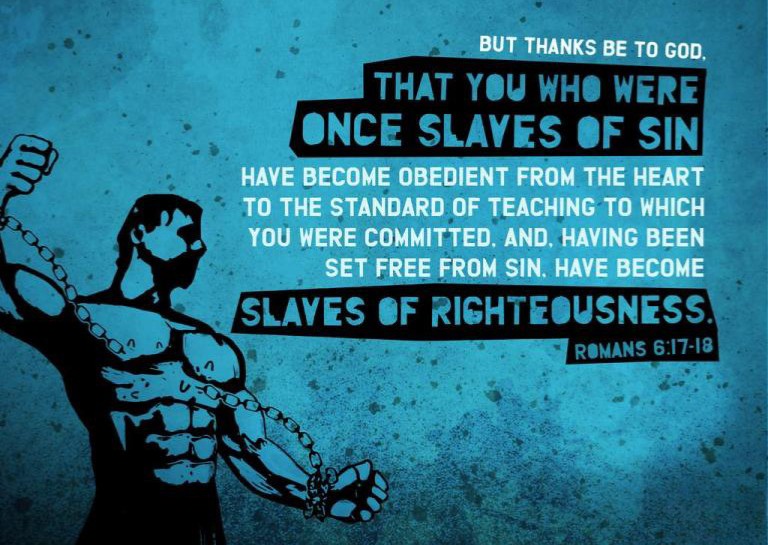
I think the lesson from Cain, the first murderer, shows why it is so important for us to “master” the sin crouching at the door of our heart. Negative emotions allow sin to come in and influence us to say and do wrong things.
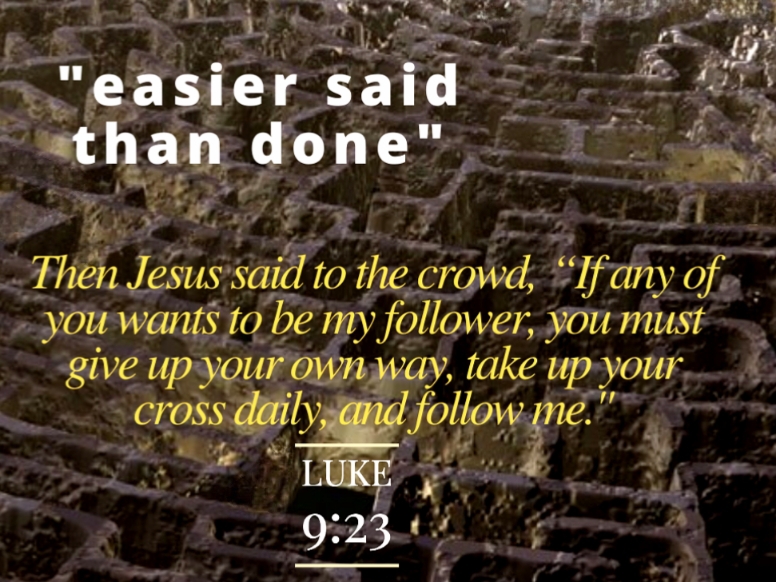
But Paul’s message of grace in Romans 6 teaches us that we have a choice in Jesus Christ–to turn in obedience to Him. When He is our Master, then sin cannot exert mastery over us. I don’t know about you, but that is MUCH easier SAID than DONE!!!
THE NEXT BLOG:
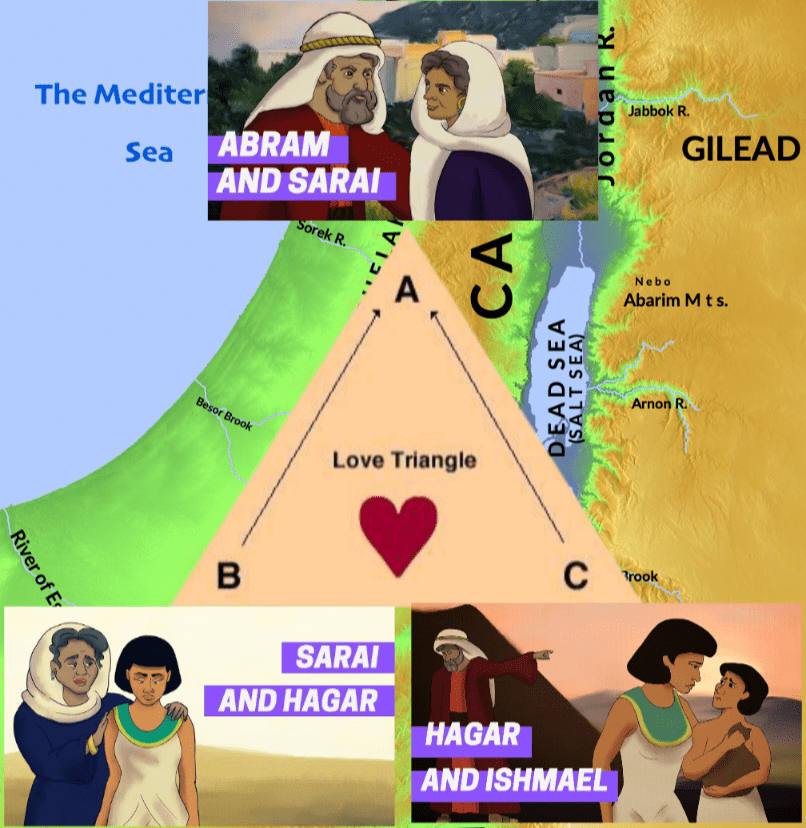
There are many other examples of dysfunction as we move from one origin story to another in Genesis. But since the focus of this series is going to be on the story of Joseph, I’m going to jump ahead to his great-grandfather, Abraham, and look at the story of Abram, Sarai, Hagar and Ishmael next.


Leave a Reply