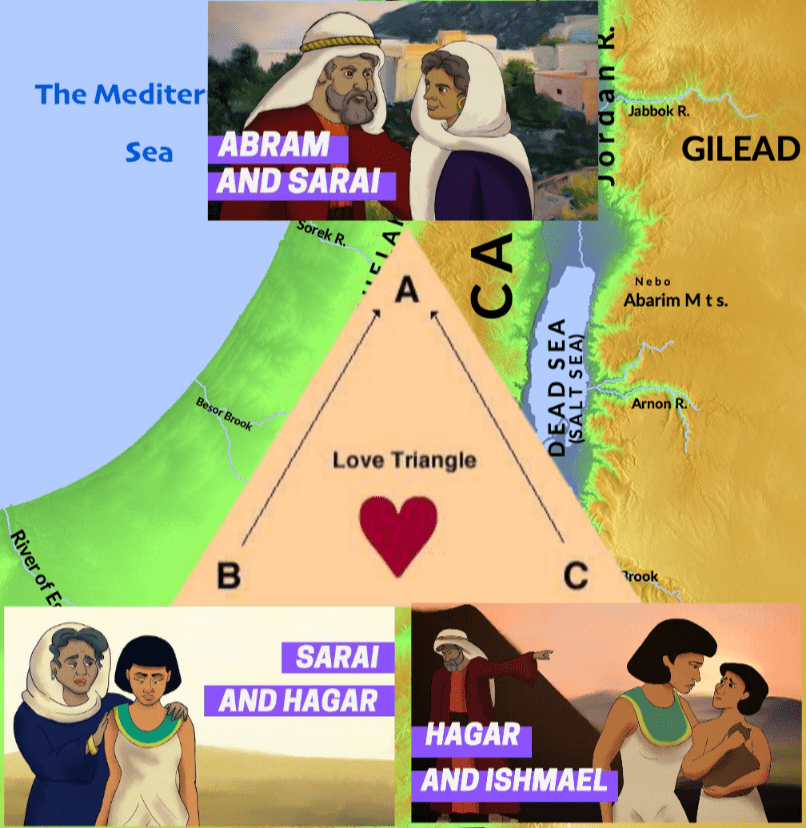
There are many examples of dysfunction as we move from one origin story to another in Genesis. But since the focus of this series is going to be on the story of Joseph, I’m going to jump ahead to his great-grandfather, Abraham and look at the story of Abram, Sarai, Hagar and Ishmael.
THE STORY:
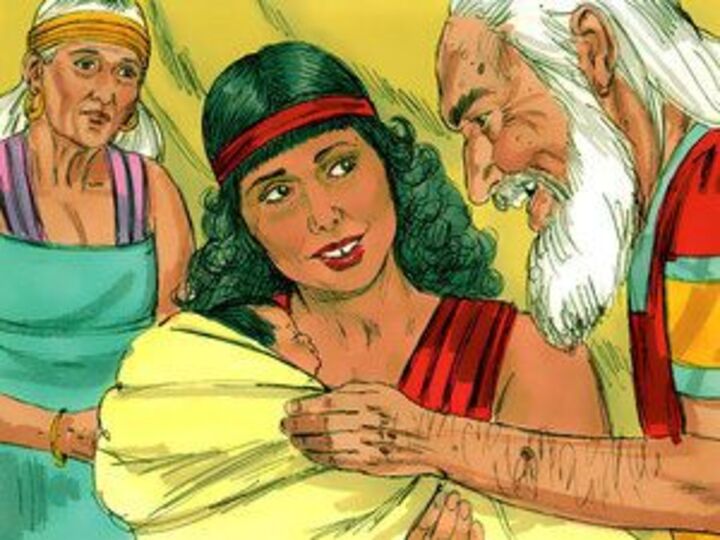
1. Abraham, Sarah and their Maid, Hagar.


This was dysfunction number 2. First, a lack of faith on Sarai’s part–she had given up hope and thought SHE was the problem, but that her husband–10 years older–could still engender a child.
The second part of the dysfunction was a cultural one–following a pagan custom from other, ungodly people rather than trusting and obeying God. God’s ways are perfect, even if difficult to wait for. Man’s ways are dysfunctional and always result in creating more problems than they solve.

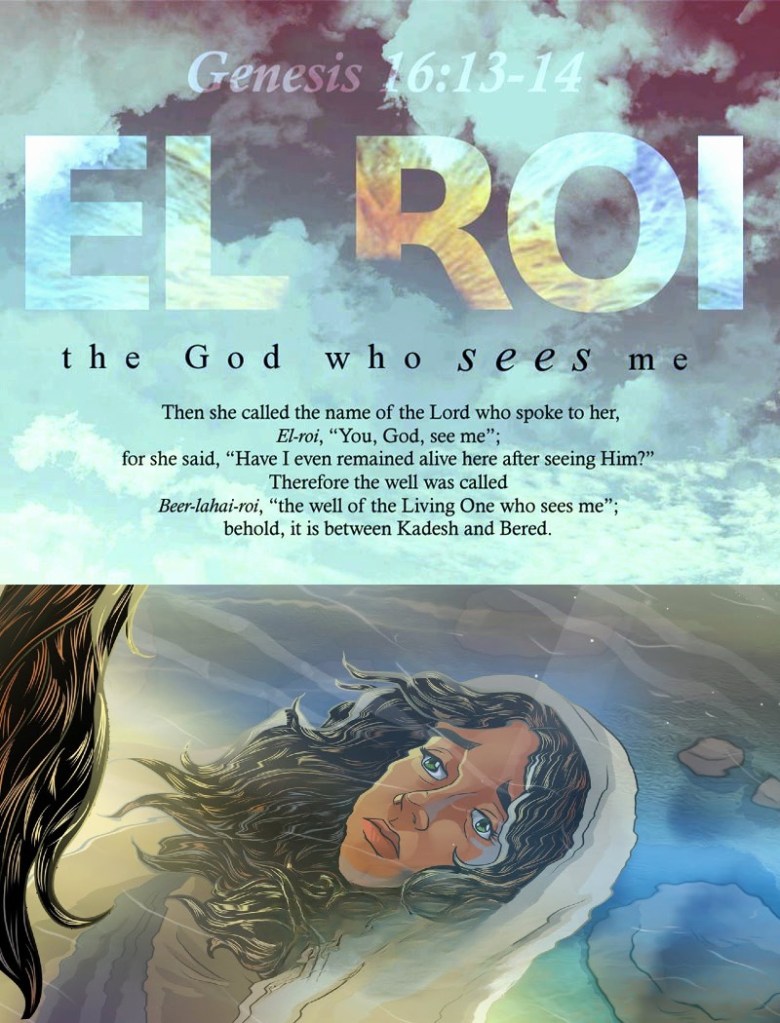
D. God intervened and appeared to Hagar, calling her back from her precipitous flight away from Sarai’s persecution and encouraging her to return to Abram’s household. This was God acting as ‘anti-entropy,’ putting things back to the right.


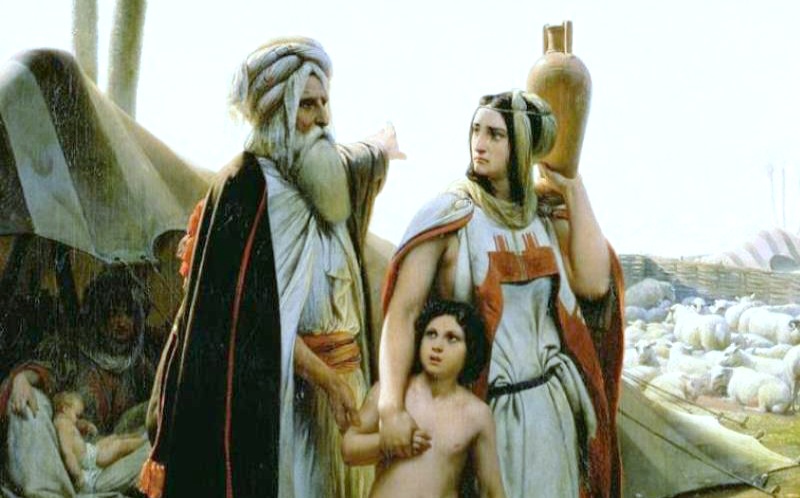
E. Sarah demanded of Abraham that Hagar and Ishmael be exiled. This was the result of the dysfunction of jealousy where we make people choose between two things or people that they love. “It’s either me or them!”

📋 SUMMARY
Children learn what they live. So, to summarize, these are some of the dysfunctions that Isaac grew up with, which would have set his functional moral compass.🧭
1. It’s not okay to not have children. If you can’t have them with your wife, it’s okay to have them with someone else.

2. It’s okay to mistreate and persecute those who are less powerful or less privileged than you are.
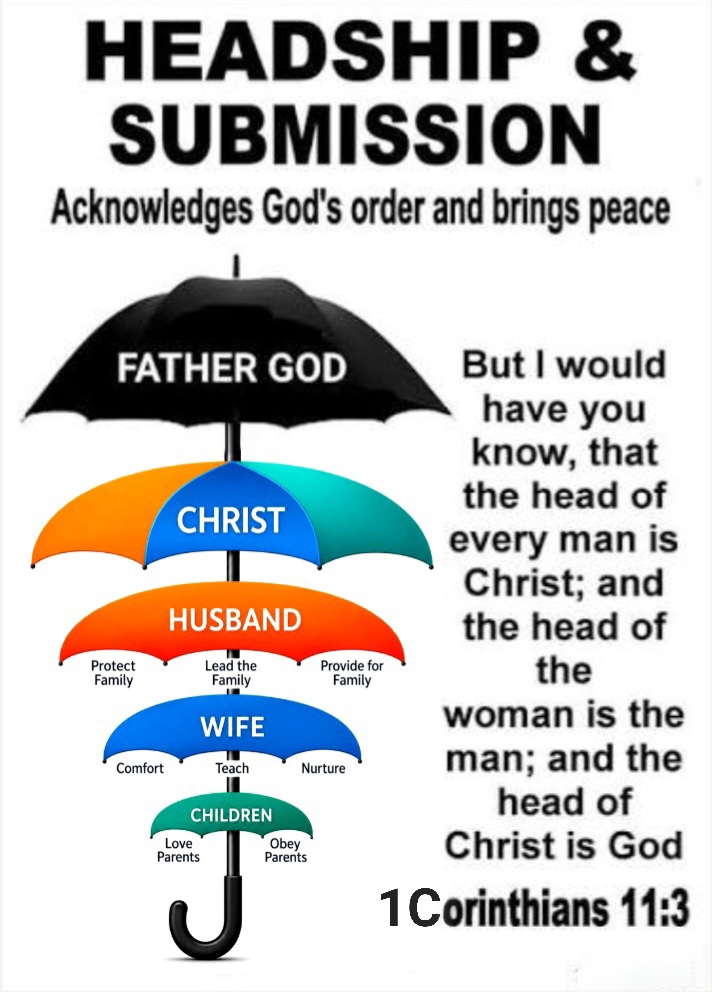
3. Passivity instead of leadership. It’s okay not to intervene in family problems, but take a ‘let them settle it between themselves’ approach. Then when the wife makes a demand, the husband acquiesces with a “Yes, dear.” This is not Christian leadership as God intends and as the Bible teaches.
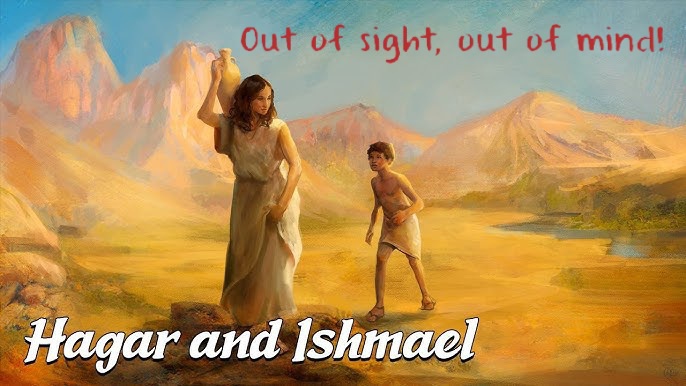
4. If you can’t stand someone for whatever reason and you are in the more powerful position, it’s okay to exile them, kick them out, send them away from the family, to let them take their chances on their own in the unfriendly world, maybe secretly hoping that they will die and no longer be a problem? Just so long as they’re “out of sight, out of mind.”

God actually instituted the practice of exile instead of execution, not because it was a good thing to do, but because it was the best option available in a Fallen, sinful world when dealing with Fallen, sinful people.
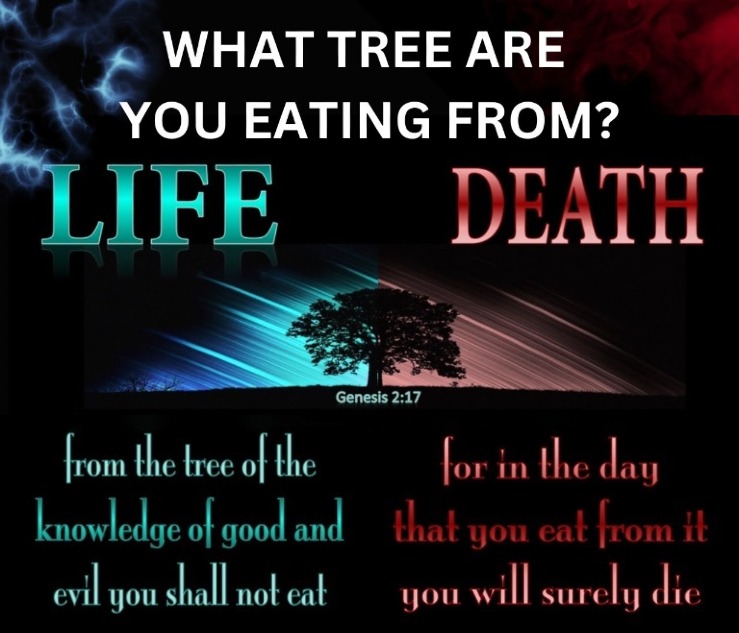
Note that even though God said that the day they ate of the fruit from the tree of knowledge of Good and Evil they would die, He didn’t execute them. The first death was the animals killed by God to use their skins as coverings for Adam and Eve’s sin and shame. This was the first substitutionary death.
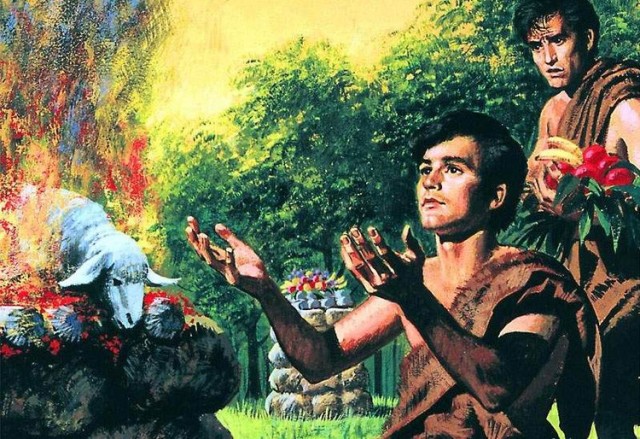
Abel mimicked God’s act of substitutionary sacrifice when he offered a lamb to God. God accepted it as a substitution for him and his sin, and killed and consumed it as an indication of His acceptance.
The first death of a person wasn’t until Cain killed his brother Abel out of jealousy.

Instead of immediate death, God exiled Adam and Eve from the easy living in the blessed garden. They did eventually die, which leaves us with the question, might they still have died before sinning? Or could it have been that they would have been allowed to eat the fruit of the Tree of Eternal Life when senescence approached?
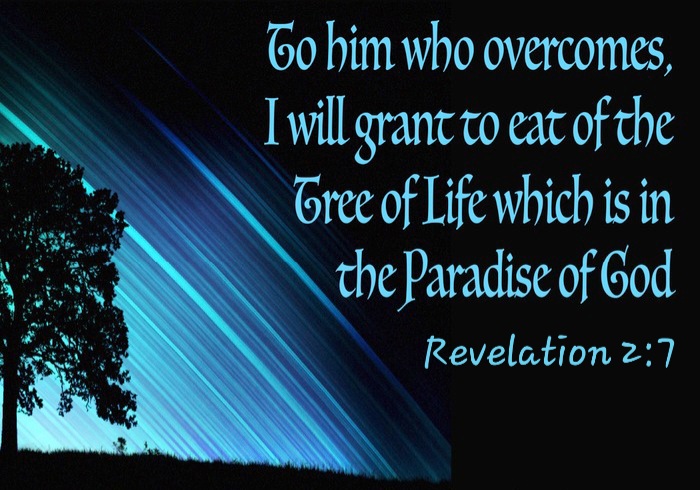
Of course, we’ll never know, BUT WE who believe through Jesus Christ WILL eat from the ‘Tree of Eternal Life,’ and thus live forever.
🍎 APPLICATION
What moral values did you grow up with that have unknowingly set your 🧭 moral compass differently than how God intends?
I think that’s why there is such an emphasis in the New Testament on the death of the old person and ‘rebirth’ as a new person 👶. For example:
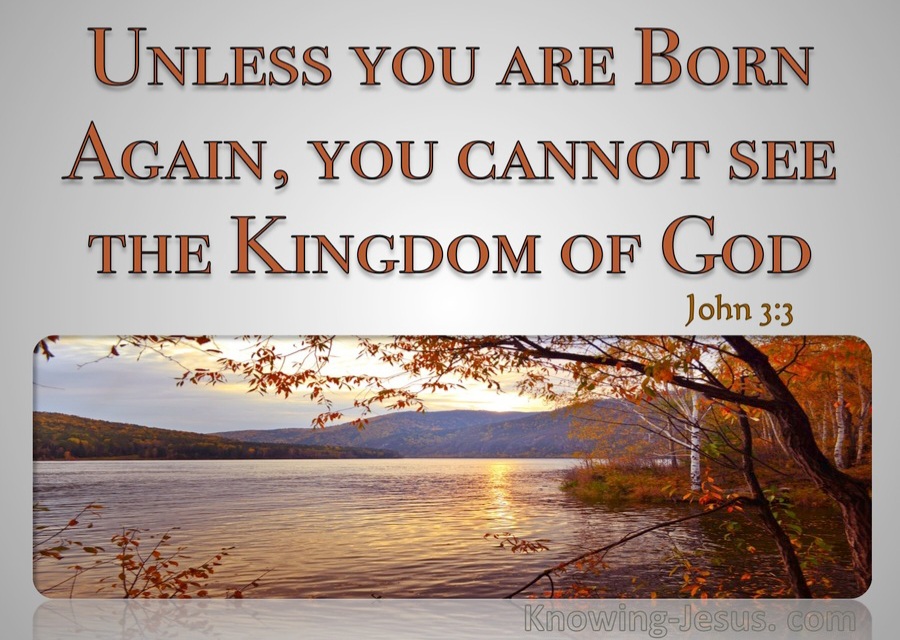
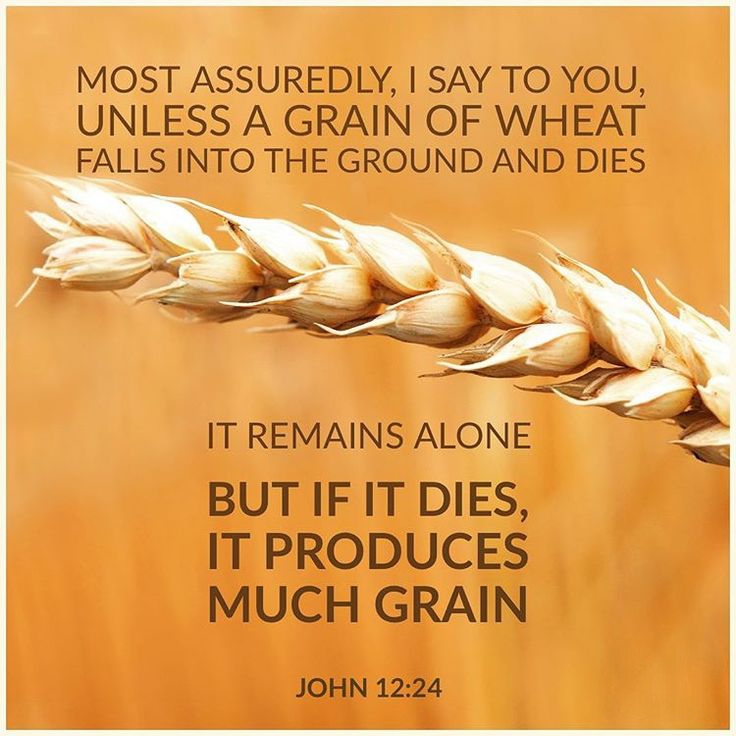
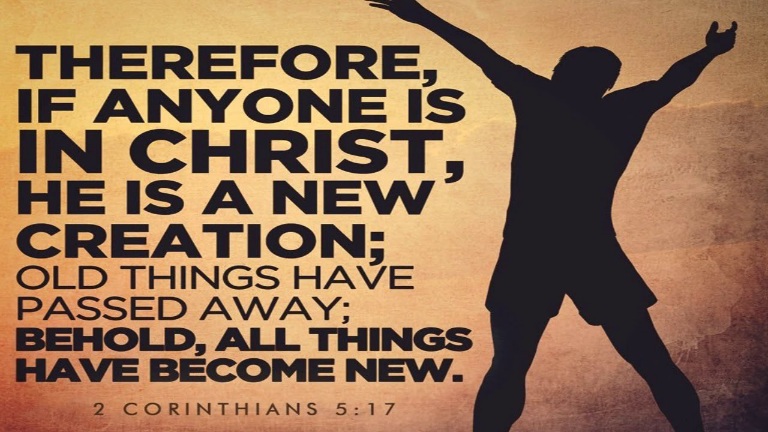
In his first letter to the Corinthian church, Paul uses the language of rebirth to describe how the old passes away and new things come to replace them.
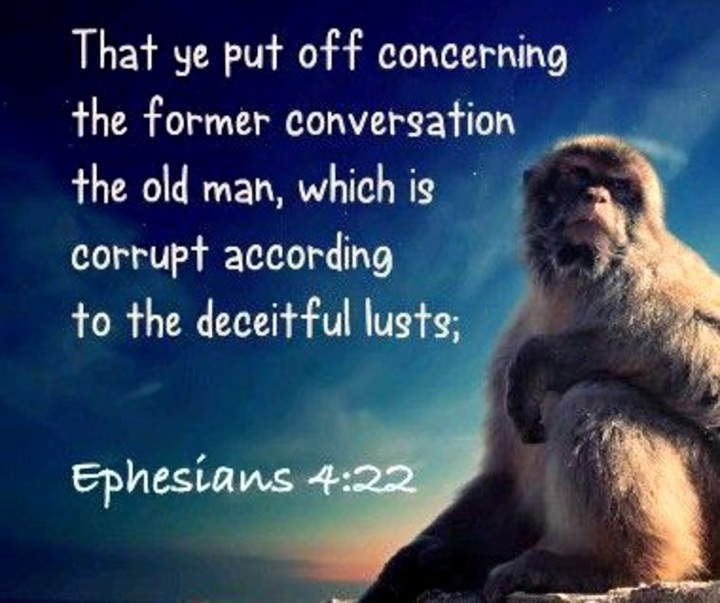
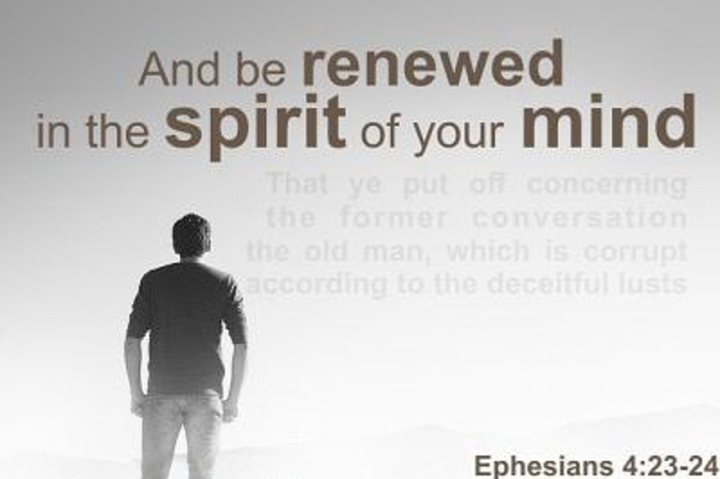
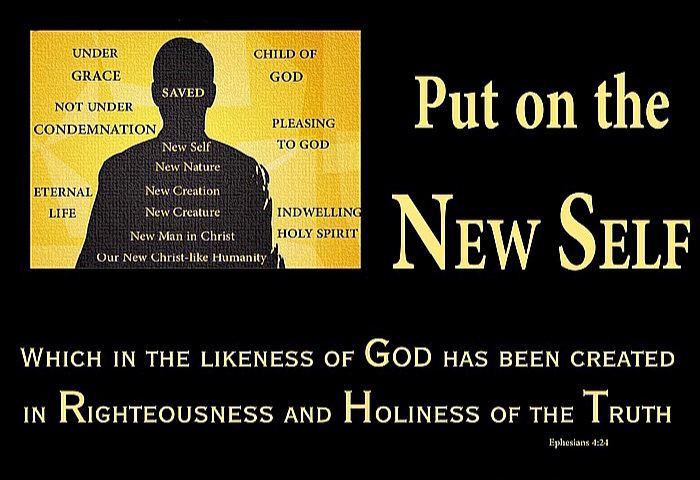
In essence, Christian growth is a shared responsibility–God makes change possible, we would never be able to do it on our own–and then we have to obey in faith, make an effort to change, and keep at it in faith.

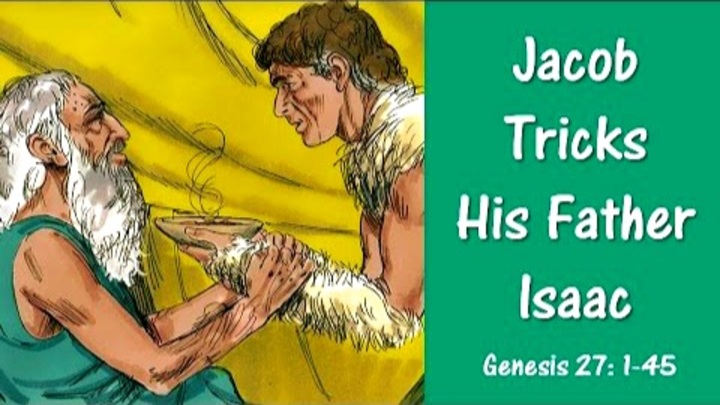
A ‘Trickster’ is featured in many cultural myths around the world. A trickster is usually someone who crosses social and cultural boundaries, is morally ambiguous, and often a shapeshifer.
• ‘Tricksters’ tend to be rule breakers. They defy social norms, cosmic laws, and divine authority, sometimes just for the fun of it, but at other times to prompt needed change. 🚫
• ‘Tricksters’ often are capable of shape-shifting for the purpose of disguise. 🐵
• ‘Tricksters’ are both creators and destroyers: They bring gifts to humanity, like fire or wisdom, while simultaneously causing disruptions and chaos. ☄️
Some examples:


Coyote or Raven are Indigenous North American heroes who shape the earth and teach people hard lessons through their mistakes.
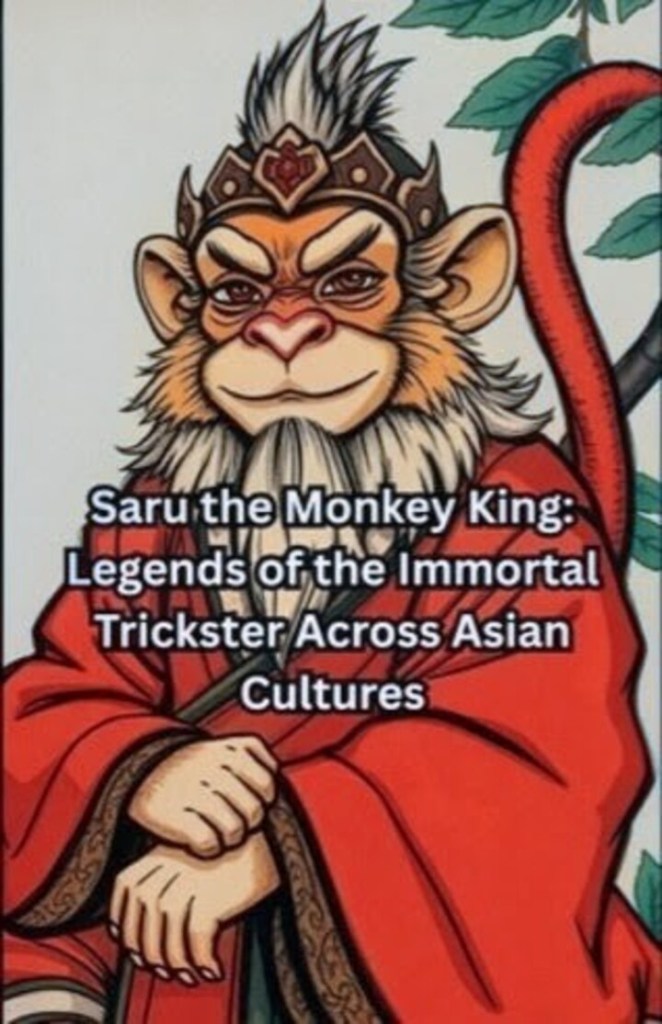
In East Asian mythology, the Monkey King rebelled against heavenly beings using cleverness and a magical staff.

Jacob, son of Isaac, meaning “The Supplanter,” exhibits some of the characteristics of a trickster and has been called such. Check out my next blog for his story and see what you think.
 Bill's Bible Blog
Leave a comment