Happy New Year everybody! My life has been changing at the speed of light the past few weeks, but we mortals still react to change at the same plodding pace. I’ve plenty of opportunities to trust God and to show His grace, but I can always use some inspiration.
I was looking for some inspiration on the Internet the other morning and I came across “26 Verses for 2026.” Just what I was looking for! (Funny how that happens…) So, I’m going to share one each week, along with my thoughts. Maybe you’ll find inspiration from them too.
January: Verses About Resolutions
1. Ecclesiastes 5:5 – Be Commited:
I heard on the news this week that most people are making the same New Year’s Resolutions they made last year–to exercise more, to eat better, to save money, to lose weight–but since resolving to do those things last year didn’t work, what’s the likelihood it will work this year?
You might also have seen practical suggestions for being more successful with your resolutions:
1. Break your goals down into smaller steps and focus on accomplishing one step at a time. 2. Set specific, realistic, and small goals, like something for each day, week, month…3. Focus on developing positive habits rather than just stopping bad habits.4. Find someone you know who is doing the same thing and do it together. 5. Celebrate your progress, but not by breaking your resolution!
One of my resolutions, when I got off my oral chemo last month, was to lose the weight it had caused me to gain. So far I’ve lost 7 pounds. Woo-hoo! Much farther to go, though, but I’m committed to following my plan…
Making changes to your physical and mental habits is hard! But do you know what is even harder? Making SPIRITUAL changes.
You see, God made us in His glorious image, not on the outside, but on the inside. Our character is supposed to be a reflection of who God is. For example:
God is the Creator–we are creativeGod is all-powerful–we are powerful in our own ways.God is all-knowing–we are capable of learning and knowing things.God is just–at our best, we know what is fair and just.God is love–at our best, we too are capable of great love.
Notice my qualifier “at our best.” You see, there’s this thing called “sin.” Humankind at the beginning turned from God in disobedience and this forever scarred our psyche. Instead of living to the glory of God, our nature was turned upside down and inside out, and now we live to glorify ourselves.
That doesn’t sound so bad, until you realize we are supposed to love each other to the point of sacrificing our own needs and desires for other’s good. Turn that around and you get people who love themselves most of all, and who are willing to sacrifice anything and everything of the people around them, to fulfill their own needs and desires. That results in some very ugly things in this world.
Mankind often exercises it’s power for destroying rather than creating.
When we choose to come to God by faith in Jesus Christ, God begins a process of reversing the harm of sin in our lives, both from our sin within and from others’ sin from without. That means fundamentally changing who we are on the inside.
Just as I am…I come
You might wonder, “Doesn’t God accept me as I am?” Yes, He does. He doesn’t require that we try to make these changes before He accepts us, because WE CANNOT!
God meets us wherever we are in life when we come to Him–He accepts us as we are, but then He redeems us from sin and darkness, and He brings us into His glory and light. He loves us so much, He won’t leave us where we are–in a pit of sin, darkness and despair.
But real, deep down change of who we are doesn’t happen immediately. We have to walk out what this means for the rest of our lives. You see, every day is a New Day in the Christian life. Therefore, every day requires a New Day’s Resolution.
So, let’s start each day in our relationship with God by making a committment to Him. Follow through on that PROMISE YOU MADE TO GOD when He first redeemed you.
In my large and extended family, I am one of the oldest. As a result, I had spent more time with our older family members and they had told me stories…
I had been considering memorializing those stories when I was asked to share those I knew about our Mother’s childhood. But I realized in order to understand who our Mom was as a child, I needed to go back to her mother’s childhood…
The following stories are based on the things I was told, but expanded with historical accounts of the times, places and people; and merged together with some story telling and some imagination. I hope you enjoy it.
I. Alice: A. Endings and Beginnings
1900’s Western Union Telegraph Operator
1917. THE TELEGRAM
The sound of the car stopping in front of the farmhouse was lost amidst the noise of the two women working in the kitchen, and the low sound of the fires burning in the kitchen stove and the potbelly stove in the living room, unnoticed that is except for the hound dogs on the porch who started baying and barking according to their nature.
Mama Perdue wiped her hands on her apron and looked meaningfully at her oldest daughter. If the visitor to the remote farmhouse represented danger, it would be her responsibility to run out the back door and find her father.
As she passed through the living room, Mama Perdue glanced over at baby Charlie in his playpen in the corner, holding onto the railing, shaking back and forth, and adding ‘Uh, uh, uh!’ as he did every time the dogs made a ruckus. She walked to the front door, opened it and looked through the screen door at the car stopped in front of the house. The driver moved over to the passenger side and waved at her. It was then that she recognized the distinctive cap of the town’s telegraph operator.
The Plott Hound, State Dog of NC
Stepping out on the cold porch in her slippered feet, she shushed the dogs, some coming over to sniff her hands for food. After all of the hounds were sitting and silent, the uniformed man got out of his vehicle and slowly walked over to the steps. The hounds were looking at the stranger with interest, but none showed any hostile intent. So, just as slowly, he walked up the stone steps to the wooden porch and Mama Perdue.
Cast Iron Pot-Bellied Stove, Appalachia Region
“Will you come in?” she politely offered. They both came in from the cold into the almost sweltering heat of the wood-burning stove where he took off his scarf and jacket, hanging them on a convenient peg, but kept his distinctive, identifying cap on.
Mama ushered the man to their best stuffed chair and asked if he would like some water. The wells in Stokes County were dug down to fractured granite bedrock and produced some of the sweetest water anywhere. The telegraph xterm murmured a “Yes, please,” and a nod from Mama sent Nona, peeking around the kitchen archway, to pour a glass from the bucket. A questioning look at her mother was met with a negative shake. Mama’s throat was so tight from apprehensive dread of the message the man had brought that she doubted she would have been able to swallow anything.
After taking a long drink of the water and sighing with satisfaction, the man stated the nature of his business. “Ma’am, you and Mister Perdue have received a telegram. Would you like it now, or would you prefer to wait for Mr. Perdue?”
“Wait,” Mama managed to croak out. “Nona?” She called to her daughter again, but Nona knew what her mama wanted and needed no further instructions.
She quickly walked over to the pegs by the door, winding her long, loose pigtails around the top of her head and pinning them in place with a pair of old and worn knitting needles she pulled from her capacious apron pocket. This was the only winter cap she had. She pulled an old and worn coat from its peg, obviously too big for her slight figure, but underneath it could be seen a length of rope hanging on the peg.
Page from a 1917 Christmas Catalog
Next she slipped her feet into an old, worn pair of boots, also obviously too big for her stockinged feet, but inside they were stuffed with pages from the Christmas catalog, which was just about the only mail they received from the outside world.
Cinching her coat around her narrow waist with the rope, Nona squeezed through the door quickly to keep the heated air inside and the winter cold outside. Her boots could be heard clumping loudly across the wooden porch, then their sound quickly faded in the distance.
Mama Perdue looked toward the telegraph bearer, knowing the social situation called for polite conversation, but she just couldn’t find any words to say. The old man seemed to know what she was feeling as he politely kept his gaze turned away from her, occasionally sipping from his glass of water.
Young Men Registering for the 1917 Draft
Despite not knowing yet what the telegraph said, Mama Perdue had a good idea. Earlier that year, her two oldest boys, Stanley and John, had to register for the draft. Stanley, the oldest, had married a girl across the other side of the county, Bessie, and they already had two children. He had taken over her elderly father’s farm and it would have been a hardship to their family if he was drafted.
But John, her favorite son, as yet unmarried, but with plenty of prospects, was drafted instead. Not her John! The best and brightest of her children. His smile could light up any room. When he laughed, everyone wanted to laugh with him. He was her best hope for becoming something more than a farmer. ‘Not her precious John!’ She wailed inside.
She was disturbed from her reverie by baying from the hounds on the porch that was quickly shushed. Then there was the clump of boots across the porch and the door was flung open. Standing there was her husband, his axe held in both hands and a look of menace in his eyes. When he saw the reported Western Union man and his wife sitting calmly on opposite sides of the living room, although now wearing startled looks, and his baby son was screwing up his face like he did just before he started crying. Papa mumbled an apology and stepped fully into the house, followed by their tall first son, also holding his axe as if expecting an attack, then Nona, her face red and breathing harder than the two men as she had run the distance twice.
Papa Perdue leaned his axe against the wall and motioned his two children out of the way, so he could shut the door. He then took off his coat and scarf, hanging them on a peg, then stooped down to unlace and remove his boots. The other two quickly followed suit. A whispered exchange with Nona sent her into the kitchen to emerge a moment later with two glasses of water.
Papa had gone to stand next to his sitting wife, a hand on her hunched shoulders. Stanley had sat down in a nearby chair when she came back with their waters. Nona slipped back into the kitchen for her own water, then returned to stand next to the comforting presence of her big brother.
Seeing that all were ready, the man reached into an inner pocket of his vest and pulled out the distinctive yellow Western Union envelope. Standing and repeating his formal words, “Mister and Missus Perdue, you have received a telegram,” he stepped over and handed it to Papa Perdue, before returning to his seat.
After a suspicious look at him from under his lowered brow, Papa looked at the envelope for a moment before reaching into his pocket and retrieving his pocket knife. Outwardly appearing calm, his nervousness was betrayed by the shaking of his hands as he snicked open the longest blade and slit open the envelope. He too knew what the telegram probably meant.
Papa stared at the words on the page, but neither he nor his wife could read, being surviving children of the Civil War. Their families had been more concerned with hiding their farm and stock from the marauding bands of foragers from both sides to do more than see that they had enough food to eat.
Hearing that logged out, arable farming lands suitable for growing tobacco were being granted in North Carolina, they had married and moved south from southwest Virginia, driving a wagon with gifts of the tools needed to start their own farm, even if some were second-hand.
Stokesdake, NC, Train Depot.
Since slavery had been abolished, the big plantations had failed and been parcelled out. Now tobacco commerce relied on small farms near enough to a train depot they could take the cured tobacco there by wagon to be bid on. At the train depot in Stokesdale, there were agents from American Tobacco to the east in Reidsville, and from the west at R.J. Reynolds in Winston-Salem, so the area growers almost always got premium prices for their cured tobacco.
School Picture from a One-Room School.
But his children were more fortunate than their mama and papa. Here in this time and this place, their children had been able to go to school, to learn to read and write, to handle numbers, to learn more about the bigger country they lived in, and even about the greater world beyond. Although he didn’t want to pass this responsibility on to his oldest daughter, he held the telegram out to Nona.
After a brief look of panic, Nona took the yellow page, unfolded it, cleared her throat and started reading.
MR AND MRS PERDUE GENERAL DELIVERY STOKES COUNTY NC
DEEPLY REGRET TO INFORM YOU THAT IT IS OFFICIALLY REPORTED THAT PRIVATE JOHN PERDUE INFANTRY DIED NOV FIRST FROM WOUNDS RECEIVED IN ACTION.
Mama Perdue wailed as her worst fears were realized and buried her face against her husband’s side, wrapping an arm around his waist to hold him close, while her body shook with her sobs. Stanley was white-faced from the shock. Nona suspected she was too as tears ran down her cheeks. She saw that even her staid father’s cheeks glistened with shed tears as he tried to comfort his wife.
Her mother’s sobs grew louder as she lifted her face from her husband’s side. She held our her free hand to Nona with a grasping motion and the girl realized she wanted the telegram. Nona placed it in her hand and Mama crushed it to her chest as the last tangible reminder of the son she had lost. Her wails redoubled and she pressed her face against her husband’s side again to muffle them.
Baby Charlie had started crying too with his mother’s wailing, so Nona went over to his crib, picked him up and started bouncing the tot on her hip, whispering shushing sounds to try and calm him.
The bearer of bad news stood up, and formerly asked, “Mister Purdue, may I be of any further assistance?” Papa looked up and tried to answer, but found he could not speak past the lump in his throat, so he just shook his head ‘no.’
“If not sir, madam, then I take my leave of you.” Papa just nodded a ‘yes’ and the telegraph operator walked over to the door, pulled his coat and scarf from its peg and put them on against the cold he knew was waiting for him outside.
Mason Automobile, ca. 1910
Opening the door slowly, he carefully looked at the hounds on the porch through the screen door. When they showed no particular interest in him, he exited, closed the door behind him and carefully walked to his car. Turning it around in the barnyard, he headed back to town.
The old man had been delivering all too many of these death notices lately. He felt he should deliver these in person to the good folk of Stokes County, rather than giving them to his assistant to deliver on his bicycle. He hoped that by delivering them in person–a venerable man, dressed in the Western Union uniform–he communicated that he cared about their grief as they received the bad news about their sons, their husbands, their brothers, their fathers…
As he drove down the dirt road leading back to the highway, he saw a child, heavily bundled against the winter cold, walking towards him. He slowed down and she stepped off to the side of the road to let him pass. He gave a brief wave as he passed by.
Looking in his rear view mirror, he saw she’d turned and was watching as he departed. Abruptly, she turned back toward home, breaking into a shambling run, apparently realizing something had happened.
‘Piggyback,’ early 1900’s photograph
Alerted by the whining and excited yipping of the young hounds who her sister had played with growing up, Nona rushed to the door from the kitchen to intercept Mamie as she came in. Just as she approached the door, little Mamie burst in, out of breath and her cheeks red from the cold. “Nona! I saw this man in a car, who was he?” Nona quickly shushed her little sister and motioned for her to shed her winter gear. Baby Charlie added his, “Uh, uh, uh!” to the hubbub and Nona stepped over to calm him down too.
As little Mamie walked across the living room, she could hear sobbing coming from their parents’ bedroom. Just as the excited girl was about to ask what was wrong with mama, Nona stepped over and placed her finger against the smaller girl’s lips and shushed her again, ushering her into the kitchen.
Warning little Mamie in a whisper to speak quietly, Nona poured her a glass of water and told her in whispers who the man in the car had been and the bad news he had brought of their brother John’s death in the War.
“But where’s Papa, shouldn’t he be here?” Whined the little girl. Shushing her little sister again, Nona explained that their big brother had driven his wagon over to help chop down and chop up the old, dead oak tree on the other side of the southeast field. It was getting late on this winter day, so the men had rushed back to load up Stanley’s wagon with the big limbs they had already trimmed from the trunk so he wouldn’t have to return home empty. Also, he wanted to get home before dark, if he could, although he carried a kerosene lantern to light his way, if he needed it.
Little Mamie whined another question, “But what does it mean?” Nona realized her little sister wasn’t quite old enough yet to understand, so she explained it this way, “Our brother, John, is never coming back from the War and that makes Mama very, very sad.”
“But why?” The little girl whined again. Nona shushed her and reminded her to keep quiet, then cautioned her, “Just remember, talking about John makes Mama very, very sad. So, don’t ever mention his name again and don’t ever ask her about him.”
* * * Historical Note * * *
Our Great Uncle was most likely killed in one of the pivotal Fall 1917 WW1 campaigns, featuring the brutal Third Battle of Passchendaele in the West Flanders region of Belgium.
The Third Battle of Passchendaele was characterized by devastating mud from the heaviest rainfall in the region in 30 years…
…and by high casualties–up to 700,000 men were killed or wounded.
* * *
1918 NEW LIFE
Mama Perdue spent the rest of the Winter in bed, leaving care of Mamie and baby Charlie to her oldest daughter. This worried Papa, but he hoped that his wife would eventually pull out of her depression, so he cautioned everyone to just walk softly and speak quietly.
Spring returned to the farm with a burst of warmth, the bright colors of flowers and the sounds of songbirds in the trees. Papa had been trying to coax his wife to return to farm life, but the natural renewal of life that was Spring seemed to present a more powerful argument.
Starting with breakfast and continuing for each meal over the next week, he helped his wife out of bed and helped her walk around the house, then the porch, then the yard, further and further each day as she regained her strength.
One of the arguments he had used to motivate her was they should have another son to replace the one they had lost. There came a day a few weeks after Mama had fully regained her strength when she quietly told him, “I am with child.”
Wild Blackberries
Spring turned into Summer with the swelling fruit of the plants on their farm and the swelling fruit of his wife’s womb. Things had returned to normal on the Perdue farm…almost.
Papa noticed his wife was much quieter, rarely joining in the frivolity around the kitchen table as everyone recounted the pratfalls from around the farm that day. Papa would sometimes find Mama just staring off in the distance at nothing, completely oblivious to what was going on around her. Papa worried, but he didn’t know what else he could do.
The worst was on John’s birthday. After breakfast, Mama went back into their bedroom, took the crumpled and tear-stained telegraph out from the little treasure box of their cedar chest, smoothed it out and just started crying, holding it to her chest, rocking back and forth in her grief. Papa made sure Nona had the children in hand and told them, “Mama is remembering your brother John today, and she is very, very sad. Walk quietly around the house today and I am sure she will be fine.”
Little Mamie listened with big eyes and nodded solemnly. Nona wore a haunted expression, her own legacy from that tearful day. Baby Charlie continued chortling contentedly from Nona’s lap, playing with his feet.
Work around the farm necessitated Papa get busy, but he was reassured when he returned for lunch and found Mama back at work in the kitchen.
* * *
Farm Mule Tacked for Riding
1919 BABY ALICE
There came a cold clear day in the middle of January, 1919, a little over a year after that fateful telegram, when Mama’s birth pangs came upon her. For the births of her previous children, Mama had the neighboring farmwife over to help with the delivery. Since her deliveries had been routine after, Stanley, her firstborn, Mama felt it was time for Nona to learn some of the things about having babies, since she was now of marriageable age, so she drafted Nona as an apprentice midwife.
Papa took care of the younger children in the kitchen, boiled water for washing, and stayed ready to ride the mule to the neighbor’s farm if anything went wrong.
There was much grunting and some screaming heard from the master bedroom over the next few hours. Baby Charlie didn’t pay much attention, only crying once at the worst of the screaming. Oddly enough, it was little Mamie who was able to calm him back down–holding him on her lap at the kitchen table with his head on her shoulder, bouncing him up and down, and murmuring quiet words of assurance in his ear. She would make a good mother in her time.
Mamie herself listened to all the goings on with her typical wide eyes. When she asked Papa what was happening, he replied that it was ‘women’s business,’ and that she would learn about it when she was old enough, just like Nona was learning now. Little Mamie resolved to ask her big sister later for more information.
Ebenezer Baptist Church, Buncombe, NC, Founded 1817, typical rural NC church
Finally a baby’s first cry was heard. Papa took the kettle of hot water warming on the stove into the bedroom and when he returned, he held a baby girl, wrapped in a soft baby blanket that had been a gift at the church baby shower, to show the siblings. Mamie looked at the smiling newborn with its eyes still squeezed shut, “What’s her name?” she asked her father. We are going to call her, ‘Alice,’ he replied.
* * *
1920 JUST ONE MORE
Mama loved her new daughter, she really did, but somehow she had gotten into her mind that she should have a son to replace the one she had lost. When baby Alice was weaned, she would see if she and Papa could try just one more time…
* * *
1921 THE LAST ONE
Mama Perdue lay back after the contraction, covered with sweat and panting heavily. Nona hovered over her, white-faced with fear, sponging the sweat from her mother’s brow with a wash cloth.
Mama had been in labor much longer than ever before. She finally had agreed to send Papa to fetch the neighboring farm wife, who should be back soon…
In between the contractions, which were become more and more desperate, Mama’s neighbor pushed and felt her distended belly, pushed and felt it over and over, murmuring that the baby was turned around wrong.
Her ministrations must have corrected the baby’s position enough as it finally arrived with an extended push and a mighty scream by Mama Perdue. Afterwards, Mama fell back on her pillow, barely conscious, to the worried looks of her two attendants.
Nona lifted her mama’s head to help her drink some water. “It’s a boy,” she told her mama quietly. Mama Perdue smiled, “We shall call his name ‘Coy,’” she barely whispered the ritual words of naming.
Mama Perdue didn’t need the advice her friend gave before she went back home to know this would be her last baby. Delivering this one had almost killed her. She wouldn’t make the mistake some mothers did to try for one more child than she could safely deliver. She almost had this time. There would be no more children borne by her on the Perdue farm.
We studied the end of Mark last week, but it seemed inappropriate to talk about the death, burial and resurrection of Jesus in December at a time when we’re celebrating His incarnation and birth. So, for my last blog before a break for the holidays, I’m pulling out a story I wrote many years ago and updating it for you.
But first, a little background.
“And Mary brought forth her firstborn son, and wrapped him in swaddling clothes, and laid him in a manger, because there was no room for them in the inn” (Luke 2:7)
Much has been made of this last phrase in many Christmas dramatizations–Joseph leading the donkey with a very pregnant Mary on its back from inn to inn, and being turned away time after time because there was no more room.
Many years ago. I saw a program on the History Channel that painted quite a different picture of what this might have meant in the first century.
You see, there were no inns in Israel in those days, so the program asserted. Instead, people traveling within Israel stayed with friends or family. So, instead of meaning ‘inn,’ they said it really meant ‘common room,’ that is, a large room where a family could, for example, throw a party, have a feast, or out-of-town visitors could unroll a blanket and spend the night.
And it wasn’t just family and friends from out of town who might spend the night. One of the provisions of Jewish religious Law was to show hospitality to strangers and ‘sojourners,’ that is, people who were just ‘passing through.’ So traveling Jews could just walk up to a house in Israel, knock on the door, and ask for hospitality for the night.
My mom described something similar during her childhood in the 40’s. When her grandmother was near death, all of the families were brought together for the wake. What she described was almost wall-to-wall pallets in the living room where everyone slept each night.
Looking at the Greek for clarification, the word Luke used for ‘inn,’ was katalymati (Strong’s G2646) from kataluo; properly, a dissolution; that is, “breaking up” of a journey, or by implication a lodging-place such as a guestroom (used twice), or inn (used only once in this passage in Luke).
So, ‘inn’ is not an incorrect translation, but this Greek word has a wider meaning.
The other two uses of the word are in Luke and Mark, describing the upper room where Jesus celebrated the Passover just before His arrest and crucifixion.
Later in Luke 10, in the story of the Good Samaritan, Luke does use a word that can be more properly called an ‘inn,’ pandocheion , (Strong’s G3829.) It literally means ‘all-receiving,’ and refers to a public lodging-place such as a caravanserai (for caravans to stop at that includes accommodations for the large number of animals), or an inn as we would think of it, where any traveler can stop and spend the night, for a fee. These were usually outside of Israel for the non-Jewish travelers.
So, with Luke using the same Greek word in the Christmas story and for the upper room, and a different Greek word for a public inn, the assertion by the History Channel program for interpreting it as ‘common room’ seems very strong. With that in mind, and my mother’s childhood experience, I decided to write a story as to how the birth of Jesus might have happened.
No Room…
The young man stood at the entrance to the almost full common room with two bedrolls slung over his shoulders. Conversations in the crowded room died down as the residents became aware of him, but apparently finding nothing of interest in a young man still dusty from traveling, conversation soon returned to the former quiet buzz.
Even with the census of Caeser Augustus coming to an end, there still wasn’t much space at any of the homes in Bethlehem, the place where those descended from the House of David had to register. Why couldn’t people just register where they lived? The things governments did sometimes just didn’t make sense to the young man.
Spotting a vacant space on the floor at the far corner, the young man began negotiating the zig-zag space between the patchwork pattern of blankets where couples, small family groups and the occasional oldster sat or lay. As he moved away from the door, a young, very pregnant girl could be seen behind him, clutching his cloak and following as vest she could.
With two bedrolls, also containing their meager belongings rolled up inside, and his pregnant wife clutching him, the young man brushed the people at the edges with one of the bedrolls, necessitating a litany of apologies as he made his way across. ‘I’m sorry ‘ ‘Please forgive me.’ ‘I need to go by, please.’
Reaching the vacant corner, he laid the two bedrolls down while his wife backed up to the wall and used it’s support to slide down to the floor with a huge sigh. It had been such a long trip from Galilee! Even riding the donkey her husband had borrowed, and the stops along the way to spend the night at one or the other’s relatives, being so close to term had just made the jostling ride so much tougher.
They had decided to wait until the end of the census to travel to Bethlehem, hoping the baby would come first. But when it became obvious they would run out of time to register for the census if they waited any longer, they had no choice but to come now.
The young man asked his wife if he could get anything for her and she asked for some water. Navigating the zigzag path more adroitly this time without any burdens, he went to find their host.
The old, but still hale, and smiling woman sitting next to the younger woman introduced herself. “My name is Jezebel,” she snickered. “Can you believe my parents named me after that wicked woman? But everyone just calls me ‘Aunt Jezzie.’ This here is my husband Lemuel, but we just call him ‘Lem.’” “lea ‘o ‘ee’ ‘ou,” mumbled the old, leather-faced man on the other side. It was apparent he had no teeth as his mouth looked like a baby’s gums.
Aunt Lezzie continued, “You look like you’re in a family way. I should know ’cause I bore 10 children for Lem here.” Lem nodded his head, “Uh-huh.” “People said we were trying to start our own 10 tribes of Israel!” Aunt Lezzie and Lem laughed at their joke. “Now, don’t you worry none. I’ve helped deliver many a baby, even some of my own grandchildren. Why, I remember the time…”
Aunt Lizzie reminded Mary of some of her own great aunts back home who could just go on and on with stories from their younger days, and who didn’t really mind if you were paying strict attention or not.
The almost familiar voice quickly had her eyes closing and her head nodding as she fell asleep.
Unnhh!!!
The most severe pain she had ever felt woke her. It was like a giant hand was squeezing her body. There was nothing else in the world for her at that moment but the pain. She remembered her mother telling her to take deep breaths when the birth pangs started, but Mary hurt so badly from the unfamiliar pain she could barely draw a breath. She just tried to ride it out with faith in the assurance from her mother they wouldn’t last forever, even if it felt like it at the moment.
Finally the pain began let up and she could breath again, trying to breath deeply, but just able to gasp at first. She opened her eyes and realized Aunt Jezzie was patting her arm and murmuring words of assurance.
Movement at the door caught her eye and she looked up to see everyone was staring her way. Looking a little higher, she saw it was her husband at the door. In His hands he held an old clay pitcher and an equally old mug in a white-knuckled grip. She realize his face was white with a look of mingled shock and fear. When he saw she was able to look up at him, he rushed across the room with no attention to where he stepped, followed by complaints from the other residents. “Hey! Watch where you’re going!” And things like that. Often the complaining men were shushed by their wives who had a better idea of what was happening.
Joseph dropped down next to Mary and absently set the pitcher and mug on the floor. He gently took her hands and looked into her eyes. “I’m fine,” she quietly reassured him.
“Young man, your wife is about to have your baby,” Aunt Jezzie stated.
Joseph looked a question at his young wife. In answer, Mary took his hands and placed them on her bulging belly. Joseph could feel the child moving inside and the rippling of mini-contractions. He looked up at his wife in wonder as she nodded a quiet assent.
Suddenly his sense of wonder began to be replaced with panic. ‘What should he do?’ He had no idea…
Just then Aunt Jezzie spoke up again. Who was she anyway, he wondered? He glanced down at Mary with a questioning look. She took his hand again and gave it a squeeze of reassurance, along with a nod signaling it was fine.
“Young man, this here is no place for a woman to have a baby. My Lem might not have no teeth…” That was when Joseph noticed the old bald man on the other side of the matronly woman, his leathery face split by a toothless smile. “…but he can make hisself understood.”
“‘a ‘igh’,” the old man mumbled.
“Lem, go find our host and see if he has somewhere private-like we can go.” The old man nodded and started toward the door, quickly navigating the zigzag path between blankets with the skill of experience.
Joseph started to get up and go with him when he was suddenly jerked back down to his knees by Mary’s tight grip. Before he could say anything, Mary quietly asked, “May I have some water please?”
Joseph looked at her blankly until she nodded toward the forgotten pitcher and mug sitting on the floor. Joseph looked at them for a moment before he remembered that had been the original purpose of his errand. With slightly shaking hands, he picked them up and poured the fresh, cool well water for his wife.
Jezzie sitting off to the side turned away with a smile of amusement. Young woman though she might be, apparently she had already learned how to manage her man.
Staring into her husband’s eyes as she sipped her fill, Mary then handed the mug back and murmured, “You should drink some too.” Realizing suddenly how dry his mouth was, Joseph took the mug and threw back the rest of the water.
While they rested together for a moment, Lem made his way quickly back across the room and mumbled his report to his wife. As Jezzie turned to relay his message, the old man began rolling up their belongings into their bedrolls.
“Lem says our host don’t have nowhere that’s private except his stables at the end of the street. Lem says our host sent the stableboy to clean out a stall and lay down some fresh hay. Lem also asked him for a small kettle to boil some water for washing the mother and the baby.”
As she was finishing her report, old Lem had finished packing their things and slung them over one shoulder. “You haven’t even unrolled your blankets yet?” Jezzie observed. “Let Lem have them here and he’ll carry them on ahead while we walk with your wife.”
Joseph looked down at the two bedrolls, feeling like he was being left behind in the fast-moving events. He nodded and handed them over to the old man. Lem quickly took them with a mumble and a nod, and headed for the door, managing not to brush against a single resident, all of whom were watching events with great interest and the occasional quiet comment.
“Let’s get your wife up, now.” With both of them grabbing an arm, they helped Mary to her feet. That is when Mary realized the contractions had moved the baby down lower in her womb, making standing and walking more difficult.
The common room had become quiet as they readied to leave it. When Mary looked up, she realized the others in there had also stood up, leaving a clear aisle straight to the door. Children were precious in Israel, and this was their way of honoring Mary and the child she was about to give birth to. As she walked out between her husband and Aunt Jezzie, Mary murmured words of thanks to those on both sides of the aisle, her distant relatives from the House of David.
The sun was beginning to set as they reached the end of the street and saw the stables. Mary noticed her donkey was still tied up outside.
Suddenly… ‘UNNHH!!!’
This contraction hit her twice as strongly as the first one, bringing Mary immediately to her knees. Again the world around her disappeared and time stood still as there was nothing else in her world except the unremitting pain…
Finally it let up enough that Mary could gasp in great lungfulls of air and awareness of her surroundings returned.
That is when she realized Aunt Jezzie was crouched down beside her, with one arm around her shoulder, murmuring words of encouragement. When Jezzie realized Mary’s awareness had returned, she cast her eyes up to Mary’s other side where Joseph stood, white-faced with fear and worry.
Mary reached up and squeezed his hand and briefly smiled to reassure him. Just then something caught his eye at the stables and he looked up. Mary also looked up and saw the stableboy wheeling out an empty wheelbarrow, apparently having completed his preparations. Following the boy’s departure with her eyes, that was when she also saw Lem laying a fire underneath a medium black kettle suspended from a tripod off to the side.
Lem had accompanied his wife on many of her midwife outings. He knew his job was to occupy the father when the women needed their privacy for the birth, and to boil the wash water for afterwards. Joseph looked toward the old man with a renewed focus. Here was something practical he knew how to do.
Mary knew what was running through her husband’s mind. Even though they had lived together less than a year, she knew how he preferred to be doing things with his hands. Mary wanted her husband with her at this time. Mary needed her husband with her. So, even though she didn’t feel completely recovered yet, she grabbed his hand, braced herself and began to rise.
That got her husband’s attention back on her as he put his hand under her arm to help her up. Aunt Jezzie did the same on the other side and together they lifted Mary back to her feet.
Standing up, Mary realized the baby was now low in her womb and she wasn’t sure she could have walked on her own. With her husband holding her up on one side and Aunt Jezzie on the other, Mary fixed her eyes on the lamplit entrance to the stables and started toward it.
Step by determined step, Mary made her way toward the stables between her two helpers. It was time for this miracle baby to be born…and Mary was ready to do her part.
Even as ‘little Christs,’ we’re not going to be called upon to lay down our lives for the salvation of the world. Actually, we’re being asked to do something much more difficult…
There are several authors who printed variations of a saying used by Lin-Manuel Miranda in his play, “Hamilton,” which premiered in January 2015.
“Dying is easy, beloved. It is living that is difficult.” Leonide Martin, Dreaming the Maya Fifth Sun, published 2006.
“Dying is Easy, its Living that’s hard,” Alden Bell, The Reapers are the Angels, published 2010.
That is the difficult thing God is asking us to do as Christians, to live for Him. Paul puts it this way,
So then, looking at the three divisions of my study summary, here are some ideas about how we can live as Jesus died.
I. Foreknowledge. Have you ever felt like you already knew what was going to happen in a familiar situation? Maybe you knew there would be a person who would argue with you. Maybe you knew someone would get their feelings hurt. Our tendency as ‘nice’ people is to try and avoid controversy or hurting people’s feelings.
If we overcompensate and sacrifice our Christian imperatives, then we end up doing what Charlie Kirk warned about:
Jesus did not run away from what He believed in–His Heavenly Father and God’s plan of salvation–and neither should we.
Jesus did not stay silent about what was right and wrong about the Jewish leaders when it came to God’s commands, and neither should we.
Not arguing and not hurting others’ feelings are good goals, but maybe not the priority they often are over other more important goals. In the Navigators, we tried to always remember that “The good is the enemy of the best,” from Oswald Chambers:
This means accepting something that is merely good can prevent us from achieving something better. Like Jesus, we should prioritize the things that matter most to God. Those things are–being in right relationship with our Heavenly Father; and telling others about Him, His Son, and God’s plan of redemption for humankind.
However, we SHOULD be gracious in how we present Jesus and the gospel. Following are a couple of New Testament guidelines for doing that:
II. INTENTIONALITY / DETERMINATION:
A. There were words in the King James Bible I read in the 60’s that were not a part of common vocabulary. One of those was ‘diligent.’ I had a difficult time figuring out it’s meaning without any real-world usages. Here are a couple of examples from the Bible:
📖 DILIGENT is defined as by Websters as meaning:
Comparing to synonyms, DILIGENT suggests earnest application to some specific objective or pursuit.
B. Use of the word ‘intentional’ in Christian circles is a relatively new one. Websters defines it as meaning: 📖
A comparison of synonyms fleshes out the definition: Intentional stresses intent, an awareness of an end intended to be achieved. (I know our English teachers taught us not to use a word to define itself, but…)
I see the concepts of diligence and intentional as being very close in meaning, which I think is best summed up by a famous sports quote–
III. Those things related to our passage this week that I think we need to be intentional / diligent about are:
A. Sacrificial giving: John takes the concept of laying down one’s life introduced in his gospel a step further in his first letter,
At first glance, we might think John is advocating we be willing to die for each other. Maybe…, but he goes on to explain more specifically what he means,
:18 “Dear children, let us not love with words or speech only, but with actions and in truth.”
So, John makes it clear that our sacrifices for each other are to be more material–to sacrificially give of our possessions to meet the needs of our brothers and sisters in the faith (firstly), but also of all those around us.
B. Sacrificial living. As seen in Romans 12:1, we’re supposed to be living sacrifices. Paul elaborates on this concept in 2 Corinthians 5:15,
Peter himself put it this way in his first letter, 1 Peter 4:1-2,
:2 “As a result, they do not live the rest of their earthly lives for merely human desires, but rather for the will of God.”
Ultimately there should be a crucifixion going on in our lives. Paul fills out this concept in Galatians,
And most dramatically, Paul’s personal testimony in Galatians 2:20,
Whew! Very high standards indeed.
C. Sacrificial going. In our last section of Mark coming up next week, Jesus commissions His disciples by saying, “Go into all the world and preach the gospel to every creature.” (Mark 16:15)
⛪️ Our church is very much a sending church. Every week, our services end with the phrase, “Summit, you are sent.” (A church ‘sends,’ a person ‘goes.’)
❤ We’re in the middle of our giving commitment month and some of the stats and testimonies for how the church spent our donations this past fiscal year, and the results obtained, are quite impressive. Here is a summary of how our sacrificial giving should be used for the things that are on God’s heart:
1. The Great Commission:
🌎 Fulfilling the Great Commission includes preaching the gospel, baptizing those who believe, making disciples by teaching them, and taking these activities into all the world; and don’t forget, our city, our state and our country are all part of ‘the world.’
2. The Compassion Ministries:
🤟 Looking over the above two lists of ministries, you might think, ‘I can’t do that.’ But there are many things that anyone can do. Rather than focusing on the specialty ministries, such as proclaiming the gospel, teaching the Scriptures, baptizing someone, look at the compassion ministries. Anyone can give necessities–food and clothing–to the poor and needy. Get started somewhere, if you’re not already, and see where God takes you.
3. Widows and orphans (in our time, single mothers and their children, as well as orphaned children):
We have a ministry where single parents can bring their children for an evening of supervised fun while the parent takes a night off. There are a lot of other giving ministries focused on single mother families too.
😇 Anyone can donate a Christmas present in an Angel Tree ministry for children who otherwise might not receive anything for Christmas. (We’ve got one of those too!)
👫 For our small group Christmas project this year, we bought Christmas presents for a boy and a girl in a Christian orphanage from their wish lists.
👀 We are surrounded by people with needs. Be intentional / diligent in finding ways you can give to meet those needs in the Name of Jesus.
✨️ CONCLUSION:
🎁 At work, our Christmas project this year is buying Christmas presents for three needy military families through a Service Assistance organization. One family lost their father to an IED in Afghanistan. Another family has their father, but he was totally disabled by an IED. In the third family, the mother is the service member whose husband divorced her and left her with six children. The other two families have 4 and 5 children.
Gifts for service family #3
🎄We have almost 1,000 employees scattered across the US, with about 100 in the office. Already the stack of presents for each family is impressive, along with many generous donations of cash from our distant employees to buy more. However, in my opinion there is going to be something very important missing; there will be nothing about God or Jesus Christ, except in the word ‘Christ’mas.
👑 We in the church body should not only exceed the generosity of those who are still separated from God, but we should also be taking a witness of who Jesus is, and what He did for us, to others via these compassion ministries. Meeting the material needs is important, but the spiritual and eternal needs need to be met too.
🤓 SUMMARY:
✝️ So, live for Jesus, give and minister to the needy, and take the message of God’s salvation in Jesus Christ everywhere you go. If you’ll do these things, you’ll be living up to the name you bear as ‘Christ’ians. 🙂
This blog is based on my participation in the above Bible study.
In this week’s study, we looked at some of the major events at the end of Jesus’ time on earth: The Last Supper, praying in Gethsemane, betrayal by Judas, and arrest, trials by the Sanhedrin and Roman governor Pilate, denial by Peter, and the crucifixion. Any one of these events would be worthy of a full day’s study. Pastor Chan zoomed in on the love Jesus must have had in order to endure this suffering.
In trying to pull out my one word to describe the study this week, what stood out to me was the determination of Jesus to endure the indignities, the physical and emotional suffering, and even a torturous death, in order to carry out His heavenly Father’s plan of salvation for humankind.
Following are some of the elements I saw in these chapters that affected and portrayed His determination to undergo them.
I. Foreknowledge: Even knowing what was to come, Jesus had to be very determined to follow through.
A. Three times prior to the events in these chapters, Jesus told His Twelve chosen disciples what was going to happen when they got to Jerusalem.
1. Mark 8:31 Jesus Predicts His Death
2. Mark 9:31 Jesus Predicts His Death Again Jesus… was teaching his disciples…
3. Mark 10:32-35 Jesus Predicts Death 3rd Time They were on their way up to Jerusalem with Jesus leading the way…
“We are going up to Jerusalem,” He said, “and the Son of Man will be delivered over to the chief priests and the teachers of the law. They will condemn Him to death and will hand Him over to the Gentiles, who will mock Him and spit on Him, flog Him and kill Him. Three days later He will rise.”
Hansel and Gretel painting
Like leaving bread crumbs along the path so you can find your way back, Jesus was dropping these ‘crumbs’ of prophecy throughout Mark to point the way forward. A lot of attention has been focused on Jesus predicting His death, but note He also predicted His resurrection!
In this week’s chapters, we also saw Jesus reveal more foreknowledge about what was to come. Note that this foreknowledge was both from prophesies of Scripture that He had come to fulfill, and revelation from the Holy Spirit within Him.
The first was at the Last Supper.
A. The Betrayal
Mark 14:18 While they were reclining at the table eating, Jesus said, “Truly I tell you, one of you will betray Me—one who is eating with Me.”
19 The disciples were saddened, and one by one they asked Him, “Surely you don’t mean me?”
20 “It is one of the Twelve.” Jesus replied, “It is one who dips bread into the bowl with Me. The Son of Man will be led away just as it is written about Him.”
The Prophecy
B. The Desertion Jesus also quoted a prophecy from Zechariah 13:7 about what would happen to His disciples when He was arrested:
C. The Denial. Peter, called ‘Bold Peter’ in an old song about the Denial, said, “Even though everyone else deserts You, I will NEVER leave You.” You can almost hear Jesus’ sigh as He delivered a word of prophecy in response. “Peter, Peter, I tell you that on this very night, before the rooster crows to announce the dawn, you will deny even knowing Me three times.”
But Peter was insistent, “Even if I have to DIE with You, I will NEVER deny You.”
D. The Arrest. The praying in the Garden of Gethsemane, what we would call a park, brought Jesus’ humanity fully forward. No more the calm in the face of a storm, no more the self assured, all-wise Annointed One we’ve been seeing. Now, He is all human fears and doubts, wanting out at the last minute. Prophecy and His Divine foreknowledge has informed Him of exactly what to expect. His human nature, anchored by the instinct for self preservation, wants to avoid the suffering and painful execution at any cost.
Understandable, but the key to the heart of Jesus at the end was His total submission to God’s will.
And the last bit of foreknowledge displayed was He knew when the mob sent to arrest Him was approaching. In preparation, He woke His sleeping disciples and warned them, but there was no running away, no attempt to flee or to avoid His fate.
II. Intentionality
There were several ways that I saw Jesus being intentional In His actions in response to these prophecies of coming dangers and sufferings, as indications of His determination.
A. Jesus ‘ran’ toward danger. We’ve all heard about how first responders ‘run toward danger.’ They do it for the purpose of providing aid and rescue.
I was thinking more along the lines of Charlie Kirk. I was chatting recently with a man in my small group who told me he had been listening to some Charlie Kirk podcasts. I asked him what he had gotten from those. He stated, ‘To not avoid controversy, but to run toward it.’
I had only heard Charlie Kirk speak once on a radio program. My impression of him was of a singularly gifted man who was able to respond to those who disagreed with his conservative beliefs in a clear and convincing way. Because of his gift, he was able to ‘run toward controversy’ with the confidence that he could hold his own with those who disagreed with him.
That is what I think Jesus did. From His human side, He had doubts and fears, as we see in His prayers in the Garden of Gethsemane, but despite those understandable ‘human’ weaknesses, He was 100% submitted to God the Father, and 100% committed to do His will, even to His death, which was actually the plan. That commitment to God and His plan of salvation gave Him the confidence to ‘run toward’ the physical, emotional and spiritual suffering He knew was waiting for Him.
B. Jesus didn’t just let the events happen to Him at random. He was intentionally where He needed to be, when He needed to be, in order that each step of God’s plan would go forward. Jesus even shepherded things along as needed to minimize collateral damage. When Peter whipped out a sword and started swinging it around, cutting off a servant’s ear, Jesus performed a miracle of healing and defused the potentially violent fight between the disciples and the mob by refocusing their attention on why they were there–to arrest Him.
🤓 Personally, I can’t help but think that keeping the situation from erupting into a melee of violence was another exercise of Divine, miraculous power by Jesus.
C. Jesus chose to make the sacrifice.
In the middle of Jesus’ teachings about the Good Shepherd in John 10, Jesus makes the following statement,
10:17 “The reason my Father loves Me is that I lay down* my life—only to take it up again. No one takes it from Me, but I lay it down* of My own accord. I have authority to lay it down* and authority to take it up again.”
This was not the only time John records Jesus mentioning laying down* one’s life. During the Last Supper in John 15:
13b “Greater love has no one than this: to lay down* one’s life for one’s friends. You are My friends if you do what I command. I no longer call you servants, because a servant does not know his master’s business. Instead, I have called you friends, for everything that I learned from My Father, I have made known to you.”,
*Strongs G5087, tithémi: To place, to set, to lay, to appoint, to establish. 100 occurrences.
D. Jesus Prioritized His Relationships…
1. …with His disciples, who had also become His friends (see John 15 quote above). How did He do that?
a. By spending quality time with them. “I have earnestly desired to eat this Passover with you.”
b. By warning them about what was to come.
c. By providing final words of assurance, comfort and instruction, mostly recorded in the Gospel according to John.
2. Jesus prioritized His relationship with His Heavenly Father. How?
a. By worshipping God, along with His disciples. The ‘hymn’ they sang at the end of the dinner (Seder in Hebrew) would probably have been the last song in the Hallel (means ‘praise’ in Hebrew). The Hallel consists ofPsalms113–118, traditionally sung to celebrate God’s deliverance, especially during Passover.
• Psalms 113–114 were typically sung before the meal.
• Psalms 115–118 were sung after the meal.
• Psalm 118 is the last hymn and is particularly relevant to Jesus’s experience.
In Psalm 118, Jesus was singing about Himself, including His own eventual victory and resurrection, while facing betrayal arrest and death. His followers, like the apostle Peter, later quoted from this same psalm in proclaiming Jesus as the Messiah.
b. Jesus prioritized His relationship with His Heavenly Father…by spending time with Him in prayer in the Garden of Gethsemane, as was His habit.
III. Determination
Jesus respond to His foreknowledge of what would happen to Him and His chosen Twelve in Jerusalem with determination, as well as intentionality. Following are ways I see Jesus exhibited determination in each of the events He foreknew, both from prophecy, and from the revelation of God’s Holy Spirit within Him.
1. In response to the predictions about what would happen in Jerusalem, Jesus was commited to the inevitable.
Jesus “Set His face to go to Jerusalem,” signifying Jesus’ unwavering determination to go to Jerusalem, despite knowing it would lead to His death.
2. Knowing that Judas would betray Him, Jesus accepted the unchangeable.
John 13:27: After Judas had taken the morsel, … Jesus said to him, “What you are going to do, do quickly.”
3. Prophesying that Peter would deny even knowing Him, Jesus prayed for the redeemable.
In an expanded telling of this scene in Luke, Jesus told Peter,
4. Knowing when He was about to be arrested, Jesus submitted to the inescapable.
In John’s expanded version of the arrest in his gospel,
18:4 Jesus, knowing all that was going to happen to Him, went out and asked them, “Who is it you want?”
“Jesus of Nazareth,” they replied.
“I am He,” Jesus said.
5. Knowing the trials, torture and crucifixion He faced after He was arrested, Jesus set Himself to endured the insufferable.
And He kept trusting God:
So, how are we to emulate Jesus in these events? After all, that is our responsibility as ‘little Christs.’ I’ll look at some suggestions from the Bible about how we can do that in Part B.
This blog is based on my participation in the above Bible study.
In this week’s lesson, Pastor Chan pointed out that there were a lot of different kinds of power on display. Here is a summary of each kind of power as I saw it and some of the implications.
I. The Power of Popularity: There are several places in Mark chapters 11 and 12 where we see that Jesus was popular with the masses.
A. (As Jesus entered Jerusalem riding on a donkey…) 11:8 …many people spread their cloaks on the road, while others spread branches they had cut in the fields. Those who went ahead and those who followed shouted,
“Hosanna!” (Hebrew, “Pray you, save us!)
“Blessed is He who comes in the name of the Lord!”
“Blessed is the coming kingdom of our forefather David!”
B. Reaction of the Jewish Religious Leaders
11:18 The chief priests and the teachers of the law heard this and began looking for a way to kill Jesus, for they feared Him, because the whole crowd was amazed at His teaching.
11:27 … while Jesus was walking in the temple courts the next day, the chief priests, the teachers of the law and the elders came to Him and asked, “By what authority are you doing these things? And who gave you authority to do this?”
29 Jesus replied, “I will ask you one question. Answer me, and I will tell you by what authority I am doing these things. John’s baptism—was it from heaven, or of human origin?”
31 The Jewish leaders discussed it among themselves and said, “If we say, ‘From heaven,’ he will ask, ‘Then why didn’t you believe him?’ But if we say, ‘Of human origin’ …” (They feared the people, for everyone held that John really was a prophet.)
12:12 Then the chief priests, the teachers of the law and the elders looked for a way to arrest Him because they knew He had spoken the parable against them. But they were afraid of the crowd; so they left Him and went away.
12:37 David himself calls him ‘Lord.’ How then can the Messiah be his son?” The large crowd listened to Jesus teach with delight.
🤓 COMMENTARY
1. The advantages of popularity.
A. If you’re popular, people will be very welcoming, they’ll want to give you meals and gifts for free. Essentially, people want to be seen being with popular people to enhance their own reputation. However once you are no longer popular, all that will disappear.
B. Popularity affords you protection from those at the opposite end of feeling for you– those who want to hurt, destroy or even kill you, and remove you as the source of their anger and discomfort. As long as you’re seen to be popular, you’re safe from your enemies. But as we see in the gospels, the Jewish leaders who hated Jesus figured out how to catch Jesus away from His screen of admirers and arrest Him.
2. The Dangers of Popularity
A. Disappointing Expectations: Pastor Chan pointed that the people welcoming Jesus to Jerusalem were expecting the Messiah promised in their Scriptures, who would establish an eternal kingdom and rule from Jerusalem, with the Israelites being His favored people.
Unfortunately, that was not the Messiah that Jesus had come as. First He had to suffer and die so our sins could be forgiven by God, THEN He would come again and establish His kingdom on Earth.
So, the first source of Jesus’ popularity was the expectation that He would give them something they wanted, something they had dreamed of and prayed for after chaffing under Roman rule for so long.
The downside of being popular for the wrong expectation is that when it becomes clear the expectation is not going to materialize, the people will turn on the one who disappoints them and go just as far in the negative direction. We’ll see this later when the crowd shouted, “Crucify Him! Crucify Him!.”
B. The other reasons we see that Jesus was popular was His teachings amazed and delighted the crowds. Note that these are emotional responses.
So, what happens when what you say doesn’t ‘amaze’ and ‘delight’ the crowds anymore? They drop you like yesterday’s leftovers and go looking for someone new to ‘delight’ and ‘amaze’ them.
CONCLUSION. The point is, whether individually or en masse, people are fickle and quickly change their attitudes and interests. That is the danger of depending on the power of popularity.
II. THE POWER OF PRAYER
Pastor Chan pointed out there is an incident in the middle of Jesus’ week in Jerusalem that has been difficult to understand to many theologians.
A. Jesus Curses a Fig Tree
11:12 The next day as they were leaving Bethany, Jesus was hungry. Seeing in the distance a fig tree in leaf, He went to find out if it had any fruit. When he reached it, he found nothing but leaves, because it was not the season for figs. Then he said to the tree, “May no one ever eat fruit from you again!” And his disciples heard him say it.
11:20 In the morning, as they went along, they saw the fig tree withered from the roots. Peter remembered and said to Jesus, “Rabbi, look! The fig tree you cursed has withered!”
Pastor Chan explains that the fig tree is a metaphor for Jesus coming to Israel. The leafy fig tree represented the nation of Israel. It was vibrant and alive, but when looked at closely, there was no godly fruit.
God had expected Israel to be a light to the world. That people would hear and come to Jerusalem, the city of God, and go to the temple, the House of God, and find out who God is. There was even an outer court, called the Court of the Gentiles, for non-Jews to visit. However, in Jesus’ day, it had been turned into a place of business where visiting out-of-country Jews had to exchange their foreign currency for local currency, at a highly unfavorable rate, and buy Temple approved sacrifices at outrageous prices. This was a source of much revenue for the Jewish leaders.
Jesus first public act in Jerusalem this final week was to drive out the money changers and condemn their actions. This immediately put Jesus on the wrong side of the Jewish leaders who then sought to arrest Him and have Him put to death, but Jesus’ popularity with the crowds prevented that.
Immediately after Peter’s observation that the cursed fig tree had died, Jesus launched into a series of teachings on prayer, cementing the connection between the lesson of the fig tree with what Israel had become.
C. Jesus made these points about prayer:
1. Believe and don’t doubt, it will be granted.
2. Believe you have received it, and it will be yours.
3. Make sure you’re not holding a grudge against someone so God can forgive you when you pray and then listen to your request.
This one might seem out of place, but the implication is God will answer our prayers when we are in right relationship with Him and that means being in right relationship with each other.
II. Power versus Authority
Did Jesus have the POWER to curse The fig tree to death, or did He have the AUTHORITY?
People often use the two terms interchangeably, but they don’t mean the same thing. Therefore, I think it is essential that we understand that difference.
The way I had it explained to me was using the example of a police officer directing traffic.
When the police officer holds up his hand indicating you are to stop, he doesn’t have the actual ability to MAKE you stop. You could choose to keep going and there is nothing he can physically do to stop your vehicle. But you can bet that he will take note of your license plate (if you don’t run over him) and you will become involved with the criminal justice system shortly afterward.
So, the point is the police officer didn’t have the personal POWER to enforce his command, like imagined super heroes, but the officer represents a larger organization that has the power to arrest you, to judge you, to fine you and even to incarcerate you. The police officer represents a GREATER POWER, the power of the government, and he has been given the AUTHORITY to give those commands and expect them to be obeyed.
Remember when Jesus commissioned the Twelve and sent them out? Jesus gave them the AUTHORITY to heal the sick and cast out demons. When they spoke the command to be healed, they had no power to heal, but they represented a GREATER POWER, the POWER OF GOD. GOD’S POWER healed people. GOD’S POWER cast out the demons. When Jesus cursed the fig tree, GOD’S POWER worked overnight to kill it. When we pray correctly, it is GOD’S POWER that acts to answer.
Therefore, there isn’t POWER in prayer, there is AUTHORITY in us, disciples of Jesus Christ, when we pray believing. The POWER comes from GOD.
III. CHALLENGES
The Chief Priests Question Jesus’ Authority, by James Tissot
The Jewish leaders understood what ‘authority’ meant. The next day, while Jesus was teaching the crowd in the temple and amazing them with what He had to say, they sent a delegation to ask Him, “By whose authority do you do these things?
We would say, less formerly, “What gives you the RIGHT?”
They were asking, “What gives You the RIGHT to come into our temple, overturn the tables with the money and sacrifices, and run the money changers out with a whip of rope cords? What gives You the RIGHT to come in here and tell us what we can and cannot do?”
“What gives you the RIGHT to speak a parable of condemnation against us, the leaders and teachers of the Jews? What gives you the RIGHT to say who’s right and who’s wrong?”
“What gives you the RIGHT to come here and teach the people something different than what we teach them, the traditions of the Fathers? What gives you the RIGHT to say what is right and wrong?”
Notice that Jesus never answered their question. Instead, He traps them with a question about where they thought John the Baptist’s authority came from. They couldn’t answer what they really thought, that John was not really a prophet sent from God, but just another wannabe who caught the attention of the masses for a short while and rode that wave of popularity for as long as he could. That is, until his big mouth got him in trouble with Herod. If the Jewish leaders had said that, they would have had a riot on their hands as the people attacked them. So, they didn’t answer Jesus’ question.
The Jewish leaders were looking for something they could use to discredit Jesus, arrest Him, and then have Him executed, which they eventually did. The rest of our passage this week shows how each Jewish religious and secular sect tried to trap Jesus the same way He had trapped the temple priests. They weren’t able to because each time, Jesus showed them just how much smarter He was than any of them. You can do that when you’re God.
IV. APPLICATION 🍎
Pastor Chan ended his lesson by referencing where Jesus warned His disciples that they could expect the same kinds of attacks and persecution.
John 15:18 “If the world hates you, keep in mind that it hated Me first. If you belonged to the world, it would love you as its own. As it is, you do not belong to the world, but I have chosen you out of the world. That is why the world hates you.
20 Remember what I told you before: ‘A servant is not greater than his master.’ If they persecuted Me, they will persecute you also…
21 They will treat you this way because of My name.”
The whole thrust of Pastor Chan’s presentation of Mark’s gospel has been discipleship. Jesus came to accomplish three purposes. One of them was to leave behind a cadre of trained and experienced replacements to carry out God’s plan of saving the entire world through the preaching of the gospel. As we approach the imminent departure of Jesus in the story, Jesus doubles down on His time and instruction of His disciples in final preparation.
If we call ourselves ‘Christians,’ that means we have accepted the responsibility to be one of those ‘little Christs’ in our own generation, in our own place in the world.
Approaching the study of Mark for the purpose of learning what Jesus did and taught so that we can do the same as His disciples is very different from the intellectual approach to study that I learned in school, and it’s hard to change how I’ve been studying for so many years.
I began this study because I wanted to learn to be a worshipper of God with my whole heart. What I’ve been learning instead is how to follow Jesus with my whole life.
God is funny that way. He guides you into what you think is one thing, only to find out it is something else…, actually something better, closer to God’s plan, rather than to my own desires.
In the process, I have realized that He’s been changing me behind the scenes in ways I had never imagined possible. I hope as we approach the holiday season, that you are yielding your life to our Lord and Savior in new ways too. AMEN!
In part 1, we looked at situations where things were impossible for people to do or believe, but not impossible for God. In part 2, I’m going back through the same chapters in Mark where the answer was not “Yes.”
1. Peter rebukes Jesus, Jesus rebukes him right back – Mark 8:32-33
When you think your spiritual leader is going astray, you quietly take Him to the side and tell Him so, right?
Jesus said, “NO! You are not setting your mind on God’s interests, but on those of people!”
Sometimes when we don’t ‘get it,’ it doesn’t mean they’re wrong. Be humble instead and ask for an explanation.
2. Boy Possessed by an Unclean Spirit – Mark 9:14-29
A father brings his demon-possessed son to some disciples of Jesus to be delivered and they think, “We got this!” After all, they’ve been casting out demons for a long time now, right? But…no.
Later, after Jesus casts out the demon, He clues you in. “This kind of demon cannot be cast out without much fasting and prayer.”
Moral of the story: Don’t think just because you know some things and have done some things that you know everything and can do anything. It’s always a good idea to check with God first.
3. Who is the Greatest? – Mark 9:33-37
You’re one of the chosen Twelve out of hundreds of disciples who believed in and followed Jesus, the Messiah, so you’ll be one of the Great Ones too when Jesus establishes His Kingdom, right?
Jesus says, “NO! Whoever receives a child in My name is receiving Me, and not only receiving Me, but God who sent Me.”
Wait, what? Is Jesus saying a child is greater than one of the Twelve? Seems like just another one of those topsy-turvy things in Christendom like:
“If you want to keep your life, you have to lose it.”
“He who would be greatest among you must become the servant of all.”
Jesus had to die and be buried in the earth before He could ascend to God’s throne in heaven.
We have to give up everything in this world in order to receive everything God has for us in heaven.
Doesn’t make sense, does it?
You see some guy you don’t even know, and DEFINITELY not one of your group, casting out demons in Jesus’ name, and you try to make him stop, and then you tattle to Jesus. That’s what you should do with impostors, right?
Jesus says, “NO! Whoever is not against us is FOR us.”
Quite the opposite of what radicals today say, “If you’re not for us, you’re against us!”
Jesus is inclusive. Radicals are exclusive. That’s how you tell them apart.
5. Divorce – Mark 10:2-14
The Teachers of the Law say it is allowed for a man to divorce his wife, so it’s okay, right?
Jesus says, “NO! Moses wrote that Law because you’re a hard-hearted people. In the beginning, God ‘made them male and female.’ ‘For this reason a man will leave his father and mother, and be joined to his wife, and the two will become one body.’ So they are no longer two, but one.”
6. It is hard for the wealthy to enter the Kingdom of God – Mark 10:23-37
Rich people have been greatly blessed by God, right? That should mean they’re on the fast track to make it into the Kingdom of God.
Jesus says, “NO! It is easier to thread a camel through the eye of a needle than for a rich man to be saved”
“So,” the disciples ask, “how can anyone be saved?Jesus replied,
That’s the whole point, isn’t it? If we could have saved ourselves, Jesus would not have had to come and die for our sins.
7. The Request of James and John – Mark 10:35-40
You want something really big, really bad and you build up your courage to ask Jesus in private…
…and He says, “NO! To sit at my right or left is not for Me to grant. Those places belong to those for whom they have been prepared.”
What we want is not always part of God’s plan. Leave room for God’s ‘No,’ and be willing to accept it.
8. Christian Leadership – Mark 10:42-45
You can’t wait until you’re in charge so you can tell everyone what to do…
…but Jesus says, “Not so! Whoever wants to become great among you must be your servant…”
9. Blind Bartimaeus – Mark 10:46-52
This blind beggar sitting behind the crowd as Jesus and His disciples pass by keeps yelling for Jesus louder and louder. “Shut him up!” everyone says…
…but Jesus says, “NO! Bring him to Me.” And the blind man received back his sight.
Sometimes it pays to be the squeaky wheel, even in God’s Kingdom.
APPLICATION – Prayer
So, when will God say “yes” in answer to our request and when will He say “no”? There are several guidelines in the Bible that can help us figure that out.
1. If we ask for something that is within the range of what God wants to do for us or give us, then the answer will be “yes.”
2. So, how do we tell what requests fall within “God’s will”? The best way is to become familiar with what God has promised, because in Jesus Christ…
Note that God has a personal motive for answering our prayers, that He would be glorified through us. God’s number one goal is that people know He exists, and that there are rewards for coming to Him. God wants to reveal those things through us to those around us by answering our prayers and then us letting people know.
Then God’s number two goal kicks in, saving as many people as possible through faith in Jesus Christ, but they’ve got to have this faith first…
3. To claim this promise, we must pray in Christ’s name. Jesus said:
It has been explained to me that asking God for something in Jesus’ means asking for the same thing that Jesus would ask.
So, it’s not just ‘WWJD’ That is, What Would Jesus Do? It’s also ‘WWJA,’ What Would Jesus Ask?
Once again there is a purpose to God answering our prayers in Jesus’ name, that we would be filled with joy. And let me testify how great it is when I pray for something and God comes through!
As for God’s plan of salvation for the world? There is nothing more attractive to needy, hurting people than someone who has their own needs, but is filled with joy because God is answering their prayers about them!
4. And when it comes right down to it, we have to ask! That is the idea of our pastor’s recent book on prayer, ‘Just Ask.’
The Joy of Confident, Bold, Patient, Relentless, Shameless, Dependent, Grateful, Powerful, Expectant Prayer
James said the same thing in his letter,
James also explains why we sometimes get a ‘No’ from God:
The opposite of asking ‘in Jesus’ Name,’ is asking ‘just for ourselves.’ Trying to get something for yourself out of your ministry to others for God will destroy your ministry. So too…
CONCLUSION
So, what will God’s answer to your prayers be, “Yes” or “No”? Whichever one it is, you can be sure of one thing, there will be waiting involved.
When we ask God for something, He’s not like a ‘genie in a bottle’ that has to give us what we ask for, when we ask for it, and how we ask for it. We need to remember that this is the LORD GOD we’re talking about. He is sovereign, which means He’s in charge of everything. He will choose the best way to answer your prayers, when to answer them, and how to answer them.
Also remember that God wants everyone to know it was Him. He often chooses unusual ways of answering and waits until the last moment. One reason for the waiting is for us to display our faith and trust in Him.
So, ask, believe, wait patiently and glorify God when He comes through. He does, He will, and I can testify to that too, AMEN!
This blog is based on my participation on the above Bible study.
In this week’s study, Pastor Chan made this observation:
“In the middle of Mark 9 is a heart-wrenching yet comforting moment. The father of a demon-possessed child knows that faith is the key to rescue. But he needs help. So he asks for it.
“Compare that response to a rich man’s over in Mark 10. In many ways it’s the same request—each man asks something of Jesus. Each time the obstacle is the same: to trust Jesus and surrender. But the response is different. The wavering father asked for help in overcoming his unbelief.
“But the young man left discouraged because he didn’t want to divest his riches and surrender his life to Jesus’ call.
“At the end of Jesus’ conversation about rich people entering heaven, Jesus makes a comforting statement,”
In the vein of what is possible for God, but not for us, following is a summary of my study of Mark chapters 8 through 10.
First Prediction of His Death – Mark 8:31
Your Messiah telling you that He is going to die soon might sound foolish.
But not to God.
God has chosen the foolish things of this world to confound the wise…” (1 Corinthians 1:27)
2. Way of the Cross – Mark 8:34-38
Jesus saying, “For whoever wants to save their life will lose it, but whoever loses their life for Me and for the gospel will save it,” might seem ludicrous.
But not to God.
The cattle on a thousand hills are His (Psalm 50:11).
“He is no fool who gives up what he cannot keep to gain what he cannot lose.” attributed to Jim Elliot.
Mark 10:29 Jesus promised, “No one who has left home or brothers or sisters or mother or father or children or fields for Me and the gospel will fail to receive a hundred times as much—and in the age to come, eternal life.”
3. Transfiguration – Mark 9:2-20
You’re so frightened when God shows up, what to do or say seems unknowable.
But not to God.
God made us and He will teach us what to say when He calls us to speak. (Exodus 4:10-12)
Also, when faced with a ‘God moment,’ God will give you the words to say to others. In Peter’s case, he should have just stayed silent. Sometimes that’s the best thing to do, just listen.
4. Father and Demon-Possessed Son – Mark 9:14-29
Expecting Jesus to be able to help you when no one else was able to might seem hopeless…
But not to God!
For with God, all things are possible if you’ll just believe Him.
Besides, God, our Heavenly Father, delights in giving good gifts to His children.
5. Second prediction of death and resurrection – Mark 9:30-32
Out of the blue Jesus says, “The Son of Man is going to be delivered into the hands of men. They will kill Him, and after three days, He will rise.”You don’t understand what He means, you’re afraid to find out and you don’t know what to do…
But God does. Trust Him, because-
6. Divorce – Mark 10:10-12
Your marriage has deteriorated to the point where you hate each other and you just want a divorce because you can’t redeem it.
But God can.
God is in the redemption business.
7. Don’t Hinder the Children – Mark 10:13-16
Obstacles in the way of getting to Jesus for a blessing might seem insurmountable.
But not for God!
God helps us overcome the insurmountable.
8. The Rich Young Man – Mark 10:17-31
Giving up all your worldly riches in order to enter the Kingdom of Heaven might seem impossible.
But not for God.
God can help you accomplish the impossible.
9. Third Prediction of Jesus’ Death and Resurrection – Mark 10:32-34
That Jesus would die and rise again from the dead on the third day might seem incredible.
But not for God.
God can accomplish the incredible. He does it all the time, and so did Jesus. They’re called ‘miracles.’
In Part 2, I’ll go back through and look at when the answer was not, “Yes.”
The following is from my participation in the above Bible study.
Just who is Jesus, anyway? That is the main theme of Mark and that is what Peter was asked to testify about to the Roman magistrates.
We’ve seen a lot already about who Jesus is from Mark chapters one through six. It is interesting to note from the middle of chapters 6 through 8, there is obvious DUPLICATION in the content. There are some new themes introduced in our study passage for this week, but there are also some repeated themes.t
Between chapters 7 and 8 is the break between Peter’s 2nd and 3rd presentations. We don’t know what the interval was between his presentations, whether they were daily or further apart, but we see an important presentation principle utilized by Peter, repetition.
So, let’s look at the six points Peter repeats between the end of session 2 and the beginning of session 3, to see what he’s emphasizing about Jesus to the Roman magistrates.
1. Two miraculous feedings: • Mark 6:39-44, Jesus Feeds 5,000 with 5 loaves and two fish. 🍞🍞🍞🍞🍞🐟🐟 • Mark 8:1-9, Jesus Feeds 4,000 with seven loaves and a few fish. 🍞🍞🍞🍞🍞🍞🍞🐟🐟🐟
🤓COMMENTARY This was a new supernatural power demonstrated by Jesus, the ability to take a relatively small amount of food and multiply it, multiply it and multiply it until after 5,000 had eaten their fill, the leftovers exceeded the original amount. I can almost see the magistrates looking back and forth at each other. They have already heard some miraculous things attributed to Jesus, but the healings and demon expulsions they probably could explain away. Even the calming of the storm at sea might have been a coincidence exaggerated by worshipful believers. I’m sure they had heard many such coincidences claimed by various religious followers in their polytheistic society as being caused by one god or another. They might even have become jaded by repeated claims of miracles that could not be proven. But this was something different, thousands of people were involved in this miracle. And Peter drives the point home when he begins his third presentation with the second, similar miracle of feeding 4,000 people.
I suspect what Peter had said about Jesus so far had been interesting, but now the magistrates were interested.
2. Two trips across the sea: • Mark 6:45 to 56 (end) – walking on water with healings at the end. 🌊 • Mark 8:9b-10, 13,14 – crosses to east bank, the Decapolis*, then returns to west bank, Galilee. ⛵️
🤓COMMENTARY: Peter follows up his first bomb of the 5,000 with Jesus walking on water. I think without the first bomb, the magistrates would have been able to easily dismiss this claim with a, “Yeah, right…”
But still reeling from the first bomb, like a boxer who’s just taken one haymaker, they’re still so dazed, they cannot muster the skepticism to dismiss Peter’s claim. I see them as being uncomfortable at this point. If this Jesus of Nazareth really was able to do these things, not only witnessed by His 12 dedicated disciples, but by thousands, then this was a person who demanded people’s attention. Maybe even demanded a response. And they were not ready or willing to do that.
In Mark chapter 8, the boat trips back and forth across the Sea are fairly mundane. Just boat trips this time. So, what’s the point? There are six boat trips or sea crossings mentioned in the Gospel of Mark, but only two in Matthew and two in Luke. The extra trips suggest Peter is showing not only how busy Jesus was in His ministry, but that He didn’t limit it to just His home province of Galilee.
It’s interesting to note that Peter left out the part where he got out of the boat and walked on the water himself. One wonders how the magistrates might have reacted if he had included that part? Might they have escorted him to the nearest body of water and asked him to walk across it? Or might this part of the event have caused other problems for Peter? Might he have been seen as less reliable a witness, maybe lying to inflate his reputation?
I’m certain one thing Peter didn’t want to do was come across as a supernaturally powerful person who might have been a threat to Rome. This omission also shows astuteness on Peter’s part, to know his audience and avoid unnecessary, controversial topics.
For whatever reason, Peter thought it was a good idea to leave out this part. It might be helpful for us to develop this skill too, that is, to know what about our testimony to share with a particular interested person, and which details to leave out.
In Speech 101 they taught a very important element of a successful speech was to know your audience and tailor your speech to them. It would appear that Peter knew this principle and was very much tailoring his presentation to the Roman magistrates.
* Decapolis, “The Ten Cities,” were Helenistic (Greek culture) cities mostly east of the Jordan River and Galillean Sea. The 10th city, not pictured, was Syrian Damascus.
3. Confrontations with the Pharisees, et al. • Mark 7:1-13 – Why don’t your disciples wash their hands before they eat? 🤲 • Mark 8:11-13 – Give us a sign from heaven. 🌠
🤓COMMENTARY: The different sects of religious leaders who questioned, opposed and ultimately had Jesus executed, figured prominently in this week’s chapters. Peter mentions Jesus had many run-ins with the Jewish religious leaders, often just generically referred to as ‘scribes,’ and modernly translated as “Teachers of the Law.” The Greek word, grammateus, (Strong’s G1122) would have been familiar to the magistrates as it was used as the title for a Town Clerk. The names of the other Jewish religious sects would have been meaningless without more explanation, as Peter does provide in brief, enough to help the story of what happened make sense. Also, Peter almost always pairs the Jewish sect name with ‘and Scribes’ to help the magistrates follow who’s involved by including this familiar title.
However, Peter specified the Pharisees in Mark 7 and 8, as well as in chapters 2 and 12, which also includes the only named reference to the Sadducees, relevant to their belief there was no resurrection. Most often the Sadducees are referred to as ‘Chief Priests,’ once again a title that would have been familiar to the religiously eclectic Romans who would frequently have to deal with self-important ‘chief priests’ of one god or another.
These words and descriptions are another example of Peter knowing what his Roman audience would understand, and using more familiar terms with them or providing a brief explanation as needed. Once again, something we can learn from him when sharing our testimony or the gospel with others.
Exhortation_to_the_Apostles_by James_Tissot
4. Two lessons based on food. • Mark 7:14-23 – It’s not what you eat that defiles you, it’s the sinful acts that arise from your sinful heart. 💔 • Mark 8:14-23 – Beware the leaven of the Pharisees! 🥣
🤓COMMENTARY Jesus used a lot of common things and everyday events to communicate spiritual truths. In these two instances in Mark 7 and 8, Jesus transitioned from a confrontation with the Pharisees, et al., to instruction. This is what we call in education a ‘teachable moment.’
And as the ‘Walking on Water’ story was distinguished by what Peter omitted, the lesson from the first Pharisee conflict is characterized by what Peter added to the Matthew account.
The list of sinful characteristics that flow from a sin-filled heart in Matthew are:
“For out of the heart come evil thoughts—murder, adultery, sexual immorality, theft, false testimony, slander. These are what defile a person; but eating with unwashed hands does not defile them.”(last part omitted in Mark.)
Peter’s list as recorded by Mark: “For it is from within, out of a person’s heart, that evil thoughts come—sexual immorality, theft, murder, adultery, greed, malice, deceit, lewdness, envy, slander, arrogance and folly. All these evils come from inside and defile a person.” (underlined words added.)
This extended list of sins suggests that Peter is trying to portray the conflict between Jesus and the Jewish religious leaders as not a religious one, but as a moral one.
The Roman view of morality was complex. Key aspects of Roman morality were:
• There was no abstract, codified moral law from any of the various religions. Instead, morality was tied to personal character and social norms.
• Mos maiorum(Customs of the ancestors): Cultural customs and traditions provided the foundational moral code, which emphasized duty, honor, and respect for tradition.
• Pietas(Dutiful respect): This was one of the cardinal Roman virtues–a deep, personal respect towards the gods, family, and the State.
• Fides(Faithfulness): Trustworthiness was crucial for all social and political relationships. A magistrate, for example, was obliged to act in accordance with both the public interest and his own moral senseof faithfulness to his position of responsibility.
• Virtues: Moral behavior was expected to be characterized by virtues like bravery, tenacity, and frugality.
To be honest, this moral code of faithfulness, respect and commitment to duty are some of the things that made Rome great. But I wonder if the moral decay that eventually led to the fall of the Roman Empire were already evident? The next emperor was Nero and the moral turpitude became increasingly obvious.
The magistrates would probably have been as aware as anyone of the moral decay at the heart of Rome because of their legal duties. I wonder if Peter was emphasizing the immoral acts listed by Jesus to get their attention? Once he had their agreement with what would be considered ‘sins,’ the next step would have been to show them how Jesus came to both pay for our sins so we won’t have to, and to deliver us from those sins to a more moral life coming from the heart, not social norms. It almost sounds like Peter is sharing the gospel with them, wily old fisherman that he was! Stay tuned to see how Peter not only tells the story about Jesus, but tailors it into a gospel presentation to the listeners…
5. Two professions of faith. • Mark 7:24-30 – Jesus, “It is not right to take the children’s bread and toss it to the dogs.” 🐕 Gentile woman, “But even the dogs eat the crumbs that fall from the table… • Mark 8:27-30 – Peter answered, “You are the Christ.” ✝️
🤓COMMENTARY There is so much going on in these two declarations of faith, but I’ve reached the end of my weekend and go back to a new week’s study tomorrow.
I hope you are spending time yourself studying God’s Word. I must admit it takes a while before you can go as deep as I’m able to delve after 50+ years of doing it, but it’s important to present yourself to God as a student of His Word. Over time, you will learn more from Him and, hopefully, become more obedient in your walk with God.
The best place to start is to listen to messages from Biblical teachers who simply and clearly lay out what the Bible says. Eventually, with enough of a foundation laid by those ahead on the path, you’ll be able to find gems of meaning and understanding in the Bible yourself!
6. Two healings • Mark 6:27-31 – Healing the deaf and mute man. 🙉🙊 • Mark 8:22-25 – Healing a blind man at Bethsaida.**🙈
🤓COMMENTARY The significance of both healings is they are unique to Mark. These are both events Peter shared from memory rather than referring to either of the two scrolls of Matthew or Luke. Although, since each apostle had their own copy of Matthew when they left Jerusalem, it has been suggested they annotated it with additions from their own memory. 📜
**Bethsaida means “house of fishing”🎣 a name that reflects its origins as a fishing village on the Sea of Galilee. Significant as the hometown of the apostles Andrew, Peter, and Philip; it was also the setting for many of Jesus’ miracles.
🍎APPLICATION So, where are you on the continuum with Jesus? Are you close to the far positive end like Peter–a 100% committed disciple, doing your best to share the story of Jesus Christ and His teachings with those who will listen?
Or are you maybe closer to the other end–in need of healing, of provision, of deliverance–and wondering if maybe Jesus Christ can provide that for you?
Wherever you find yourself in your faith, who Jesus is demands a response. The powers He demonstrated, the things He said, these demand you accept Him as God’s chosen Messiah, sent to Earth to represent God’s, calling all to repentance, calling all of us back to right relationship with the Lord God Almighty, Creator of the Universe, our Heavenly Father. AMEN!
🙏I pray that you respond appropriately to that call today.
This blog is based on my participation in the above study.
In Mark 6, we continue to see the themes we’ve been seeing develop and intensify:
I. Intensification of people’s response to Jesus, His message and His miracles.
A. POSITIVE RESPONSES.
We’ve already seen several instances where Jesus attracted a large crowd and they grew larger and larger as His reputation spread. To review:
1. Mark 1:32-33 First we see the whole town of Capernaum gathered where Jesus was staying, bringing those who needed healed. At least they stayed outside this first time.
2. Mark 1:45 “Jesus could no longer enter a town openly but stayed outside in remote places. Yet the people still came to him from everywhere.”
3. Mark 2:1-2 “Later, when Jesus returned to Capernaum, the people heard that He had come home. They gathered in such large numbers that there was no room left, not even near the door.”
4. Mark 3:7-8 “Jesus withdrew to the sea with His disciples; and a great multitude from Galilee followed; and also from Judea, and from Jerusalem, and from Idumea, and beyond the Jordan, and the vicinity of Tyre and Sidon, a great number of people heard of all that He was doing and came to Him.”
5. Mark 3:20 When Jesus returned to Capernaum again, the house was so crowded He and the disciples couldn’t even eat.
6. Mark 5:21 When Jesus had crossed over again in a boat to the other side, a large crowd gathered around Him; and so He stayed by the seashore.
7. Mark 5:24 While Jesus accompanied Jairus to his house, “a large crowd pressed around Him.”
8. Mark 6:31 We see the same thing in this week’s chapter, but now Jesus responds to it. “Then, because so many people were coming and going that Jesus and the disciples didn’t even have a chance to eat, Jesus said to the them, “Come with Me by yourselves to a remote place and let’s get some rest.”
9. And then we have the feeding of the 5,000 where we get an idea of the size of the crowd and we also see Jesus’ attitude about these ever-increasing mobs.
Mark 6:32-34 “So they went away by themselves in a boat to find a remote place. But many who saw them leaving recognized them and ran on foot from all the towns and got there ahead of them. When Jesus landed and saw a large crowd, he had compassion on them, because they were like sheep without a shepherd. So he began teaching them many things.”
Here we see Jesus had compassion for the crowd and He began teaching them. You can think of this as feeding their spiritual hunger. Later Jesus also takes care of their physical need for food.
So, in summary, we see that Jesus tried to avoid having His reputation spread about when He could, and He tried to avoid large crowds, but when He couldn’t avoid them as His reputation intensified, He ministered to their physical and spiritual needs.
B. NEGATIVE RESPONSES.
A Prophet Without Honor
Mark 6:1-6 Jesus went to his hometown, Nazareth, accompanied by his twelve disciples. When the Sabbath came, as was His habit, He began to teach in the synagogue, and many who heard Him were amazed.
“Where did this man get these things?” they asked. “What’s this wisdom that has been given Him? What are these remarkable miracles that we’ve heard about Him performing? Didn’t He used to be our carpenter, the Son of Joseph and Mary? Isn’t this the brother of James, Little Joseph, Jude and Simeon? Aren’t His sisters here as wives with us?” And they took offense at Him.
Jesus answered them, “A prophet is not without honor except in his own town, among his relatives and in his own home.” As a result of their lack of faith, He could not do any miracles there, except lay his hands on a few sick people and heal them.
1. Rejection. The key word describing why His hometown rejected Jesus was they were offended. This is a common problem when we become Christians and return home a changed person. Everyone there knows who we used to be, what we used to be like. Even though they had heard stories of what Jesus had done and said, and even had gotten a sample of it, they were not able to look beyond their preconceptions and see the Prophet that God had appointed and anointed with the Holy Spirit when He was baptized.
The Greek word for offended is skandalizo, (Strong’s G4624, 29 occurences) from which we get the English term “scandalized.” We consider it a ‘scandal’ when seemingly good people do an egregiously bad thing–they have an affair, they embezzle money, they get drunk and act inappropriately in public. These are good people doing bad things that scandalize us. In Jesus’ case, He was a seemingly ordinary man doing and saying extraordinary things.
So, what is Jesus’ preferred response when He is rejected? He just leaves. They reject Him, so He rejects them by removing His presence. No calling down a curse from heaven. The curse is that the people are robbed of blessings they might have received. As the passage says, He was not able to perform any miracles there, except heal a few individuals who DID believe in Him.
The sad thing is faith begets faith and unbelief begets unbelief. Most people start at a neutral position, kind of a ‘wait and see’ attitude. But there are always those who already believe, and then there are always the skeptical disbelievers. What tends to happen is, whichever of the decided ones goes first tends to tip the undecided their way. If the believing people step up first and receive a healing or other miracle, then many are tipped over to at least a little faith. However, as at Nazareth, the skeptics stepped up first and spouted their skeptical disbelief, then the undecided were tipped to their side.
There are some lessons for us in there somewhere…
(c) Free Bible Images, used by permission.
2. Intrigued, but uncommitted. We see this uncommitted response from Herod, the Tetrarch of Galilee, not officially a king since his father’s kingdom was divided between four of his sons, hence the official title, ‘tetrarch,’ meaning ruler of a fourth. But Herod had pretentious to be much, much more.
John the Baptist had gotten in Herod’s face about having divorced his wife, and then marrying his brother Philip’s ex-wife, Herodias, when he divorced her.
This confrontation was a risky move, but consistent with the role of a prophet to confront the king when they sin. The only problem was, despite Herod, who was an Idumean, a descendent of Esau, trying to act like the Jews somewhat, in order to appease them and keep them under control, he was anything but a believer of the Jewish faith.
Herod really didn’t have a choice when John publicly confronted him with what was a sin in Jewish eyes. He had to arrest and imprison John. But Herod was intrigued by John. He knew John was a “righteous and holy man,” so Herod protected him from his wife Herodias’ fury. Because of John’s public denouement of the couple, she wanted John dead, dead, DEAD!
Herod would trot John out from time to time to talk with him, but never made a commitment to believe the gospel. Messages I have heard over the years point out that Herod’s sin and his unwillingness to repent kept him from making this step of faith.
The problem with sitting on the fence of faith and not deciding is it makes you vulnerable to being manipulated by those who are committed to something else. In this case it was Herodias’ commitment to see John dead for his insults. She waited until Herod’s pride also made him vulnerable and she was able to manipulate her husband into finally having John the Baptist executed.
C. Revenge. Herodias represents the extreme reaction of those who are offended by the gospel and its implications. That is, they try to exact some type of revenge on those who offend them.
Throw Jesus Off the Cliff!
And don’t think an overt sinner such as Herodias would be the only type of person who would respond to the offense of the gospel with life-threatening revenge. Peter read from the shorter account of the rejection in Nazareth for his presentation to the Roman magistrates. In the longer version researched by Luke (4:28-30)…
“All in the synagogue who heard these things were filled with rage. And they rose up to throw Jesus out of the city. They led Him to the brow of the hill on which the city was built, intending to throw Him down the cliff. But Jesus passed through the middle of the mob and continued on His way.”
These were ‘righteousness’ Jews, neighbors and family friends, even relatives by marriage. They had known Jesus as the oldest son of Joseph the carpenter who had taken over the family business when his dad died. Then on His 30th birthday, out of the blue, He had turned the family business over to his next older brother and just left. To where and for what reason? No one seemed to know.
Sure, they had heard the crazy rumors about what Jesus had done in and around Capernaum, all the way on the other side of the country. Those rumors caused Jesus’ mother and brothers to travel there and try to bring Him back home to Nazareth. The rumors were crazy, so that meant Jesus had gone crazy, right?
But here was this eloquent, itinerant rabbi speaking to them. How had He suddenly become such a wise teacher? Did He really perform the miracles they had heard about in Capernaum? It wasn’t possible, in their experience, so there had to be another, more mundane explanation, didn’t there?
II. Intensification of Jesus’ display of supernatural power.
I don’t have time to go into detail with the rest, but in Mark 6, we see…
A. Jesus casually walking on water to catch up with His disciples rowing their boat against a headwind. Peter left out the part here where he walked on water too. B. We see Jesus multiply 5 loaves of bread and two fish to feed 5,000 men, with the Twelve each collecting a basket full of leftovers.C. And we see Jesus back across the Sea of Galilee healing multitudes of sick people who lined the road just to touch the edge of His cloak as He walks by.
III. Intensification of the training of His twelve disciples
And Jesus had another agenda, the training of the twelve men that He chose to be with Him all the time.
A. In Mark 6, we see Jesus give them authority to heal the sick and cast out demons, just like He could, and send them two by two to surrounding villages to proclaim the gospel. When they return to Him, they excitedly share stories of their success.
B. And the walking on water was supposed to be a faith-building exercise for the disciples.
C. As too the feeding of the 5,000. That miracle was supposed to help the disciples grow in their trust in the abilities of Jesus and God, who He represented.
==================================
Pastor Chan has been focusing on this last aspect of what’s portrayed in Mark–discipleship.
His point in chapter 6 is, we need to realize that if we try to be true disciples of Jesus, we will face opposition from some, and we may even lose our lives. His question was, “Are you ready to give your life for Christ as well as give your life to Christ?
An intriguing and challenging thought! Guess you can tell by my choice of words where I am on that issue?
Most people don’t seem to pick up on how important training His disciples was to Jesus. I look at the gospels and see three intertwined, but equally important, objectives that Jesus accomplished while He was in Israel.
1. SACRIFICE Most people know that Jesus came to die for our sins so that we can be restored to a right relationship with God and avoid His wrath against sin at the Judgment. Less well known is the aspect that Jesus’ life had to be completely righteous and without sin. That is the only way His sacrifice could be acceptable to God as sufficient payment for all the sins of everybody in the world, past, present and future. Peter mentions this purpose a little later in Mark:
2. MINISTRY: Many people are also familiar with Jesus’ statement of His purpose in Mark that we saw in chapter 1. We also frequently see Jesus teaching the multitudes, although He often spoke to them in parables. A couple of quotes Jesus made from Isaiah elaborate on this ministry aspect of His purpose for coming.
a. The first is in Luke’s expanded account of Jesus’ Rejection at Nazareth.
Luke 4:16 Jesus came to Nazareth, where He had been brought up. And as was His custom, he went to the synagogue on the Sabbath day, and the scroll of the prophet Isaiah was given to Him to read from. He unrolled the scroll and found the place where it was written,...to proclaim the year of the Lord’s favor.” (Isaiah 61:2)
21 And He said to them, “Today this Scripture has been fulfilled in your hearing.”
b. The other time Jesus quoted from Isaiah where the ministry of the Messiah, His ministry, is described was in response to a doubting John the Baptist languishing in Herod’s prison. Matthew 11:3-5 (NIV)
The disciples of John asked Jesus, “Are you the One who is to come, or should we expect someone else?” Jesus replied, “Go back and report to John what you hear and see.”
Putting these verses together with some others, we can say in summary, Jesus’ MINISTRY was to proclaim the gospel to as many in Israel as He possibly could, to teach them God’s word, and to do so with miraculous signs of God’s power as a testimony to His authenticity as the Messiah.
3. MAKING DISCIPLES. Which brings us to Jesus’ third mission, the one most often overlooked, and the one Pastor Chan is focusing on in this study of Mark.
Jesus said, as recorded in Luke, “A disciple Is not greater than his teacher, but all, when fully trained, will be like their teacher.”
That is one of God’s goals for our salvation, that we should become ‘little Christs’ and continue to carry the good news and God’s Word around the world and down through history, as was done for us.
SUMMARY:
To put the whole set of intertwined purposes into perspective, the GOSPEL is meaningless and powerless without the SACRIFICE of Jesus, which is useless without APOSTLES, those who are sent to take the GOSPEL message to the WORLD, and you cannot become an APOSTLE until you’re completely trained as a DISCIPLE.
The sequence for us, then, is, we hear the GOSPEL, we believe, we become DISCIPLES and learn from the TEACHING of God’s Word. Then we are SENT to take the GOSPEL to other people and other places, where we DISCIPLE other new believers, etc.
Yes, this will involve SACRIFICE on our part to go, and it might lead to the ultimate SACRIFICE of our lives, but that is God’s plan for the salvation of the world. We should feel privileged to be a part of that plan.
APPLICATION
So, make sure you are involved in the process of discipleship–either as a learner or as a teacher–and share the gospel and God’s Word with the lost around you. That is God’s plan for the world, that is God’s plan for you.
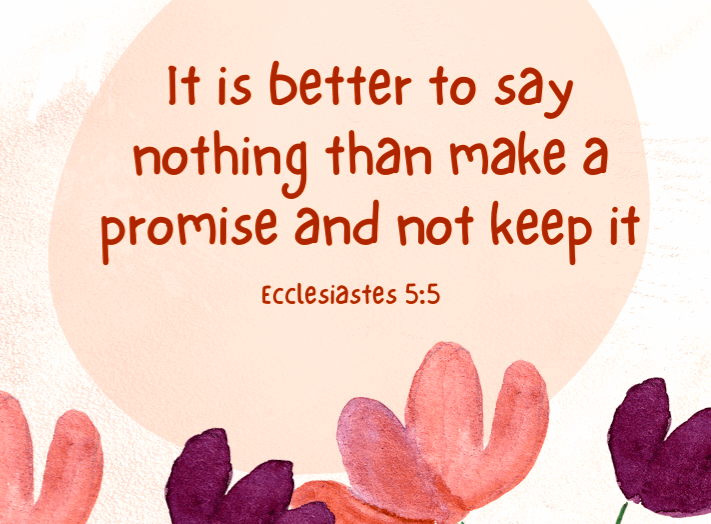







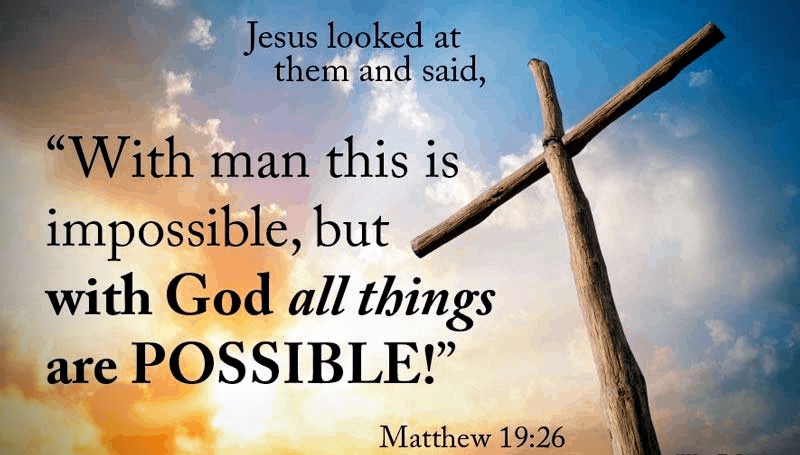






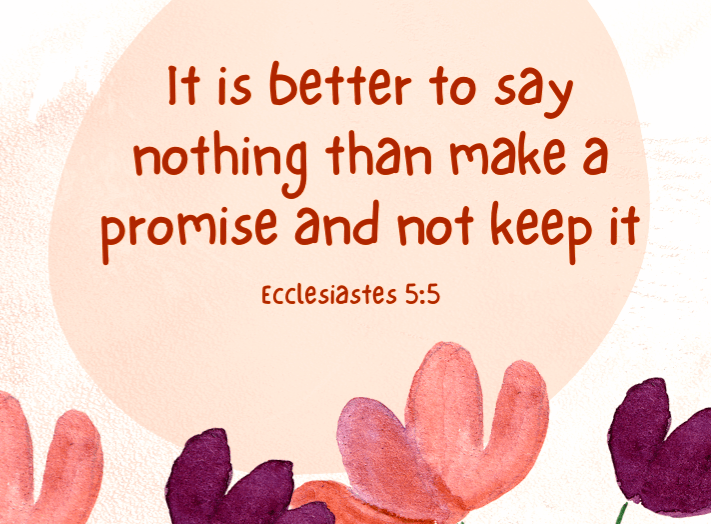
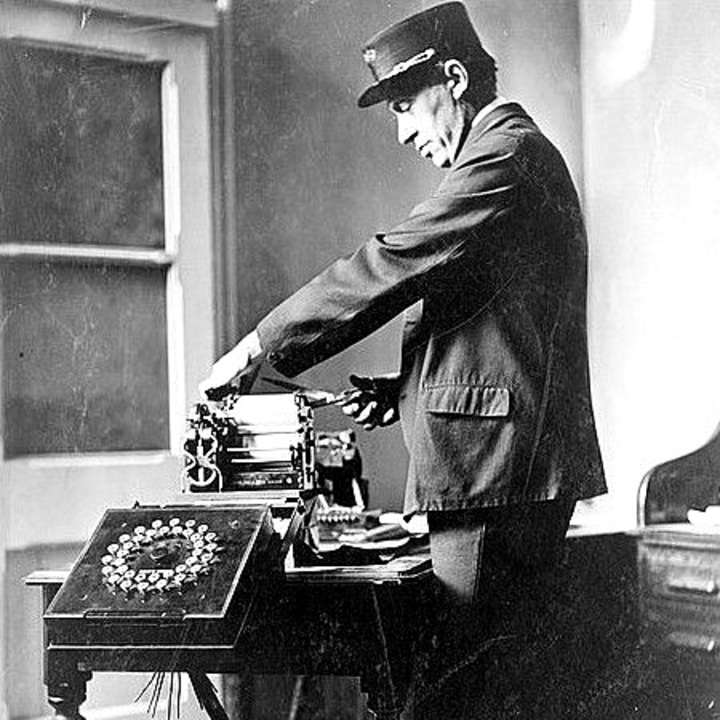
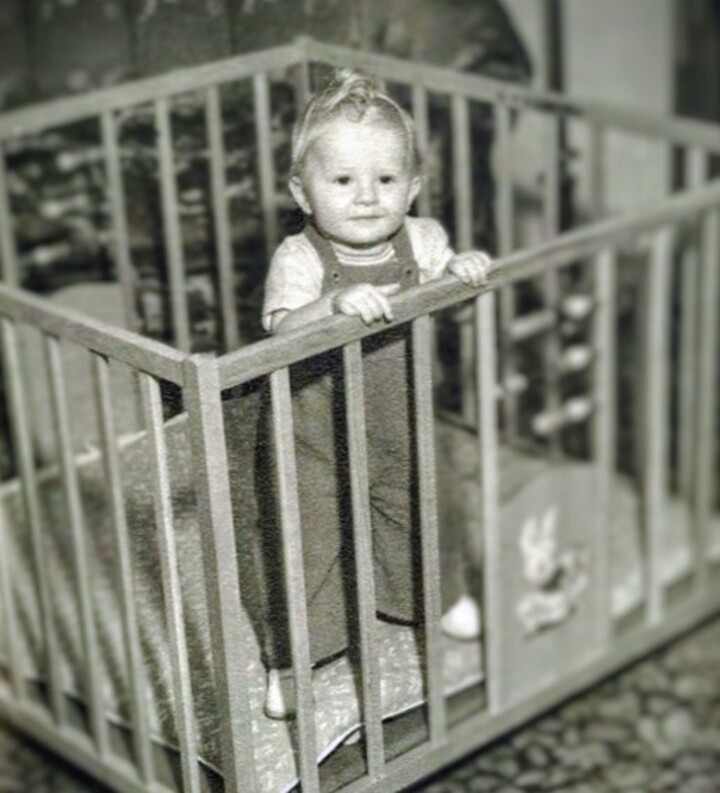



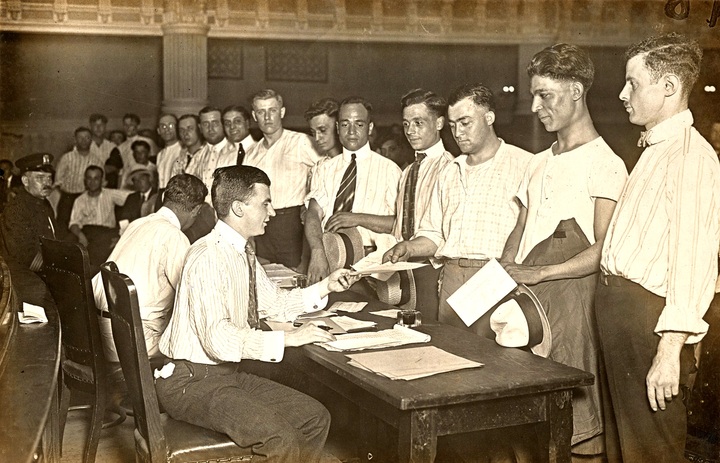
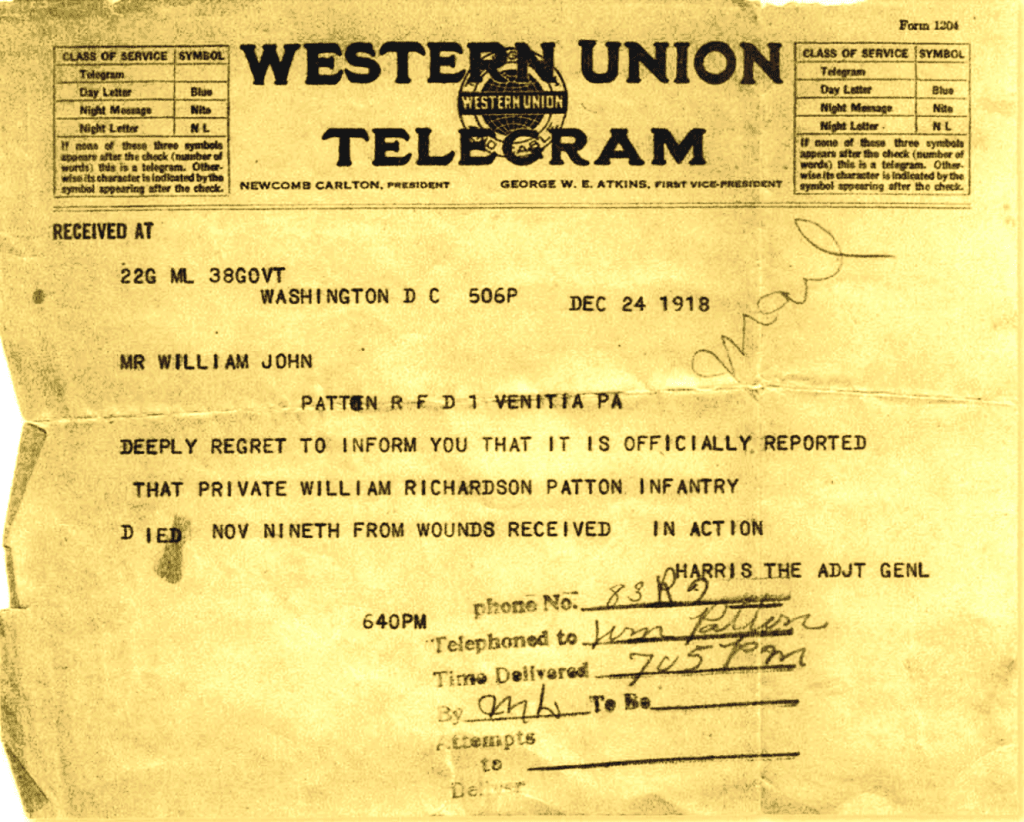

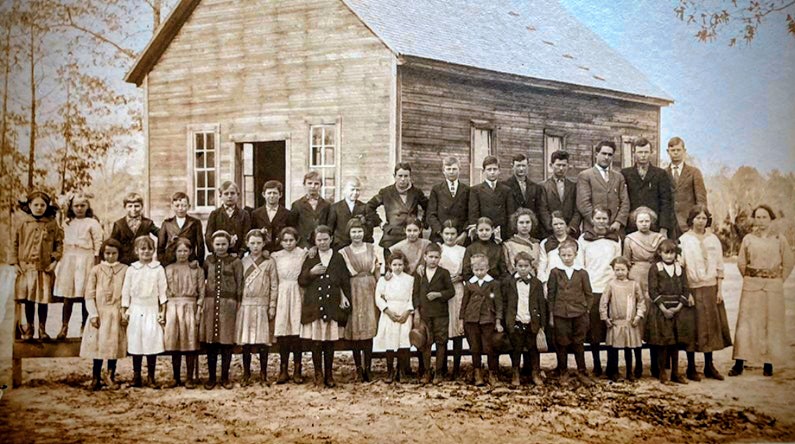


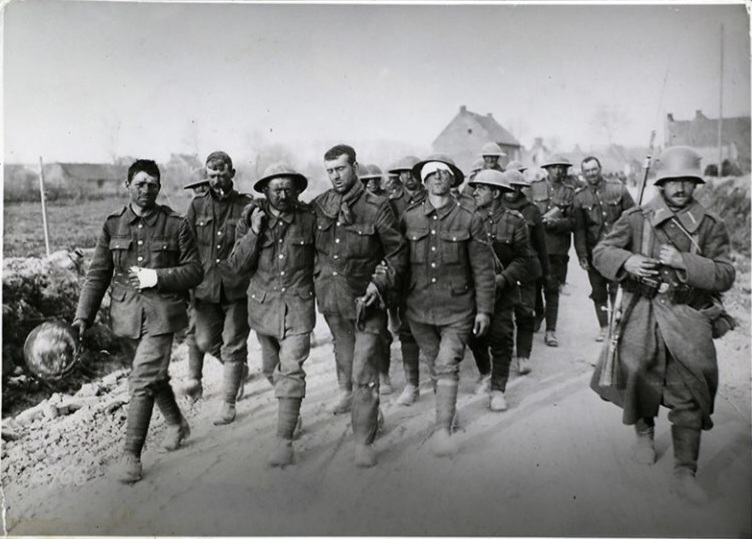

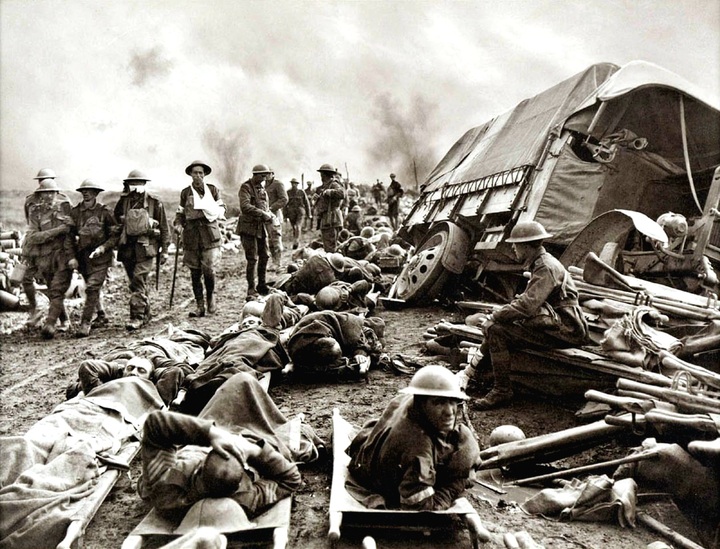


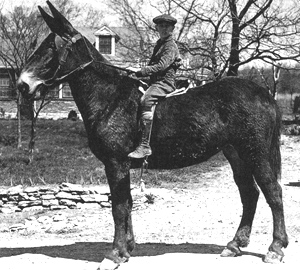



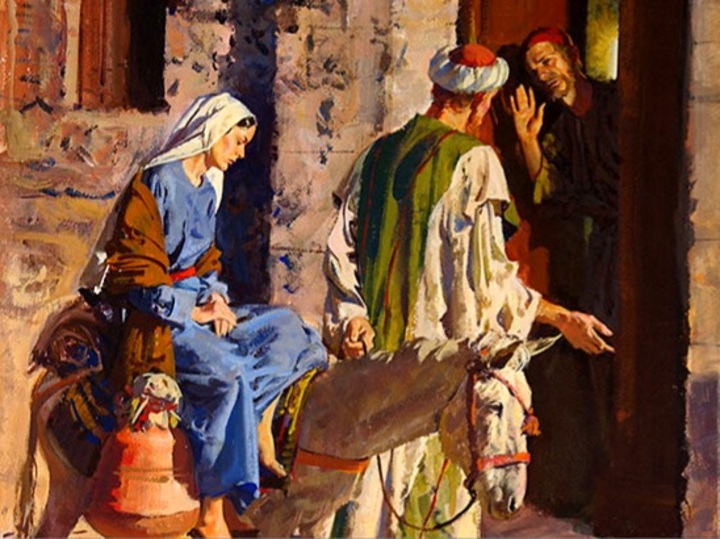
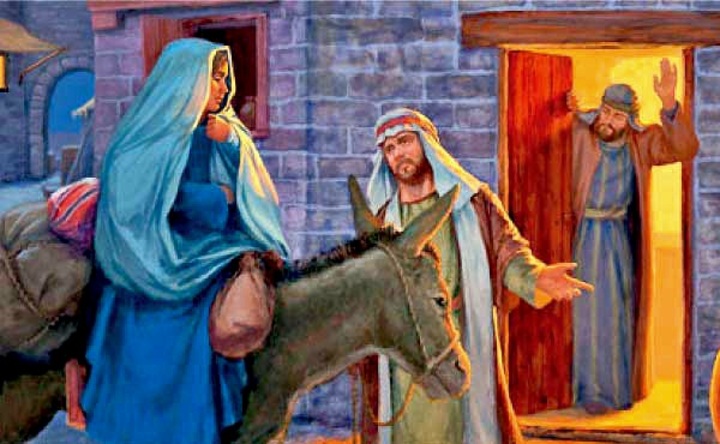










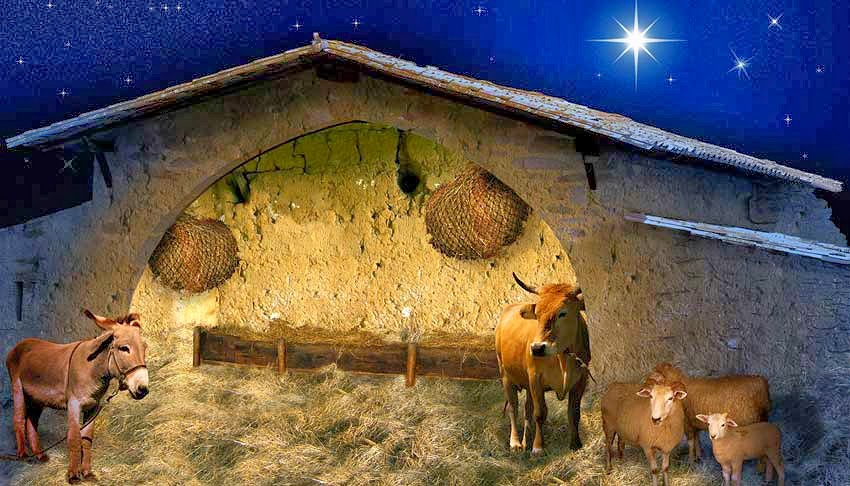
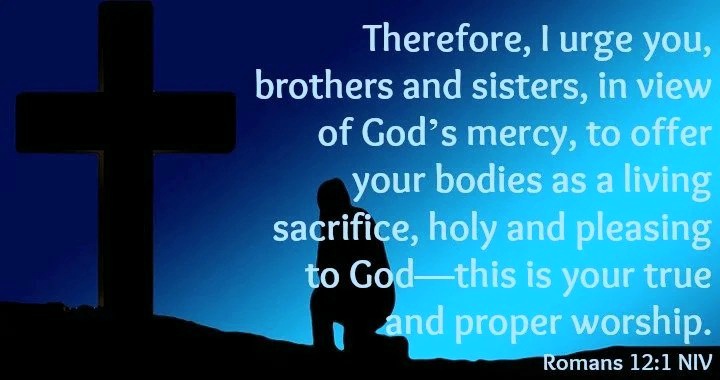

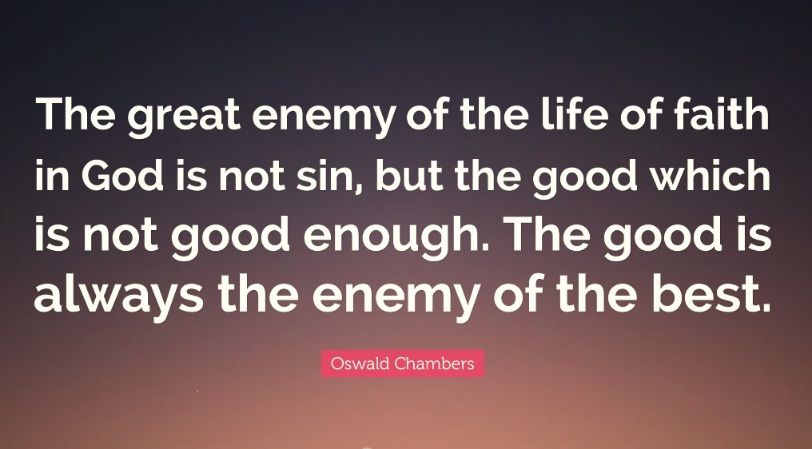









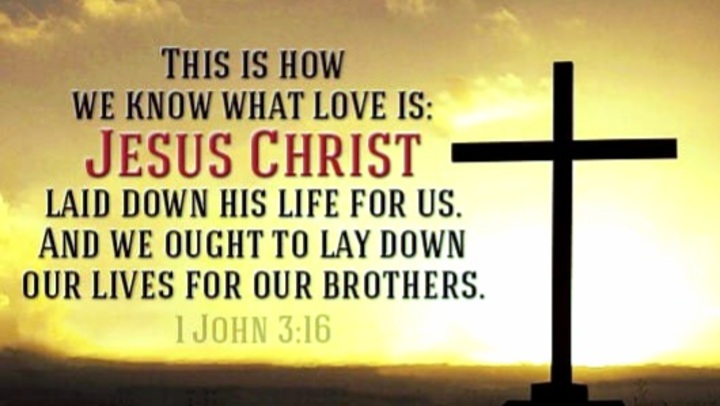
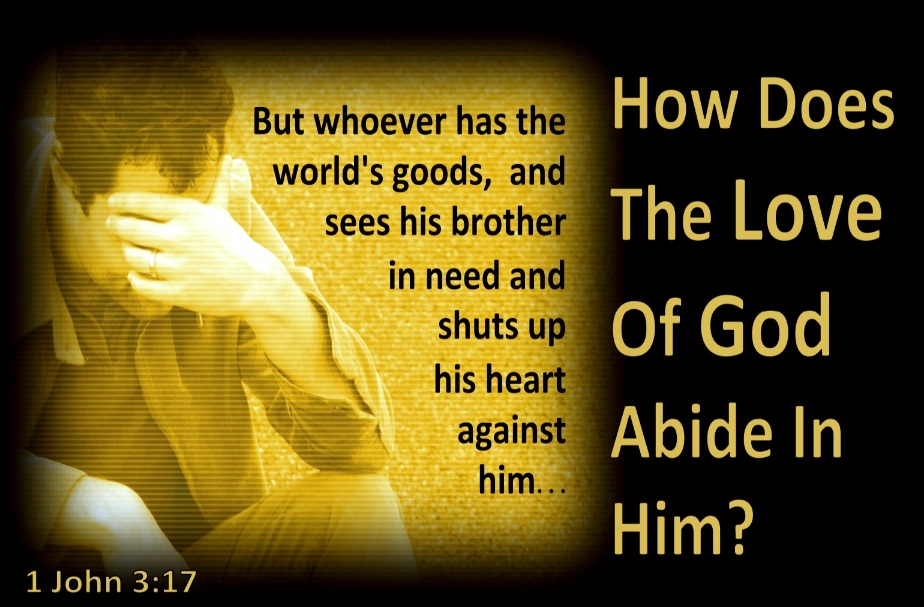

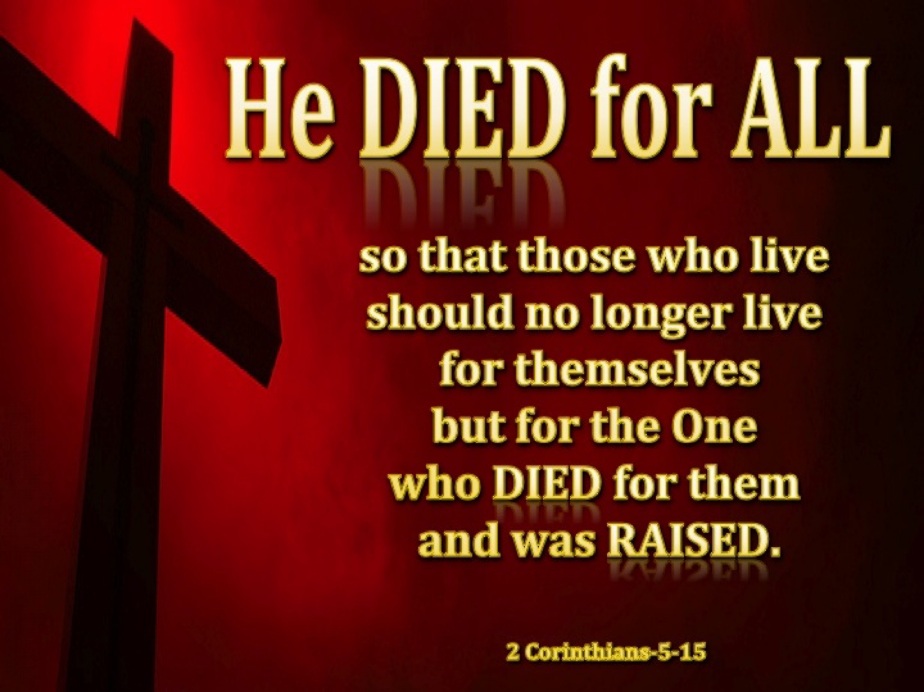
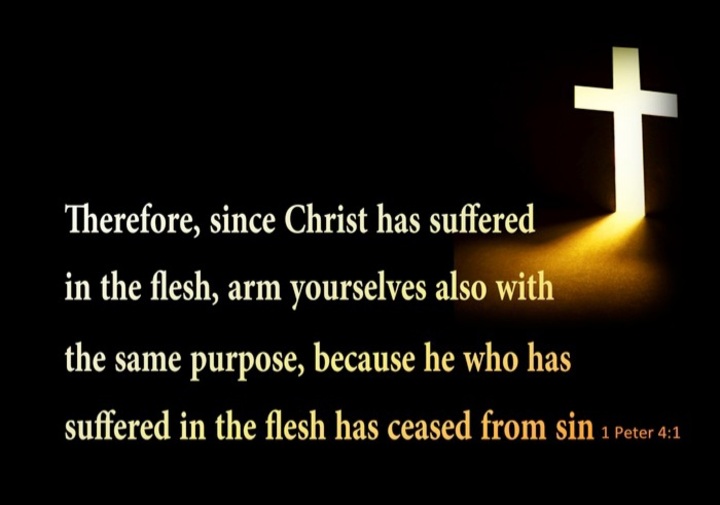

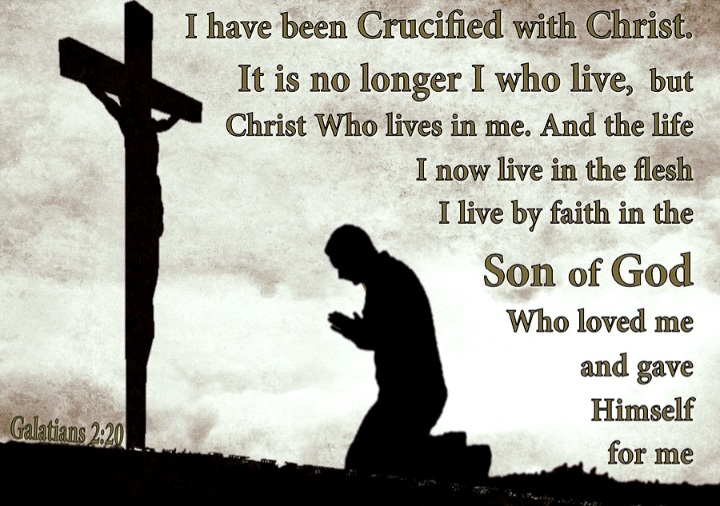



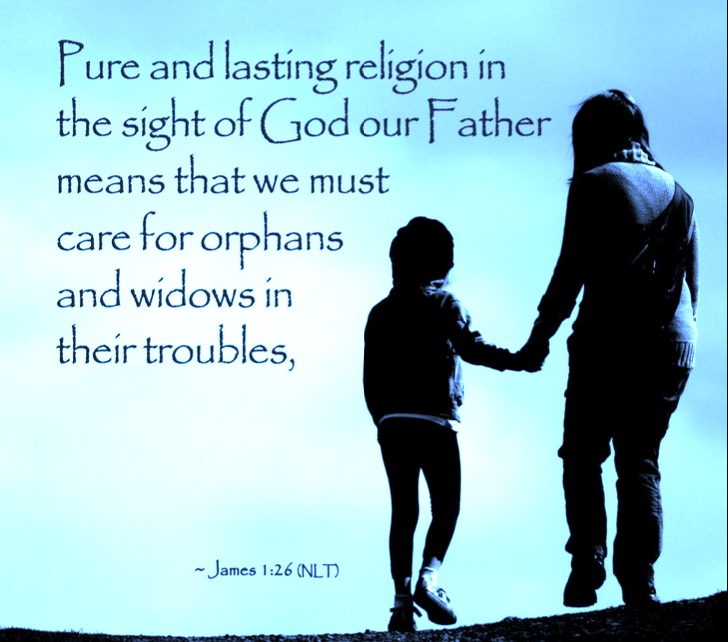







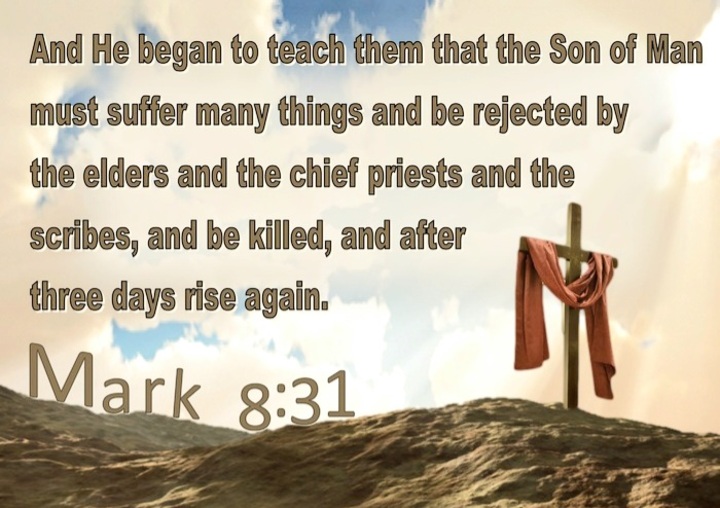
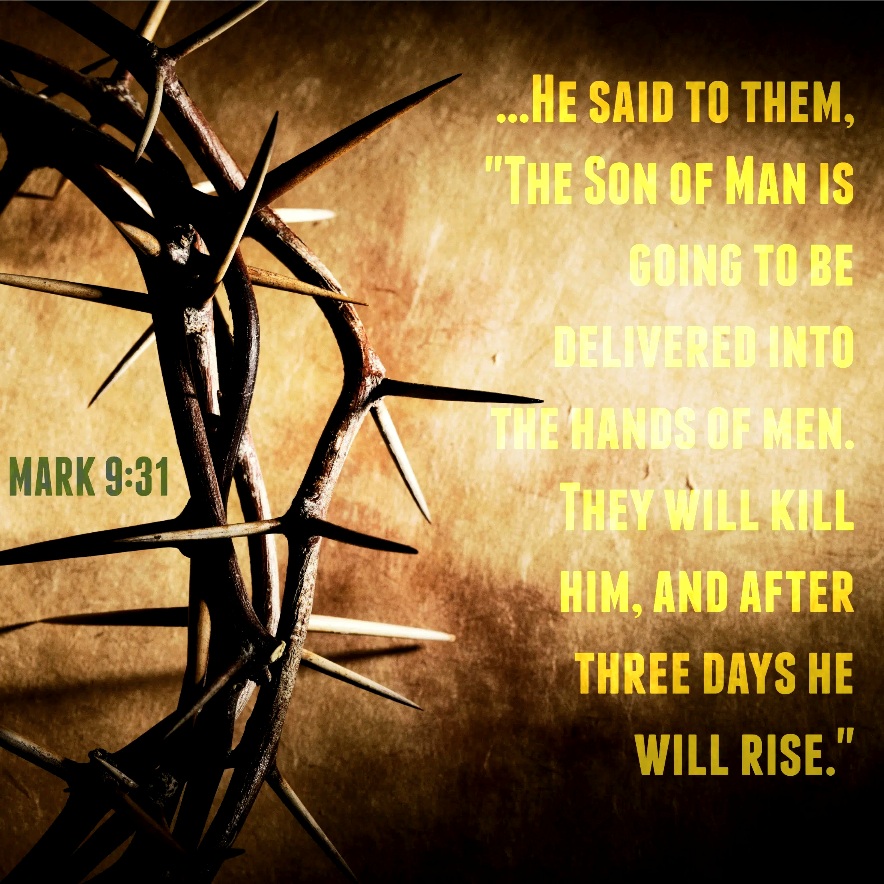


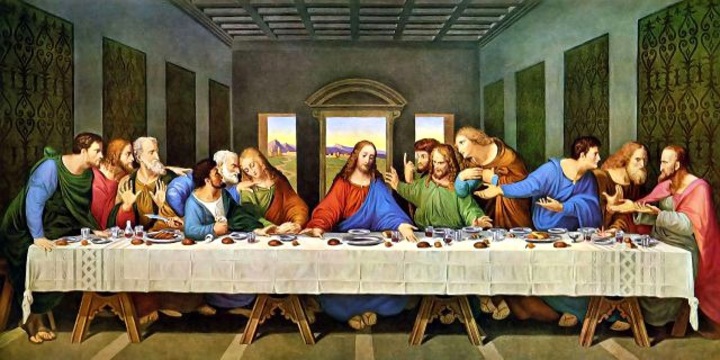
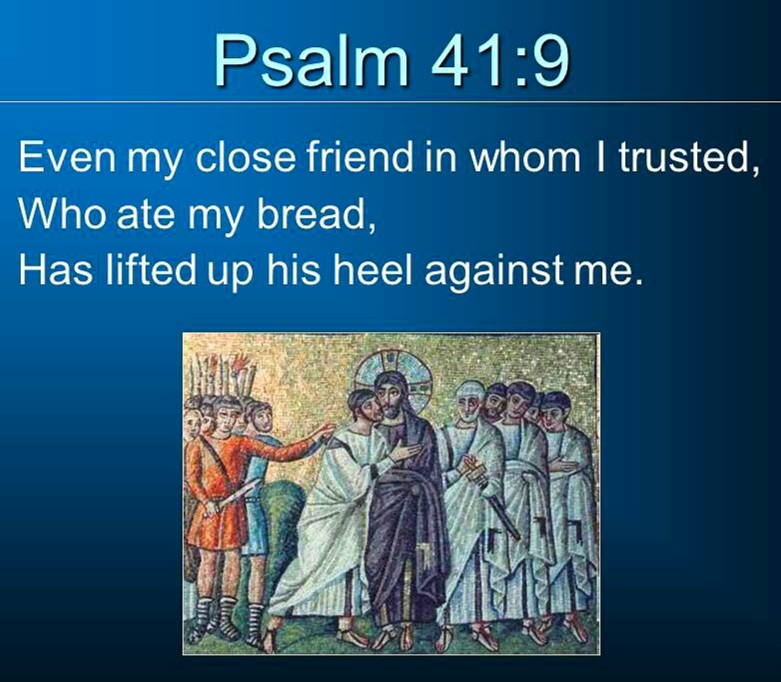
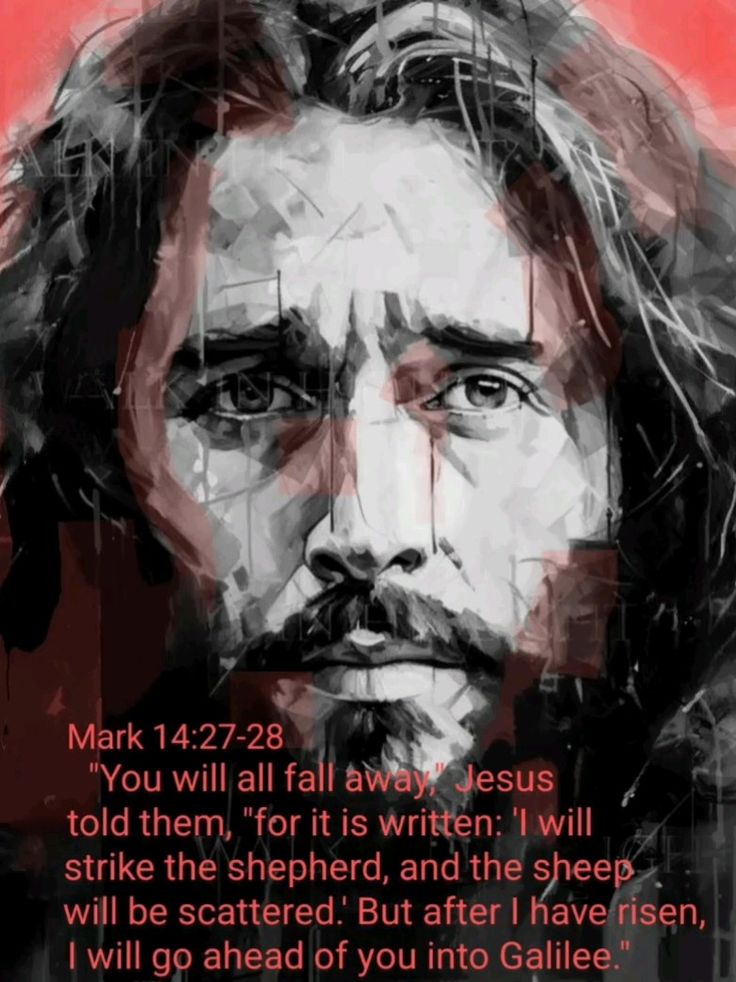
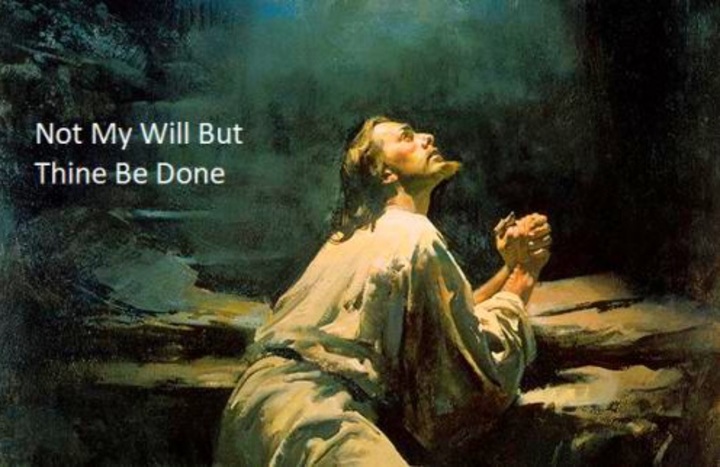
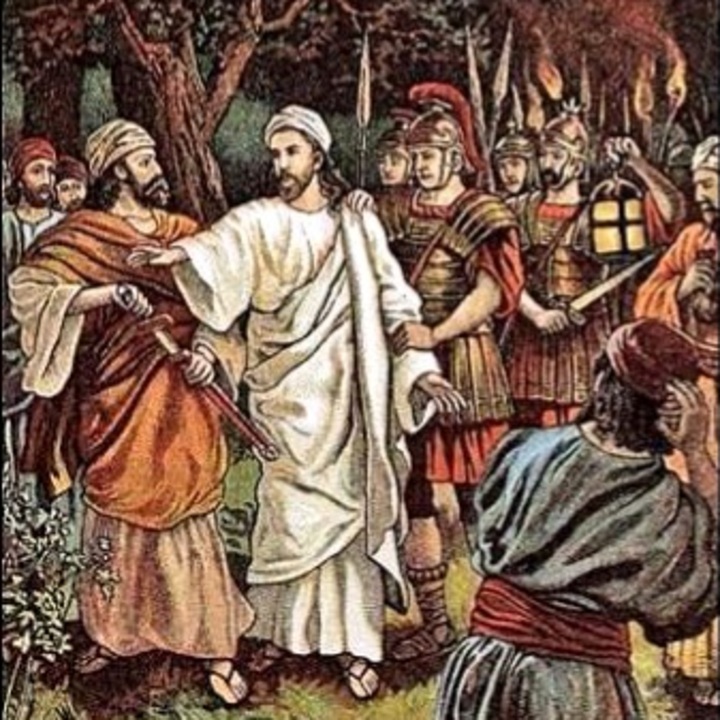


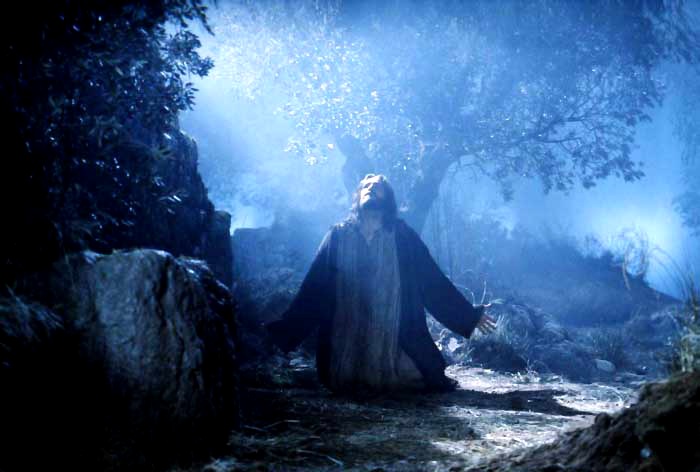

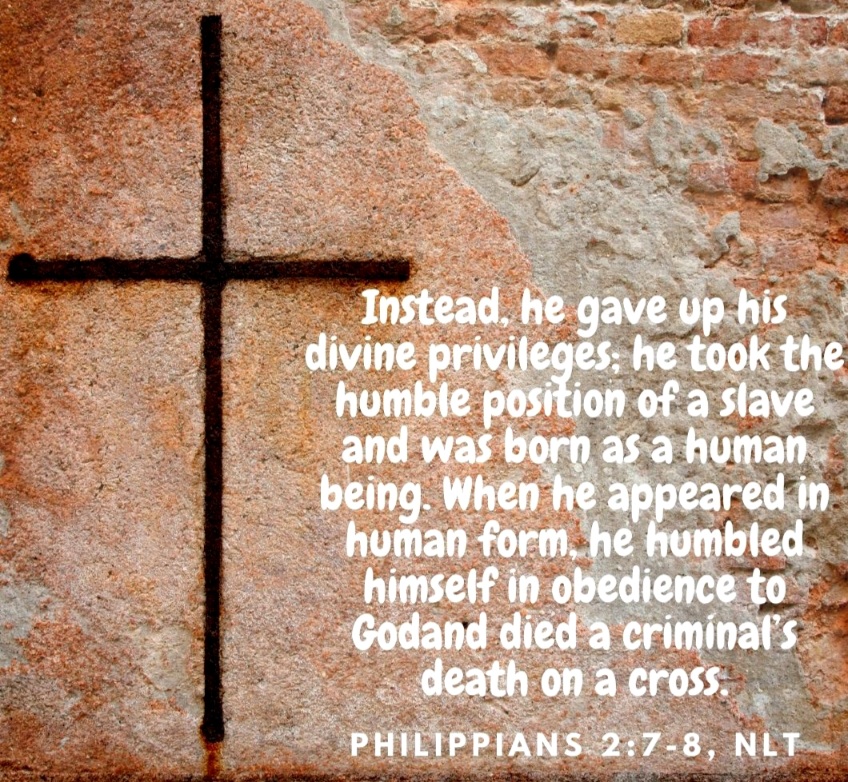
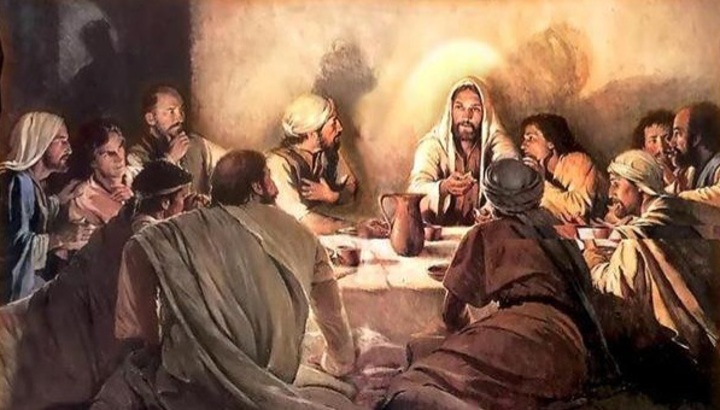
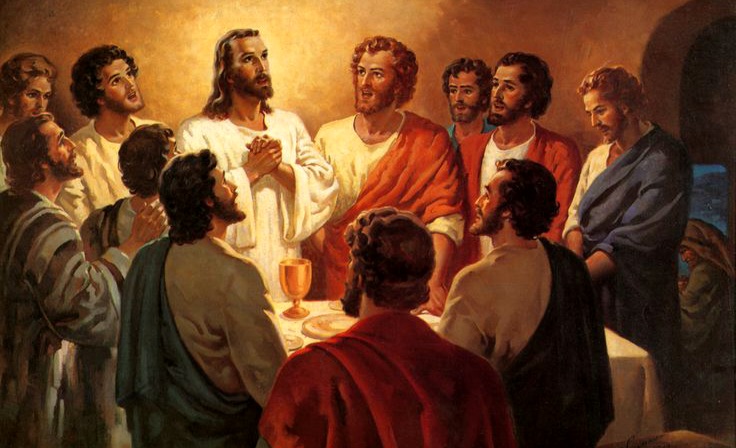
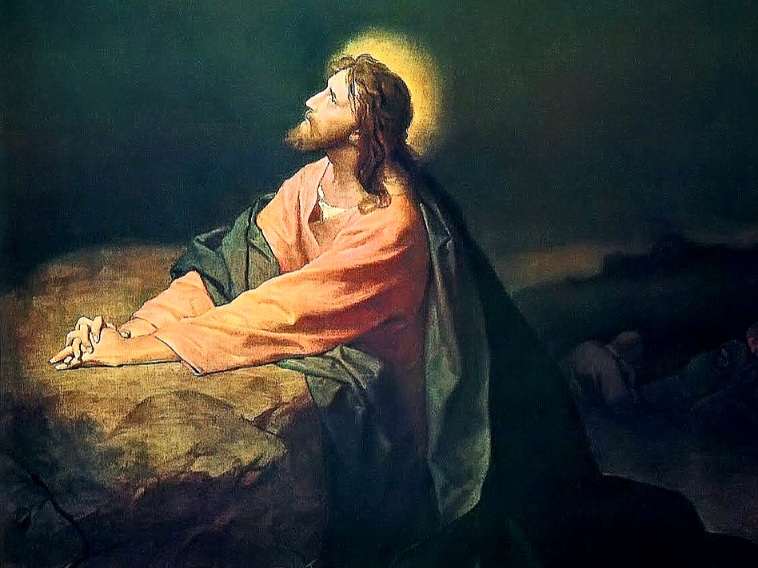

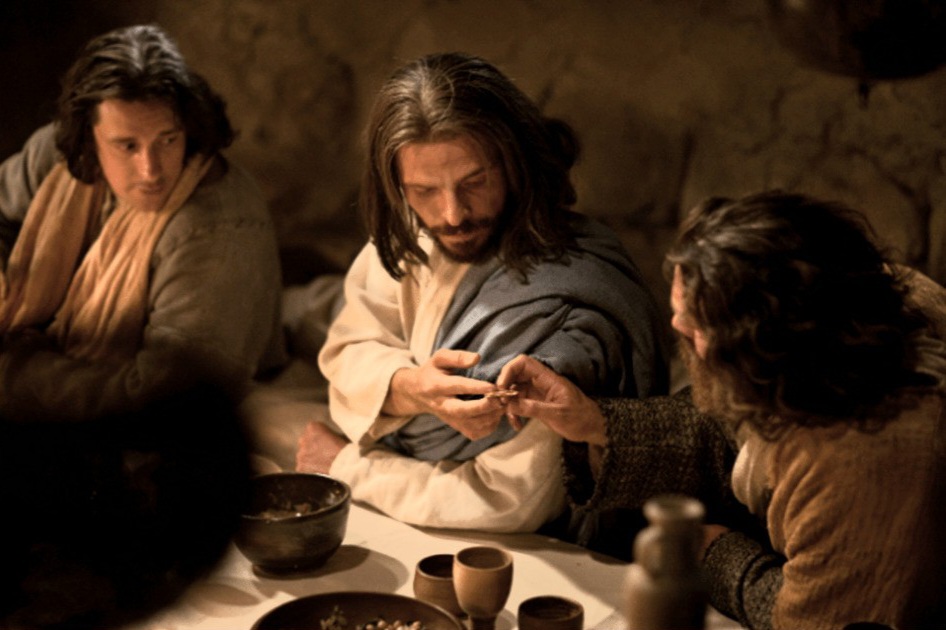
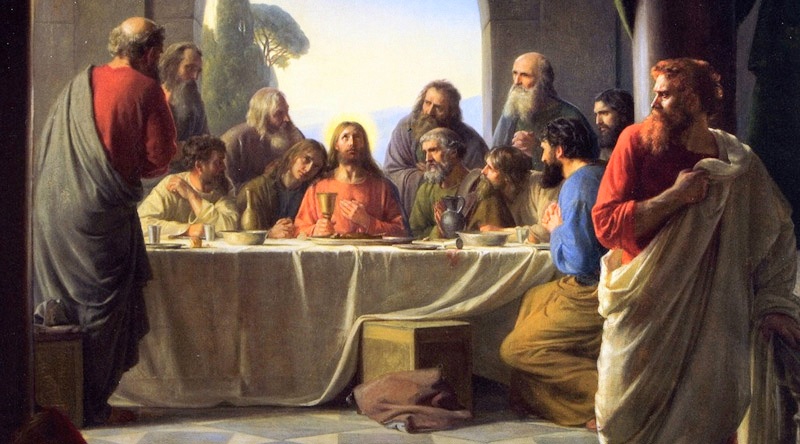
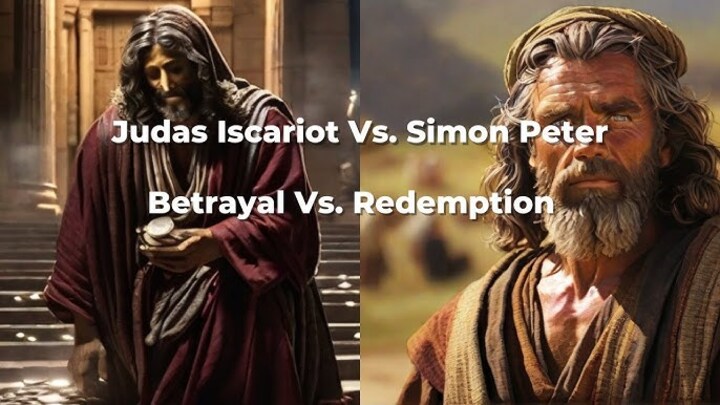
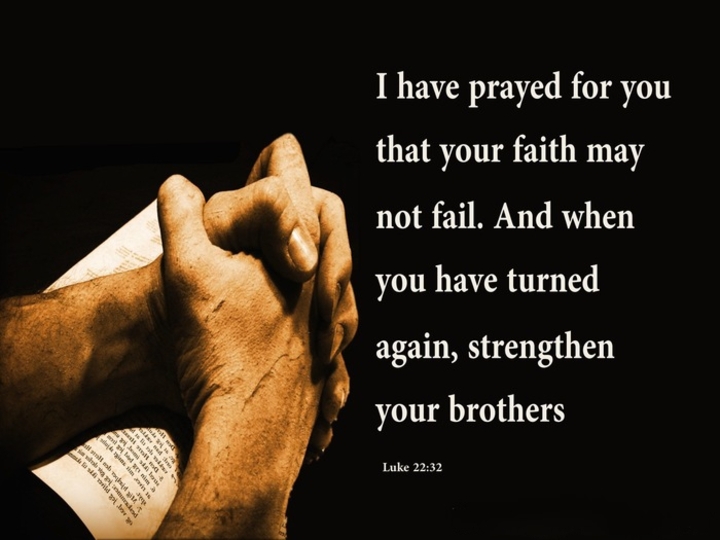
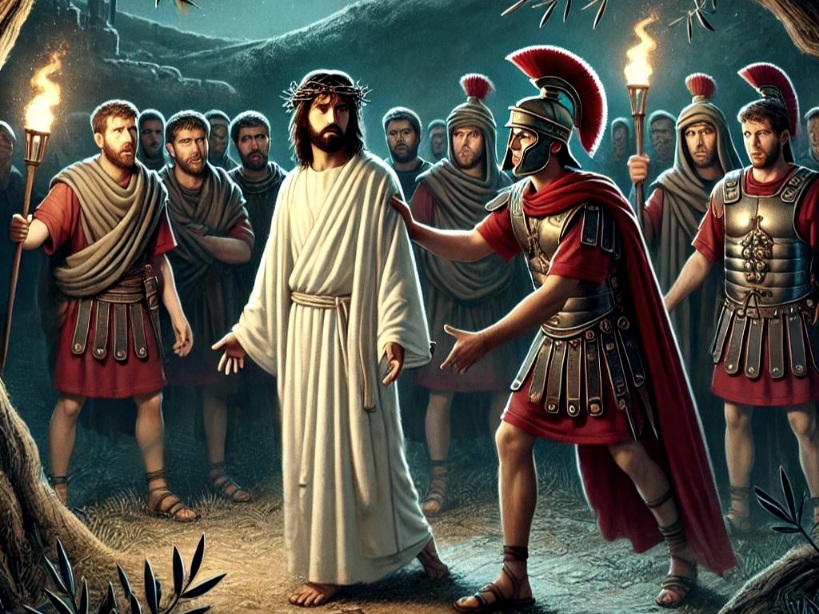
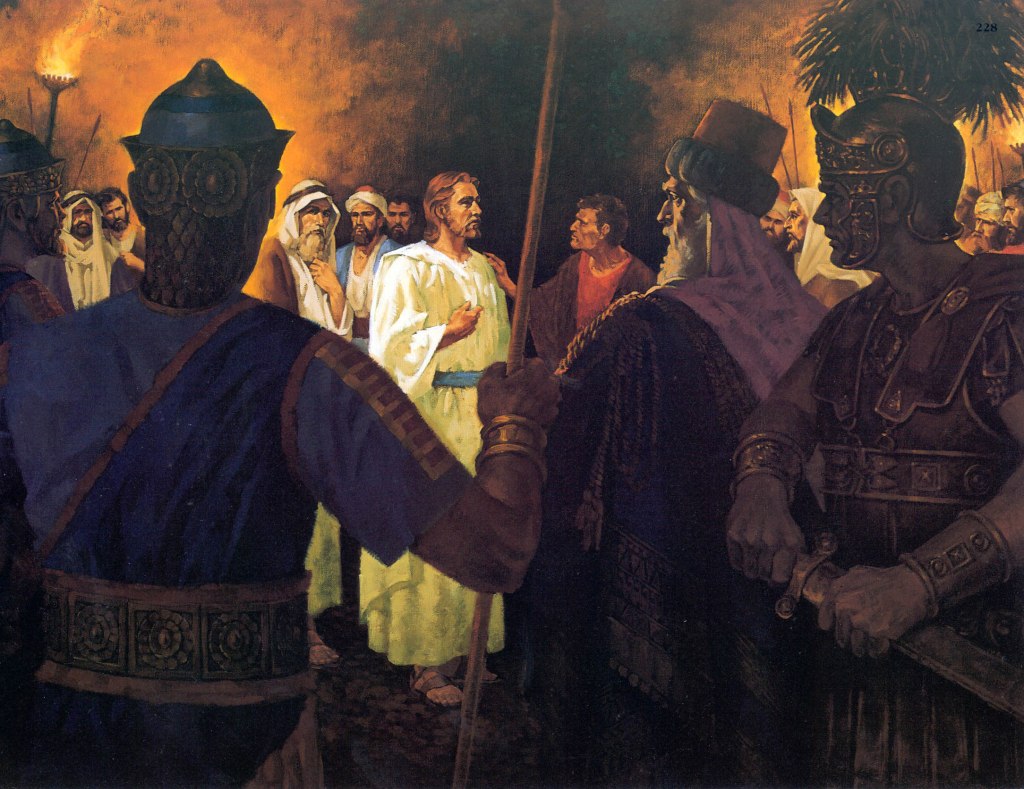


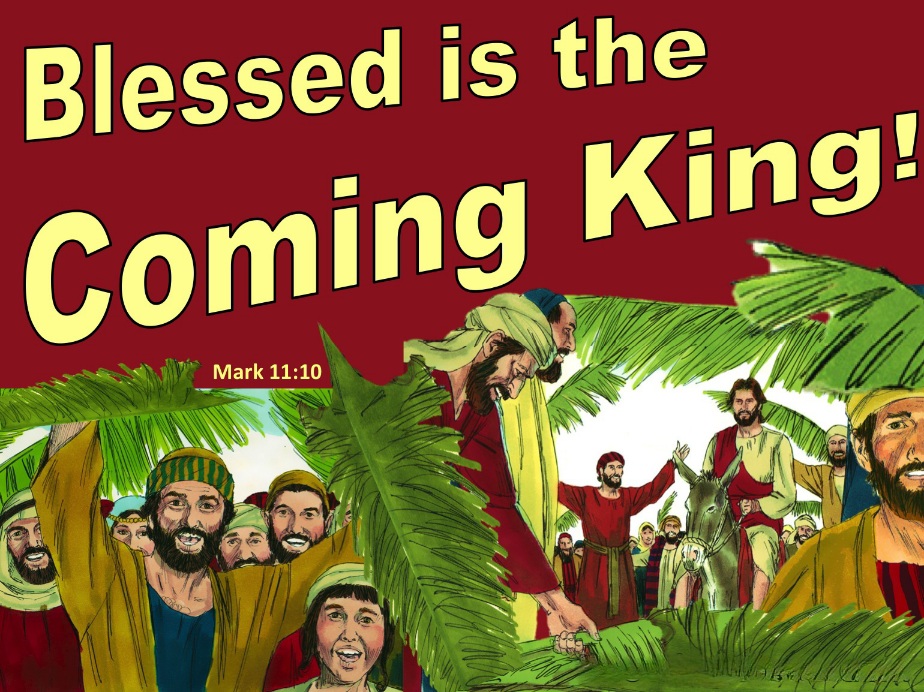
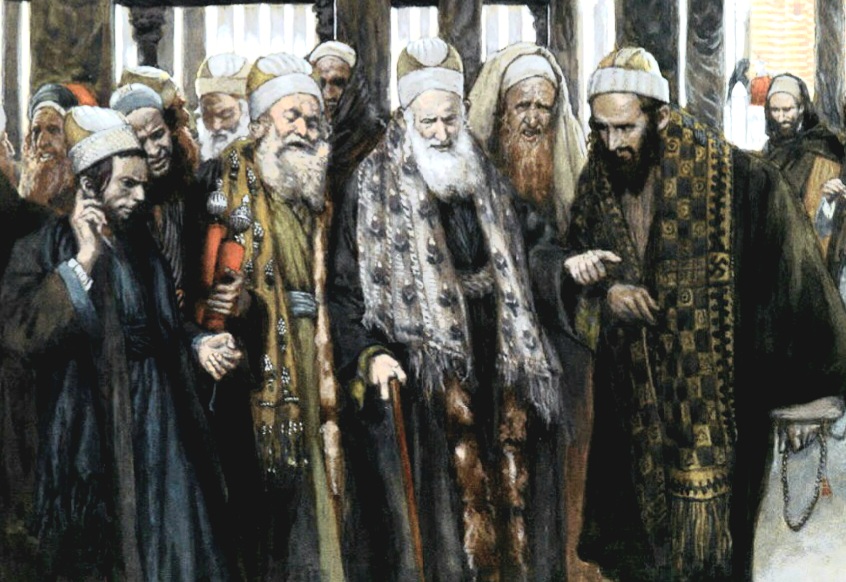
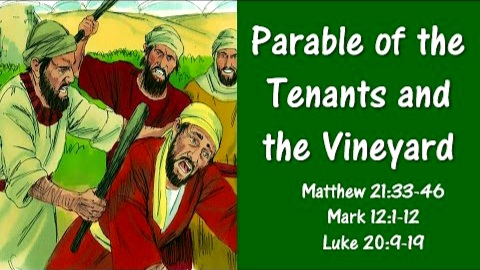


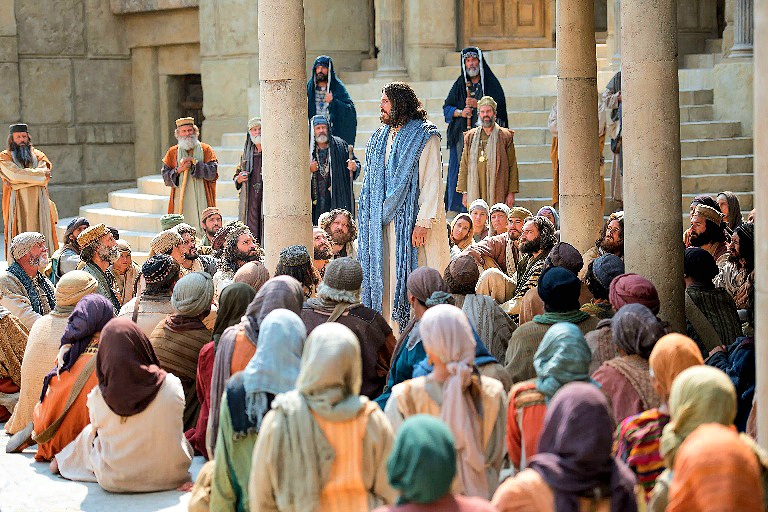


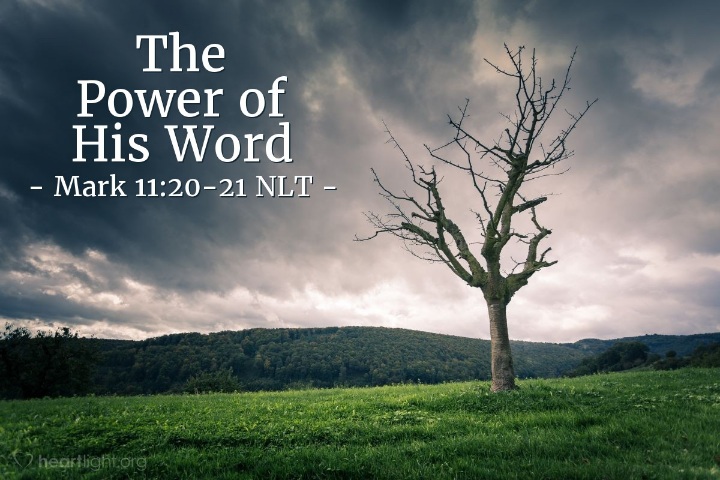


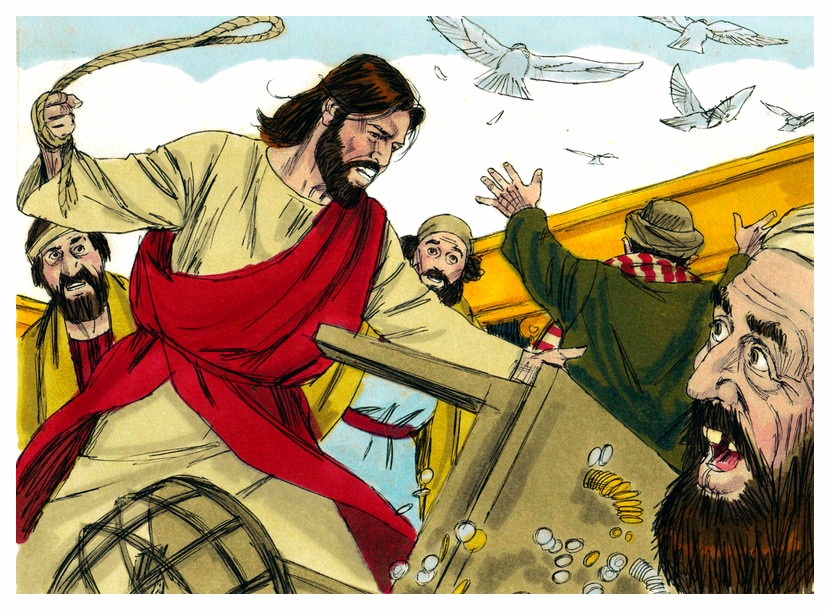
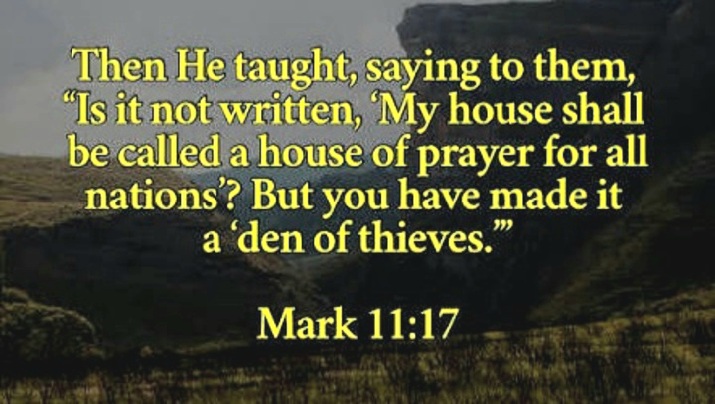




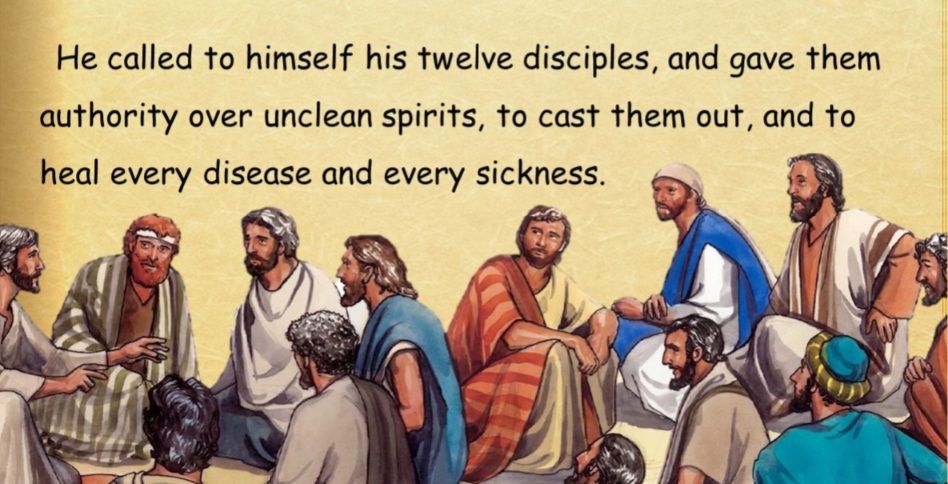

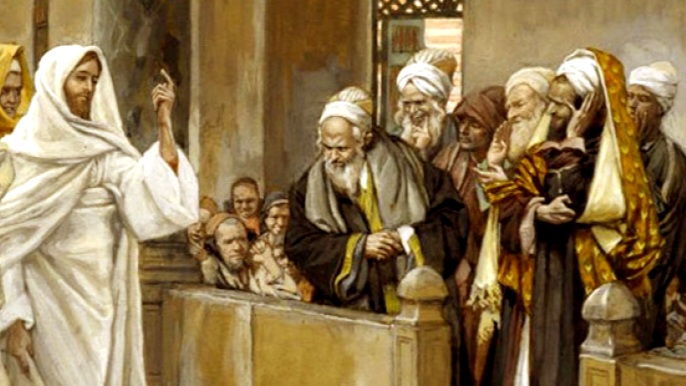
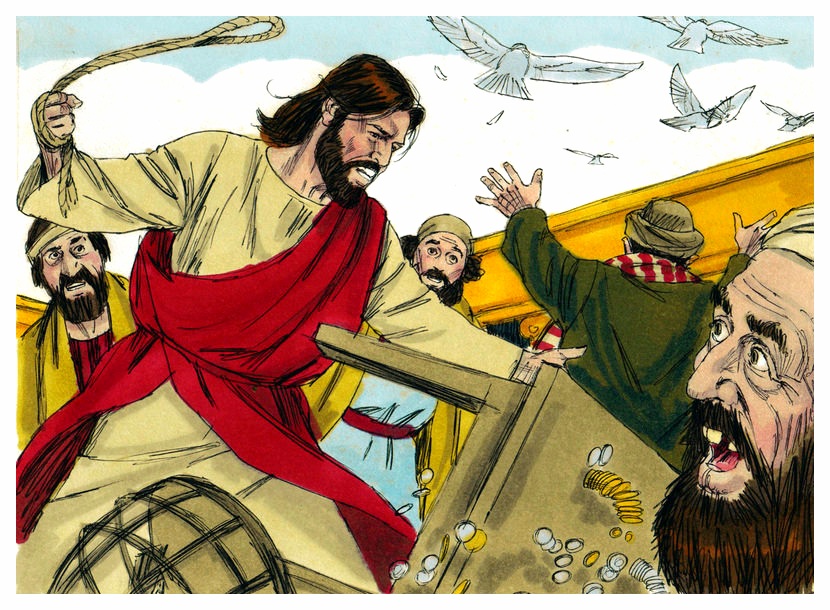
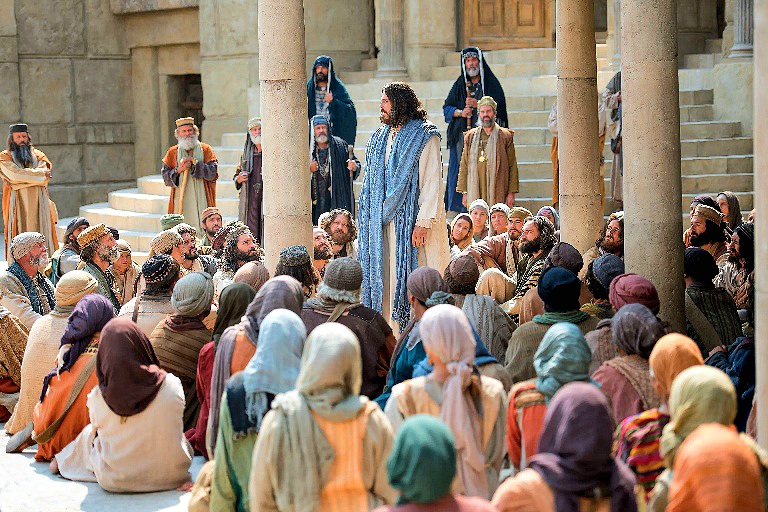
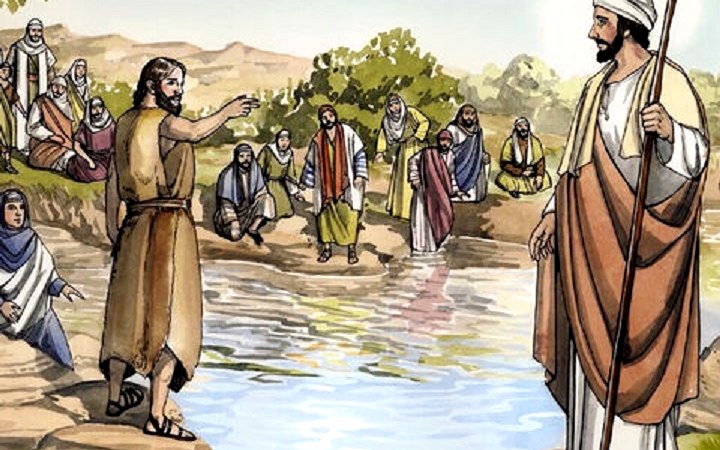



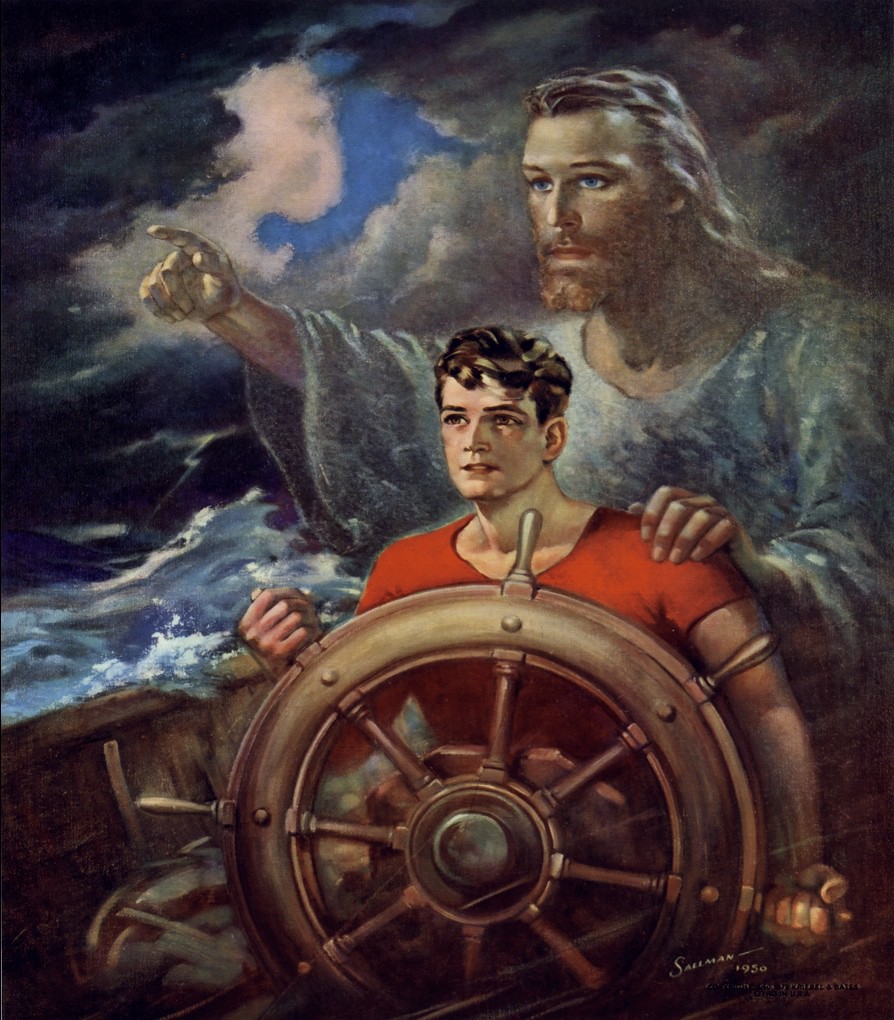








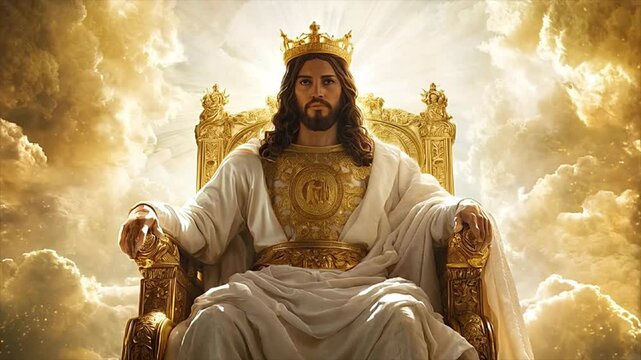
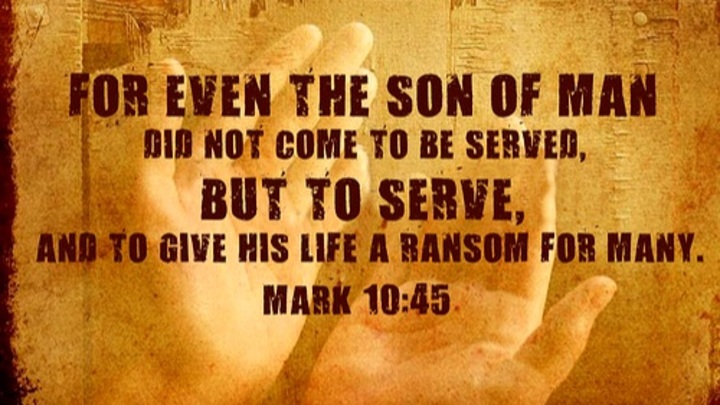
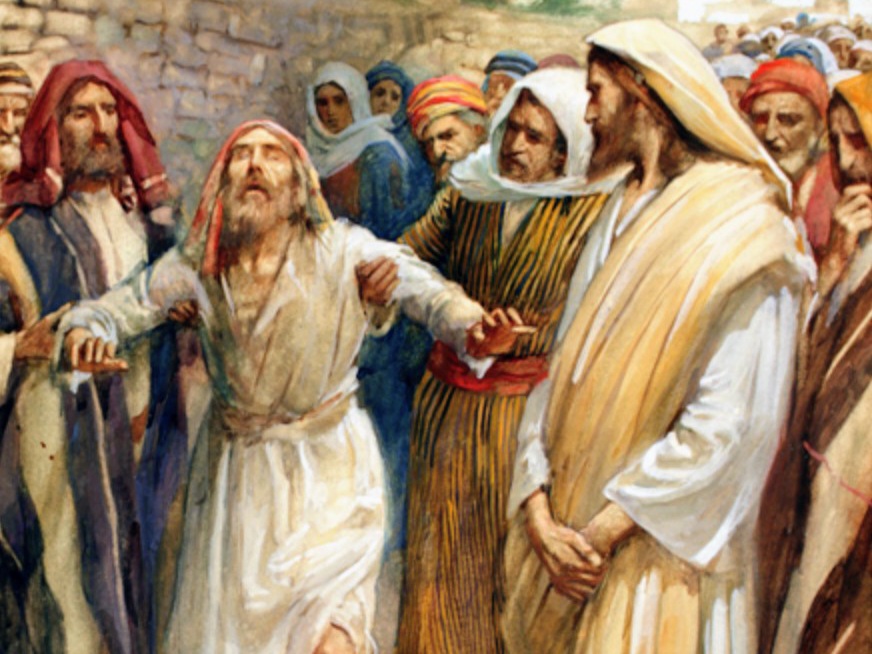
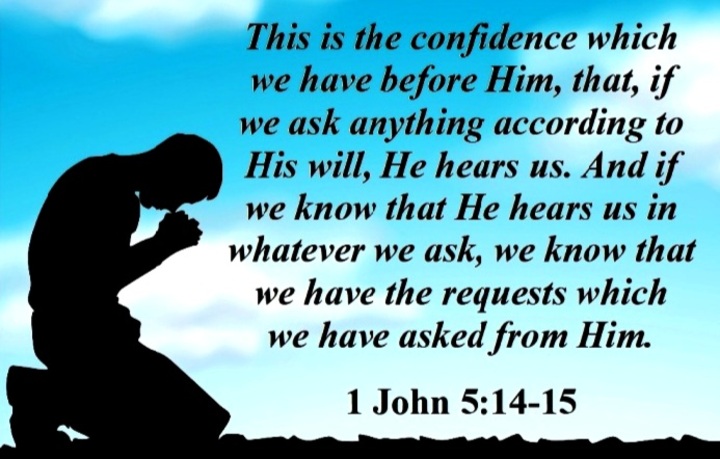







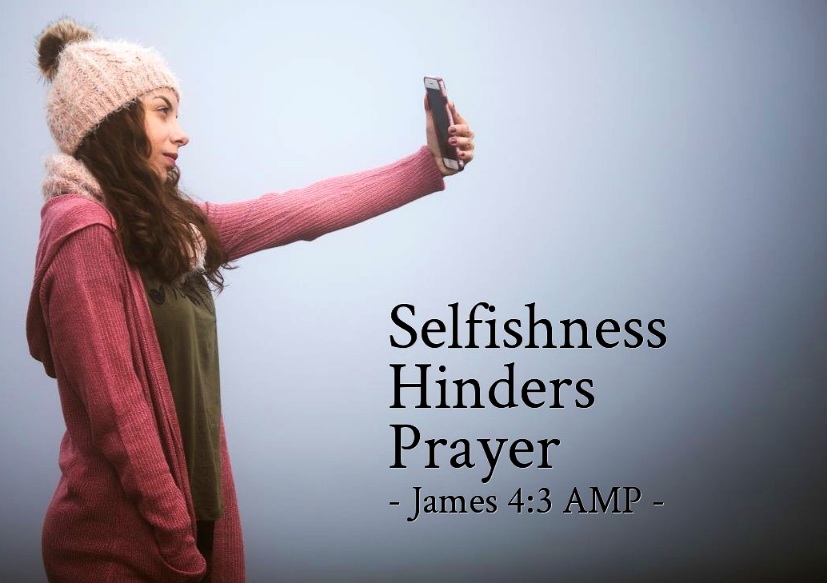




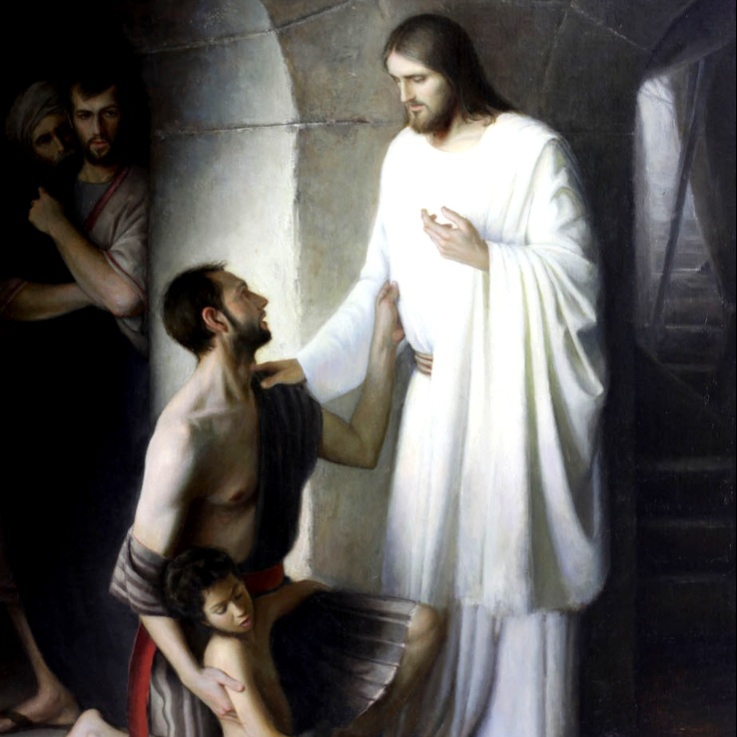

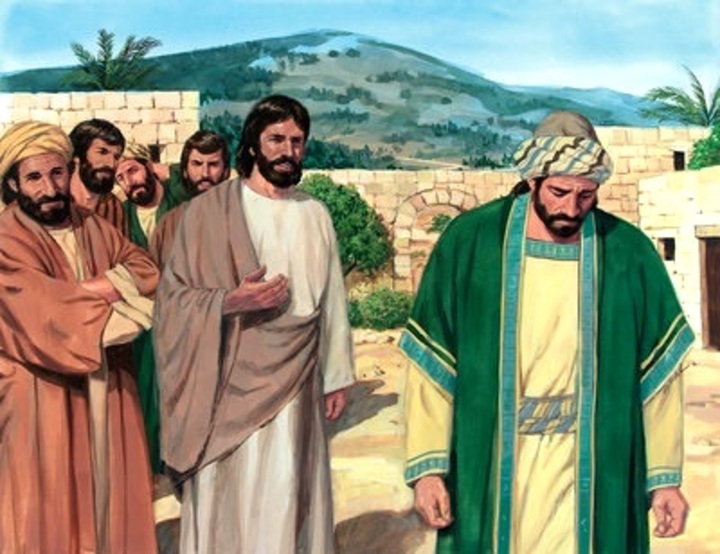
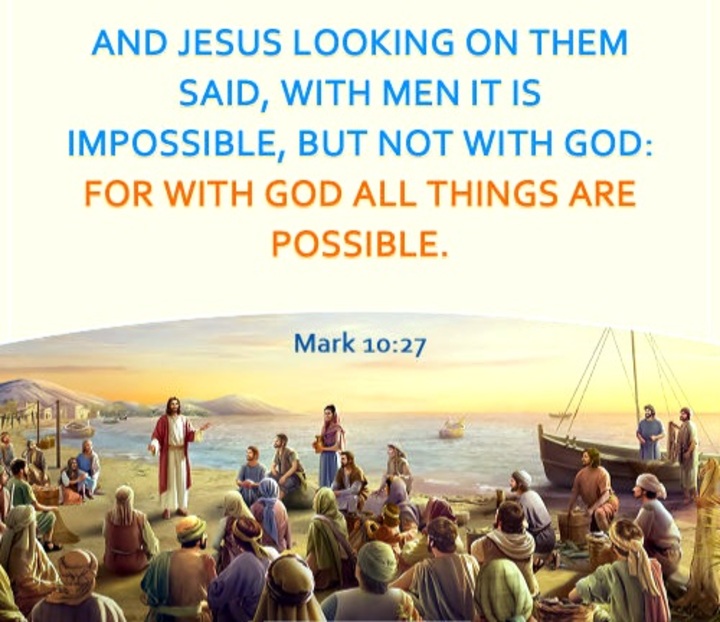
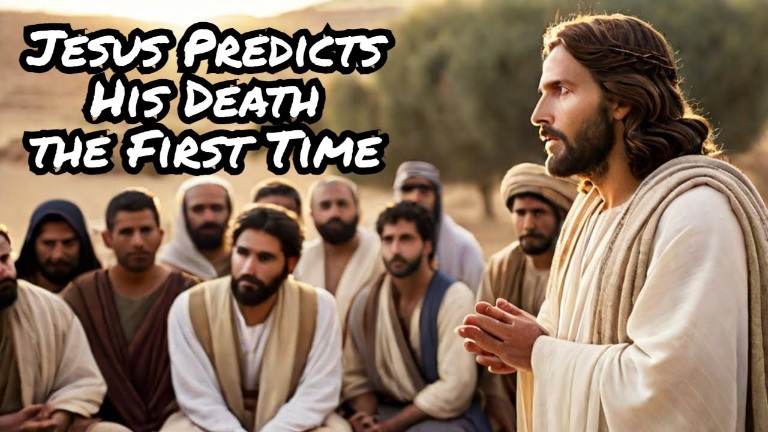










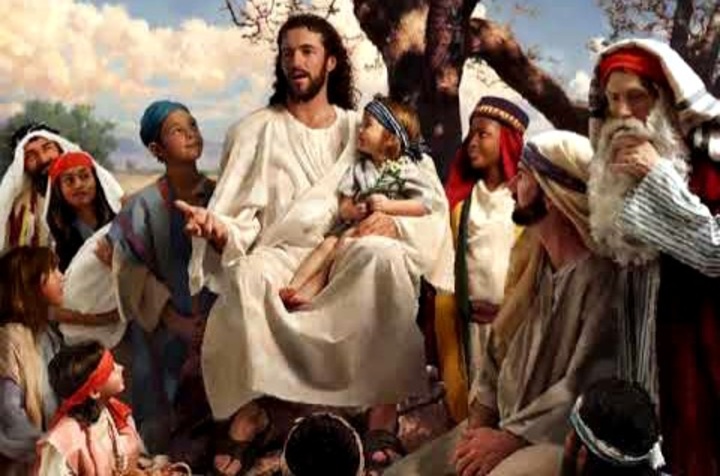
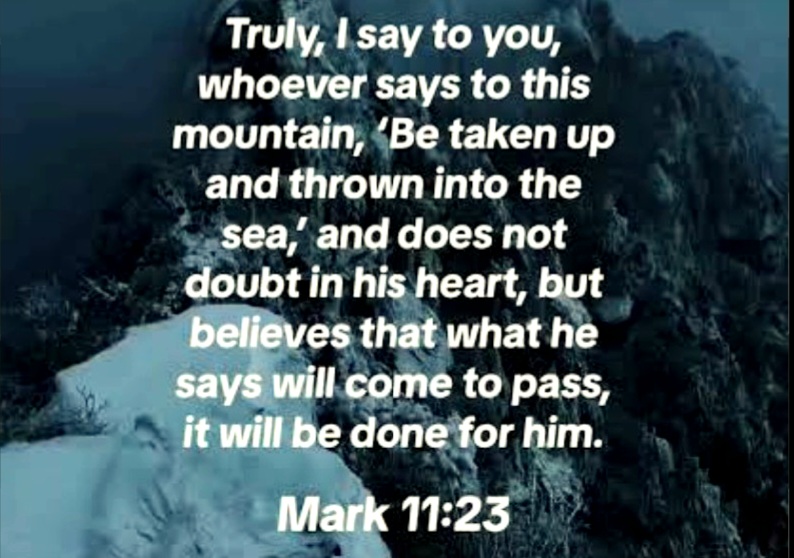
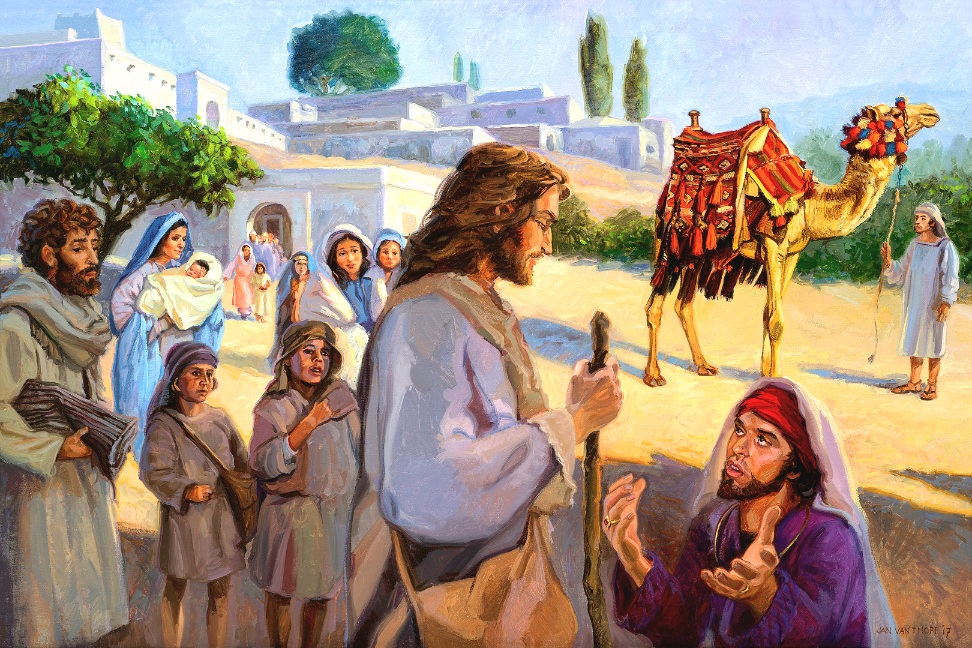


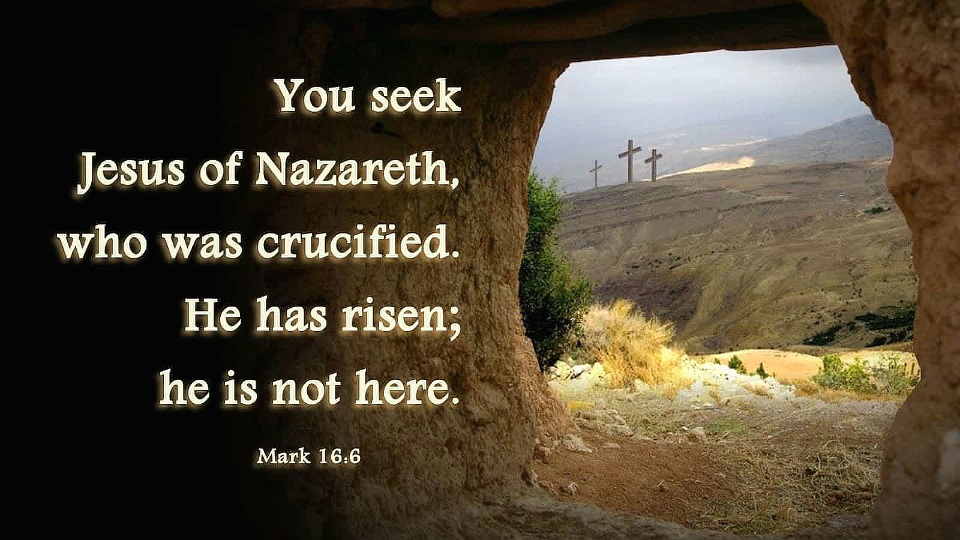

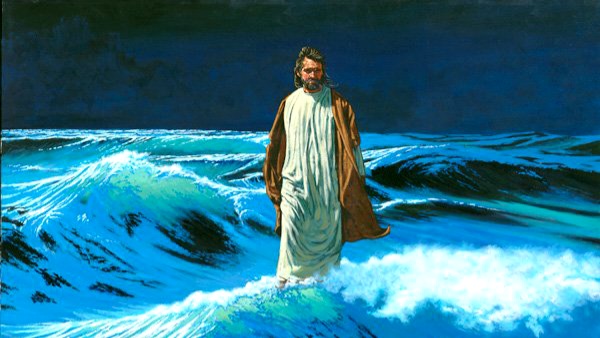


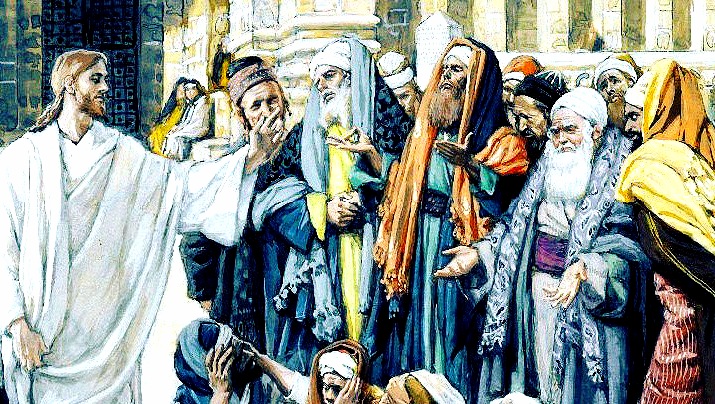
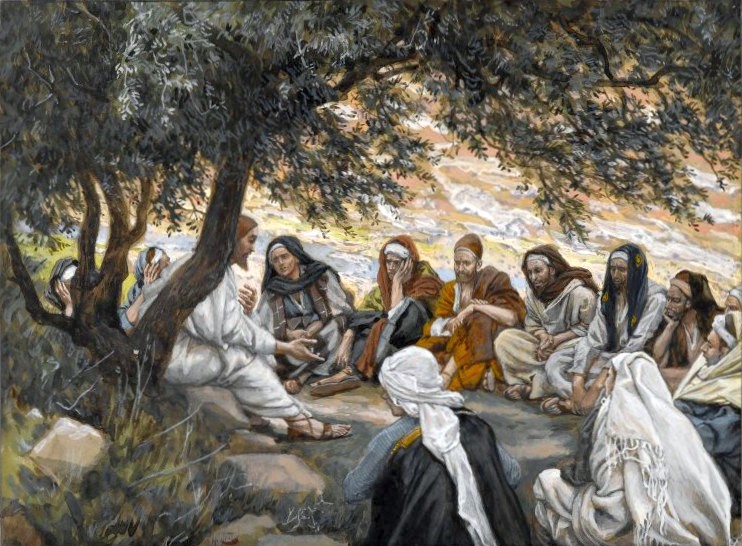


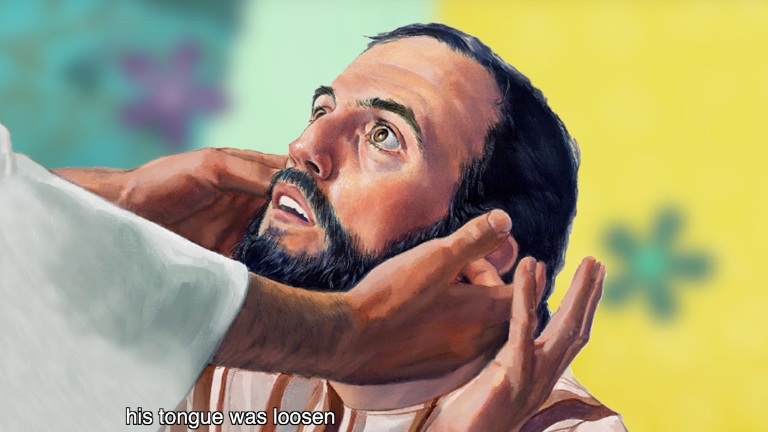



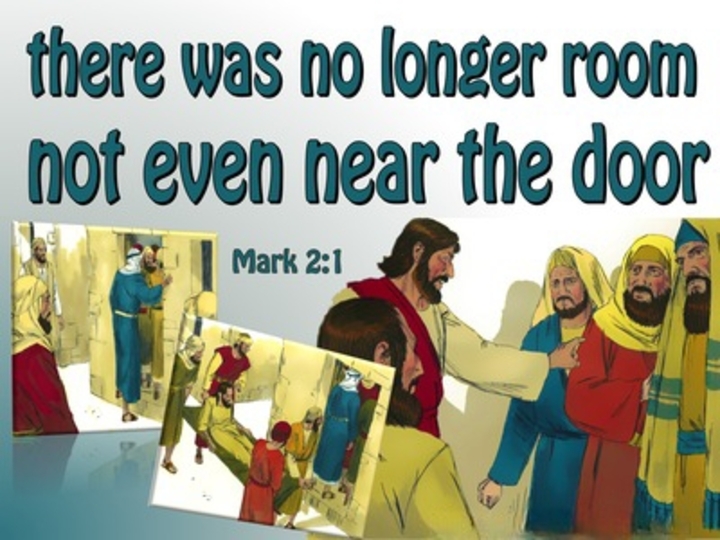


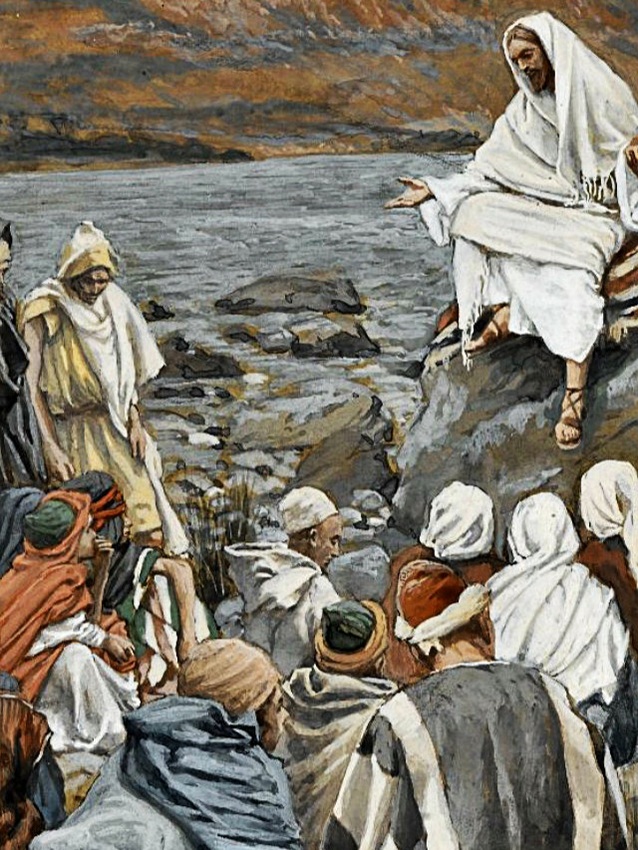

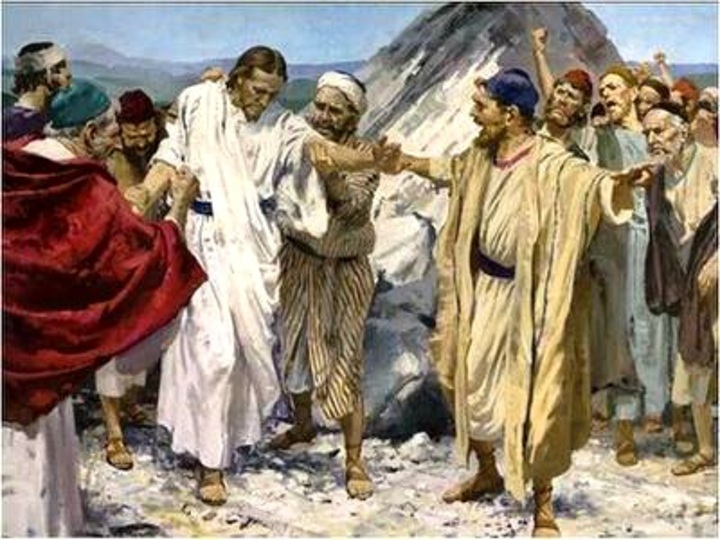
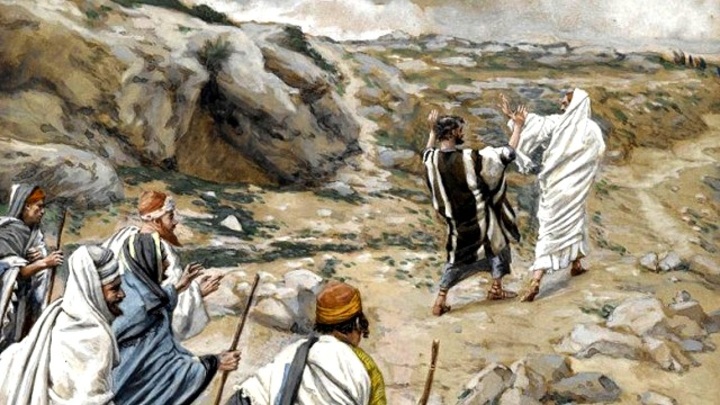

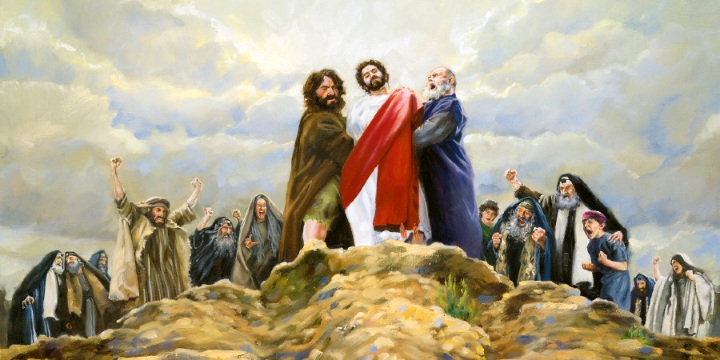
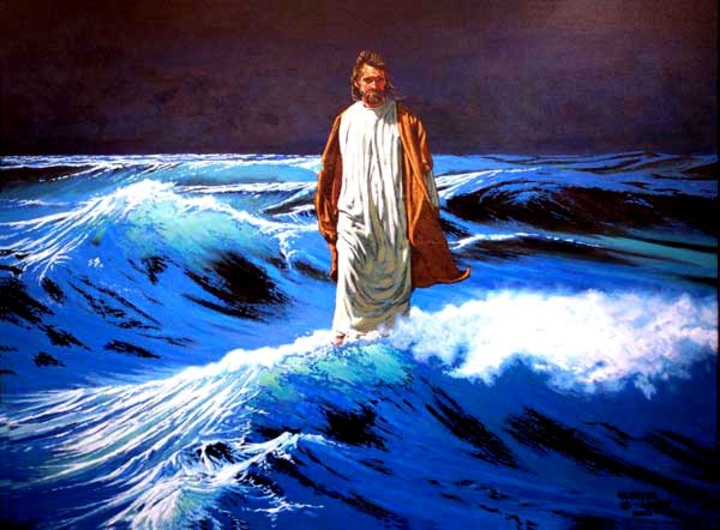
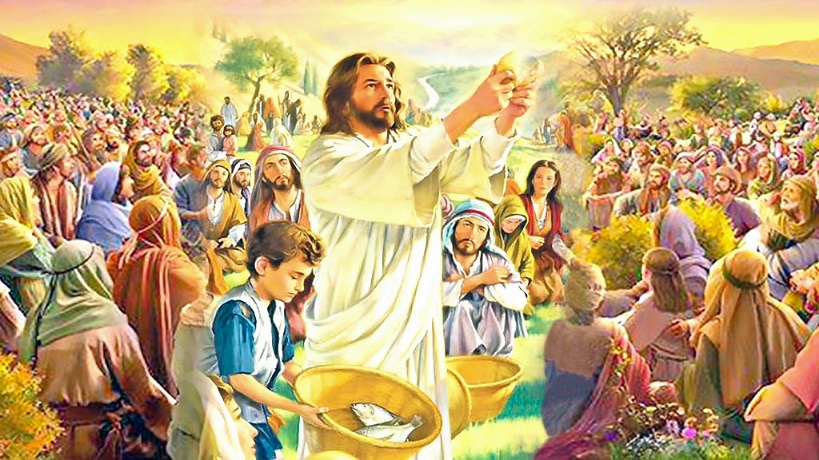
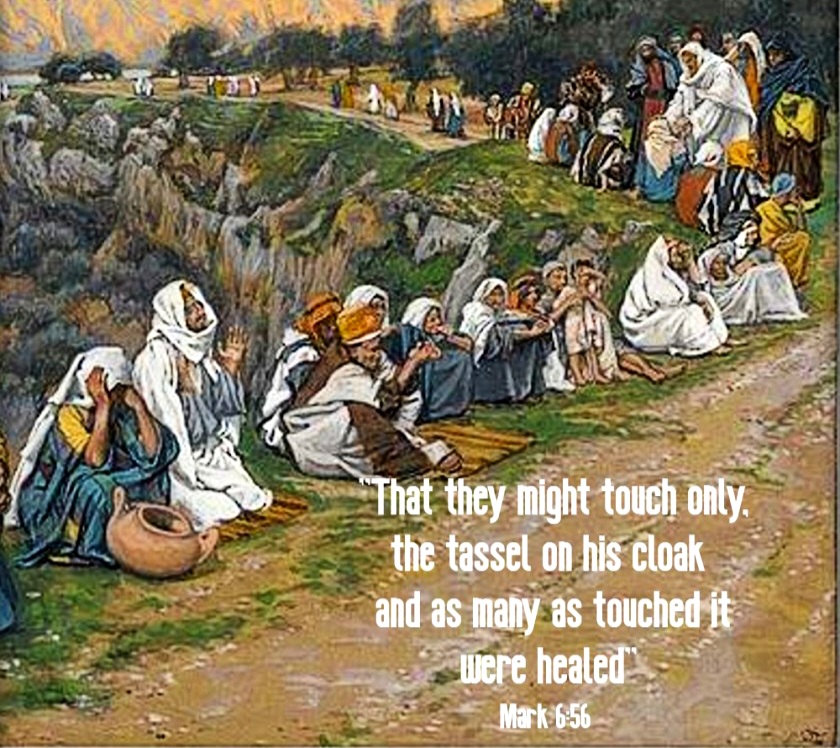
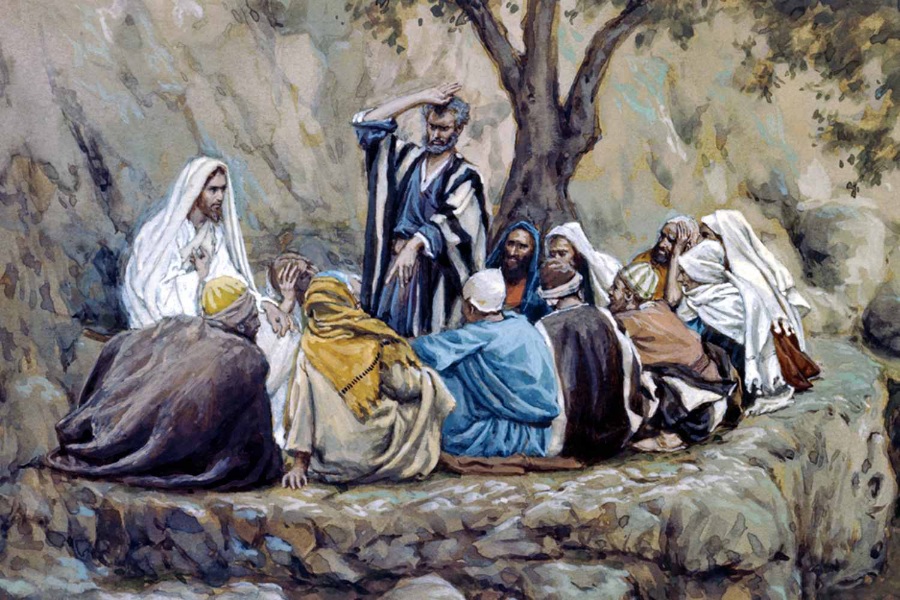
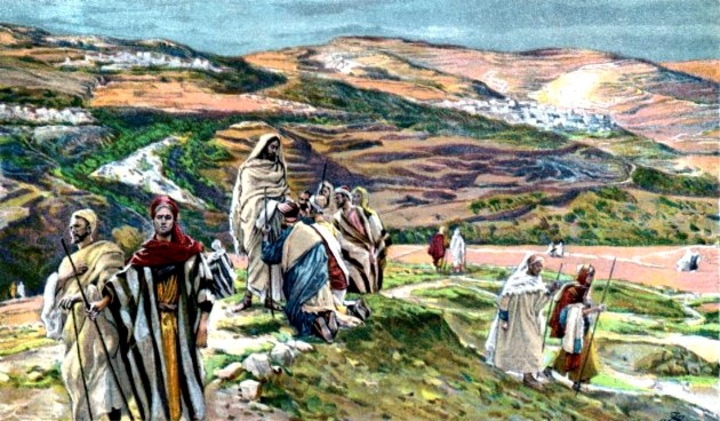
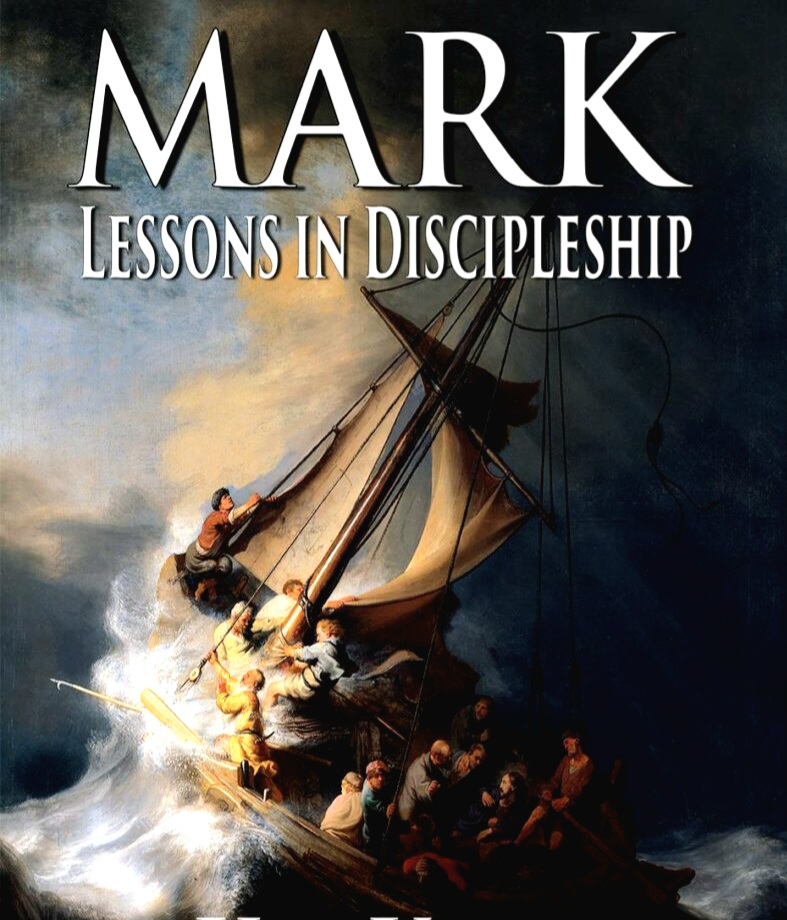
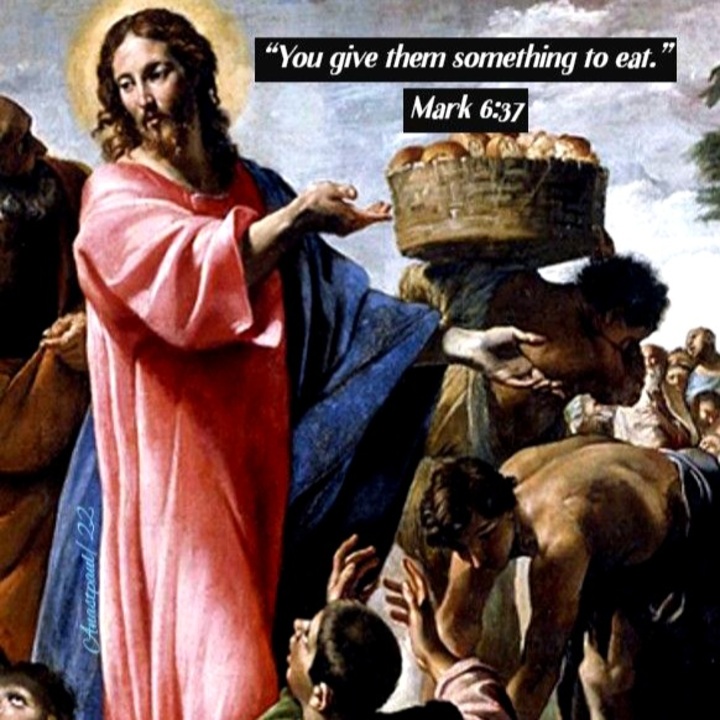







 Bill's Bible Blog