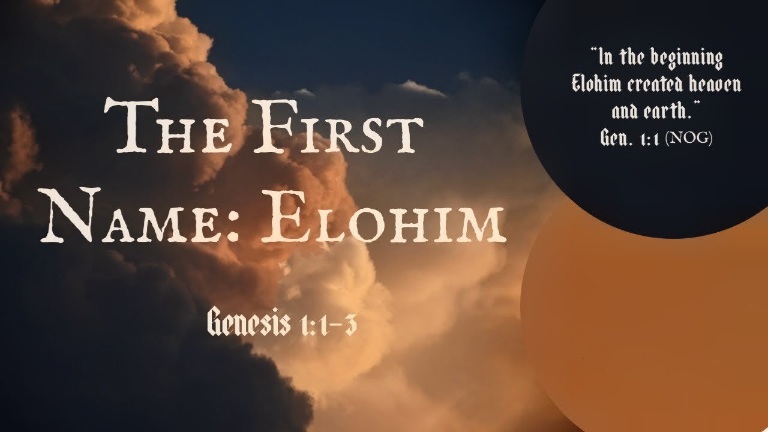
Elohim appears 32 times in the first chapter of Genesis, 300 times in Genesis, 369 times in Psalms, and almost 2,600 times throughout the whole Hebrew Bible.
Elohim was the name for the gods among the ancient Middle Eastern cultures from where Abraham was called out and recognized as being the “Creator and Possessor of Heaven and Earth.” Singular is ‘El,’ and it is often used in combination with other qualities of God to make different names describing Him.
🤔 REFLECT:
God the “Mighty Creator” created it all— 《》 separating light from the darkness; 《》 separating land from water; and 《》 separating day from night.He created all there is ‘ex nihilo,’ out of nothing– ¤ by His own will, ¤ by His own design and ¤ by His own power.The Creator God– -> transcends His creation, -> transcends any created power or authority, and -> transcends our thoughts and imagination. (Limited created beings that we are.)The Mighty Creator God displays– • His supreme power, • His sovereignty, and • His faithfulness…
…in His covenant relationships–1. First with Abraham, who He called to leave his home and family.2. Then with the nation of Israel, who He called out of slavery in Egypt with awesome demonstrations of power.
3. And then with His Only Begotten Son, the promised Messiah, Jesus Christ, who He sent from heaven-‘His ‘home’–a place beyond His creation.
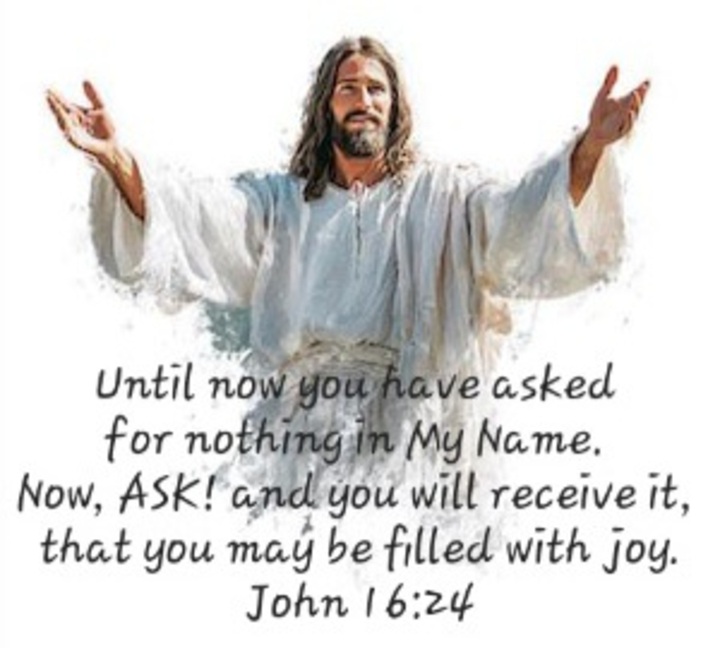
And now we who have believed in Him through His Son are invited to ask of Him:
🙏 REPEAT back to God in prayer:
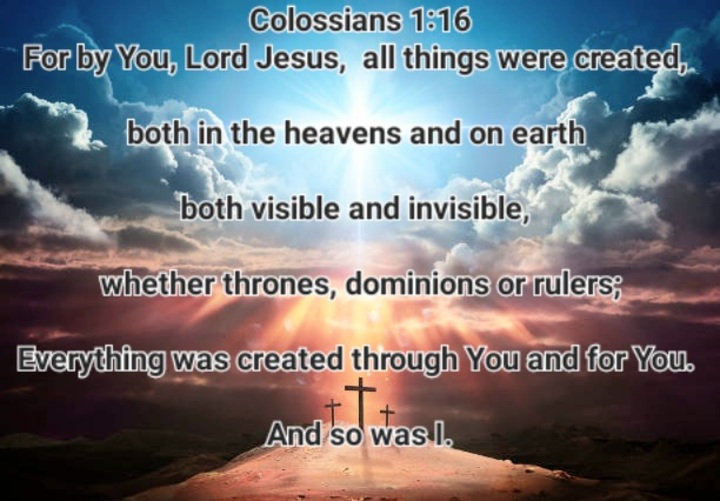
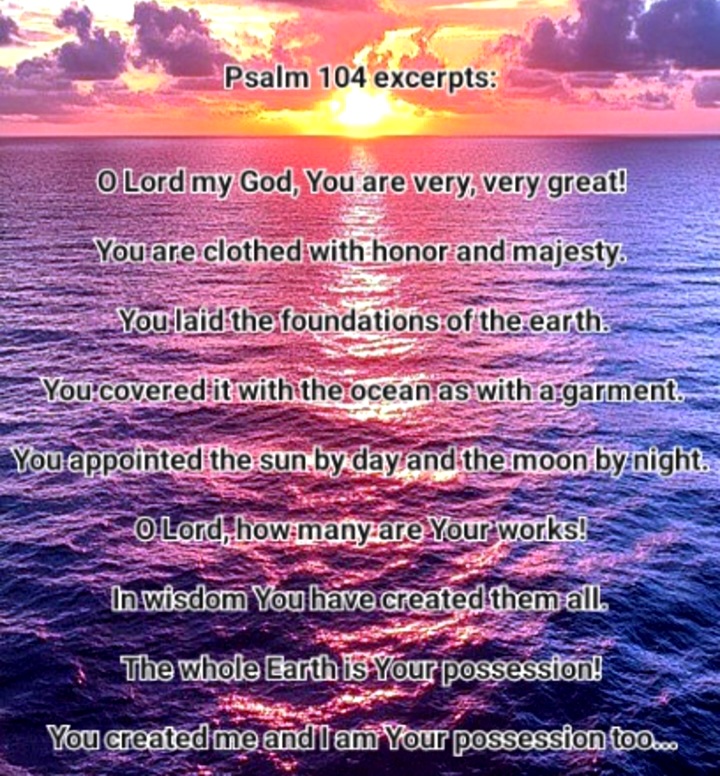
The Name Elohim, in English, “the Mighty Creator God,” embodies His creative power. Use this name when you are calling upon God to create something new, something that you can’t see or imagine happening, something seemingly from nothing. Here are some verses with the pronouns changed as examples of how to pray God’s attributes back to Him in preparation to presenting your requests.New Testament: Jesus as the Creator:
Now, with God the Mighty Creator in mind, present your needs and requests to Him.
Names have fascinated me since the 7th grade when I found out they had meanings. We were all supposed to ask our parents what our family names meant. One boy’s was easy–‘Johnson’ meant ‘son of John.’ My parents were divorced, so I wasn’t able to ask my dad what our name meant, and as it turned out, he didn’t know anyway.
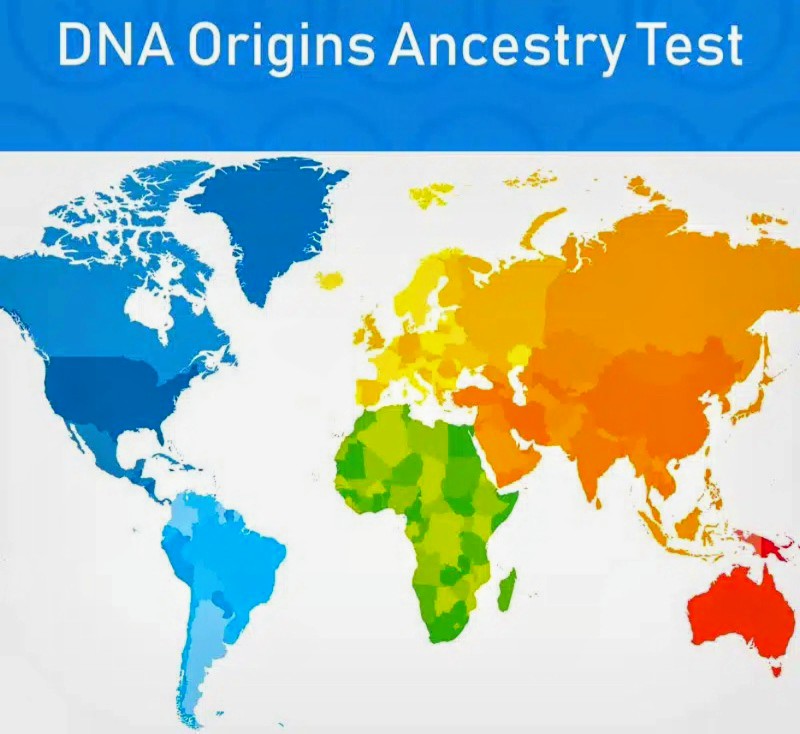
It wasn’t until 50 years later, when I had a DNA test and found out where my ancestors had come from, that I was able to match our family name with a common name from that country. It made me feel connected with the past, to know my family carried a name over 1,200 years old.
As I was composing the last blog, looking at the 10 times God ‘showed up’ for Abram / Abraham, I noticed the names God called Himself or that Abram/Abraham called Him. This woke my curiosity about the Names of God again, so I’ve put together these next blogs looking at the Names of God in the Old Testament.
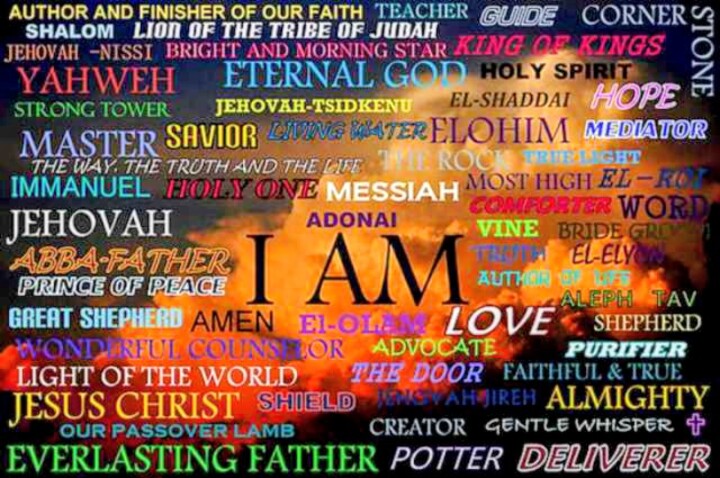
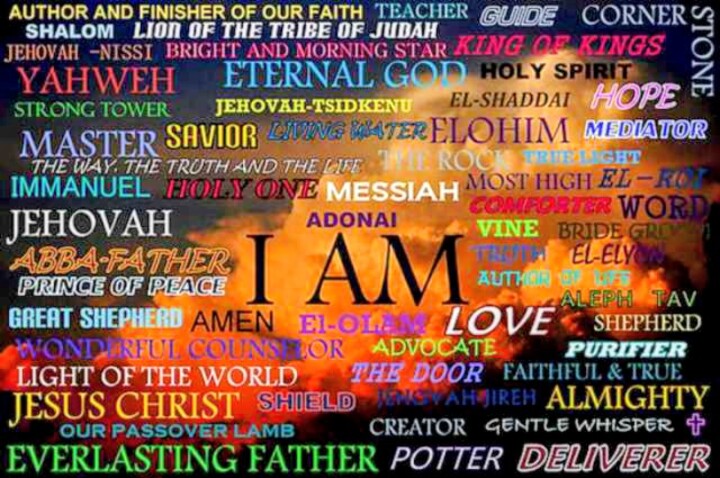
God revealed Himself to many people at many times, as recorded in the Bible, by several Names. He is also called by many other names by Biblical writers. Sometimes these are revealednames combined with an appropriate description, such as ‘The LORD God of Israel.” Sometimes Biblical writers personalize God’s Name like a metaphor, “God is my Rock, my Fortress.”
What difference does it matter what Name we call Him? Isn’t ‘God’ good enough?
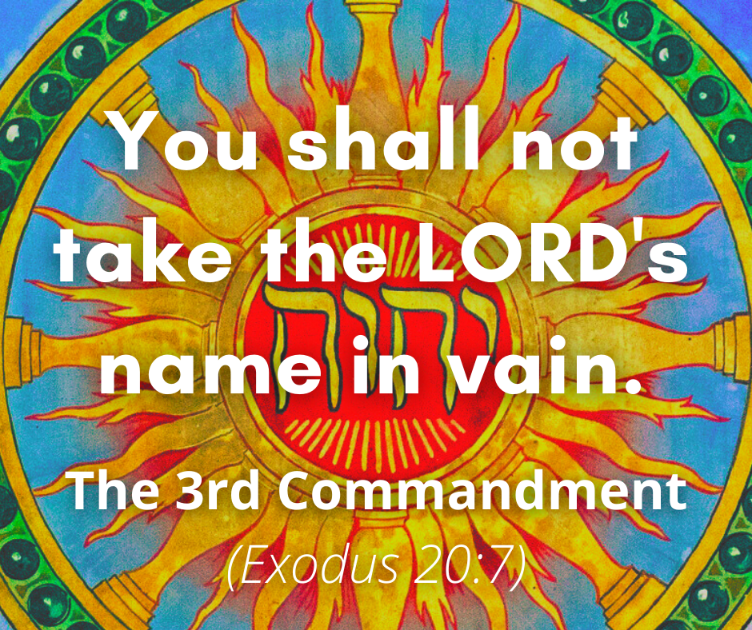
The third of the Ten Commandments the LORD gave to Israel via Moses was:
If a commandment related to the Name God revealed to Moses, to use to refer to Him by (written as all caps ‘LORD,’ in English) is in the top three Commandments, it seems it must be important, right?
So, why IS the Name of God important? Well, we need to call Him SOMETHING, don’t we?
I came across an interesting article about the Names of God by a Jewish scholar. He stated that YHWH was NOT God’s name like ‘Moses’ name. Moses was given this name by his foster mother based on an event, i.e. ‘drawing’ him out of the water, and it was always used to identify and refer to him. On the other hand, there is no greater authority to say to God, ‘This is Your Name and You will always be referred to by it.’
Instead, God, being an infinite being, reveals a facet of Himself related to what He is doing with/for a particular person or group at a particular place and time. Some implications of these limited revelations of God are:
1. A revealed Name is not God’s only name.
2. God is not limited to act just within the confines of what a single name means.
3. We do not know, nor may ever know, all of God’s possible Names, as they are infinite, as He is infinite, and we, along with our language, are VERY finite.
There are many other implications, I’m sure, but to dispel a myth about Names:
4. Knowing a Name of God does not give us control of Him where we can force Him to do as we ask.
BUT there are implications for us in our prayers. The advantage of knowing the different Names of God is to focus our thoughts and faith when we meditate on a particular Name that matches up with our need. It gives us a greater freeling of connection to Him. And it’s not necessary to know God’s Names in Hebrew because the ‘word’ for the Name has no special power. As pointed out in Hebrews 11:6:
Meditation on the appropriate Name of God to match your need can help you bolster your faith in Who He is and that you can expect Him to reward your faith as you seek Him in prayer. THAT is the importance of praying God’s different Names.
How to Pray the Names of God:
1. Read a Bible passage lintked to the specific Name.
2. Reflect: Think about what that Name reveals about: • God’s nature, • His character and • His interaction with us.
3. Repeat: Speak the Name back to God in your requests. Use it to help align your heart, your mind and your soul with God’s revealed nature.
Let’s look at the seven major Names for God from Genesis, see what we can learn about God from them, and how we can use them to pray. I’ve set them up as separate blogs so you can use one each day as part of your daily devotions to become familiar with them.
Later, you might be drawn to a particular Name when you feel a particular need. To help you in the ‘Repeat’ section, I’ll start a prayer based on the meaning of the Name.
The seven Names of God from Genesis that are included:
1. Elohim = God The Creator. 2. El-Elyon = The Most High God. 3. El-Roi = The God Who Sees. 4. El-Shaddai = God Almighty. 5. Adonai = My Lord. 6. El-Olam = The Eternal God. 7. Jehovah Jireh = The LORD Will Provide.
The next blog I’ll look at the first Name of God in the Bible–Elohim–“The Gods.”