4. El-Olam, “The Eternal God” or
“The Everlasting God.”
“The Eternal God” is the fourth Name of God from Genesis that I’ve been looking at. I ended up with too much material for a single blog, again, so I’m splitting it into four devotionals.
📜 I. HISTORICAL READING 1: Genesis 20:
SETTING THE SCENE
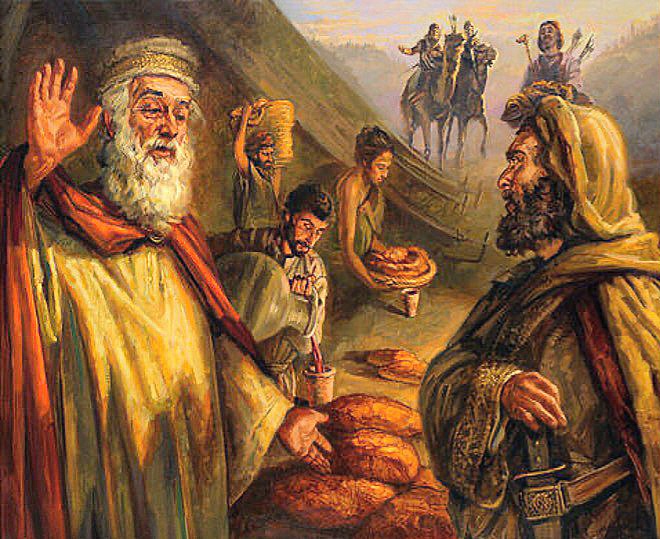
In Genesis chapter 20, Abraham and Sarah had moved into the Philistine city of Gerar for a while. Even though Sarah was old by our standards, she was still a very beautiful woman and the King, Abimelek, sent soldiers to bring her to the palace to add to his harem. Abraham had been telling everyone that Sarah was his sister instead of his wife.
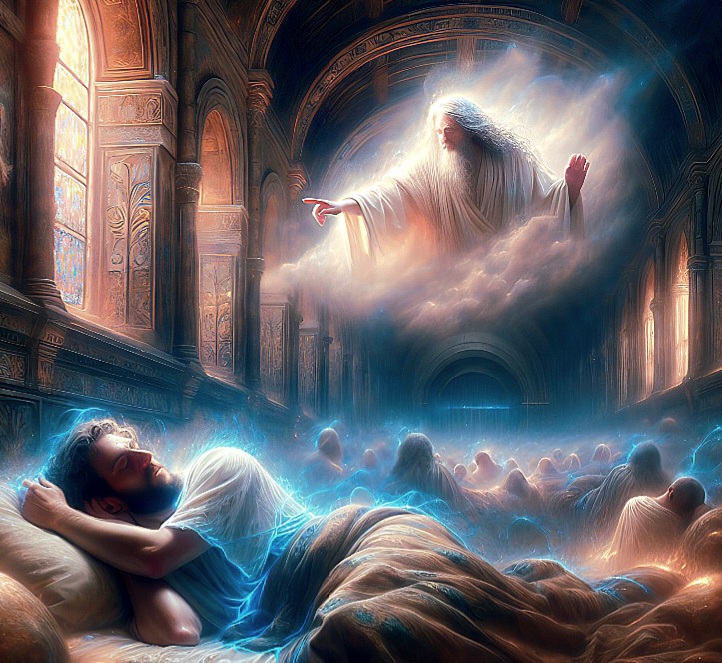
King Abimelek made a generous restitution to Abraham and Sarah and they moved away. See the following blog for a more in-depth treatment.
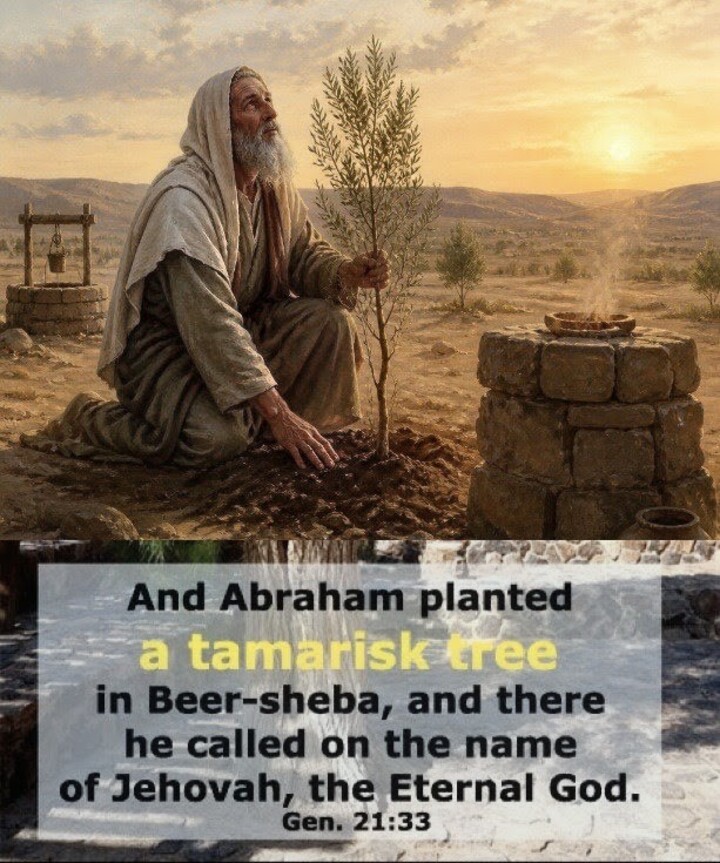
However, in Genesis chapter 21, after Isaac was born, Abraham moved the family close to the city of Gerar and when King Abimelek heard about it, he became a little worried… (continued in the next blog.)
_________________________
📜 IIa. OLD TESTAMENT VERSE 1, Psalm 90:2
The actual Name in Hebrew, El Olam, appears only twice, but the word, ‘olam,’ meaning eternal or everlasting, is frequently applied to God in the OT. We’ll look at four of the key verses, one in each devotional.
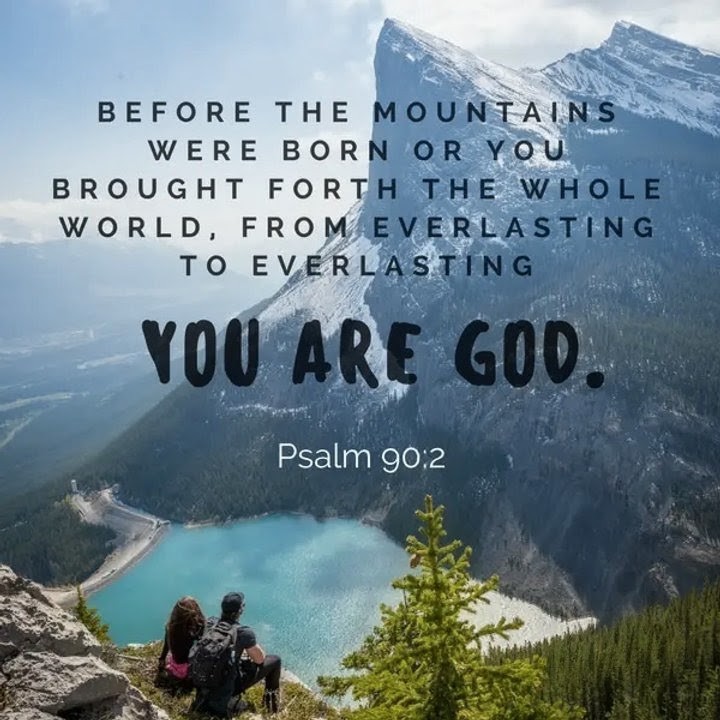
🤓 COMMENTARY: I think we can say that Moses understood or came to understand what God meant when He revealed Himself to Moses as “YHWH,” ‘I am that I am;’ meaning He was the self-existent God.
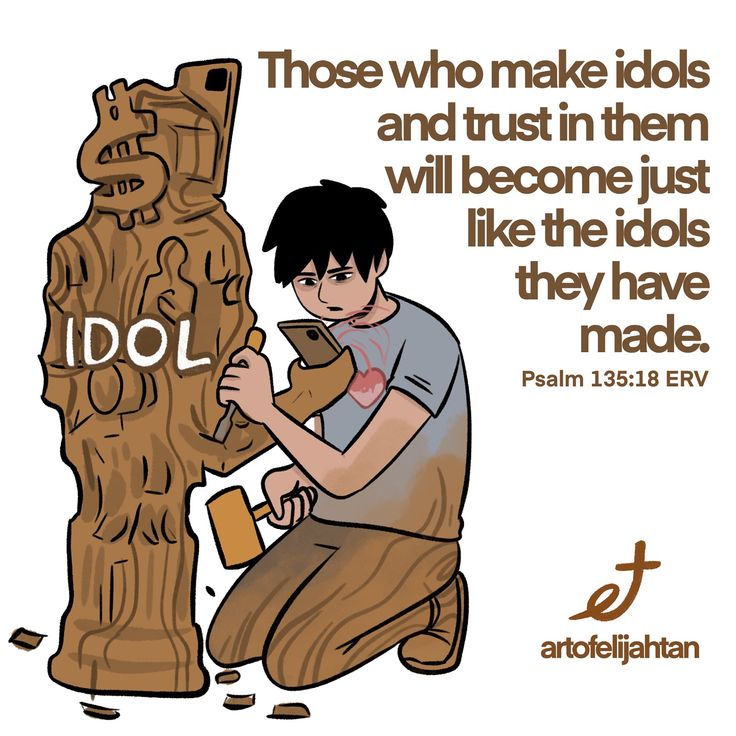
God as the ‘Initiator’ can be seen throughout the Bible in that He initiated contact with the people he chose in Genesis, then with Moses, with prophets throughout the nation of Israel’s history, and finally by sending His Only Begotten Son, Jesus, the Christ.
📃 IIb. NEW TESTAMENT VERSE 1. There are also many NT verses with the same idea of the ‘Eternal God.’ We’ll also look at four key ones, one each in the four devotionals.
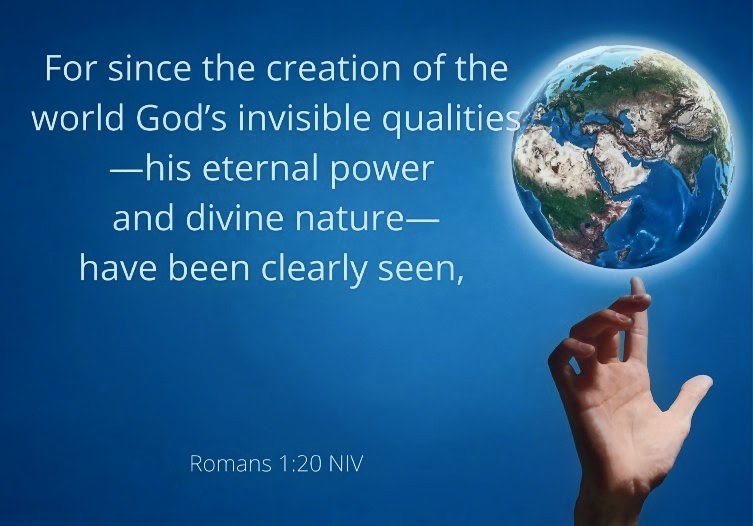
🤓 COMMENT: Although Paul listed those invisible qualities as God’s “eternal power and divine nature,” he could just as easily have reversed the nouns and adjectives to say, ‘His eternal nature and divine power,’ and been just as accurate, and in line with the Hebrew Name, “El Olam.”
__________________________
🙌 III. WORSHIP 1. Earlier, I mentioned how the Eternal God was the initiater of Creation and of contact with many of the people in Genesis. It was because He had a plan; a plan to save a remnant from this sin-stained world, and we are the beneficiaries of that plan today. Pray the following from various verses about the Eternal God and His plan as a way to worship and thank Him for His initiative.
The Everlasting LORD God, ♾️
🅰️ The beginning and the end, ♎️
🤲 Thank You that You came to save me. ✝️
🤲 Thank You that You prayed for me; 🙏
That I would know You, Jesus, the Christ ✝️
And through You Your Father,
the Everlasting God, ♾️
🤲 Thank You for the Good News
of Your salvation. ✝️
🤲 Thank You for the gospel of Your love, ❤️
–Your undying love,
Thank You My Eternal, Heavenly Father. ♾️
Eternal God, Yourself; ♾️
– By Your stripes, I am healed, 🇨🇭
– By Your love, I am filled.💗
– By Your blood I am cleansed,🩸
– By Your death, I am freed, 🔗
To live forever and ever in Your Presence. ♾️
Amen!
🅾️ Before You, Heavenly Father, 👳♂️
the Ancient of Days,
🇱 Before You, Son of God, ✝️
by whom all creation was made, 🌌
🅰️ Before You, Holy Spirit, 🕊️
by whom I was called and saved. ✝️
Ⓜ️ Before You, Eternal Three-in-One, 🔺️
who I worship and praise. 🙌
and give praise and thanks to You,
Jesus, my Savior; ✝️
My Everlasting Lord, Adonai Olam’i. ♾️