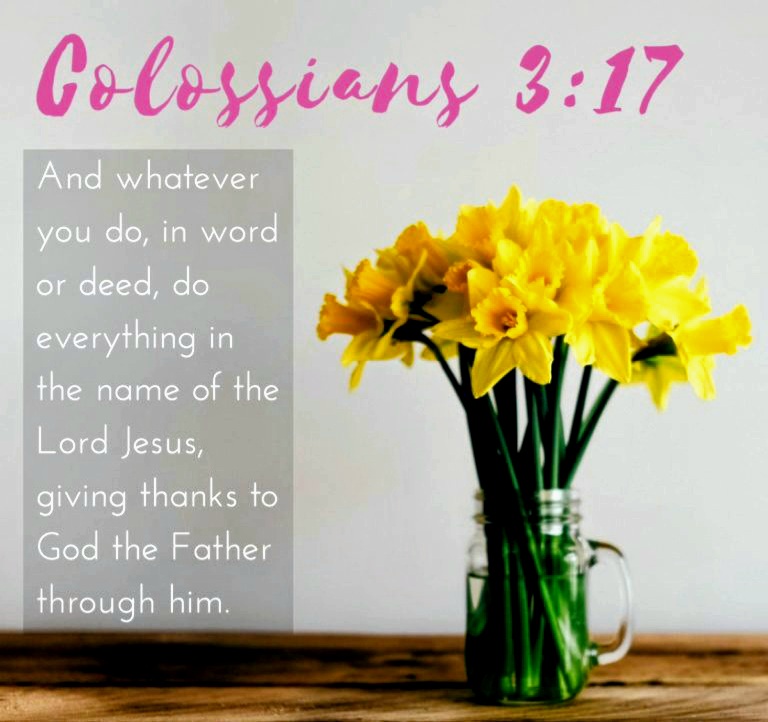
6. THANKFULNESS TO GOD: …and 17b, “…giving thanks to God the Father through (Jesus).”
Paul points out that it is all about God. But for us as Christians, our reconciliation to God, our relationship with God and our responsibility to God as our Creator, all flow through Jesus Christ.
And notice between verses 15 to 17, Paul mentions ‘thankfulness‘ three times–‘be thankful,’ ‘with gratitude,’ and ‘giving thanks.’ If God’s agape love is number 1 on the list of our responses to being saved, then thankfulness, being thankful, and giving thanks are 1b, 2b and 3b.
So, looking at the three commands in this practical section in Colossians, we can put it all together this way:
1. God has forgiven us in Jesus Christ; therefore, be thankful, and forgive one another, just as God has forgiven us.
2. God is holy, Christ died to make us holy and to bring us to God; therefore, we are to give thanks for being redeemed, and strive to be holy, just as He is holy, in our words and deeds.
3. God has loved us with an everlasting love; therefore, be grateful, and love one another, just as God has loved us.
I really can’t say it any better than that.
In conclusion we could say, as our verse this week says, Show thanks in everything you do!
March #2. Colossians 3:17: Show thanks in everything you do.
This verse is the last one in Colossians 3:12-17, another one of those sections from Paul where he commands the reader to do a list of godly, Christian things. This week, I’m going to look at one of the commands each day, kind of like a devotional. I hope that you will join me each day and learn more about being thankful in everything you do.
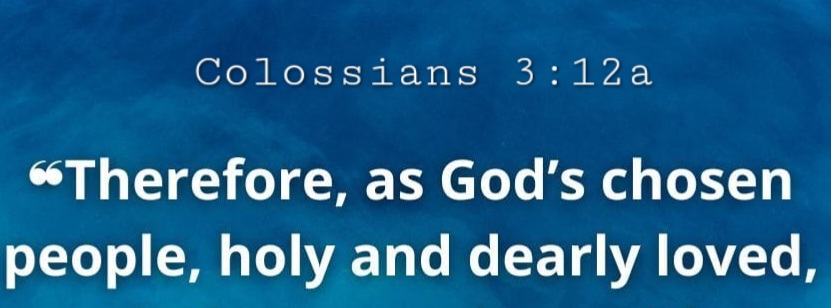
1. GOD’S FOUNDATION: The ‘therefore’ is referring back to Paul talking about what it means to he saved and be a Christian in the previous section. Now he’s going into the practical section of his letter. Before he does that, he lists three things that form the foundation for his commands:
A. We have been chosen by God in Jesus Christ.
B. We have been made holy in God’s sight, and our calling as Christians is to be holy in both word and deed.
C. We are dearly loved by God and Jesus.
How do you feel when you think of these three spiritual truths?
The Biblical picture of this process is one of adoption. Think of it like when you adopt a newborn child: you choose the mother carrying the child that you want to adopt. Then when the child is born, it is thoroughly washed, wrapped in a new blanket, and placed in your arms. You look at this perfect new being, who is now your child, and your heart is filled with love for them.
That’s what happened from God’s perspective when we were saved. He chose us, He washed and clothed us, He held us in His arms and His heart was filled with love for us, His new, perfect child.
Think about these things and express gratitude to God for His adoption of you as His beloved child.
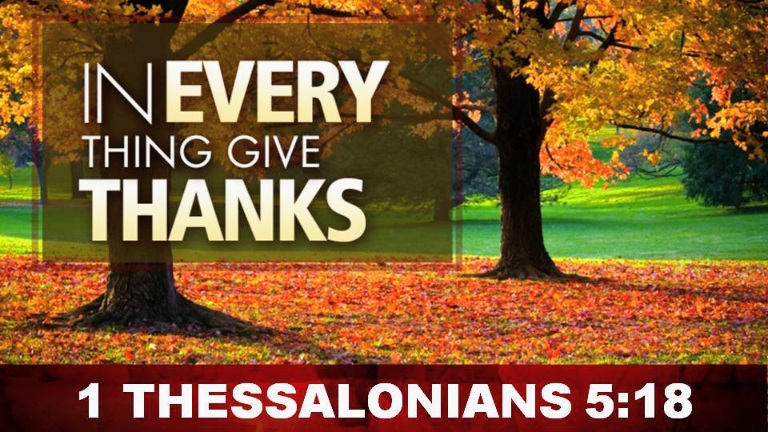
This is a new month and we have a new theme for March, praise and thanksgiving. Our first verse is 1 Thessalonians 5:18 – Give thanks in everything!
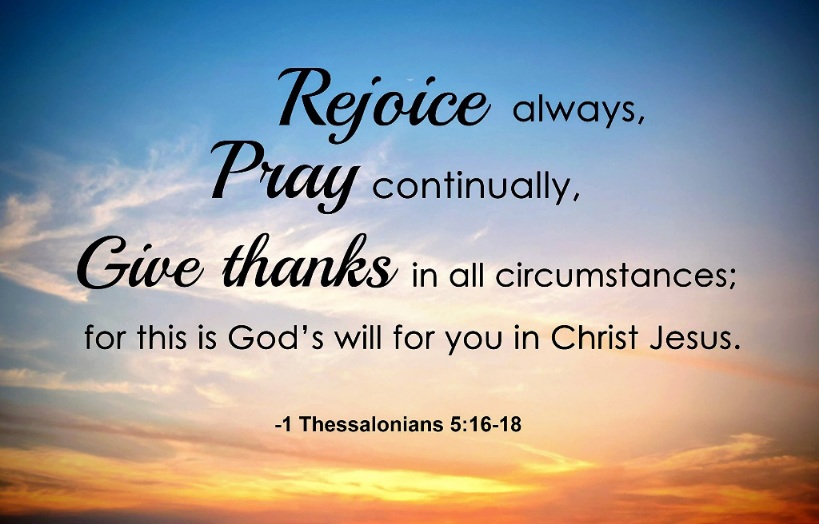
Verse 18 is actually the third in a list of things that Paul is saying we should always be doing as Christians. Here’s the full set:
According to the Greek, the this at the end of the list refers to the “substance of the preceding discourse,” in other words–ALL THREE! So from the Interlinear Bible, it reads,
“For these things are the will of God as regards you.”
What would it look like if these three things really DID characterize our lives as Christians?
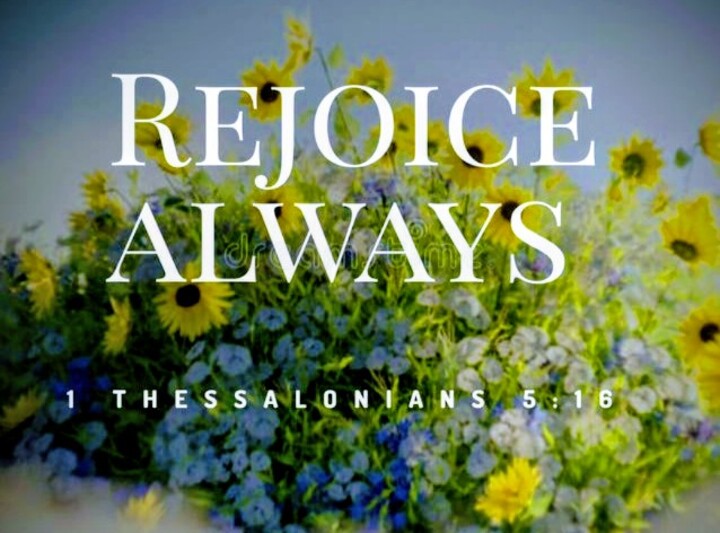
REJOICE ALWAYS! What should we be so happy about all the time?
I recently heard a podcast from Doctor David Jeremiah from Ecclesiastes 9. He titled it, “The Subject Nobody Wants to Talk About,” because it was about death.
Solomon didn’t have a problem talking about it. He made the points that • death was inevitable, • death could not be ignored, • nor could death be avoided. So, what was Solomon’s response to these somber truths? David Jeremiah summarized the advice this way.
Treat every meal like it’s a feast! He pointed out that we rarely sit down and eat together anymore. The advent of fast food has somehow short circuited the family meal. But there are many relational advantages to taking the time to eat together. The Israelites knew this.
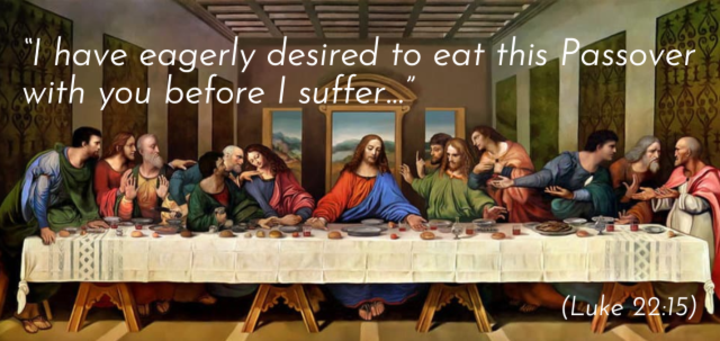
One of Jesus’ greatest desires, He said, was to eat one last meal with His 12 disciples before He was arrested.
If we add to a sit-down meal the trappings of a feast, it can also add to our enjoyment of life!
Next, David Jeremiah said we should dress up every day like we’re going to a party! I grew up at a time when people dressed up more. I look at old TV shows like Perry Mason and am reminded of this. We even had one suit reserved for going to church and special occasions called our “Sunday best.” Now people just wear a t-shirt and jeans.
I think there’s something to be said for dressing nicely. At work we try to “dress for success.” That is, dress for the job you want rather than the one you have.
In the same way, if we dress nicely, “like we’re going to a party,” maybe we’ll influence our attitude to the one we WANT to have–one of celebration and rejoicing!
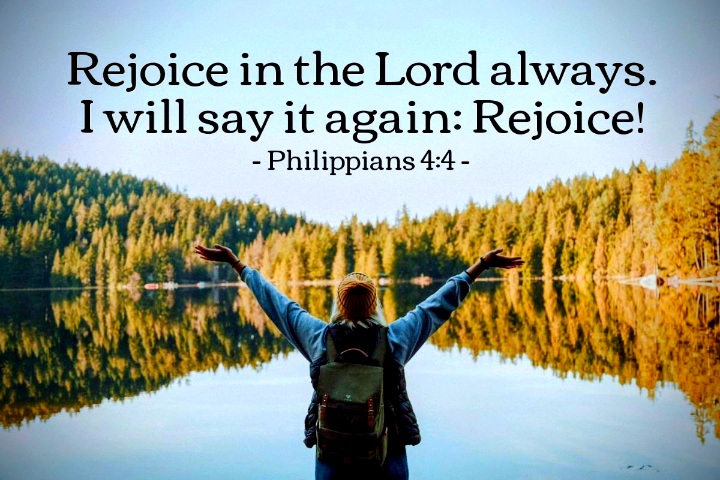
One point to remember about Ecclesiastes, it very much has a “the-grave-is-the-end” attitude. For us as Christians, we now know that is not true. In a similar list of commands at the end of Philippians, Paul says,
Our cause for “rejoicing always” is more than just enjoying life while we have it, although that is a VERY GOOD reason to do so. If we center our life on Jesus Christ and the salvation He has bought for us, then we should have TWICE as many reasons to be filled with joy each day.
Start your day with a devotional time, and think about the grace and mercy of God through Jesus Christ. Maybe that will help you carry more of a rejoicing attitude throughout the rest of the day?
Pray continually! What does that mean? It sounds a little impractical to me. The Greek word for ‘prayer’ here is the general word that means to direct your thoughts and words toward God. Making God a part of your conversation…that’s prayer!
Our current series at The Summit is on Nehemiah. This week, Pastor J.D. pointed out how much prayer contributed to Nehemiah’s success at rebuilding the walls of Jerusalem.
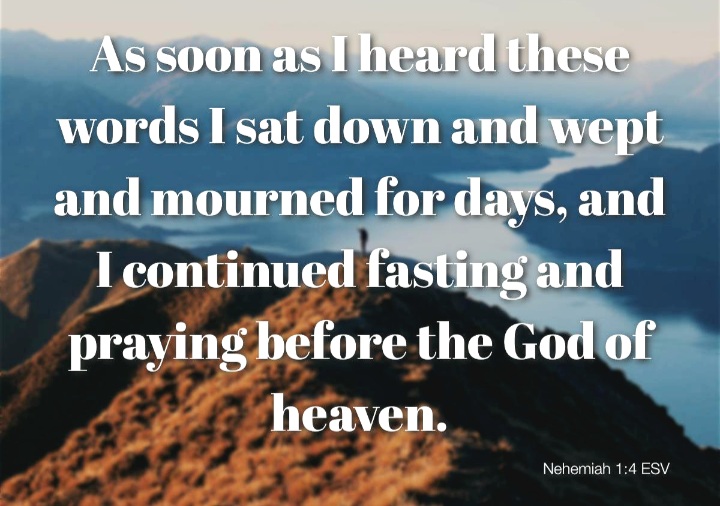
When his brother brought him the bad news about the poor condition of the walls of Jerusalem, Nehemiah was very troubled and addressed the issue by prayer and fasting.
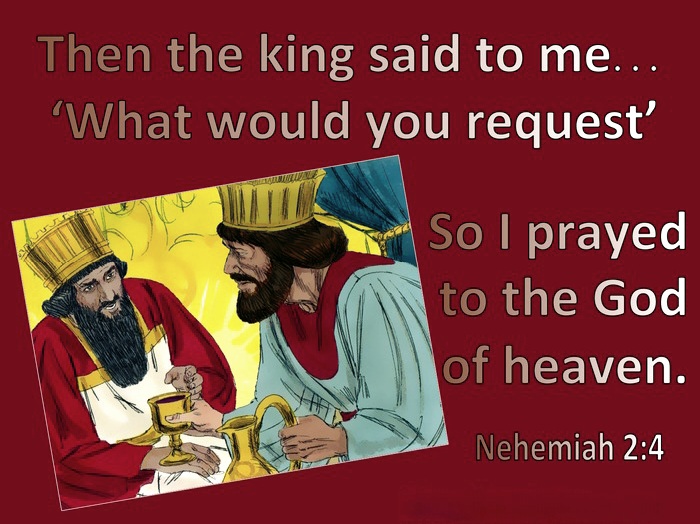
When Nehemiah unexpectedly had an opportunity to ask the king for resources, it says he prayed. It was probably one of those quick “breath prayers”.
All during the work in Jerusalem, Nehemiah regularly prayed about the difficulties that arose.
Then at the end, the last thing recorded, both in the book and in the Old Testament, was a prayer by Nehemiah to God.
Nehemiah prayed before he did anything about the problem, he prayed when he was presented with the opportunity to do something about it, and he prayed throughout dealing with the problems until the very end–THAT is praying continually.
Give thanks in all things. Note that it says to give thanks in all circumstances, not necessarily for all circumstances.
Cultivating an “attitude of gratitude” can benefit our Christian walk in many ways. Most especially, remembering to thank God in the middle of difficult situations helps to shift our focus from the problem to God’s goodness and sovereignty, and that can help reduce our worry and anxiety.
Here’s a song that might inspire you as you seek to give thanks ro God:
CONCLUSION:
God commands us to REJOICE ALWAYS, because He knows it will help us enjoy life.
God commands us to PRAY CONTINUALLY, because He has what we need to deal with the problems of life, but we need to ASK Him.
God commands us to GIVE THANKS IN ALL CIRCUMSTANCES, because He knows it will help us maintain a positive attitude and remind us of the good gifts He gives us.