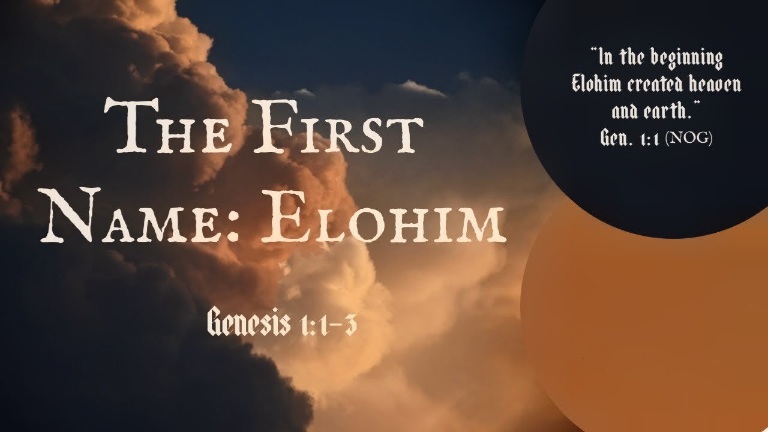
○ The first name, Elohim, used ~2,600 times in the Hebrew Bible, established that there was a pre-existent, supernatural being that created the heavens and the Earth, and still claimed dominion over and possession of all His creation.
This is basically the definition of “God,” and Elohim is interpreted as such in English. In the Bible, we, as a part of His creation, are expected to acknowledge and worship Elohim, God the Creator, as He deserves.
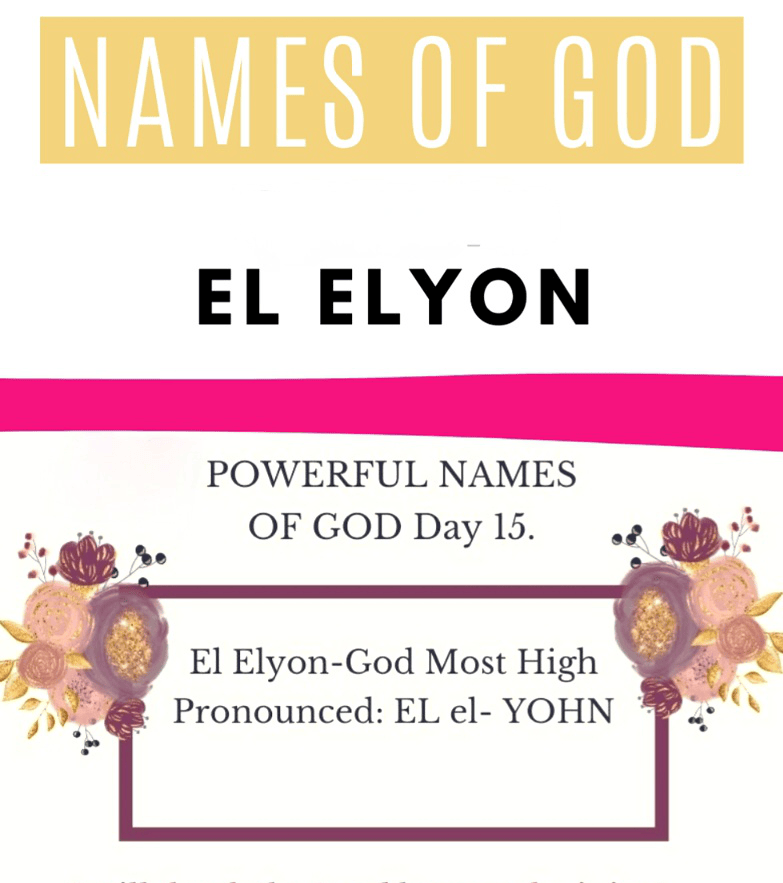
● The second name, Elyon, used only 53 times on the Hebrew Bible, emphasizes God’s preeminence in His creation–the ultimate Authority and Supreme Judge. He didn’t just create the Universe and walk away, as some people think and some religions teach. He has a vested interest, especially in us, because we were made in His image. He has expectations for how we live our lives, and El Elyon, God Almighty, will hold us accountable.
🤔 REFLECT This third of the three most common Genesis Names for God, El-Shaddai, used 48 times in the Hebrew Bible, is translated as ‘God Almighty.’ It is the first time we see God get personal. El-Shaddai is God’s covenant Name with Abram and his descendents, inheritors of God’s promises to: 1. Become a great nation and 2. Messiah will come through their lineage.
These blogs on El-Shaddai will be divided into seven devotional segments. There are six passages in Genesis where El-Shaddai is used by the Patriarchs, but then historically it drops to just an occasional use by Israel in the rest of the Old Testament, having been replaced by a new covenantal Name. I will be pairing these six passages with six New Testament passages where the Greek translation of ‘Almighty’ is used in the worship of God and the exalted Jesus Christ.
🎶 RECORDING 🛐😔 Before we repeat a passage back to God as El-Shaddai in prayer, there is a very pretty contemporary worship song using some of the names of God, especially featuring this week’s name, “El Shaddai.” Listening to it always puts me in a worshipful frame of mind and it helps with the pronunciation of some of the Hebrew names for God.
written by Michael Card and John Thompson, recorded by Amy Grant, 1982
LYRICS EXPLANATION:
Divine Names and Hebrew Phrases (Chorus)
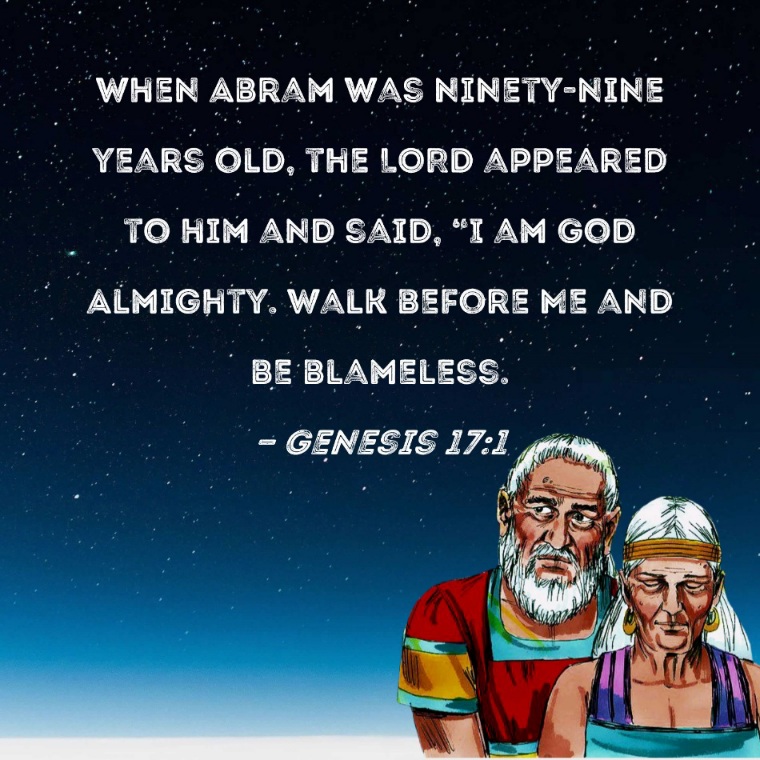
El Shaddai“ = “God Almighty” first revealed to Abraham in Genesis 17:1.
“El Elyon na Adonai“ = Combines “God Most High,” Genesis 14:22, with the Hebrew particle of entreaty, na, meaning “O” or “we beseech you” and Adonai, “My Lord.”Erkamka na Adonai ” = from Psalm 18:1, “I love you, O Lord.”Age to age You’re still the same” reflects God’s unchanging nature. In Genesis, Abraham calls Him El Olam, ‘The Everlasting God.’
Old Testament Deliverance and Provision (Verse 1)
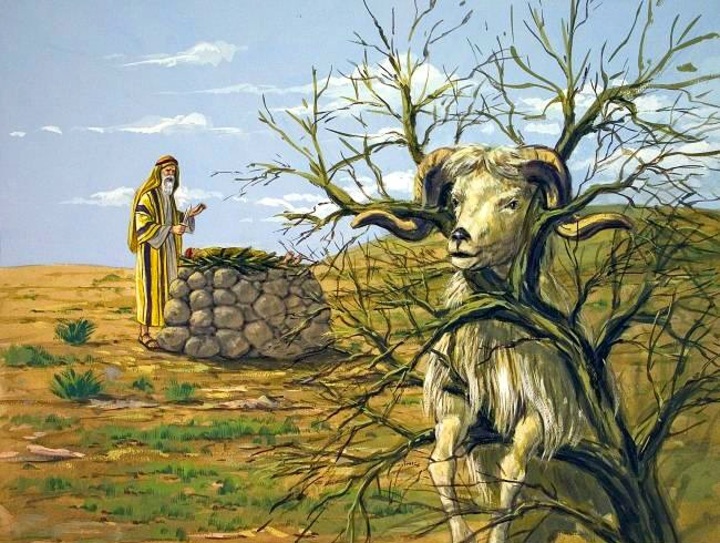
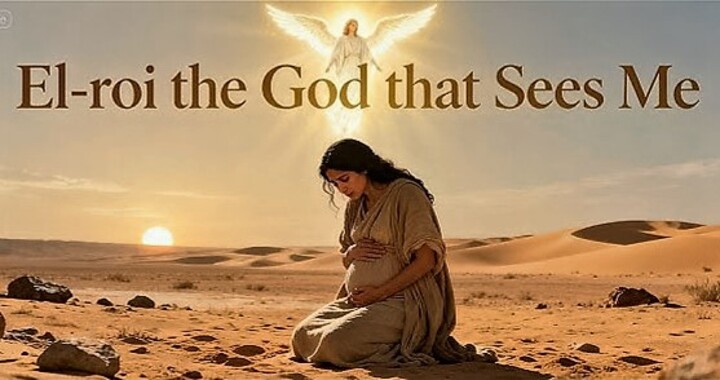
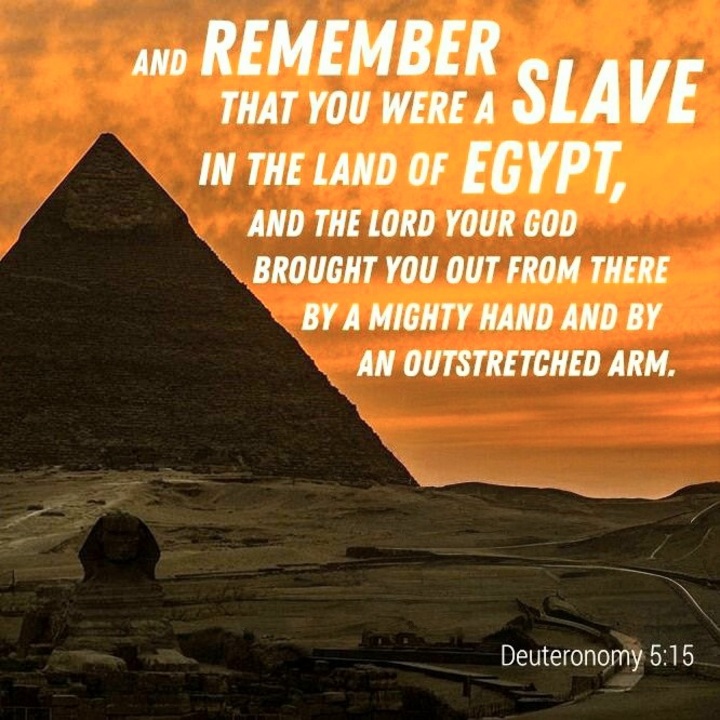
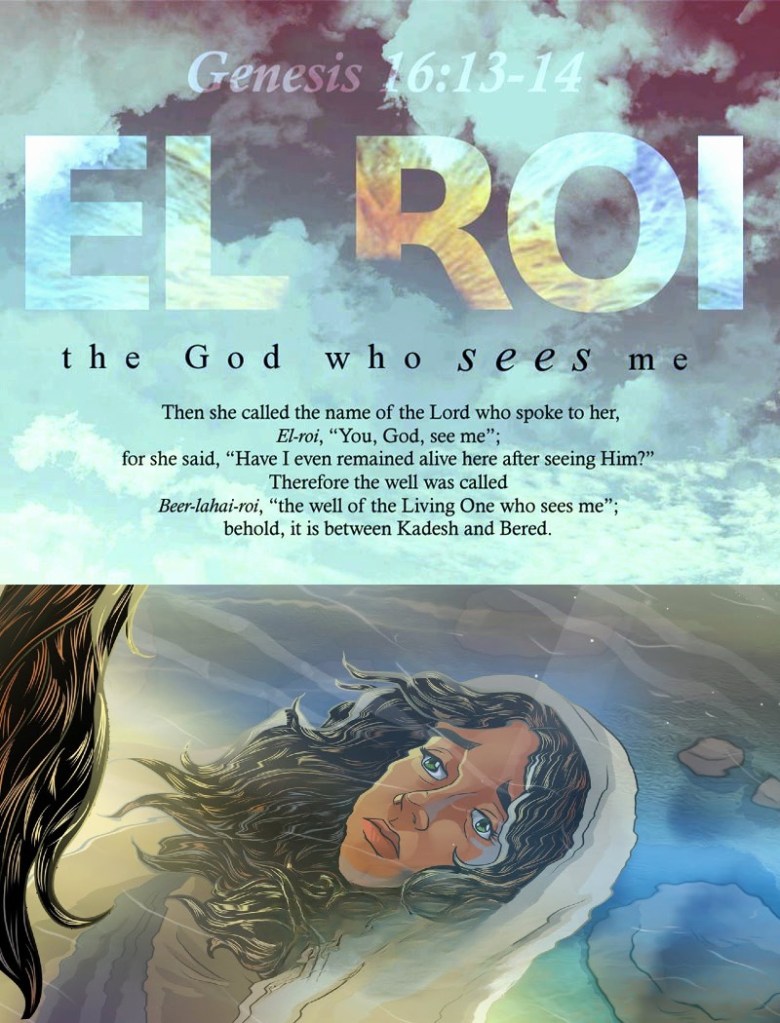
“Through your love and through the ram, You saved the son of Abraham.” Refers to the binding of Isaac on Mount Moriah where God provided a ram as a substitute sacrifice (Genesis 22:13). Jehovah Jireh.“Through the power of Your hand, You turned the sea into dry land.” The parting of the Red Sea during the exodus from Egypt (Exodus 14:21–22, Psalm 74:13.)“To the outcast on her knees, You were the God who really sees.” This is Hagar in the wilderness naming God, El Roi, “the God Who Sees Me”, Genesis 16:13.“And by Your might, You set your children free.” The liberation of Israel from slavery in Egypt (Deuteronomy 5:15, 6:21, and 7:8:). _______________________
The rest of this first blog for El-Shaddai contains a personalized devotion from Psalm 91, a very well-known use of El-Shaddai in one of only three of the Psalms.
🙏 REPEAT: pray Psalm 91; The Security of Trust in the Almighty.
By faith I shelter in You, • El-Elyon, the Most High God; In faith I hide in Your shadow, • El-Shaddai, Almighty God. Because I trust in You, • My Lord and my God.
• O LORD,YHWH, You are my refuge and my fortress: • Deliver me from the snare of the entrapper, • Protect me from the deceit of sinners. • Save me from the wrath of the storm.
I seek refuge under Your wings, Adonai; • Cover me with Your pinions, • Shield me with Your faithfulness. • Assure me with Your love.
Selah (Stop and think about it.) 🤔
Because of Your protection, • I am not afraid of the terrors at night, • I am not afraid of the sneak attack from ambush, • I am not afraid of the sickness that creeps unseen, • I am not afraid of the disaster that looms waiting, Whether day or night, You protect me.
A thousand may fall at my side, • And ten thousand at my right hand; But I know destruction will not come near me. • I will only see it with my eyes, When You punish the wicked.
I know this because I make you, OYHWH, • I make You, the LORD, my refuge, I make You, O Most High, • I make You, Elyon, my dwelling place.
You have promised, • That no evil will happen to me, You have promised, • That no plague will come near my home. You have promised…,
I trust in You, YahwehShaddai, • Therefore I trust in Your promises, O Mighty LORD.
Selah (Stop and think about it.) 🤔
O LORD, you have given Your angels charge concerning me, • They guard all my comings and goings. • They bear me up in their hands, So that I don’t even stub my foot against a stone.
If I step on a lion’s tail, • Even the young lion I will stomp into the ground. If I step on a cobra’s coils, • Even the serpent I will trample into the dirt. Because you are my Shield, my Shaddai. • You are my Protector, Lord Adonai.
Selah (Stop and think about it.) 🤔
• I love You, O Lord, my God, Adonai Elohim, deliver me when I stumble. • You are my LORD and my God, Yahweh Elohim, lift me up when I fall. • Because You are my LORD.
Because I know You by Name. When I call on You, my Lord, • O Adonai, please hear me; My God, when I am in trouble, • O Elohim, please save me.
You have honored me with knowledge, • The knowledge of Elyon, the Most High; Please grant me a long and satisfying life; • And at the end that may I see Your face,Yah-Shua, That I may see the face of Jesus, • the God of my salvation.
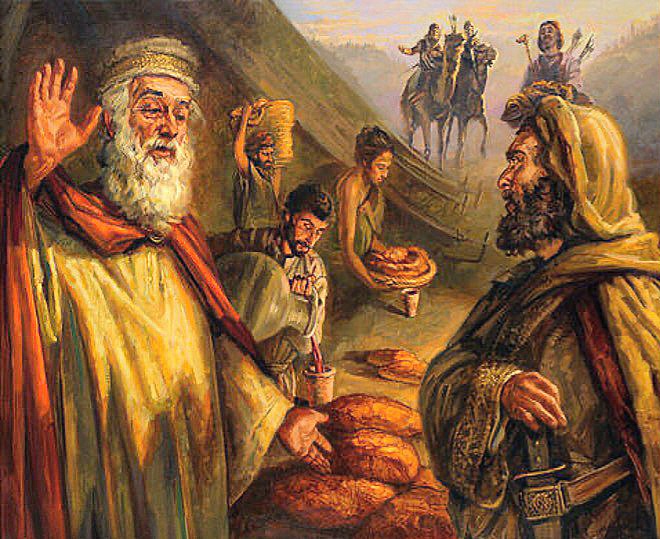
📖 READ: Genesis 14In Genesis 14:18, Melchizadek, King of Salem, was identified as a priest of El Elyon.
:19, Melchizadek blessed Abram and identified him as belonging to El Elyon, also identified as “Owner / Possessor of the Heavens and the Earth.” :20, and Melchizadek blessed (praised) El Elyon and identified He was who had delivered the enemies into Abram’s hand.
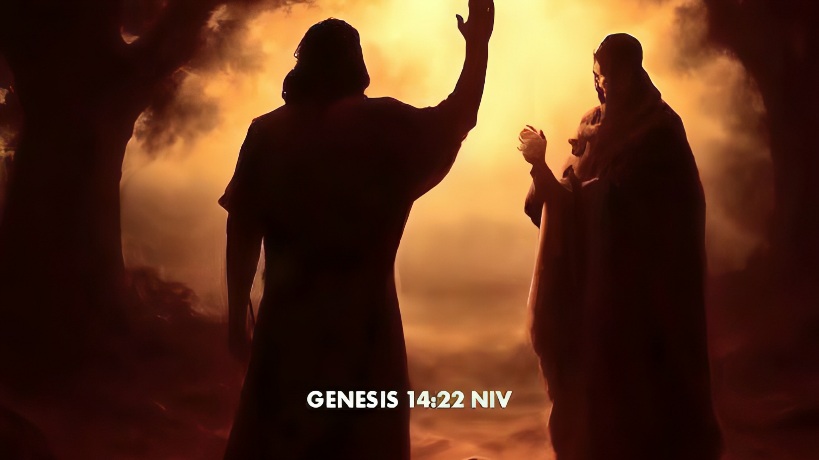
:22 Abram said, “I have raised my hand to YHWH El-Elyon, Creator of heaven and earth,” meaning he had made a vow to his God, who He also identified as El Elyon, but with the added name of YHWH.
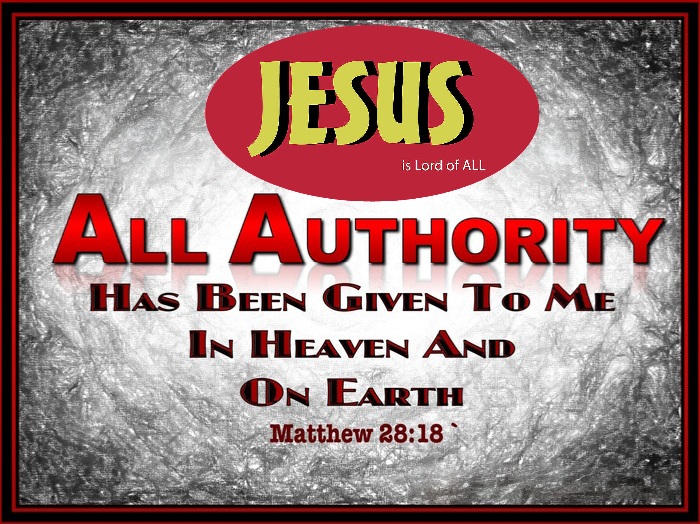
New Testament equivalent: Jesus was referred to by demons as “Son of the Most High.” In Matthew 28:18a, the resurrected Jesus stated He had been given the same position as El Elyon when He said:
====================
🤔 REFLECT: El Elyon, the “Most High God,” emphasizes God’s ultimate authority, transcendence, and supremacy over all other powers and deities. El Elyon is used throughout the Hebrew Bible to emphasize that God has no rivals, equals, or superiors.
Some synonyms in Western history are:
“The Supreme Deity” = the ultimate, all-powerful, and eternal divine entity that created, sustains, and rules the universe.
“The Supreme Judge of Mankind” = the ultimate divine authority appealed to by the American founders for the righteousness of their cause.
Therefore, praying to Elyon is like taking your plea to the Supreme Court. Consider using this Name when you wish to praise and exalt God “to the highest,” (kind of like the angels at Christmas), and to take your requests to the God who is the Highest Authority. =================
🙏 REPEAT back to God in prayer:
Psalms employs the title Elyon thirty times, often pairing it with YHWH, God’s covenant name with Israel. El Elyon is used interchangeably with both Elohim and YHWH. This interchangeability reminded Israel that there were no circumstances outside the authority of their covenant God, because He is also the Creator God, who has existed from the beginning, as well as the Most High God, above everyone and everything on Earth, as well as in Heaven.
In the Psalms, Israel’s worship books, the use of Elyon reminded them that the One they approach in prayer and worship, although He is enthroned above all creation, is willing to listen to their prayers, step down from His position of ultimate authority, and reach out to save them in response.
In the following four Psalms, different kinds of prayers toYHWH Elyon are interpretively personalized. Read through them and maybe use one of them when you find yourself in a situation where you need to take your plea to the “Supreme God,” knowing that He will hear you, listen to you, and reach out to help on your behalf.
The Psalms with Elyon used here are:
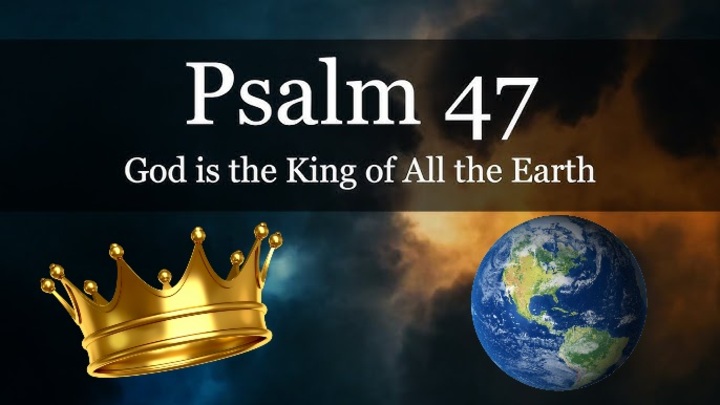
1. Psalm 47 – Praise to theMost High God, Ruler of all the Earth.
2. Psalm 9 – Praise to the Most High God and prayer for deliverance from enemies.
3. Psalm 57 – Praise for El-Elyon and prayer for safety from enemies.
4. Psalm 97 – A song of praise to the Sovereign Lord.
============================
1. Psalm 47. Praise to the Most High God, Ruler of all the Earth.
Prayer isn’t just about asking for God’s help, it is also about praising and worshipping Him. Let’s start out with a psalm of praise to El-Elyon, the Most High God.
👏 I clap my hands, I shout to You, O Elohim God, I shout with a loud voice of triumph! Yeah! 😲
🛐 I bow down in homage to You, the Most High LORD, For You,YHWH Elyon, are the Great King over all the Earth. 👑
🌎 And one day all the peoples of all the nations, will bow down at Your feet. 🛐
Selah. (🛑 Stop and think about it.🤔)🪑 One day You will rise up from Your throne with a shout, OYHWH, and You will give me an eternal inheritance. 🙏 Thank you, Jesus, Son of Elyon,the Most High. ✝️ 📯 When Your coming is announced with the blast of a trumpet, You will reward me and all those whom You love. 🙏 Thank you, Jesus, Son of Elyon,the Most High. ✝️ I praise You, Elohim; 🙌 😲 O God, I shout praises to You! 👑 I praise you, my King; 🙌 I praise You over and over again! 🙌 🙌👑 🌎 For You, Elohim God, are the King of all the Earth; So I praise You with everything I am. 🙌 😲
👑 🌎 It is You, Elohim God, who reigns over the nations; So I kneel to You in submission. 🛐
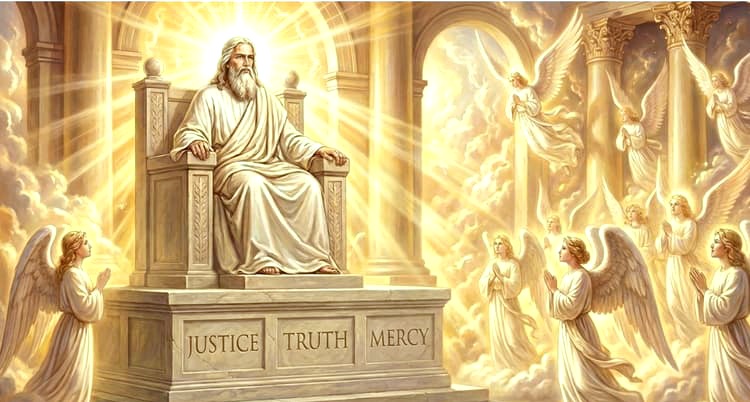
👑 🪑 It is You, Elohim God, who sits upon the holy throne, So I bow my head to honor You. 😔🙌 I greatly exalt You, Elohim God, Above all else and above all others. For You, and You alone, are El-Elyon, The Most High God!!!
AMEN❗️
====================
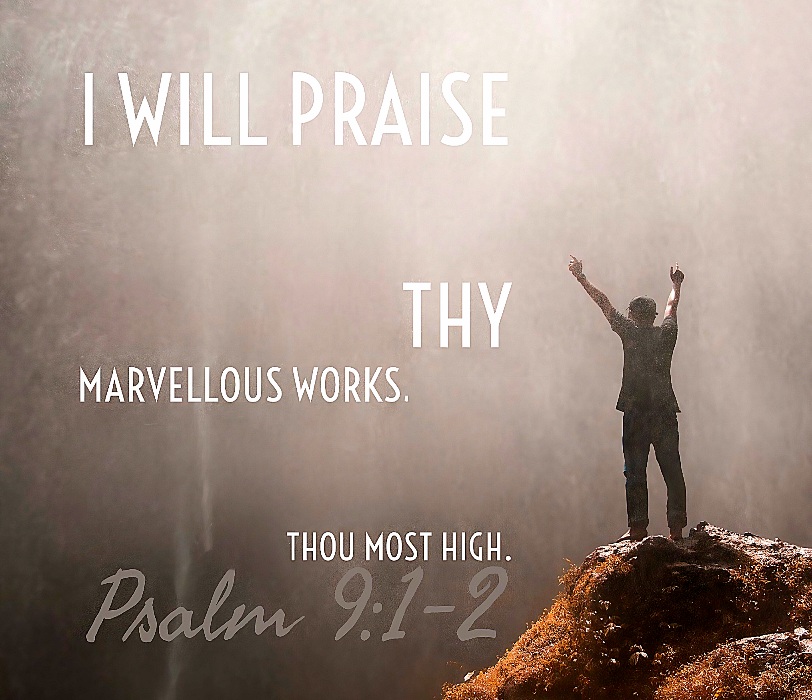
2. Psalm 9 – Praise to the Most High God and prayer for deliverance from enemies.
I praise you, YHWH; 🙌 ❤️ O LORD, I praise You with all my heart. 🌈 I think about Your wonders from the past; 🥳 And I am gladdened, I rejoice in You!
I praise Your Name Elyon. O Most High God: 🙌 🙏 Please turn back my enemies from their path. 🙏 Please cause them to stumble and fall out of favor.You who sit on Your throne of righteousness judgment: 🪑 🙏Please support the rightness of my cause.
In the past: ⚡️ You have rebuked nations, ⚡️ You have destroyed wicked cities, ⚡️ You have blotted them out of remembrance.
But You, O LORD, You endure forever; ♾️ 🪑 Your throne is established for judgment. 🌎 You will judge the world in righteousness, and ⚖️ You will judge all peoples in Your uprightness.
Selah. (🛑 Stop and think about it.🤔)But now, even now, O LORD, • Be my refuge when I feel oppressed; • Be a retreat when times are troubled.
I know Your Name, YHWH…Jesus, So I put my trust in You. ✝️
O LORD, do not forsake me as I seek You!
Have mercy on me, O Lord! • Consider my troubles and those who oppress me! • Lift me up from the depths of despair!
🙌 Then I will be able to praise You to everyone; 🥳 Then I will rejoice out loud for Your salvation!
🙏 O Lord, cause my enemies to fall into the trap they have set for me! 🙏 O Lord, entangle their feet in the net they have laid in my path! 🙏 O Lord, show everyone how righteous is Your judgment when the wicked are ensnared in the work of their own hands.
Selah. (🛑 Stop and think about it.🤔)Arise, O LORD, on my behalf! 🌄 Do not let wicked people prevail against me! ⚡️Judge those who are clearly wicked in Your sight. ⚡️Put the fear of You into the wicked, O Lord! ⚡️Make the wicked realize they are mere mortals!🙏 And so, I thank you El-Elyon. For the deliverance yet to come,
🙏 I thank You, Most High God; Because I know You are faithful,
🙏 I thank You, O LORD. Because I know you hear my prayers.👂 AMEN❗️
3. Psalm 57 – Praise forEl-Elyonand prayer for safety from enemies.
My soul trusts in You; 🙏 Be merciful to me, O God. 🙏 Hide me in the shadow of Your wings. 🙏 Shelter me until this storm passes by.I cry out to You, El Elyon; 😫 Fulfill Your promises to me, Most High God. 🙏 Please send help from heaven and save me; 🙏 Please rebuke those who would swallow me up; 🙏 Please, O God, send me Your assurance. Yes, Elohim, send forth Your mercy. 🛐
Selah. (🛑 Stop and think about it.🤔)Even so, my heart remains steadfast, Elohim; 💞 ❤️ O God, I set my heart on You. 🎶 My heart sings, and 🙌 I give praise to You!Awaken, my God, my Glory! 🌅 Rise like the dawn for me in my need!
I praise You, my Lord Adonai. 👑 🙌 I will profess You before all people; 😲 🌌 For Your mercy reaches to the heavens, ⛅️ And Your lovingkindness reaches to the sky.
I exalt You, Elohim; 🙌 O God, I exalt you to the heavens.🌌
Most High God, let Your glory fill all the earth. 🌎 🌏🌍 El-Elyon, let Your glory shine in me. 🌞
AMEN❗️
================
4. Psalm 97 – A Song of Praise to the Sovereign Lord.
You reign, O LORD,YHWH! 👑 🌎 I rejoice with all the Earth! 🥳 I celebrate with all the nations!
Righteousness and justice ⚖️ are the foundations of Your throne.🪑 ⚡️ Your power lights up the World; 🌎 All the Earth trembles before You. 🗻 The mountains bow low at Your presence, O LORD.
bow low before You too, 🛐 O Adonai,Lord of all the Earth. 👑 🌎
Selah. (🛑 Stop and think about it.🤔)The heavens declare Your greatness, O LORD, 🌠 🌈 I see Your glory displayed in them. 🛐 I am not ashamed before unbelievers, because I worship You, El-Elyon, 🙌 I exalt You, O God, above all other gods.
I hear Your words and they make me glad, 🥳 I rejoice because of Your righteous judgments, O LORD.
For You areYHWH Elyon, the Most High LORD, 👑 🌎 You are Ruler over all the Earth. 🙌⛅️ You are greatly exalted above all the gods!I love You LORD! ❤️ (But I hate evil! 😡) 🤍 You preserve my soul and sanctify me; 👹 You deliver me from the wicked. 💥 You shine Your light in my mind, 💗 Your righteous joy fills my heart.
I rejoice in You, O Most High LORD, 🥳 I rejoice and give thanks to Your Holy Name. 🙏
AMEN❗️ ===============
THE NEXT BLOG
The first two names for God in Genesis were in common usage in the Middle East, but we don’t know their origin. The next name given for God in the Bible is the first Name that God calls Himself by, at least according to the written record.
• We’ve had Elohim, which emphasizes the pre-existent godhead who created the world and the Universe.
• Then we have El-Elyon,the pre-eminent God who is over all rulers, powers and authorities…
Where do we go from here? How does God want to name Himself and why?
Elohim appears 32 times in the first chapter of Genesis, 300 times in Genesis, 369 times in Psalms, and almost 2,600 times throughout the whole Hebrew Bible.
Elohim was the name for the gods among the ancient Middle Eastern cultures from where Abraham was called out and recognized as being the “Creator and Possessor of Heaven and Earth.” Singular is ‘El,’ and it is often used in combination with other qualities of God to make different names describing Him.
🤔 REFLECT:
God the “Mighty Creator” created it all— 《》 separating light from the darkness; 《》 separating land from water; and 《》 separating day from night.He created all there is ‘ex nihilo,’ out of nothing– ¤ by His own will, ¤ by His own design and ¤ by His own power.The Creator God– -> transcends His creation, -> transcends any created power or authority, and -> transcends our thoughts and imagination. (Limited created beings that we are.)The Mighty Creator God displays– • His supreme power, • His sovereignty, and • His faithfulness…
…in His covenant relationships–1. First with Abraham, who He called to leave his home and family.2. Then with the nation of Israel, who He called out of slavery in Egypt with awesome demonstrations of power.
3. And then with His Only Begotten Son, the promised Messiah, Jesus Christ, who He sent from heaven-‘His ‘home’–a place beyond His creation.
And now we who have believed in Him through His Son are invited to ask of Him:
🙏 REPEAT back to God in prayer:
The Name Elohim, in English, “the Mighty Creator God,” embodies His creative power. Use this name when you are calling upon God to create something new, something that you can’t see or imagine happening, something seemingly from nothing. Here are some verses with the pronouns changed as examples of how to pray God’s attributes back to Him in preparation to presenting your requests.New Testament: Jesus as the Creator:
Now, with God the Mighty Creator in mind, present your needs and requests to Him.
Names have fascinated me since the 7th grade when I found out they had meanings. We were all supposed to ask our parents what our family names meant. One boy’s was easy–‘Johnson’ meant ‘son of John.’ My parents were divorced, so I wasn’t able to ask my dad what our name meant, and as it turned out, he didn’t know anyway.
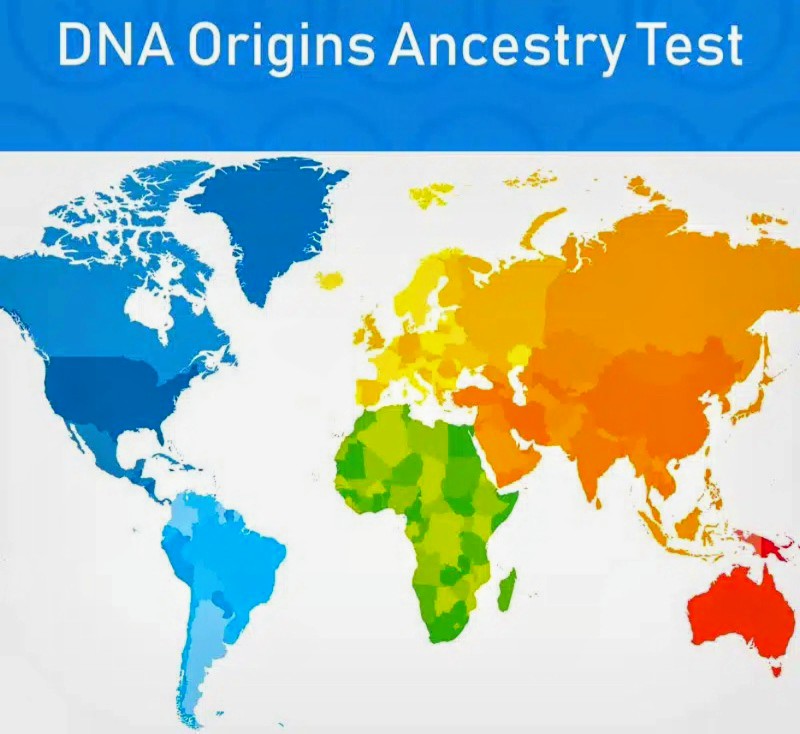
It wasn’t until 50 years later, when I had a DNA test and found out where my ancestors had come from, that I was able to match our family name with a common name from that country. It made me feel connected with the past, to know my family carried a name over 1,200 years old.
As I was composing the last blog, looking at the 10 times God ‘showed up’ for Abram / Abraham, I noticed the names God called Himself or that Abram/Abraham called Him. This woke my curiosity about the Names of God again, so I’ve put together these next blogs looking at the Names of God in the Old Testament.
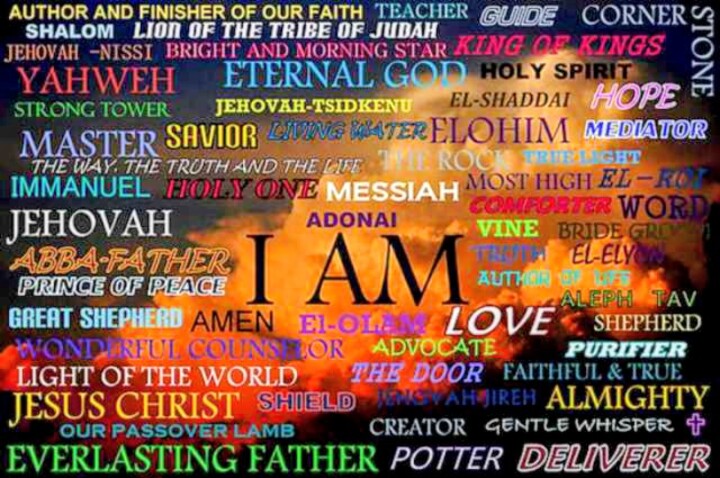
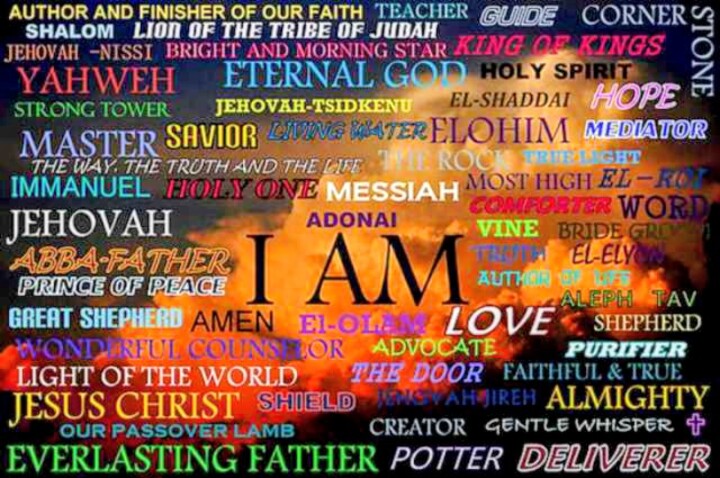
God revealed Himself to many people at many times, as recorded in the Bible, by several Names. He is also called by many other names by Biblical writers. Sometimes these are revealednames combined with an appropriate description, such as ‘The LORD God of Israel.” Sometimes Biblical writers personalize God’s Name like a metaphor, “God is my Rock, my Fortress.”
What difference does it matter what Name we call Him? Isn’t ‘God’ good enough?
The third of the Ten Commandments the LORD gave to Israel via Moses was:
If a commandment related to the Name God revealed to Moses, to use to refer to Him by (written as all caps ‘LORD,’ in English) is in the top three Commandments, it seems it must be important, right?
So, why IS the Name of God important? Well, we need to call Him SOMETHING, don’t we?
I came across an interesting article about the Names of God by a Jewish scholar. He stated that YHWH was NOT God’s name like ‘Moses’ name. Moses was given this name by his foster mother based on an event, i.e. ‘drawing’ him out of the water, and it was always used to identify and refer to him. On the other hand, there is no greater authority to say to God, ‘This is Your Name and You will always be referred to by it.’
Instead, God, being an infinite being, reveals a facet of Himself related to what He is doing with/for a particular person or group at a particular place and time. Some implications of these limited revelations of God are:
1. A revealed Name is not God’s only name.
2. God is not limited to act just within the confines of what a single name means.
3. We do not know, nor may ever know, all of God’s possible Names, as they are infinite, as He is infinite, and we, along with our language, are VERY finite.
There are many other implications, I’m sure, but to dispel a myth about Names:
4. Knowing a Name of God does not give us control of Him where we can force Him to do as we ask.
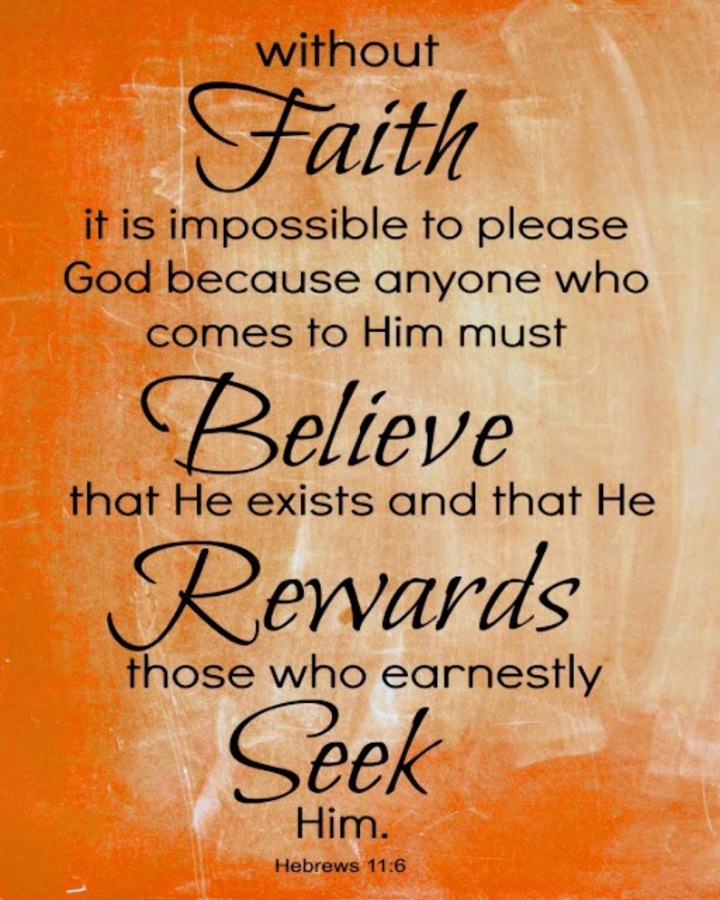
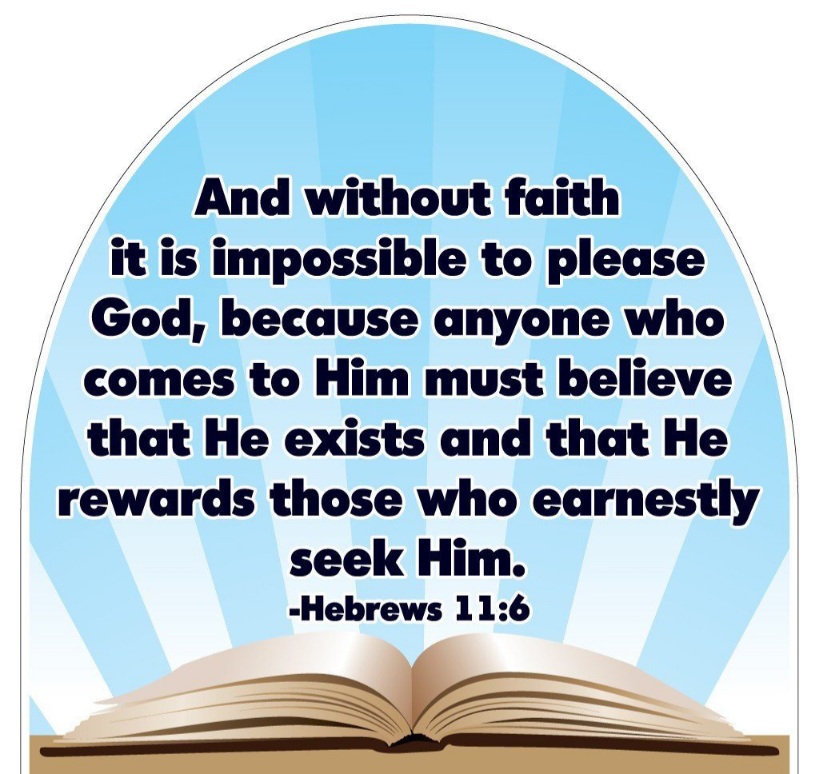
BUT there are implications for us in our prayers. The advantage of knowing the different Names of God is to focus our thoughts and faith when we meditate on a particular Name that matches up with our need. It gives us a greater freeling of connection to Him. And it’s not necessary to know God’s Names in Hebrew because the ‘word’ for the Name has no special power. As pointed out in Hebrews 11:6:
Meditation on the appropriate Name of God to match your need can help you bolster your faith in Who He is and that you can expect Him to reward your faith as you seek Him in prayer. THAT is the importance of praying God’s different Names.
How to Pray the Names of God:
1. Read a Bible passage lintked to the specific Name.
2. Reflect: Think about what that Name reveals about: • God’s nature, • His character and • His interaction with us.
3. Repeat: Speak the Name back to God in your requests. Use it to help align your heart, your mind and your soul with God’s revealed nature.
Let’s look at the seven major Names for God from Genesis, see what we can learn about God from them, and how we can use them to pray. I’ve set them up as separate blogs so you can use one each day as part of your daily devotions to become familiar with them.
Later, you might be drawn to a particular Name when you feel a particular need. To help you in the ‘Repeat’ section, I’ll start a prayer based on the meaning of the Name.
The seven Names of God from Genesis that are included:
1. Elohim = God The Creator. 2. El-Elyon = The Most High God. 3. El-Roi = The God Who Sees. 4. El-Shaddai = God Almighty. 5. Adonai = My Lord. 6. El-Olam = The Eternal God. 7. Jehovah Jireh = The LORD Will Provide.
The next blog I’ll look at the first Name of God in the Bible–Elohim–“The Gods.”
Up until now, I’ve been focusing on the dysfunctional effects of sin as it worked itself out in the lives of the people who God had chosen as the lineage for His promised Redeemer. As a result, I’ve essentially been ignoring how God is insuring things come out the way He plans for them to.
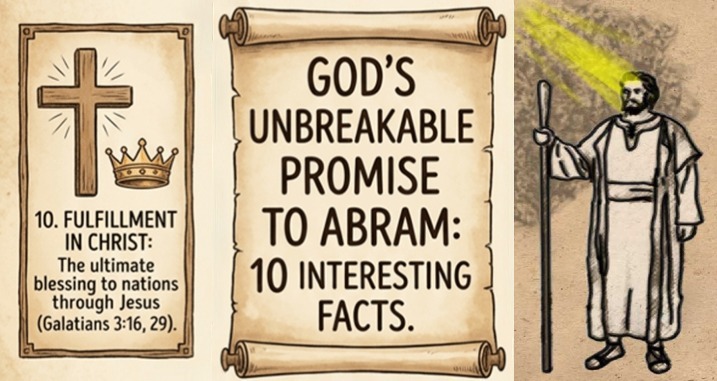
In this blog, let’s look at the 10 times God showed up in Abram/Abraham’s life, (or eleven if you count the last two around the sacrifice of Isaac as separate) since that was the most until Moses, and see what we can learn about WHEN GOD SHOWS UP!
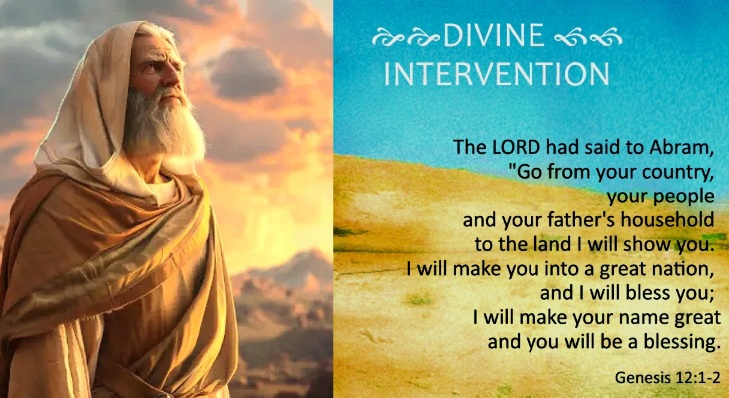
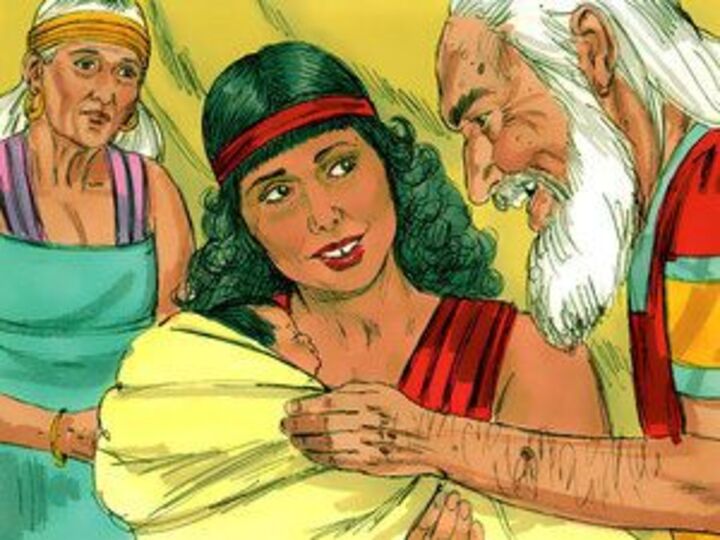
1. Genesis 12a: God called Abramto leave his homeland, his relatives, and his father’s house for a new land, promising to make him a great nation and bless him. Why did God choose this man? We don’t really know. But what we DO know is Abram obeyed and left his home with his wife Sarai and his nephew Lot.
God’s Seven Promises: 1. God would make Abram a great nation. 2. God would bless him. 3. God would make his name great. 4. Abram would be a blessing. 5. God would bless those who blessed Abram. 6 God would curse those who cursed Abram. 7. All families on Earth would be blessed through Abram.
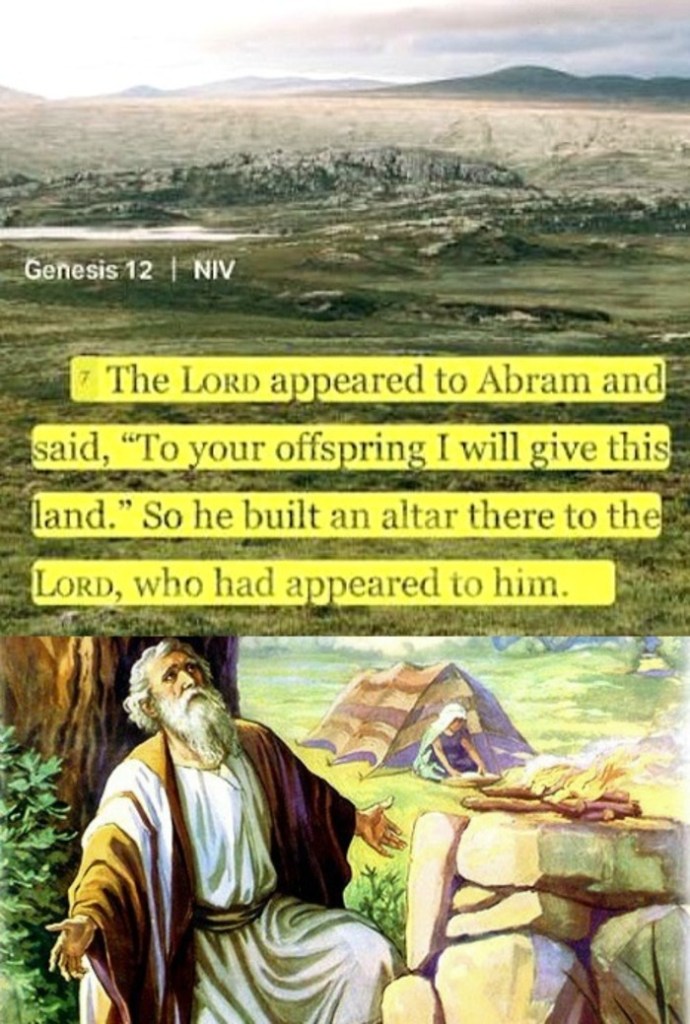
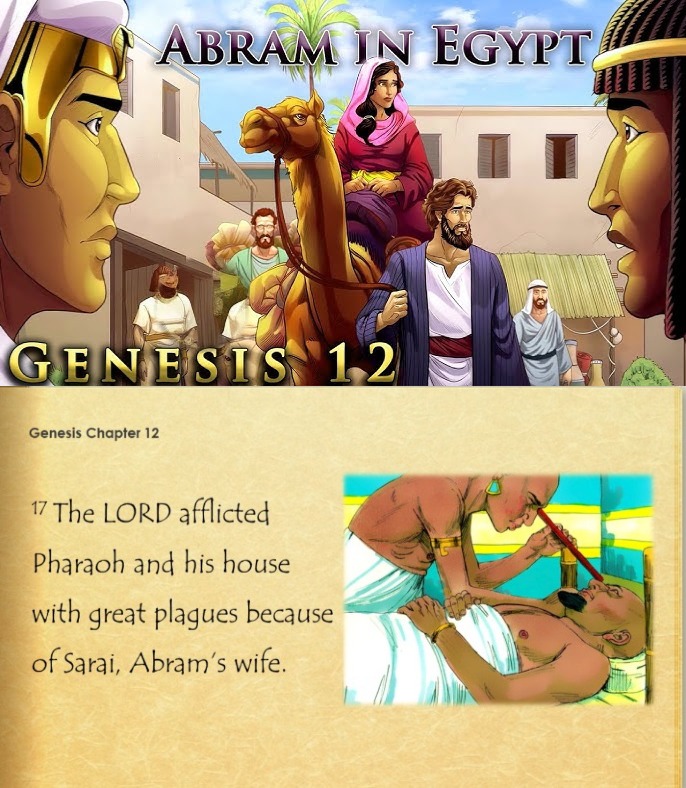
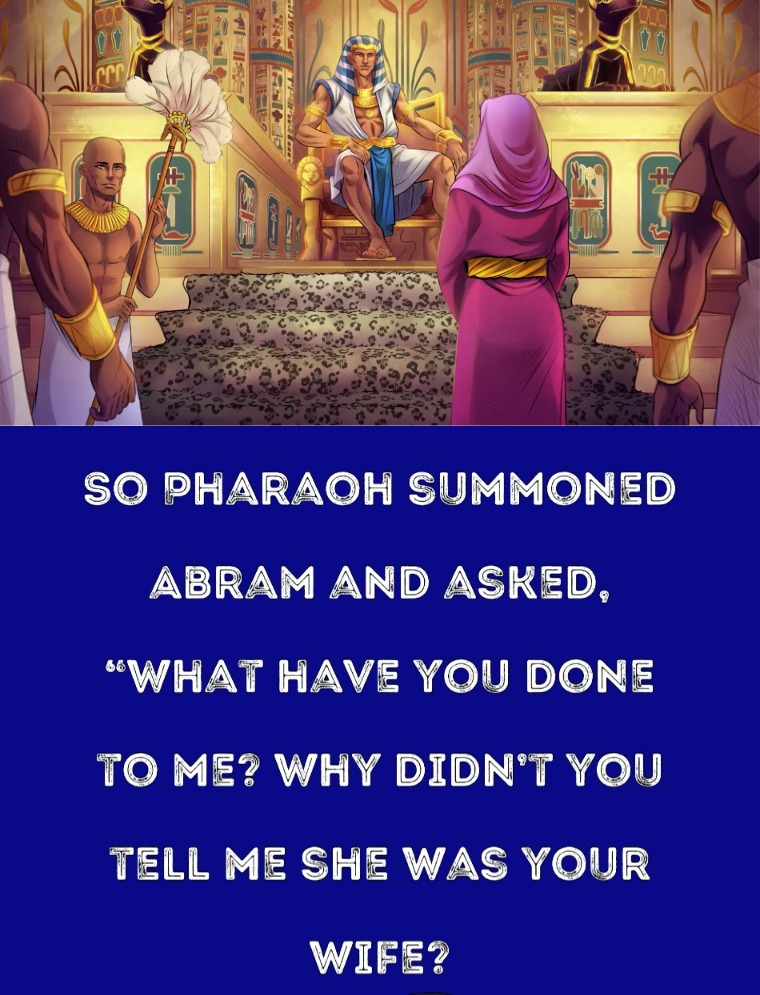
2. Genesis 12b, Abram calls upon the Name of the Lord.God appears once Abramarrives in Canaan to reiterate and expand on the promise of the land to Abram’s offspring. This is important to note in that obedience results in further revelation of God’s plan/promises. Abram responded with worship and built altars for regular sacrifice and prayers to God in the two places where he regularly stayed–at the great tree of Moreh at Shechem and in the hills east of Bethel.3. Genesis 12c, God preserves the sanctity of Abram and Sarai’s marriage. Abram went to Egypt because of a famine and told people that his wife, Sarai, was his sister. Because of her great beauty, Pharaoh took Sarai into his palace for a concubine, but God sent severe plagues on Pharaoh and his household while she was being prepared for the wedding ceremony.The plagues led to Pharaoh realizing the truth about the couple. He confronted Abram and sent them away with recompense for his unintended sin against God’s chosen.
NOTE that God acted unilaterally without Abram praying to Him. For whatever reason, GOD had chosen Abram and Sarai specifically, but they weren’t quite ready yet for the promised son. GOD acted when part of His plan was threatened by their fumbling, bumbling actions. I can’t help but think God is also teaching Abram and Sarai about Himself, and how to have a faith relationship with Him.
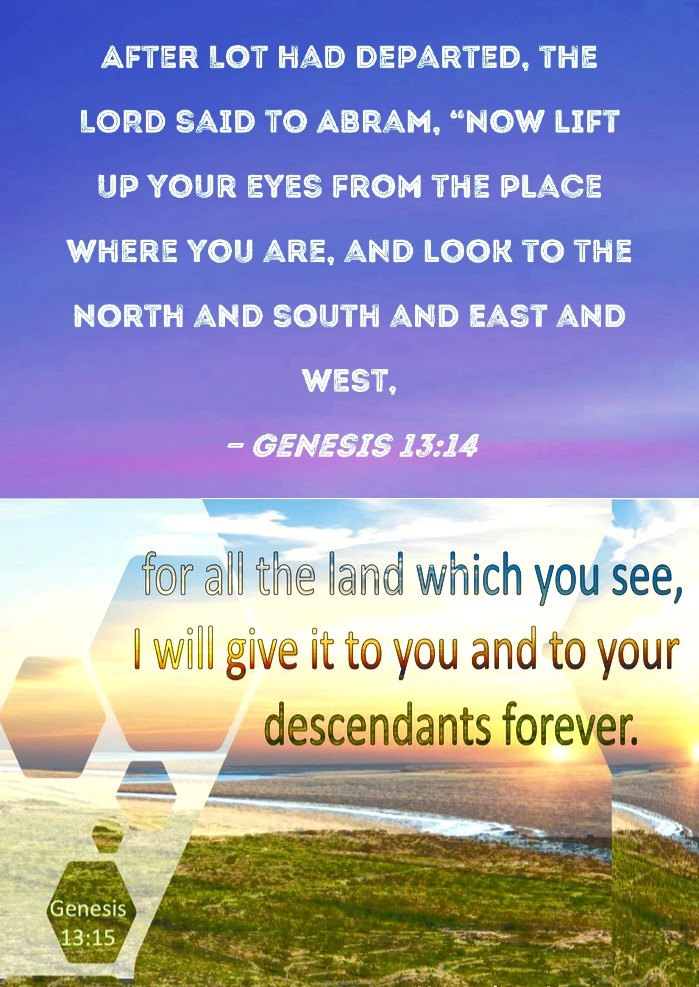
4. Genesis 13: God reaffirms His covenant promises. After increasing friction between the two growing households, Abram and his nephew Lot split the free range grazing for their flocks. Abram gives Lot his choice and Lot chooses the rich plains, leaving Abram with the hill country. After Lot departed, God appears and tells Abram to stand on the highest point and look around. God further refines His promise about Abram’s descendents inheriting everything as far as the eye can see.
I see this appearance partially to reassure Abram as he was probably very hurt and discouraged about what had happened with his nephew. GOD KNOWS, and GOD CARES!
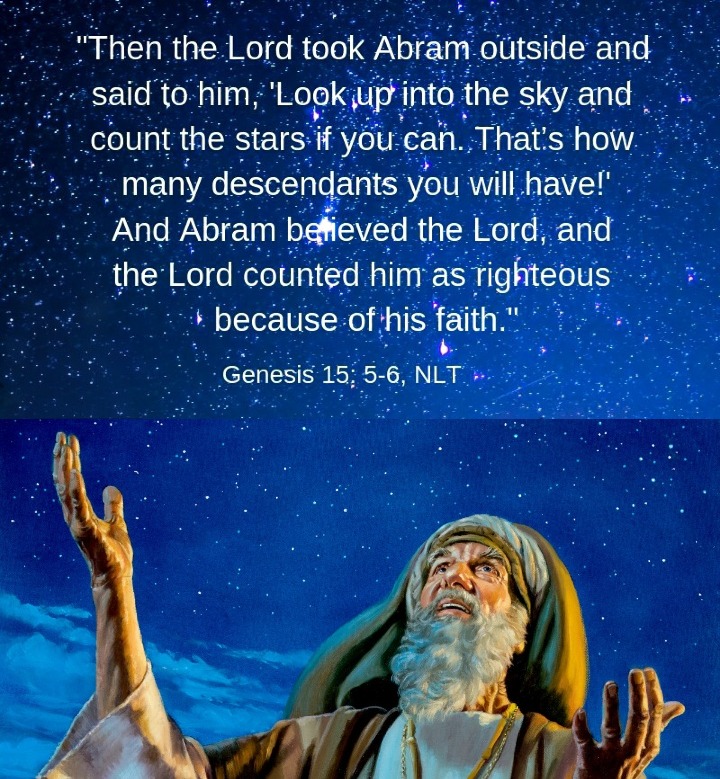
5. Genesis 15a:Victory in Battle. Abram hears about his nephew and others being kidnapped for slaves and their homes and city plundered. After winning a pursuit battle with the marauding city kings, God appears to Abram who is concerned that he is getting too old and still has no children, so he tells God that his servant, Eliezer of Damascus, is set to be his heir.God tells Abram that Eliezer will not be his heir. Instead, a son from Abram’s own body will inherit everything. God tells Abram to look at the sky. God says his descendents will grow to match the number of the stars. Abram believes God, and God accepts his faith as righteousness–right standing with God.
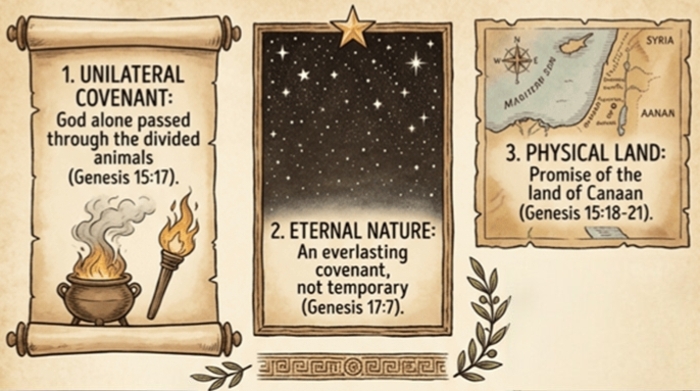
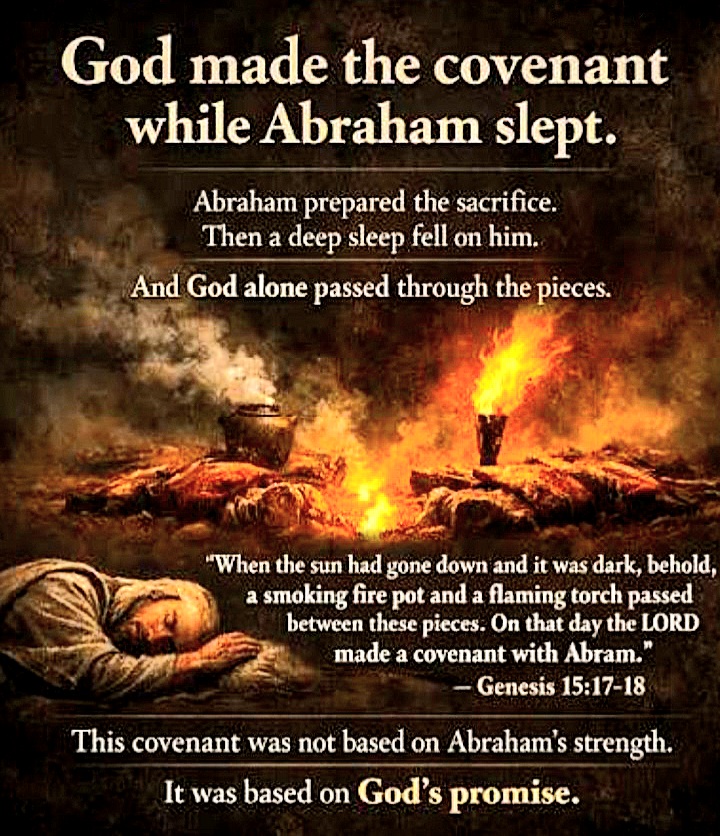
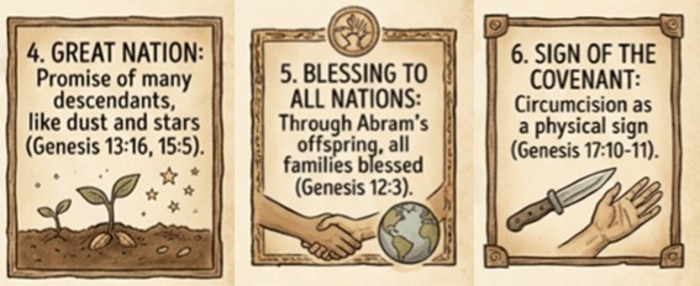
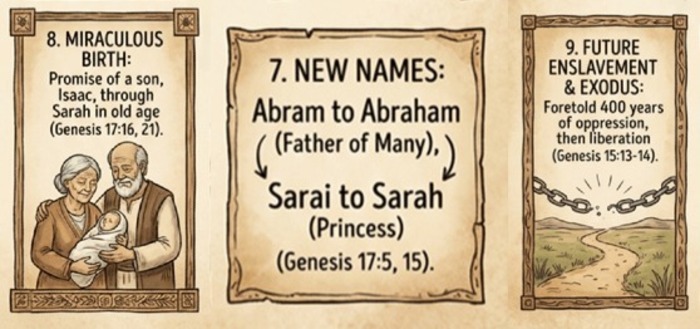
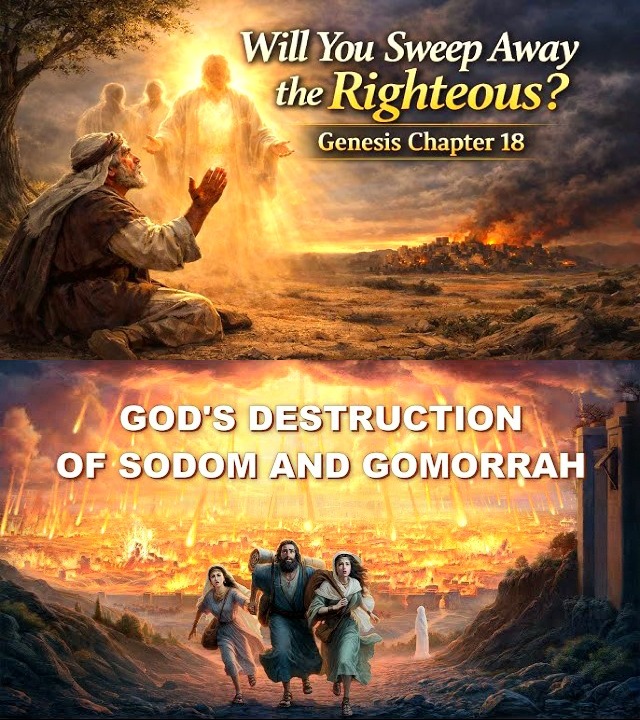
6. Genesis 15b, God makes a formal covenant with Abram. Godappeared and had Abram set up a formal covenant ceremony with a split row of sacrificed and halved animals. In the evening, after Abram had fallen asleep from keeping the scavenging birds away from the dead animals all day long, God passed between the pieces of the sacrificed animals as a way to ratify their covenant UNILATERALLY.7. Genesis 17: God institutes a covenantal sign and changes names. God appeared and revealed Himself as “God Almighty” (El Shaddai). He changes Abram’s name from to Abraham and institutes male circumcision as a sign of the covenant with God. God also changed Sarai’s name to Sarah.8. Genesis 18: Visitation and Destruction. (and with chapter 19, God shows up three times): Abraham and Sarah were visited by three men that Abraham recognized as messengers of God. They prophesied that Sarah would have the promised child in one year. When Sarah laughed at the idea, (1) theLord appeared and confirmed the promise.
As the messengers prepared to continue their journey, the (2) Lord decided to reveal to Abraham the impending judgment of destruction on Sodom and Gomorrah. Abraham bargained with God, finally getting Him to agree that the cities would not be destroyed if 10 righteous men could be found in them. Ten were not found, so the next day, before God rained down destruction,(3) He had the three angels rescue Abraham’s nephew, Lot, his wife and their two daughters.
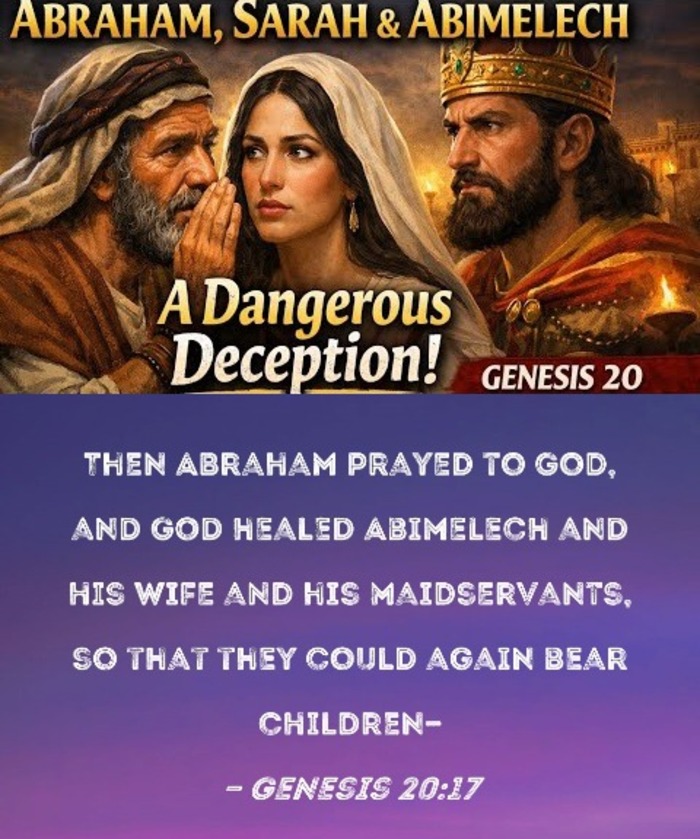
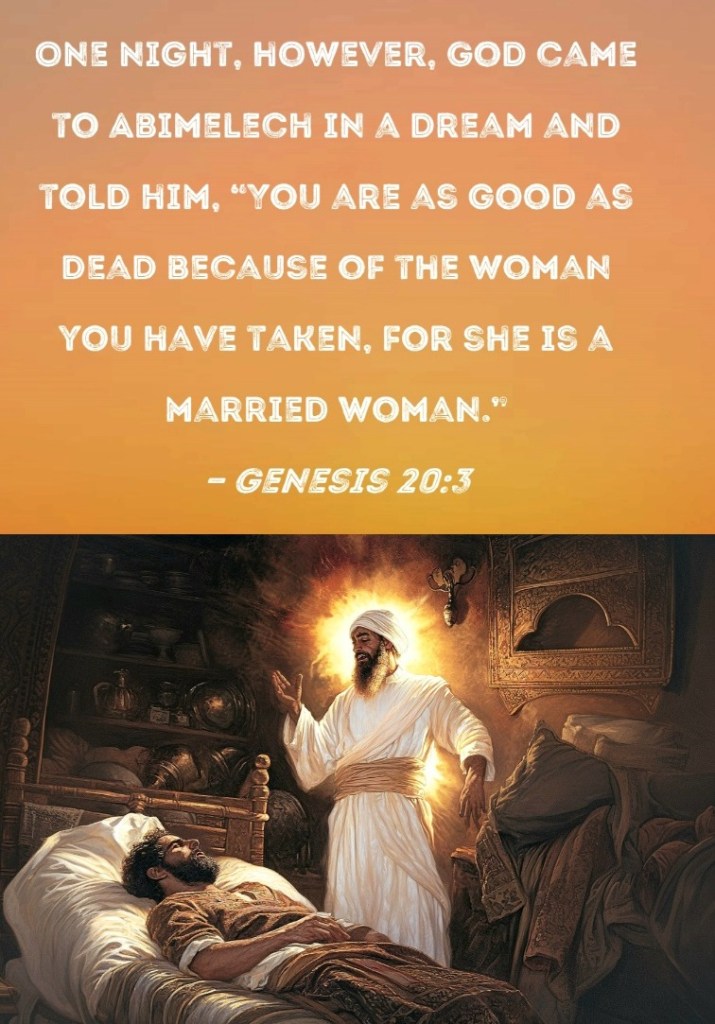
9. Genesis 20 (three times): When Abraham moved to the city of Gerar, he told King Abimelech that his wife, Sarah, was his sister out of fear that men would kill him to take her. Believing her to be single, Abimelech sent for Sarah and brought her into his household to be a concubine.(1) God came to Abimelech in a dream at night, warning him that he was a dead man because Sarah was a married woman. Abimelech pleaded his innocence to God, stating he acted with a clean heart, and (2) God confirmed He had supernaturally kept the king from touching Sarah. God ordered Abimelech to return Sarah and told him that Abraham was a prophet who would pray for him.
Abimelech rebuked Abraham for the dangerous deception, and Abraham explained it was a half-truth born of his fear. Abimelech returned Sarah to Abraham, and gave him sheep, oxen, and servants as recompense, and then offered him choice land to live in, as long as it was somewhere else! Abimelech also gave Sarah 1,000 pieces of silver as a sign of her vindication. Abraham then prayed for Abimelech, and (3) God healed the king and his household.
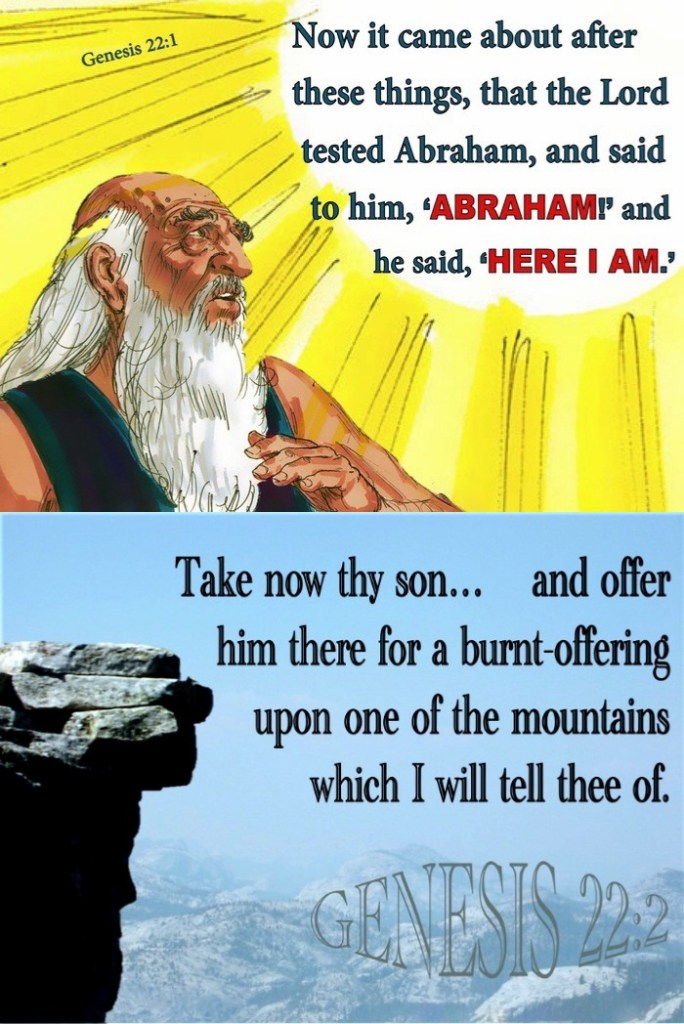
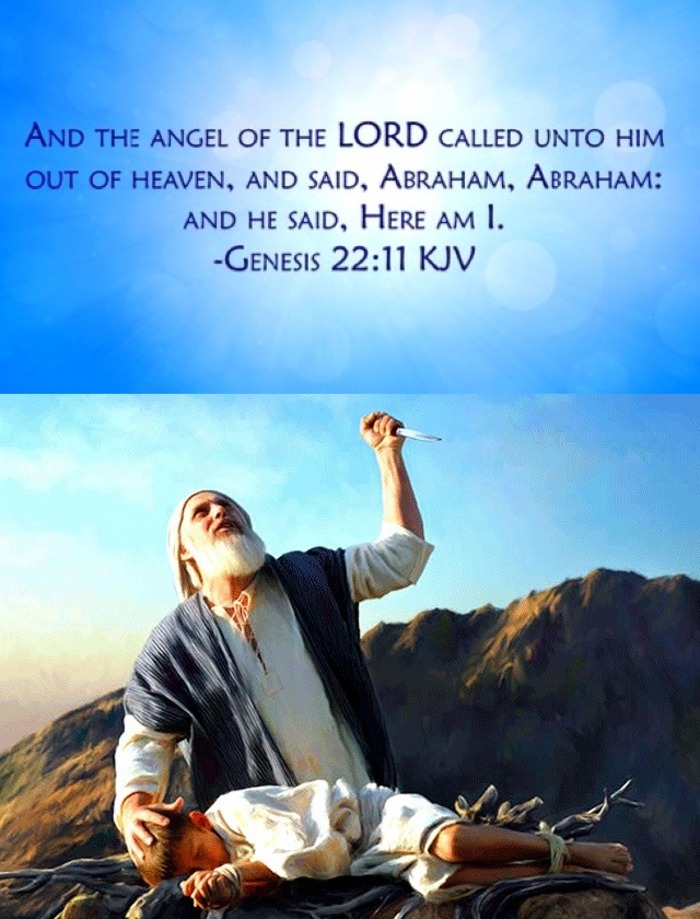
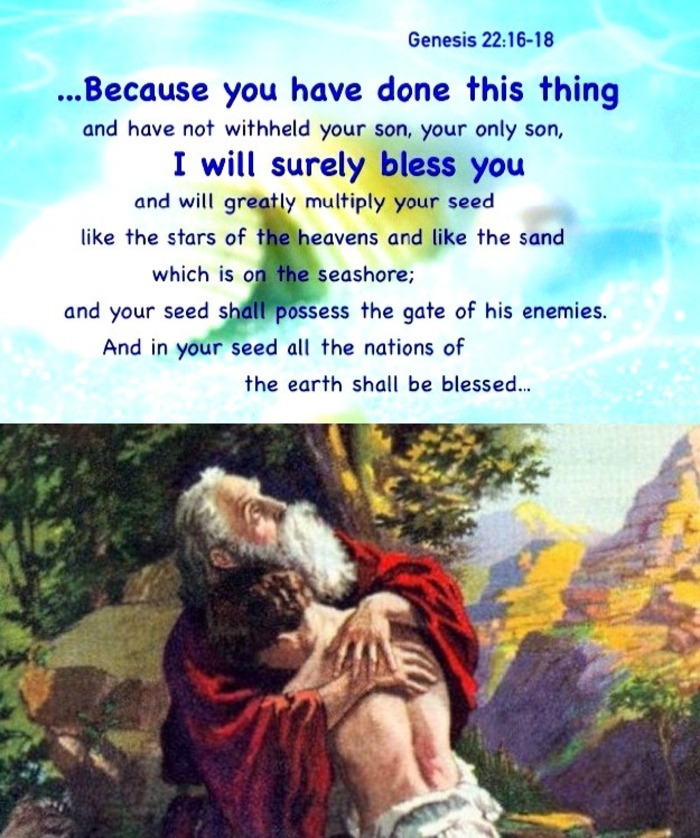
10a. Genesis 22: The Sacrifice. (three times): (1) God called upon Abraham to sacrifice Isaac on a mountain as a test of Abraham’s trust and faith in Him. This was the first time ‘testing’ is mentioned in the Bible.10b. Just a Abraham is about to plunge the knife into his son’s chest, an (2) angel (messenger) from God stops him.10c. (3) God appears and explains it was a test of Abraham’s commitment to God versus his love for the son of promise. God commends Abraham’s faith and faithfulness and reiterates the promises for his descendents.
For a more in depth treatment, see the following story blogs:
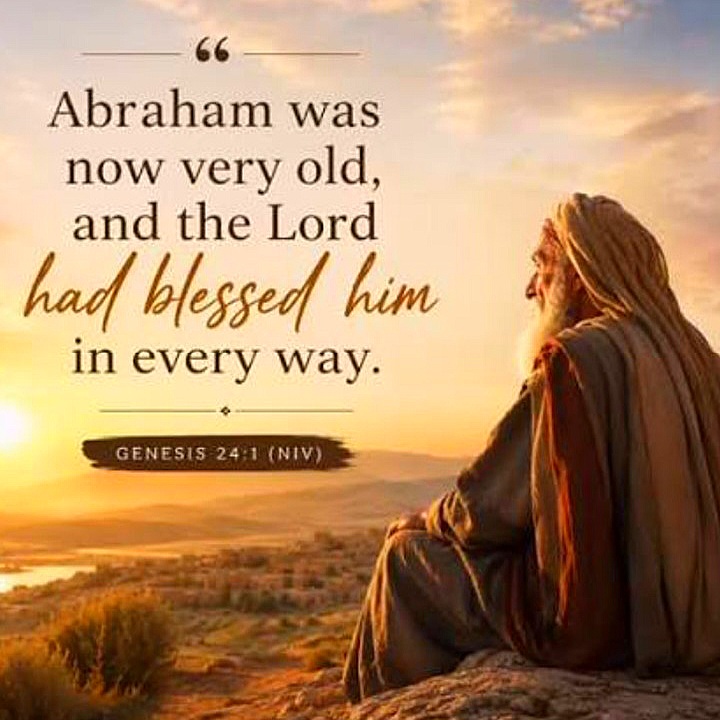
CONCLUSION: This is how the story of God and Abraham ends as it segues to Isaac, “God HAD BLESSED ABRAHAM in every way.”
The next blog:
In Genesis 12:2-3, God tells Abram,
• “I will make you into a great nation, and I will bless you; • I will make your name great, and you will be a blessing. • I will bless those who bless you, and • whoever curses you I will curse; and • all peoples on earth will be blessed through you.”
Note the repetition of the word ‘bless,’ (four statements) offset by it’s opposite ‘curse’ (one statement). In the ten times when ‘God showed up’ in Abram/Abraham’s life, what were the ‘blessings’ he or others received from God, and what were the ‘curses’?
If this is an accurate ratio, then there should be a ratio of 4 to 1 out of 5 instances. In my next blog, I’m going to run through the ten events again when God showed up with an eye on ‘blessings’ and ‘cursings.’
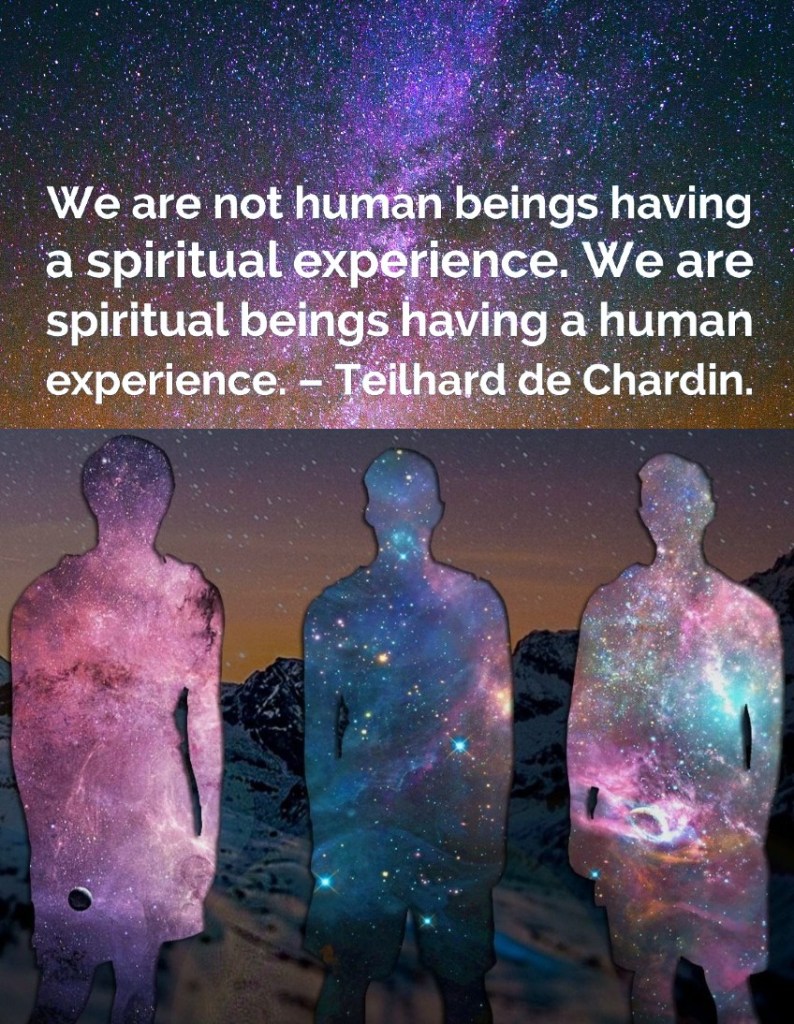
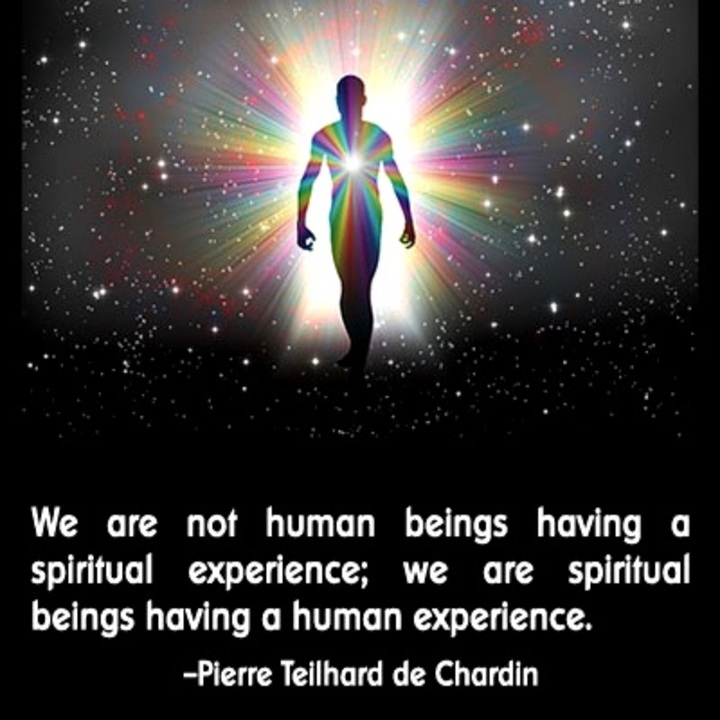
A quote from our recent sermon by Pastor Brian ending the Philippians series fascinated me:
So I decided to look more deeply into it…
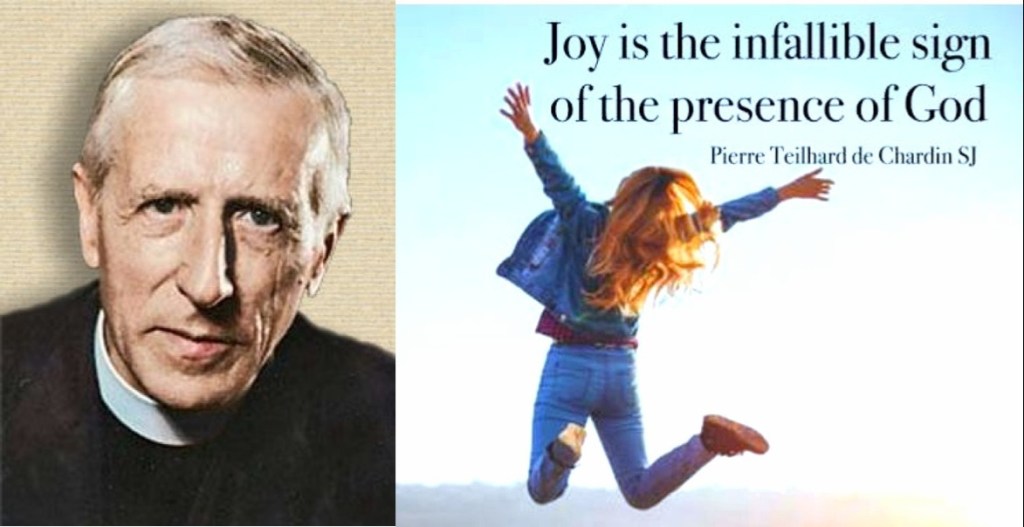
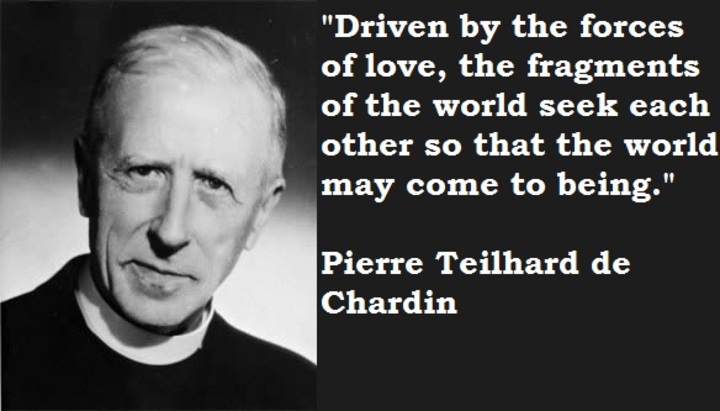
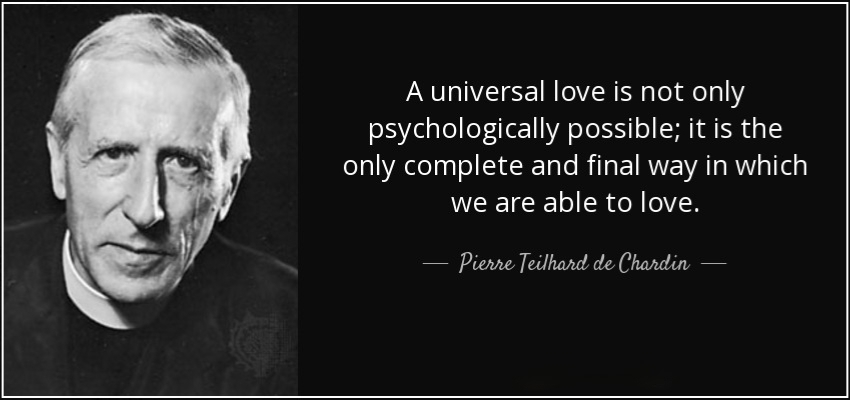
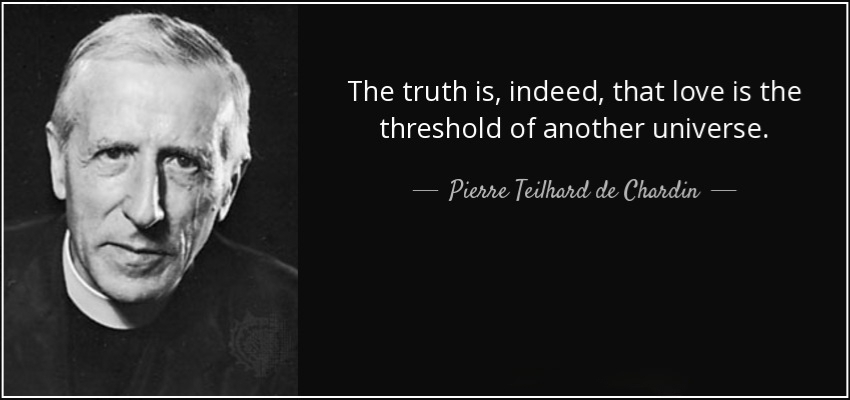
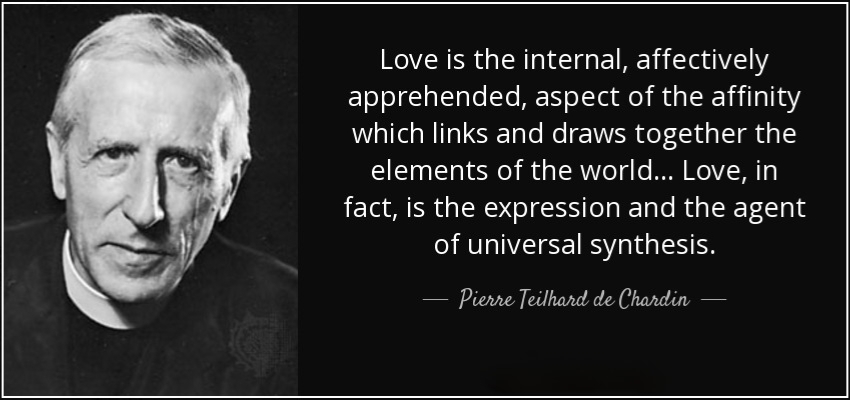
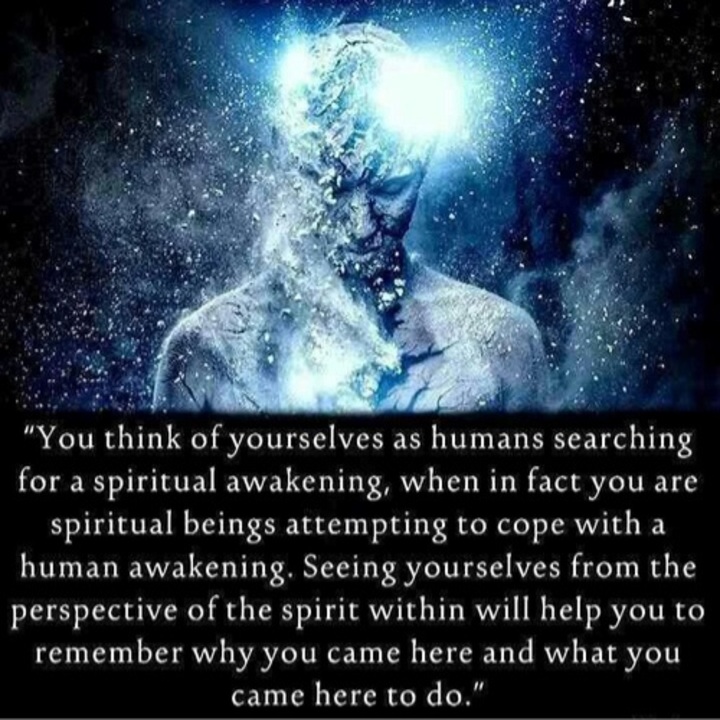
Pierre Teilhard de Chardin (1881 to 1955) was a French Jesuit priest, a scientist and a philosopher who tried to combine Christian faith with the scientific theory of evolution. He taught that the universe and humanity are growing closer together in mind and spirit toward a final goal in Christ, which he called the “Omega Point.”
Teilhard believed and taught that our spiritual essence transcends the physical body; that we are souls temporarily housed in human form. He viewed our life lived on Earth as an opportunity to grow spiritually, not merely a trial of suffering to be survived, as the more ascetic Catholics believe.
Teilhard’s “spiritual versus human” statement means that our eternal soul should be considered the primary part of our being, and that our physical body is just a temporary housing for it. This flips the view from evolution that we are just physical animals who occasionally feel a spiritual, religious urge.
As a caution in accepting Teilhard’s teachings, the Catholic church considered his viewpoints so erroneous and highly controversial that they would not allow his works to be published until after he died. On the other side, the scientific community often considered his ‘scientific’ speculations to be mostly ‘pseudoscience’.
Despite the controversy of Teilhard’s popular Christian philosophy during his lifetime, his thoughts continue to have an influence on Christiandom through his published works. The following quote, often attributed to theologian Hans Urs von Balthasar, but also to dancer/actress Eleanor Powell, can be thought of as having been derived from Teilhard’s ideas:
Teilhard was an innovative thinker, but for the Christian, his ideas should be carefully compared to the teachings of the Bible before being accepted as possibly true or even being relevant.
📋 In summary, Teilhard’s concept of humanness versus spirituality encompasses these ideas:
1. We are not our limitations: Our personality, our physical body, and the memories of our experiences–both good and bad–are just temporary vehicles for our soul.
2. Life is a classroom: The struggles and joys of life, the everyday encounters and experiences, are opportunities for our soul to grow spiritually in expressing love, being joyful, and practicing compassion.
3. Life Purpose: Shifting our perspective from material achievements and pleasure seeking, to spiritual development and seeking to love, even in the midst of trying circumstances, brings a deeper sense of peace, meaningfulness and a feeling of oneness with God.
As one can see, there are many overlaps between what Teilhard said and how it was interpreted with what the Bible teaches.
🍎 APPLICATION Original thinkers like Teilhard can cause us to see and think about Biblical truths in a new way, but let’s be very, very careful that they don’t lead us away from the clear teachings of Scripture. As the Bible says over and over again:
Jesus warned His disciples, as recorded in both Mark and Matthew, to not be deceived by others claiming to be the Second Coming of Jesus Christ, and then He provided clear signs that would tell when the end of this age will be imminent.
The apostle Paul also warns believers in his letters to various churches to not be tricked, but to watch out for false ideas about the end times, following along with what Jesus taught, but also to not be deceived by empty words, by sin, and by worldly foolishness.
The Apostle John continued the tradition of warning those believers under his spiritual care to not be deceived by false claims from false Christs.
In addition to rejecting deceptive messages and teaching, Paul also advised the two pastors he had trained, Titus and Timothy, to avoid getting involved in controversial topics that would cause arguments instead of promoting Christian unity.
Enough said❓️
‼️ CONCLUSION:
According to the Scriptures, is Teilhard correct that we are primarily spiritual beings instead of physical beings? Well…, maybe.
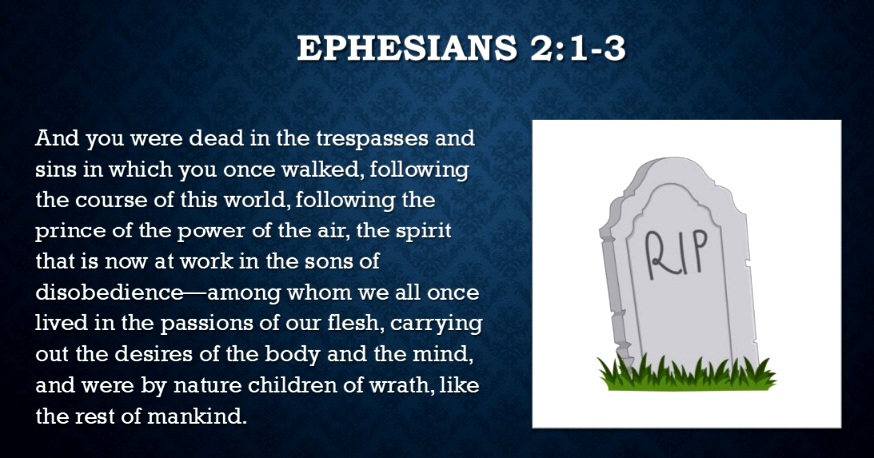
In the beginning, we ARE primarily physical human beings because our spirits are completely dead as the result of sin.
However, when we are redeemed by God through Jesus Christ…
Once our redemption happens, our dead spiritual self comes to life–is born. The rest of our life then becomes a transition from being only a physical creature, to becoming a spiritual creature. Eventually, if we stay at it long enough, we become that “spiritual being who is having a human experience.”
🤓 COMMENTARY: My take on Teilhard’s quotes? I find them incomprehensible to the point of being inane. I wonder if there is something lost in the translation from the French? To me they seem to be the pseudointellectual meanderings of a deceived man caught up in his own private fantasy. It’s Iike he’s trying to pass off as philosophy whatever his deluded mind imagines might be true or hopes might be true. To me, he’s just putting together a bunch of nice-sounding words like ‘love’ and ‘joy’ and suddenly it sounds like what he says is important and meaningful? I think his popularity just shows how desperate people ARE for love and joy in their lives, so they latch onto anything or anyone that might seem to give it to them. But he is hailed and famous, whereas I am neither. So, what do I know? 🤷♂️
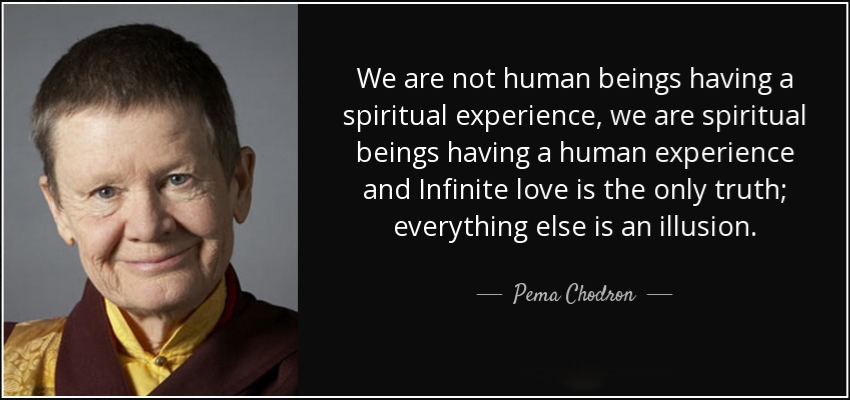
👀 P.S. The most interesting thing I found out about this quote was TEILHARD NEVER SAID NOR WROTE IT!
Pema Chödrön is an American-born Tibetan Buddhist nun, best-selling author, and prominent spiritual teacher known for her practical teachings on peace, uncertainty, and compassion.
The quote was attributed to Teilhard later by those studying his teachings who took his ideas into the realm of humanistic mysticism. That was always the greatest weakness of Teilhard–the lack of God in what he said. Lacking a clear connection to ‘God the center’ left Teilhard’s philosophy open to application apart from the God of Christianity.
The ideas for the quote originated with Teilhard, true, but it was actually developed and stated by his ‘disciples.’ Besides, it always sounds more impressive to attributed a saying to a famous and prestigious person, doesn’t it?
This is a similar saying from Neale Donald Walsch, another one of Teilhard’s ‘disciples.’ He is an American author and humanistic spiritual speaker best known for his Conversations with God book series, published in 1995, detailing his personal, transcribed dialogues with a ‘higher power’ exploring themes of love, peace, and spiritual interconnectedness.
🦊 Moral of the story? You can’t believe everything you read, ESPECIALLY on the Internet, so BE CAREFUL! ⚠️
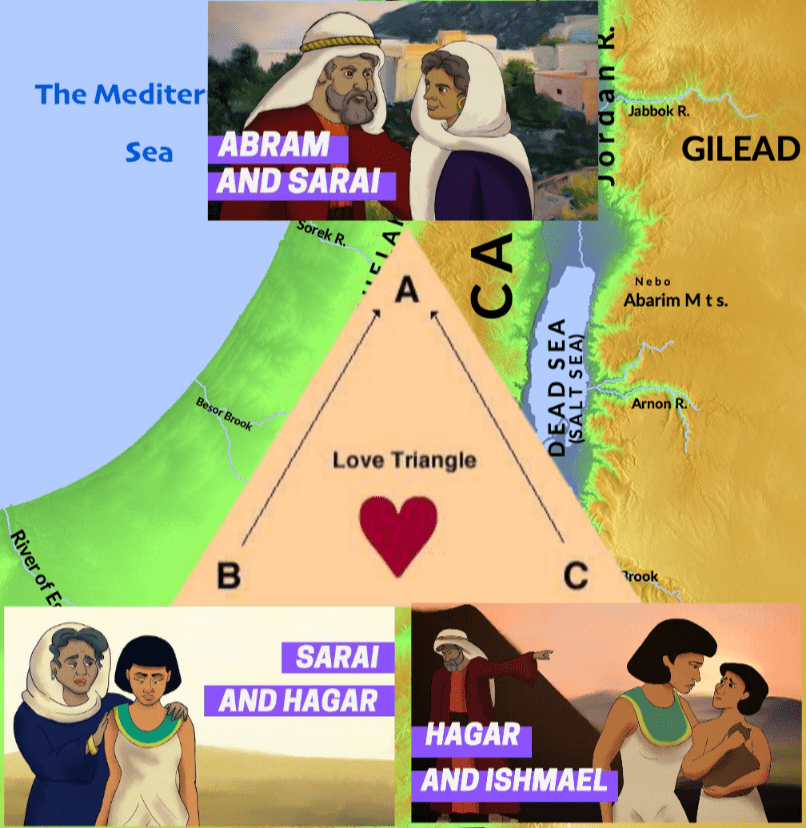
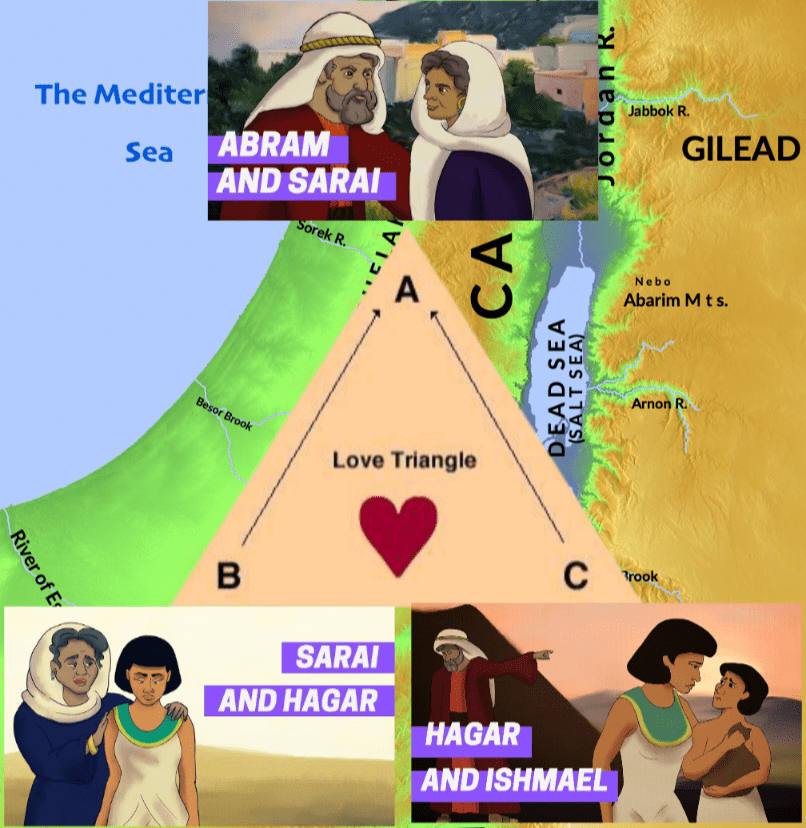
There are many examples of dysfunction as we move from one origin story to another in Genesis. But since the focus of this series is going to be on the story of Joseph, I’m going to jump ahead to his great-grandfather, Abraham and look at the story of Abram, Sarai, Hagar and Ishmael.
THE STORY:
1. Abraham, Sarah and their Maid, Hagar.
A. God had promised Abram and Sarai a special son. They were an old couple and Sarai was barren. This was the first dysfunction, a physical affect of sin, the ‘death’ of Sarai’s child-bearing abilityB. When nothing still happened, Sarai proposed that her husband Abram have a child with her Egyptian maid, Hagar, and that they would conform to the Egyptian custom of Sarai holding Hagar as she gives birth, thus considering the child as having come from her.
This was dysfunction number 2. First, a lack of faith on Sarai’s part–she had given up hope and thought SHE was the problem, but that her husband–10 years older–could still engender a child.
The second part of the dysfunction was a cultural one–following a pagan custom from other, ungodly people rather than trusting and obeying God. God’s ways are perfect, even if difficult to wait for. Man’s ways are dysfunctional and always result in creating more problems than they solve.
C. As is inevitable when following a sinful path, Sarai’s hope for a son through her maid turned to hate when and she actually became pregnant and she might even have been filled with self-loathing at having this proof that SHE WAS the problem. As a result, she mistreated her maid instead of cherishing and nurturing her. This was the third dysfunction–-a psychological one.
D. God intervened and appeared to Hagar, calling her back from her precipitous flight away from Sarai’s persecution and encouraging her to return to Abram’s household. This was God acting as ‘anti-entropy,’ putting things back to the right.
E. Hagar safely had the baby and they named him Ishmael. Abraham was overjoyed to finally have a child, especially a son. However, Sarah was never happy about Hagar and Ishmael receiving her husband’s loving attentions. Jealousy, another psychological dysfunction caused by sin, had long ago mastered Sarai’s heart.F. FINALLY Isaac, the promised child, was born. The older brother picked on him as they were growing up together (another psychological dysfunction of sin, not much different than Sarai’s persecution of Hagar). This constant threat from the maid’s son crystallized Sarai’s, now named Sarah, jealousy into action.
E. Sarah demanded of Abraham that Hagar and Ishmael be exiled. This was the result of the dysfunction of jealousy where we make people choose between two things or people that they love. “It’s either me or them!”
F. Abraham acquiesced to Sarah’s demands, gave Hagar some basic supplies, and expelled her from the family and the camp. This was the fourth dysfunction, a social one, with a family being broken up instead of coming together.
📋 SUMMARY Children learn what they live. So, to summarize, these are some of the dysfunctions that Isaac grew up with, which would have set his functional moral compass.🧭
1. It’s not okay to not have children. If you can’t have them with your wife, it’s okay to have them with someone else.
2. It’s okay to mistreate and persecute those who are less powerful or less privileged than you are.
3. Passivity instead of leadership. It’s okay not to intervene in family problems, but take a ‘let them settle it between themselves’ approach. Then when the wife makes a demand, the husband acquiesces with a “Yes, dear.” This is not Christian leadership as God intends and as the Bible teaches.
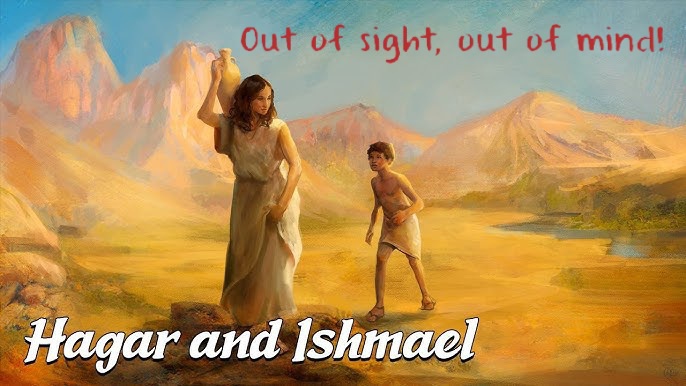
4. If you can’t stand someone for whatever reason and you are in the more powerful position, it’s okay to exile them, kick them out, send them away from the family, to let them take their chances on their own in the unfriendly world, maybe secretly hoping that they will die and no longer be a problem? Just so long as they’re “out of sight, out of mind.”
God actually instituted the practice of exile instead of execution, not because it was a good thing to do, but because it was the best option available in a Fallen, sinful world when dealing with Fallen, sinful people.
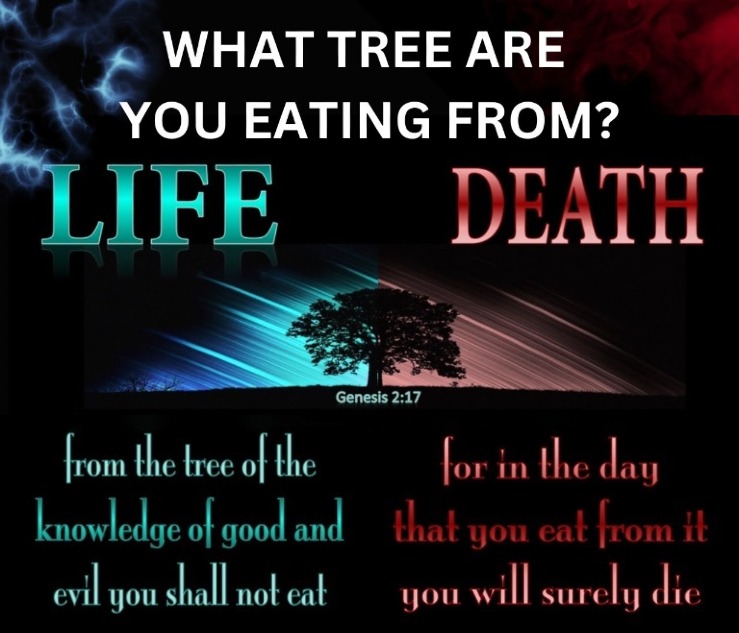
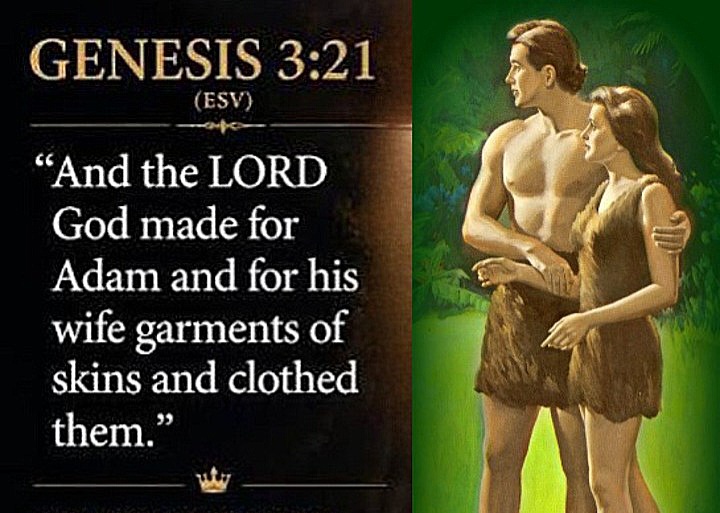
Note that even though God said that the day they ate of the fruit from the tree of knowledge of Good and Evil they would die, He didn’t execute them. The first death was the animals killed by God to use their skins as coverings for Adam and Eve’s sin and shame. This was the first substitutionary death.
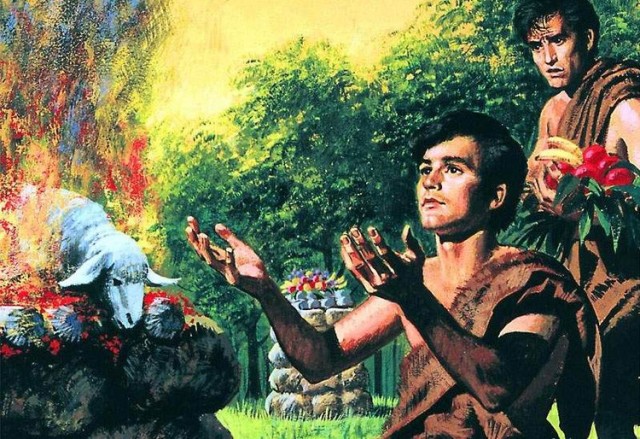
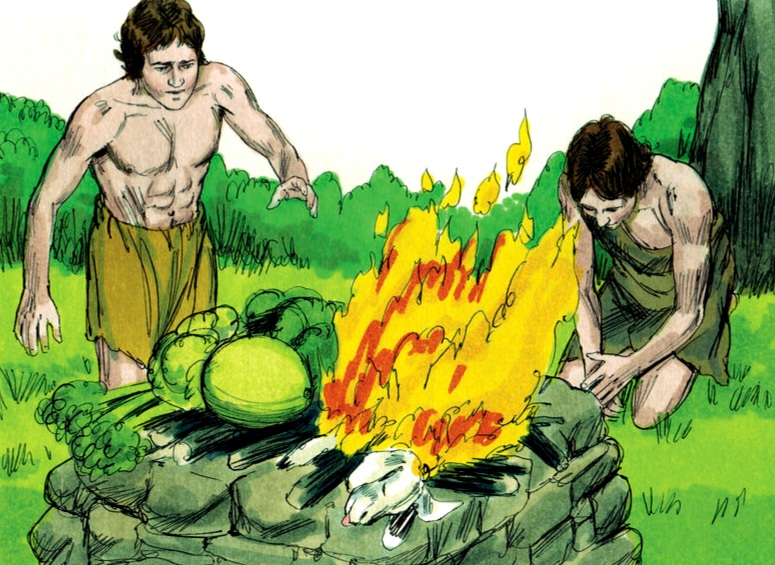
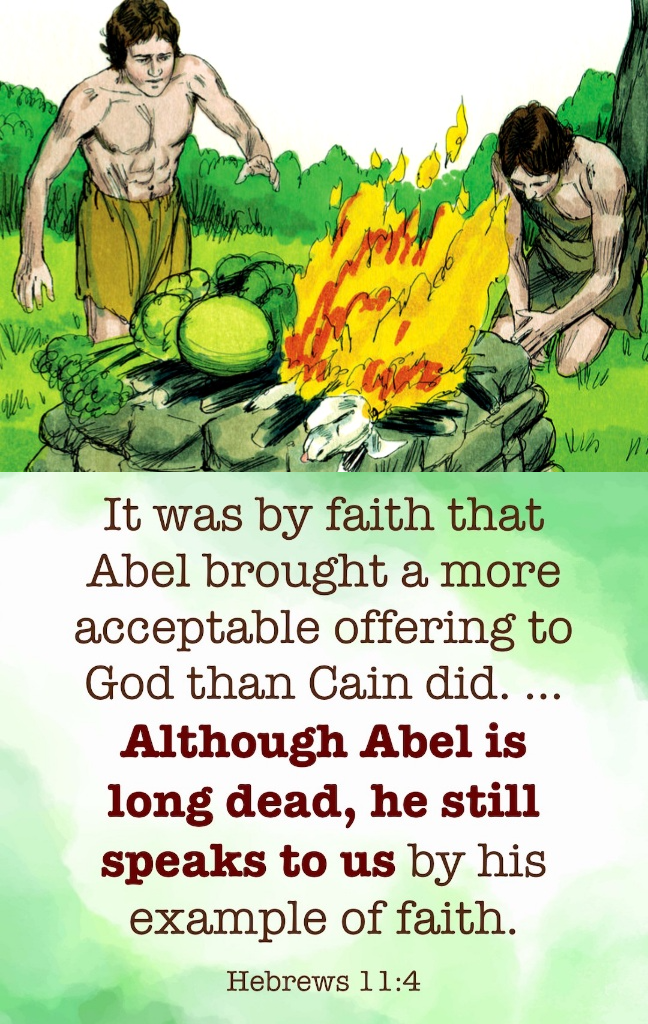
Abel mimicked God’s act of substitutionary sacrifice when he offered a lamb to God. God accepted it as a substitution for him and his sin, and killed and consumed it as an indication of His acceptance.
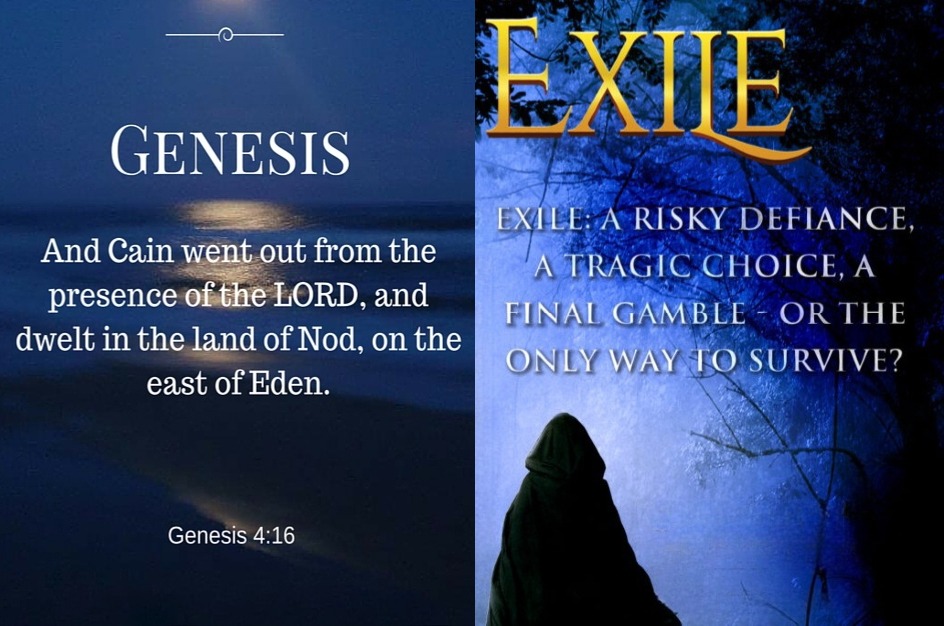
The first death of a person wasn’t until Cain killed his brother Abel out of jealousy.
Instead of immediate death, God exiled Adam and Eve from the easy living in the blessed garden. They did eventually die, which leaves us with the question, might they still have died before sinning? Or could it have been that they would have been allowed to eat the fruit of the Tree of Eternal Life when senescence approached?
Of course, we’ll never know, BUT WE who believe through Jesus Christ WILL eat from the ‘Tree of Eternal Life,’ and thus live forever.
🍎 APPLICATION
What moral values did you grow up with that have unknowingly set your 🧭 moral compass differently than how God intends?
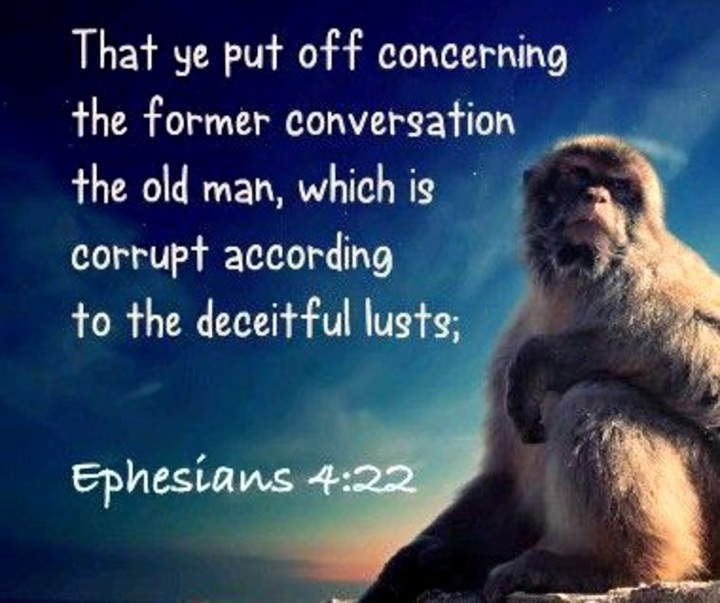
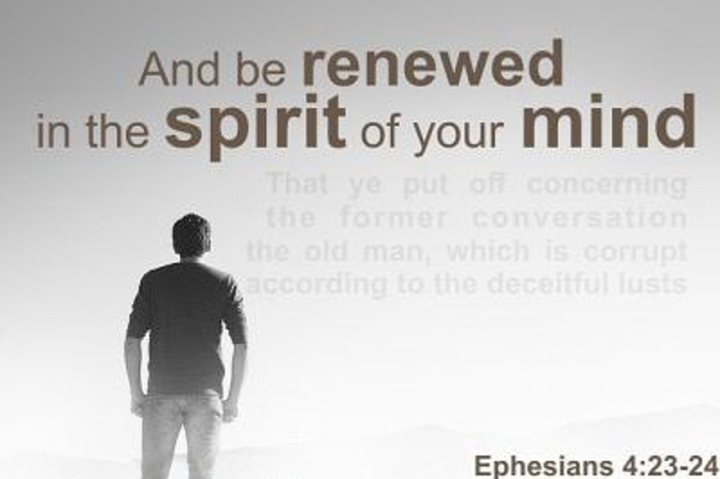
I think that’s why there is such an emphasis in the New Testament on the death of the old person and ‘rebirth’ as a new person 👶. For example:
Jesus told Nicodemus that a person must be reborn if they want to be a part of the Kingdom of God that Jesus was bringing. That didn’t make ANY sense to the old Jewish teacher and leader.Jesus compares His followers to seeds that have to be buried in the ground and die before they can sprout and produce any spiritual fruit. This statement left His disciples equally confused.In his first letter to the Corinthian church, Paul uses the language of rebirth to describe how the old passes away and new things come to replace them.
In his first letter to the Corinthian church, Paul uses the language of rebirth to describe how the old passes away and new things come to replace them.
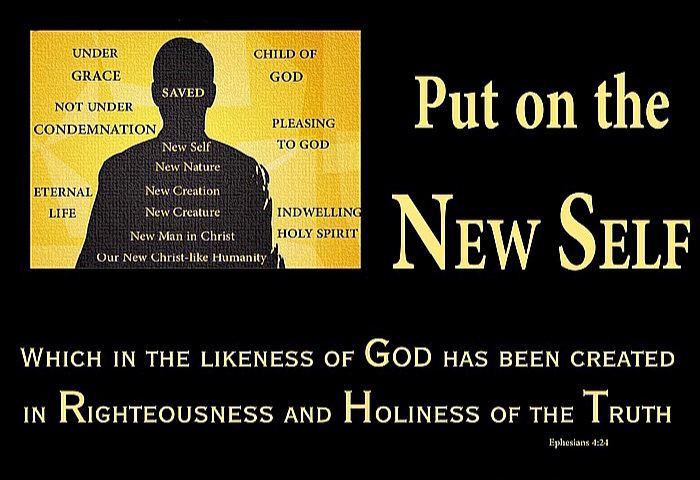
1. First of all, that WE have a responsibility to ‘put off,’ or ‘lay aside,’ our old sinful person…2. That this ‘putting off’ of the old sinful man will then put us in a position for God, through the Holy Spirit, to make us new again = a rebirth.3. …and then it’s back in our court to ‘put on’ this new person God has created for us to be.
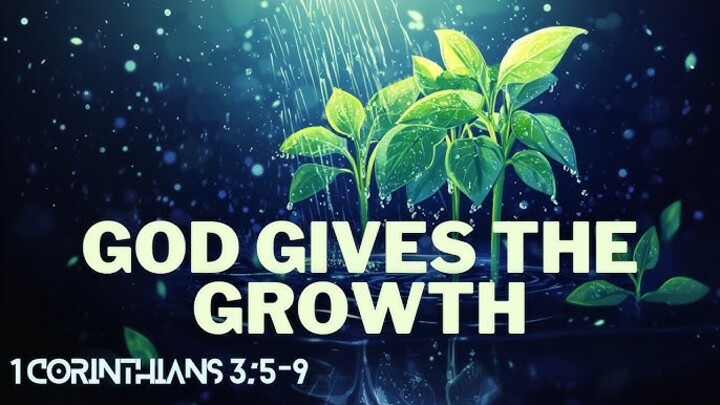
In essence, Christian growth is a shared responsibility–God makes change possible, we would never be able to do it on our own–and then we have to obey in faith, make an effort to change, and keep at it in faith.
4. …and then “God causes the growth,” providing the power that actually changes us on the inside, deep down to our core.
A ‘Trickster’ is featured in many cultural myths around the world. A trickster is usually someone who crosses social and cultural boundaries, is morally ambiguous, and often a shapeshifer.
• ‘Tricksters’ tend to be rule breakers. They defy social norms, cosmic laws, and divine authority, sometimes just for the fun of it, but at other times to prompt needed change. 🚫
• ‘Tricksters’ often are capable of shape-shifting for the purpose of disguise. 🐵
• ‘Tricksters’ are both creators and destroyers: They bring gifts to humanity, like fire or wisdom, while simultaneously causing disruptions and chaos. ☄️
Some examples:
Loki, the unpredictable Norse shape-shifting god, is the catalyst for both disaster and divine problem-solving.
Coyote or Raven are Indigenous North American heroes who shape the earth and teach people hard lessons through their mistakes.
In East Asian mythology, the Monkey King rebelled against heavenly beings using cleverness and a magical staff.
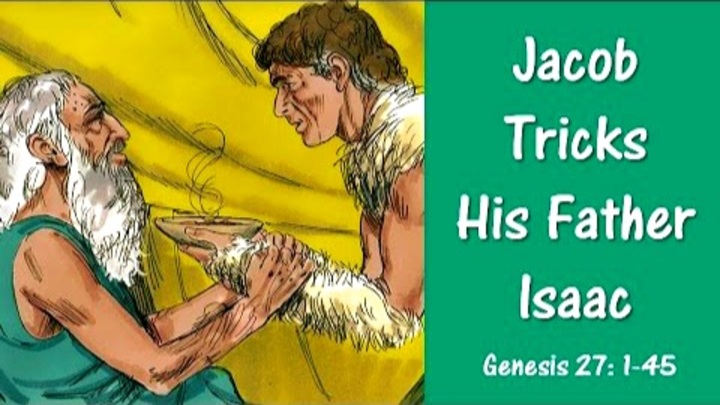
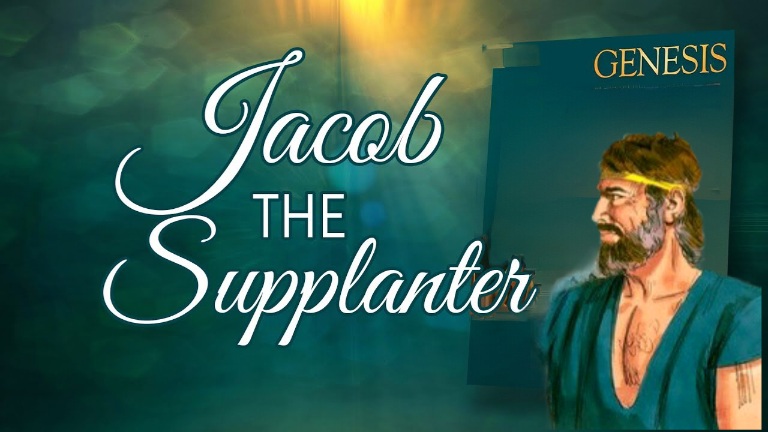
Jacob, son of Isaac, meaning “The Supplanter,” exhibits some of the characteristics of a trickster and has been called such. Check out my next blog for his story and see what you think.
Detail from painting “The Fallen Angel” by Alexandre Cabanel, 1847, used for an edition of Milton’s Paradise Lost.
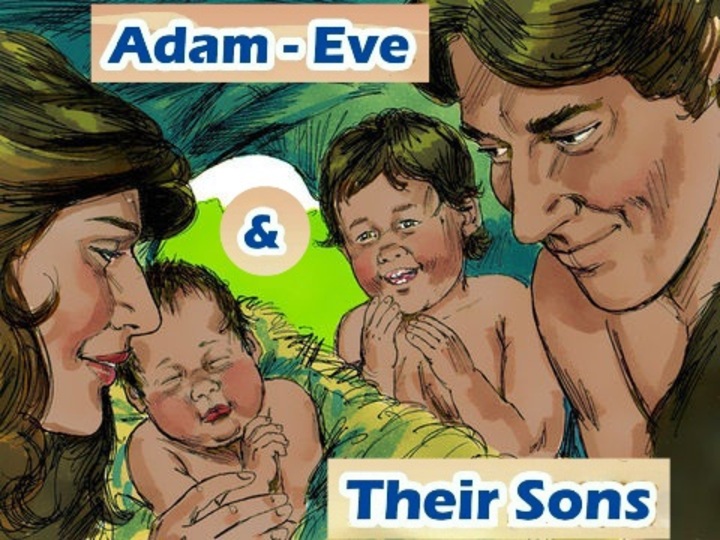
From paradise to poverty, from blessed to cursed, from naivete’ to shame, how did the traumatic tragedy of the Fall affect the first children born into the cursed world?
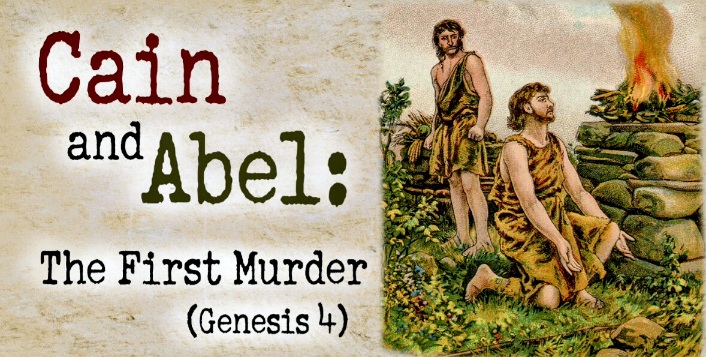
My look at the development of dysfunctional families in Genesis leading up to the story of Joseph continues with the story of Cain and Abel.
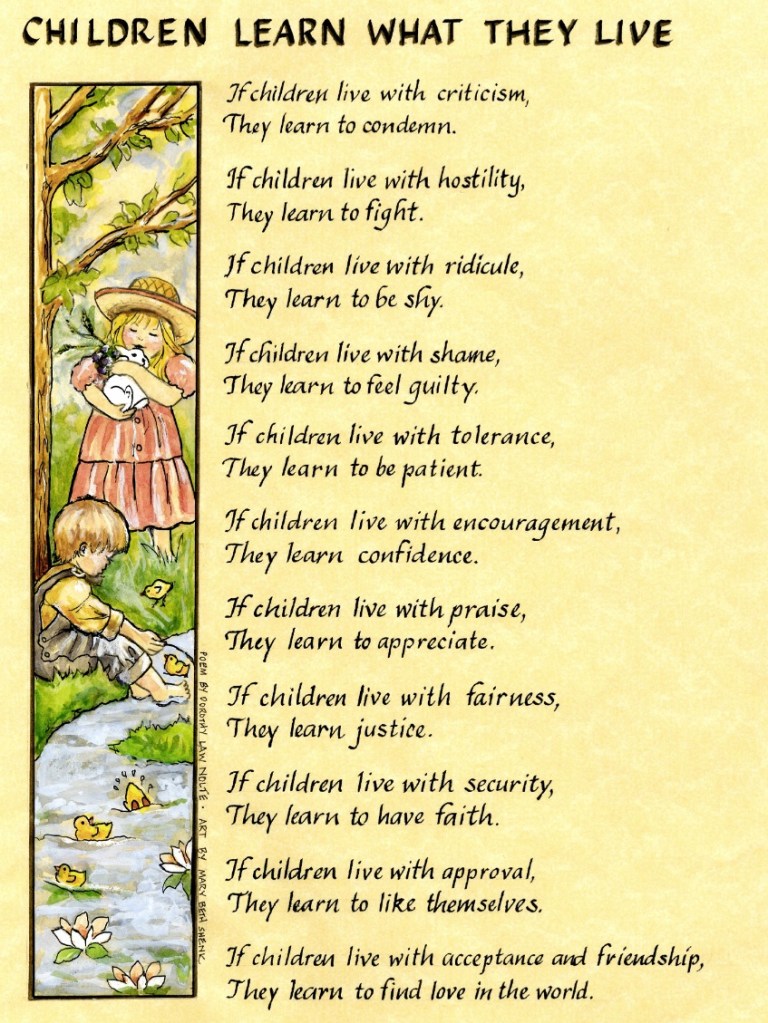
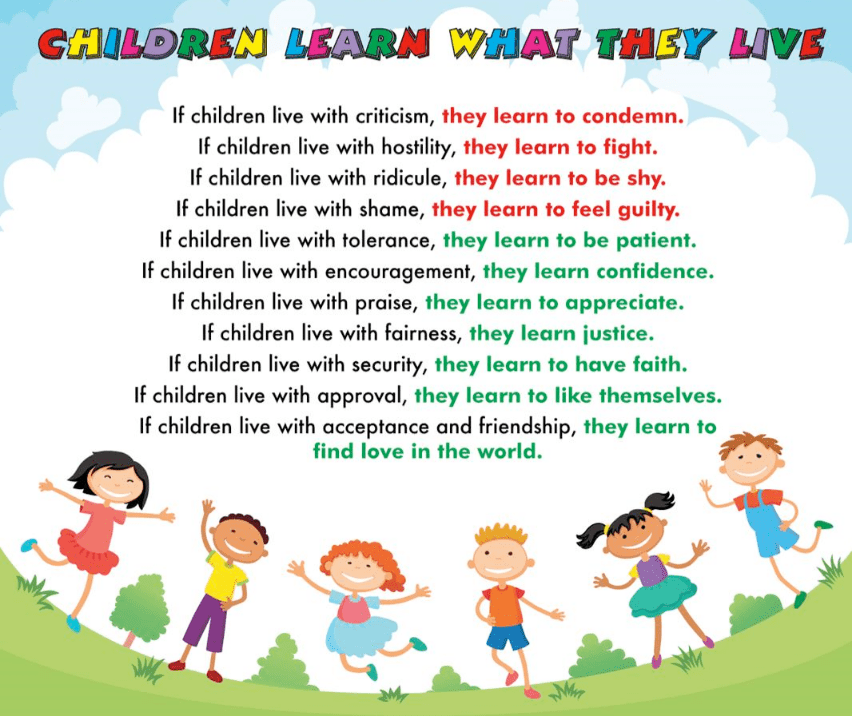
PRINCIPLE: Modeling and Imprinting. Have you read the poem, “Children Learn What They Live”? It lists some negative (dysfunctional) qualities that children may grow up experiencing, as well as some positive qualities, and how they affect the children.
This poem embodies the basic psychological qualities of modeling and imprinting. When we’re born and throughout much of our young life, our developmental instincts cause us to imprint on the models around us as a guide for our developing psyche. Everything from the physical–such as food preferences–to the psychological–such as how we react to people and things–become imprinted into our subconscious and guides our behavior.
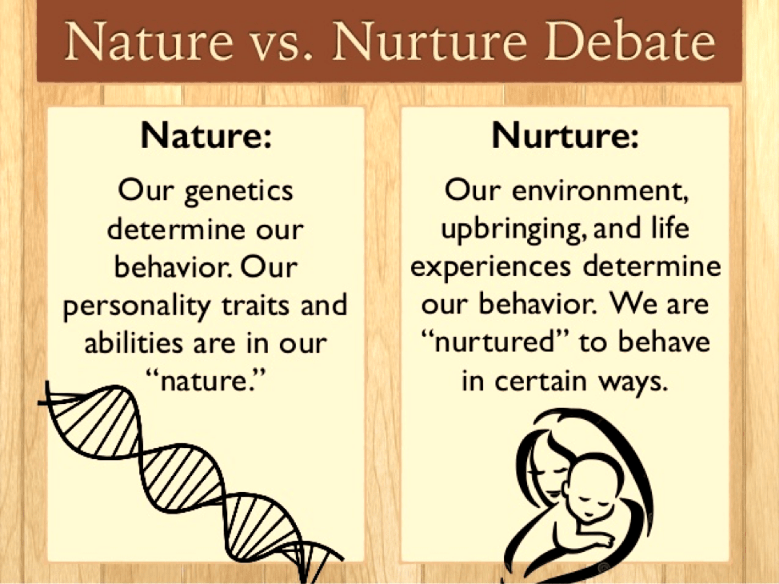
But it’s not just ‘nurture’ that determines our values and behaviors, scientists used to say that who we are is determined by our innate ‘nature.’ Others said who a person became was based on their upbringing, the ‘nurture’ they received. ‘Nature’ versus ‘nurture’ was one of the longest running debates about the driving force of human behavior.
Modern psychologist say it is BOTH, AND the interaction of our ‘nurture’ with our ‘nature.’ This three-part determinant of who we become causes each of us to be unique and to uniquely respond to things in life. Let’s look at how the children of Adam and Eve responded to their heritage.
THE STORY:
After the Fall, the dysfunction of sin became worse.
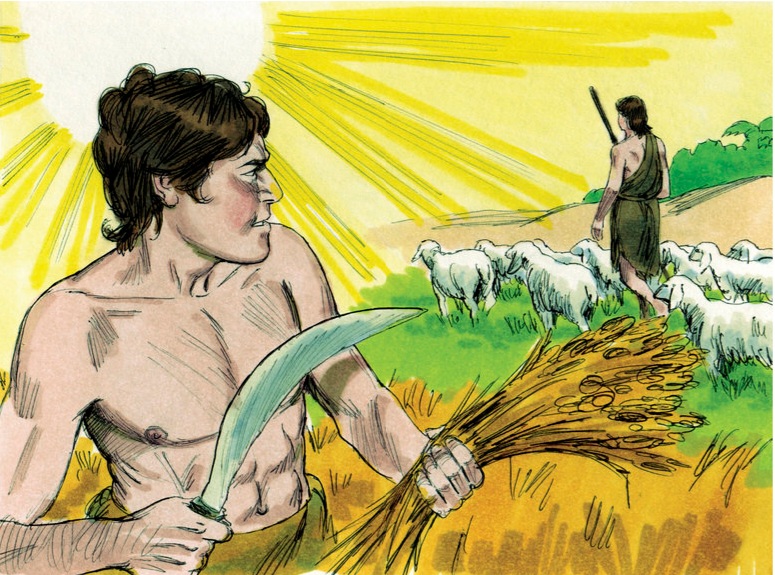
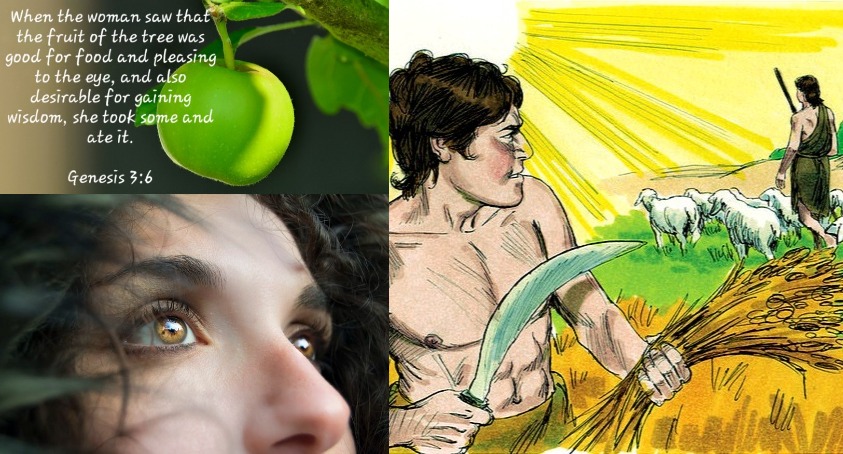
1. When Cain and Abel made an offering from their livelihood to God, Abel’s was accepted, but Cain’s was not. DYSFUNCTION: This seemed to be favortism from Cain’s viewpoint
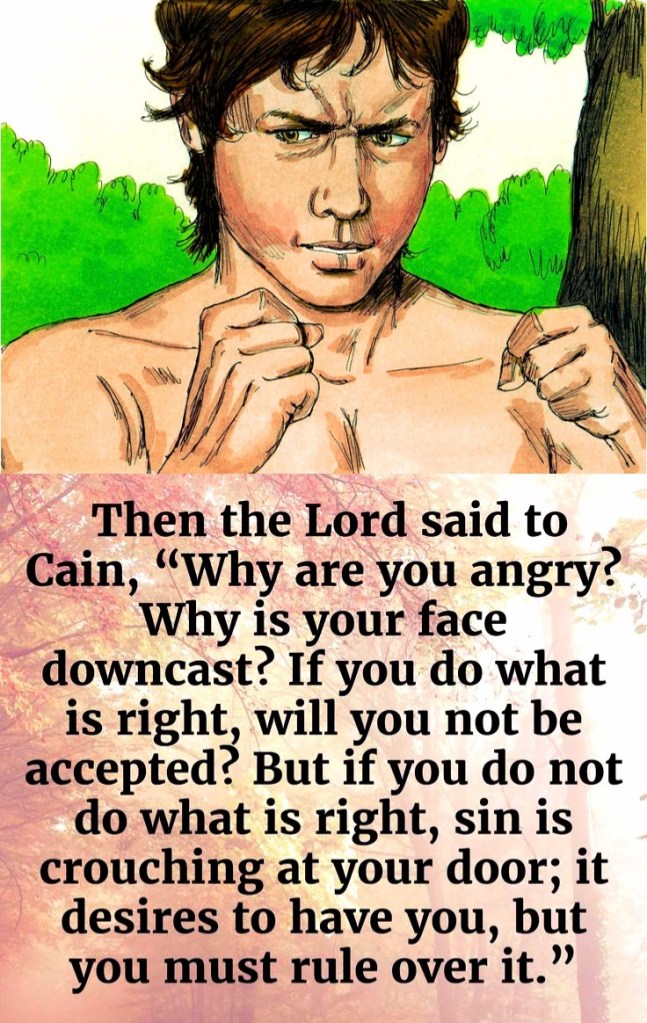
2. Cain stewed in his disappointment until it became angry jealousy toward his brother, Abel. DYSFUNCTION: negative, self-centered thoughts and feelings.
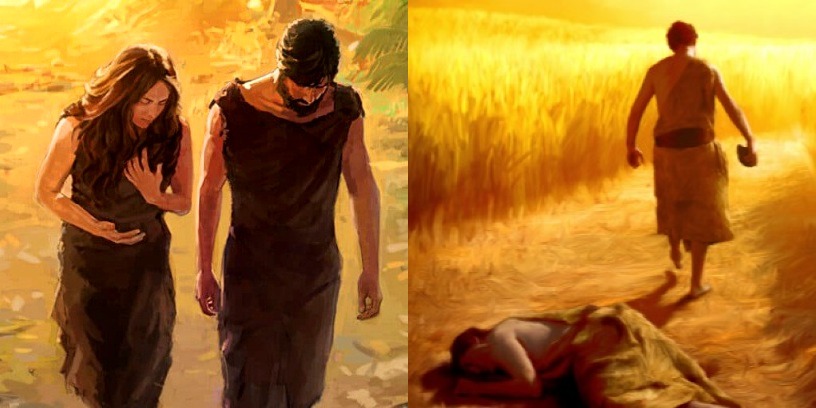
3. This dysfunctional attitude developed into a murderous rage and Cain killed his brother.4. When God confronted Cain about what he had done, he tried to avoid answering, but God called him out on it. DYSFUNCTION: Avoiding accountability.5. God expelled / exiled Cain from the family and cultivated lands rather than executing him as he deserved–another life sentence of hardship–and marked him so that if anyone in the family saw him, they’d know he was cursed and turn him away. DYSFUNCTION: Separation from God and family.
COMMENTARY 📖
There has been a lot of discussion over the centuries as to why the offering of the lamb from Abel’s flock was accepted by God, but Cain’s offering of fruit and vegetables was not. After all, one of the offerings instituted by God in the Law was the Offering of Firstfruits.
To be honest, there are still a lot of unanswered questions about these offerings. Since these are the first offerings to God mentioned in the Bible, I had these questions:
• Why were they offering anything? • What was the offering supposed to accomplish? • If offerings to God had been instituted, wouldn’t what would be an acceptable offering have been included in the instructions?
Lacking those answers and going on the available information in Genesis 3, leads to these possibilities.
Since God made more permanent coverings from animal skins to replace the temporary coverings of leaves Adam and Eve had made for themselves, the implication here is that some animals were killed to provide the skins. This first animal sacrifice might well be the basis for animal sacrifice being established by God, and thus why Abel’s sacrifice from his flock was approved by God.
Note that until after Noah, the “Sons of God” did not eat meat, so the sacrificed animal would not have been killed by Abel nor eaten afterward.
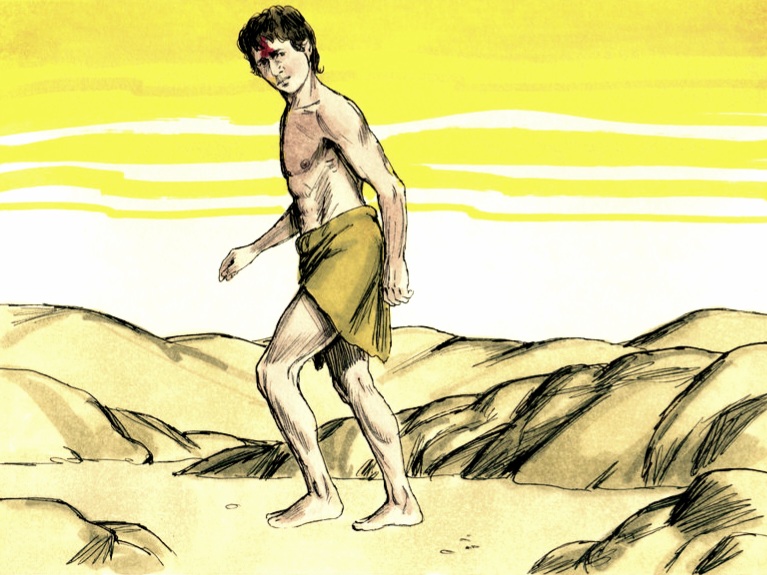
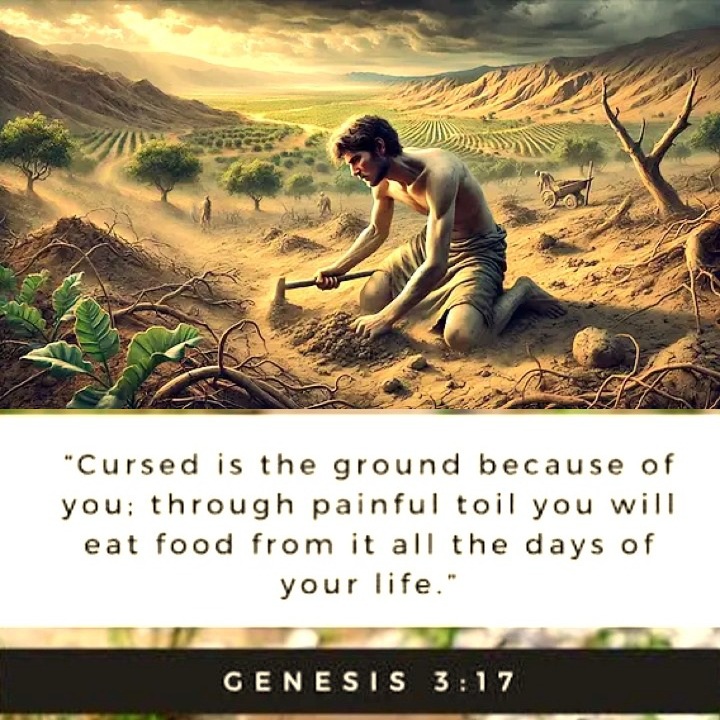
On the other hand, God had cursed the ground as part of the punishment for Adam and Eve’s disobedience. Cain had to work veryhard to get the cursed ground to produce a crop. One might surmise that he brought the sacrifice of the fruit and vegetables he had grown from his efforts with great pride, “Hey God, look what I’ve accomplished!”
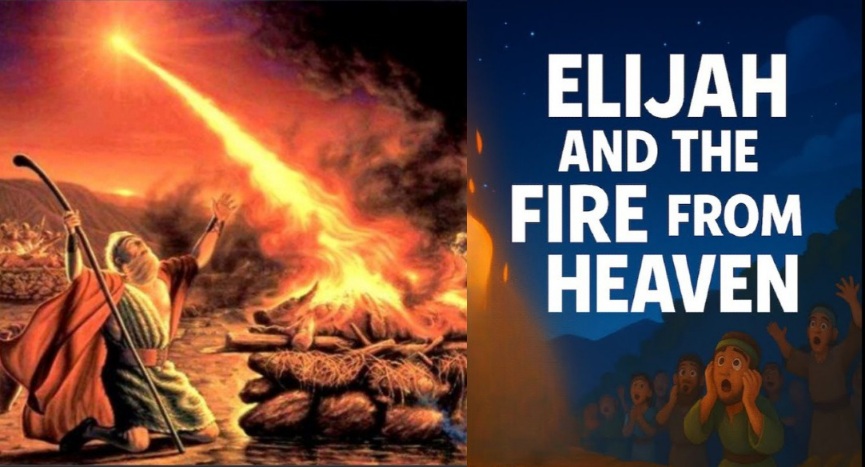
The traditional view is that fire from heaven completely consumed the sacrificed animal, as in the story of Elijah and the prophets of Ba’al, and that is how God showed His acceptance.
The New Testament “Hall of Faith” in Hebrews 11 states that the difference was not one of KIND, but one of FAITH. This statement is the most authoritative about the reason based on the principle that the New Testament interprets the Old. The key to remember is that God looks on the heart, not the outward form.
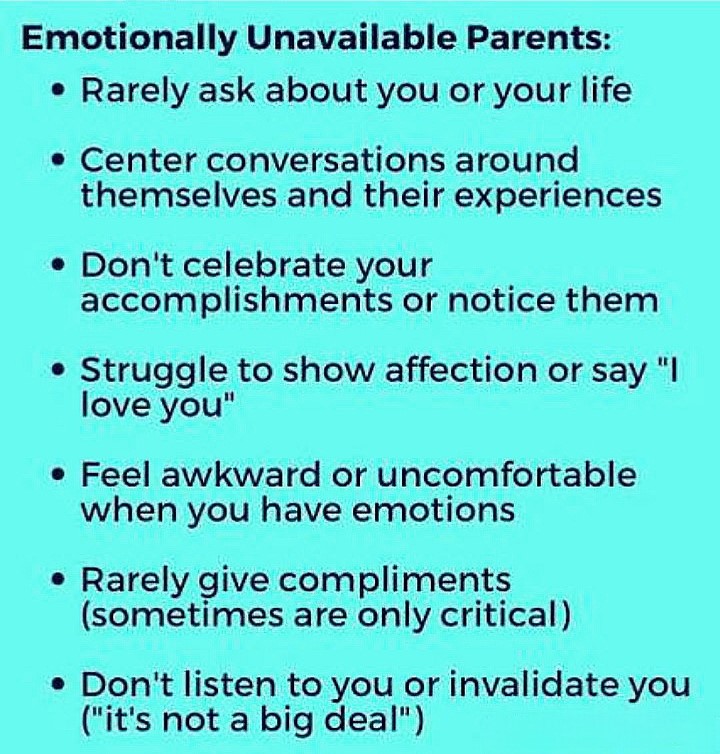
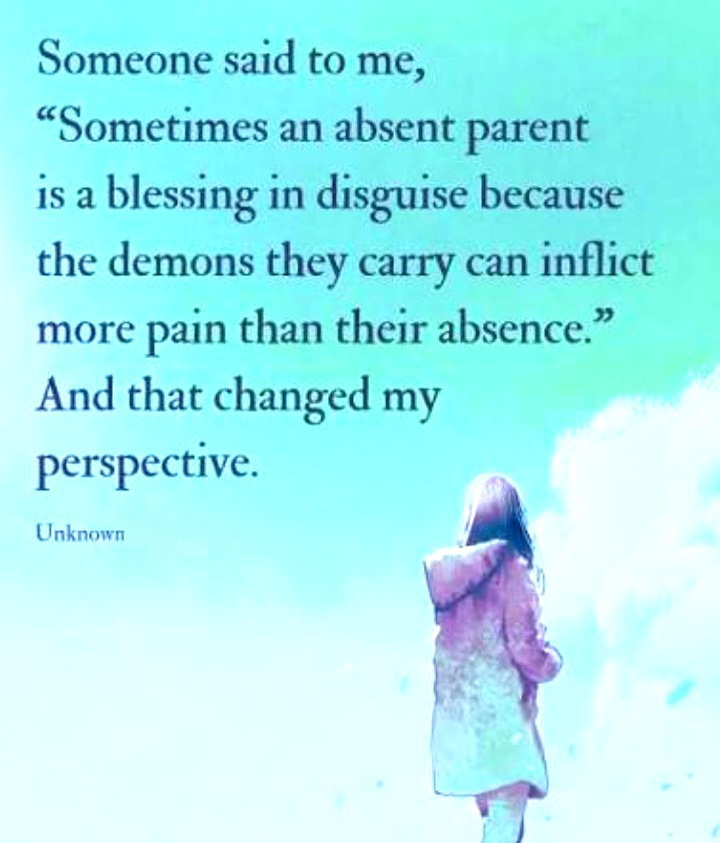
One thing that bothers me about the story of Cain and Abel is, “Where were Adam and Eve?” “Where were the parents?” We have to be careful about reading too much into the silences of Scripture, but I was wondering if there was some absentee parenting here? Were they so traumatized or feeling guilty by what had happened, by what they had casually thrown away, by what they had lost, that they were emotionally unavailable to their children? If so, that would be another dysfunction.
This is an interesting perspective, it might be better that parents who are so traumatized that they are dysfunctional NOT be involved in their children’s lives, because they would do more harm than good. Sadly, having been in such a family with a manic-depressive parent before effective treatment was developed, I can see the point. Just another example of the dysfunction caused by sin and carried to an extreme by entropy.
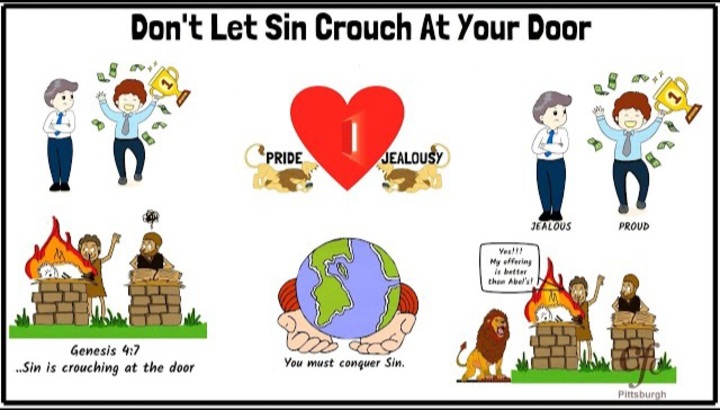
Genesis 4:7 contains 3 words used for the first time in the Bible:
• Sin = an offense and its penalty. • Crouching = laying down on folded legs, like a recumbent animal. By implication waiting, lurking. • Door = an opening for entering, a gate.
SIN: Cain was jealous of his brother’s acceptance by God, but he had not yet sinned. This seems a VERY important distinction.“Crouching,” some interpret this to refer to the pose a hunting cat takes when it sights its prey. If that is true, then this would be the first reference to the existence of predators in the world.
“Waiting at the door” sounds like a colloquism–a local turn of phrase. The interesting thing about it is there are no previous references to any structures requiring a door, such as a tent, a hut or a pen for the animals, but the use of ‘door’ implies those things now existed.
Diving into the origin and meaning of words is interesting, but sometimes it can cause me to “miss the forest for the trees.”
So, the important point is that dysfunctional attitudes make us vulnerable to sin, similar to what happened to Eve, except she was led down the road of vulnerability by deception. Cain was led down that road by his dysfunctional emotions.
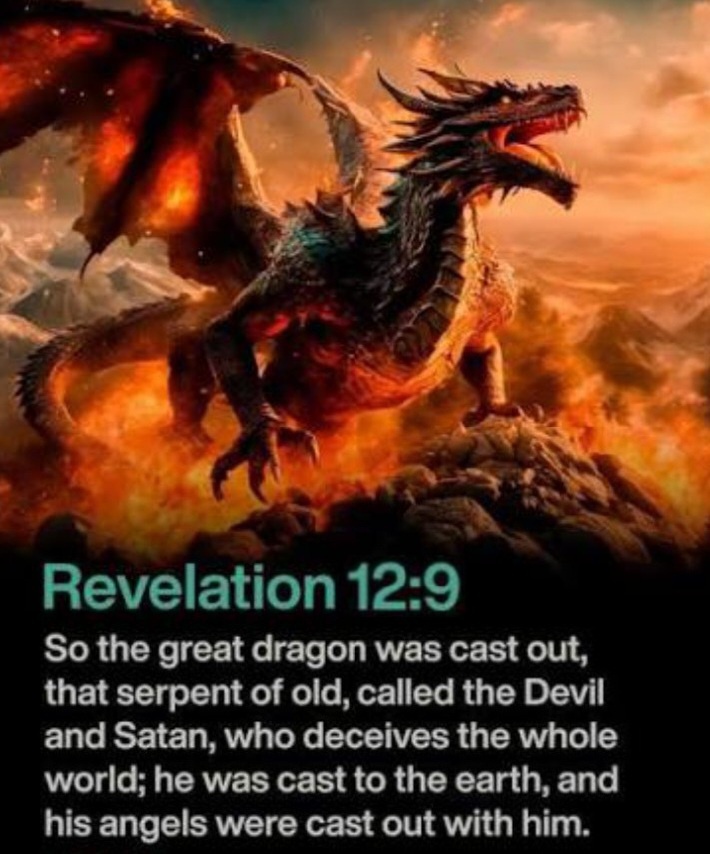
An interesting point about Genesis 3 was that the ‘serpent’ is not identified as Satan there, although Jewish tradition from between the Testaments identifies the serpent as Satan, and Revelation 12:9 indicates it was him.
Here in Genesis 4 we have something similar in that the reference says, ‘sin is crouching at the door,’ whereas tradition once again identifies ‘sin’ as a personification of the devil.
CONCLUSIONS‼️
Paul points out that:
The source of dysfunction in families begins with the sin within all of us. That is our ‘nature.’
In addition to making us dysfunctional people, our sin causes us to do and say bad things, thus affecting relationships that run the gamut from almost perfectly functioning to almost totally dysfunctional. In other words, we’re talking about dysfunctional people interacting dysfunctionally. There just isn’t any other option open to sinful people apart from God’s redemptive power.
“Children learn what they live ” is a simple everyday expression of a psychological truth. That is, we tend to emulate the examples and models we imprint upon as children. But in addition to repeating the ‘sins of the fathers,’ our individual sinful nature tends to cause us to add to the dysfunction list and even to skew those dysfunctions we learned into different, individual expressions.
Some comparisons between Genesis chapters 3 and 4 show the similarities and the differences:
• Eve was deceived into thinking she didn’t have something she should have. • Cain did not receive God’s approval for his offering when he thought he should have.
• Eve listened to the serpent and was deceived into disobeying God. • Cain listened to his sinful emotions and was incited to commit murder.
• God exiled Adam and Eve from the Garden, set a guard of angels so they could not return, and cursed the land. • God exiled Cain from his family’s homestead and cursed him with a mark so that he could not return.
🍎 APPLICATION:
From Genesis 3 we learned that we need to control the messages we listen to from others if we’re going to keep from being deceived and led into taking a sinful action.
In Genesis 4 we see a similar lesson–we need to also control our inner narrative. Because of the Fall, we now have a voice inside us inciting us to wrong thoughts and wrong emotions. As a result, we need to beware of negative emotions that can lead us astray. Some of those from Genesis chapter 4 could be:
The Bible spends a lot of time warning us about these types of dysfunctionalemotions. There must be a reason. Paul talks about these ideas in Romans 6:14-18:
I think the lesson from Cain, the first murderer, shows why it is so important for us to “master” the sin crouching at the door of our heart. Negative emotions allow sin to come in and influence us to say and do wrong things.
But Paul’s message of grace in Romans 6 teaches us that we have a choice in Jesus Christ–to turn in obedience to Him. When He is our Master, then sin cannot exert mastery over us. I don’t know about you, but that is MUCH easier SAID than DONE!!!
THE NEXT BLOG:
There are many other examples of dysfunction as we move from one origin story to another in Genesis. But since the focus of this series is going to be on the story of Joseph, I’m going to jump ahead to his great-grandfather, Abraham, and look at the story of Abram, Sarai, Hagar and Ishmael next.
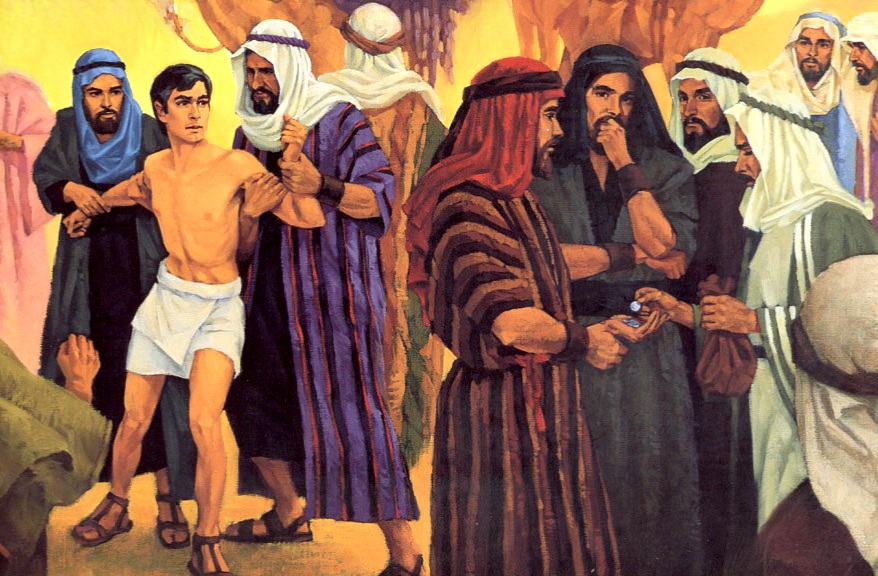
“Joseph striped of his coat of many colors by his brothers”, painting by Sam Lawlor.
I think in order to understand some of the dysfunction that affected Joseph as perpetuated by his 10 older brothers, as well as by his father and even by himself, we should look back at when the dysfunction began…in the beginning.
Principle 1. Dysfunction = Sin: ‘Dysfunction’ is really just another word for ‘sin.’ But ‘sin’ is a word used more in religious contexts and it’s meaning is not always clear outside of those contexts. Using ‘dysfunction’ to describe the ‘sinful’ actions of the players in Genesis has been helpful to me to see these actions in a new light.
The dictionary defines ‘dysfunction’ as “abnormal or unhealthy interpersonal behavior or interaction within a group.” I’ve more often heard the term as part of ‘dysfunctional family.’ I grew up in one of those. The focus was on making it look like everything was normal to our neighbors and the outside world, but in the secret privacy of our home, things were very, very far from okay.
Principle2. Sin = Entropy: The second part of the Law of Entropy, the Second Law of Thermodynamics from physics, stated simply says:
• Things naturally move from a more highly ordered state toward disorder (entropy) over time without an intervention of energy specifically applied according to an intelligent plan.
In the above example, if you toss a bunch of bricks into the air, you will most likely end up with the pile of randomly ordered–i.e., disordered– bricks on the right.
If instead you want a highly ordered brick structure, such as a barbecue, you will have to apply focused effort in assembling the bricks according to a specific plan.
Put into social experiential terms:
1. Things that are good now will go bad unless we act to preserve them.2. Things that are bad now will get worse unless we act to improve them.
3. Things that are at their worst can be improved by the application of specific efforts according to an intelligent plan, but only by God’s grace and with His specific help. He is the source of “anti-entropy.”
In other words, intentionality and diligence are constantly needed or things will naturally go from good to bad, then from bad to worse, until they are at their worst.
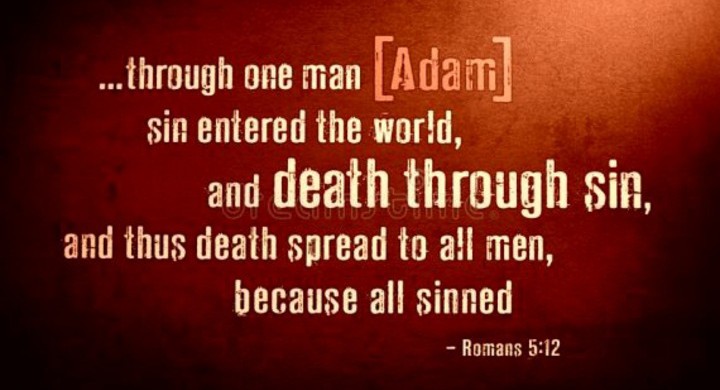
Principle3. Sin = God’s Curse Dysfunction and entropy are the effect of SIN in the world. As Paul stated it from a Biblical standpoint in Romans:
But exactly how far back does it go? Essentially, dysfunctional people and families go all the way back to the Fall–it started with Adam and Eve…
Dysfunction 1. Eve listened to another source other than God for what she should believe and do, leading to dissatisfaction and disobeying God.Dysfunction2. Adam went along with Eve, even though he knew it was disobedience to God.Dysfunctions3.Self efforts: They tried to cover up in their own way……and then hid from God……and then shifted blame when confronted by Him.Dysfunction4. God expelled / exiled Adam and Eve from the Garden rather than killing them…… to a cursed, harsher life.
🍎 APPLICATIONS: The lessons we can learn from Adam and Eve’s mistakes seem kind of obvious–
1. Control the narrative you’re listening to or risk being deceived and misled.2. Be careful not to join in with sinners in their sin or you will suffer the same consequences.3. Don’t try to cover up your mistakes, or the results of them, or avoid being called to account; you can’t hide from God.4. When confronted with your sin, admit it like King David did, rather than hold onto your pride and blame others.5. Humble yourself, agree with God and confess your sin. He will forgive the stain of it before Him, but realize there will still be negative consequences here on Earth.6. God will punish sin in whatever form it takes.
Not so much directly at this time in history, because we’re in the Age of Grace–when God is withholding His judgment in order to give everyone an opportunity to come to Him via the Savior, Jesus Christ.
However, there are still natural judgments built into Creation–natural cause-and-effect consequences:
-built into the physical world, -built into the social world, and even -built into the psychological world within ourselves–
Remember, if we break the laws of God…
Think about that–look before you ‘leap.’
NEXT BLOG:
Detail from painting “The Fallen Angel” by Alexandre Cabanel, 1847, used for an edition of Milton’s Paradise Lost.
From paradise to poverty, from blessed to cursed, from naivete’ to shame, how did this traumatic tragedy affect the first children born into the world?
My look at the development of dysfunctional families in Genesis leading up to the story of Joseph continues in the next blog: Cain and Abel.
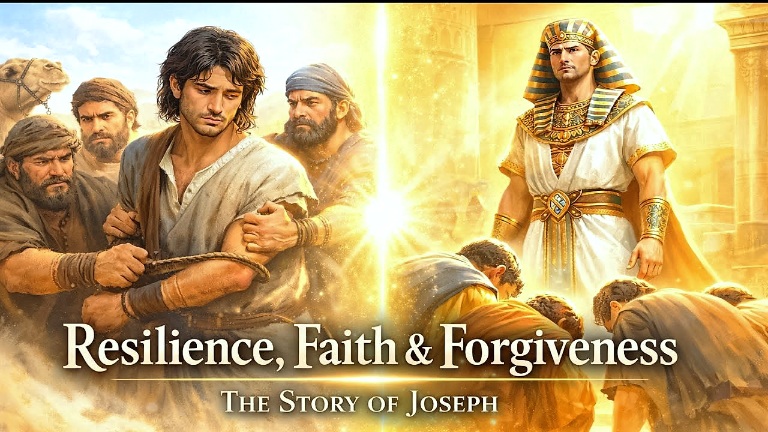
The life of Jacob’s 10th son, Joseph, meaning ‘God has given him’, is one of the favorites from Genesis. From the ‘coat of many colors,’ to slave, to prisoner, to a ruler in Egypt–the story seems to span the entire spectrum of human experience–kind of a ‘from rags to riches’ story that we in America like.
Joseph’s story is used as an example in many sermons about trusting God, about waiting patiently for God’s plan, about maintaining one’s faith in difficult situations. I’ve heard many of these types of sermons in the 50+ years I’ve been a Christian.
A couple of years ago, our men’s discipleship group studied the first part of the life of Joseph in Part 2 of a study of the Book of Genesis. The study was a typical look at what the Patriarchs Abraham, Isaac and Jacob did, with the aim of becoming more godly men.
For part 1 of Joseph’s story, the focus was on his patience and trust in God while obeying His moral laws, even in the face of great personal difficulties.
However, during my personal studies of the weekly passages, another viewpoint of these historical stories, very different than any I had ever seen or heard of, began to emerge.
Have you heard the saying, that Biblical history is really ‘HIS-story’? That what we read in the Old Testament is really about God’s promised Messiah–Jesus Christ, the Savior of the World? THAT was the perspective that began to emerge as we studied part 2 of Genesis. For Joseph’s section, I began to see how it wasn’t so much Joseph’s story as it was God’s. It was HIS-Story.
🍎 Personal Application:
I don’t know what your experience of God is, but in my life, He has been very subtle. His voice has been very quiet when He speaks to me, so quiet that I have to get away from all the noise of the world to hear it. And if I actually want to understand what He’s saying, I have to quiet my inner voices until His is the only voice I hear. All of this takes time that I often don’t spend doing as I should.
His touch on my life and on those around me is subtle too. There’s always the question, “Did God cause this, or did it happen randomly?” I pray and ask for a change and it happens. Was it God? Sometimes I’m not sure because there was no big fanfare, there wasn’t anything flashy. No “Presto change-o” magic words; the answer just kind of happened, or at least that’s how it seemed from my perspective.
And God doesn’t just answer our prayers like making wishes on a genie in a bottle. He’s the Sovereign Lord, Creator and Ruler of the Universe. He has His own plans–not only for His creation outside of us, but for us–His creations made in His own image.
For these questions about how God acts and carries out His plans, we can see at least a glimpse of an answer in the life of Joseph. It’s not the only historical story in Genesis, but it’s the longest one and the one where we can see God at work clearest on an individual level.
One answer to these questions is–it comes down to faith. The writer of Hebrews put it this way in chapter 11:
-What it comes down to is, • Do we have faith in God? • Do we trust in His goodness. • Do we believe that He will answer our prayers?-We must COME to God in faith–believing that He exists; not as some ‘covering all the bases’ act of desperation.-We must ASK God in faith–believing that He is listening.– And usually we must WAIT for the answer–trusting that He is acting on our request, but in His own timing.-And what if the answer to our request seems to be ‘No’? Do we keep faith with God? Do we keep waiting on Him?
The second element of faith in this verse is we believe that God will reward us, if we ‘diligently seek Him.’ What does that kind of faith and waiting look like?
I believe Joseph’s example answers these questions about faith in God and more.
I invite you to join me over the next two months or so as I work from Genesis 37 to the end about the Life of Joseph, but first touching on the earlier passages as part of the rest of my introduction. I previously covered some of the other stories of the Patriarchs we looked at in my blog series, and links to those blogs will be provided.
CONCLUSION 🏁
😯 I was astounded by what emerged from my study of part two of Genesis two years ago! I anticipate many more revelations about God and ‘HIS-story’ as I prayerfully study through the full life of Joseph. 👏
Bill 🤓 _____________________
PREVIEW 👀
1.Key verse🔑
2. Major players 🎭
1. ‘You’ = The 10 brothers.2. ‘Me’ = Joseph.3. God.
4. Many people =
A. The children of Israel and their families… B. …Egypt and their known world.
🍎 APPLICATION: What I learned from this study.
God is gracious! He’s willing to include everyone around us when He blesses because He CARES about everyone and He wants everyone to KNOWthat He cares.