Our theme for April is: Remember Who God Is and our first verse for April is Psalm 27:1
In Psalm 27:1, David declares Yahweh is our light (H216), our salvation (H3468), and our strength (H4481). I’ll look at some other verses that contain each of these qualities about the LORD God in three separate blogs.
1. Yahweh is our Light. David uses a common word for ‘light’ here. Literally the Hebrew word means ‘illumination.’ It is used for anything that supplies a clear light to see by, such as the sun by day or the full moon at night. It is also used of a candle, a fire or a lamp.
Used here figuratively of Yahweh as the source of illumination that allows us to see clearly in life, to pick a safe and right path, and to avoid pitfalls and other dangers.
Yahweh יthe light’, as known to Israel, would be the revelation of His ways and His commands through the Law. Other places where the LORD (YHWH) is referred to as light:
Psalm 43:3; David equates God’s light to His revealed truth that draws people to Yahweh.Isaiah 2:5. The prophet extends an invitation to Israel to walk in Yahweh’s Light.Micah 7:8. When we find ourselves in dark times and fall in life, we can depend upon Yahweh’s illumination to show us the right way to go and get back on our feet again.
There are many more verses for the three qualities from Psalm 27:1. See blog b for some verses about God our Savior.
Our verse this week in the month’s flower motif is from the New Living Translation. Psalm 103:2 reads like this in the NIV: “Praise the Lord, my soul, and forget not all His benefits.”
Just exactly what are those benefits we receive from God? David goes on to list those he sees the nation of Israel has experienced, which are not that different from the benefits we have from God through Jesus Christ. After all, we’ve been ‘grafted’ into Israel through Jesus Christ.
Verse 3: Forgiveness and Healing.Verse 4: Redemption and Lovingkindness.Verse 5: Good Gifts and Renewal.Verse 6: Right Standing and Justice.Verse 7: Revelation of His Ways and Past Actions.Verse 8: Compassion and Grace.
But then David intersperses reminders that experiencing God’s benefits are conditional upon Israel (and we) maintaining the right attitude toward God, which would also be reflected in their (our) lifestyle…
Verse 11: Great Love, as long as we revere Him.Verse 12: Separation of our sins from His consideration of us.Verse 13: Love for us as a Father, as long as we reverence Him.Verse 14: Understanding of our limitations. Verses 15-16: Reminder of the shortness of our life…
Verse 17: …compared to God’s eternal nature, which translates to God’s love continuing to our children and grandchildren, as long as they revere Him.
Verses 19-22: David ends his psalm by inviting everything in heaven and on earth to join together in praising the Lord God with us.
So, let’s take advantage of Easter week to reflect on all that God has done for us in Jesus Christ and PRAISE HIM with everything we are!
Continuing our theme for March, Be Thankful for Another Year, this week we hlook at Psalm 65:11 and Thank God for His Abundance.
The concept of abundance from God follows a similar development in the Bible as the previously discussed concept of God’s help in battle–from physical, to psychological to spiritual–let’s follow that strand.
In the Old Testament, we see that God’s abundant blessings have to do with material things:
Psalm 66:12, remembers the Children of Israel leaving Egypt for the Promised Land, a place of great abundance, described as a land “flowing with milk and honey.”
In Deuteronomy 28:12 God promises that IF the Israelites will obey God’s commands in their new land, THEN the Lord will “open the heavens” and bless them with an abundance of crops.
Proverbs 3:9-10 is another if-then promise. IF the Israelites will honor God with their tithes and offerings,
THEN He will continue to bless their crops so that they will continue to have an abundance.
In Psalm 23, a metaphor for God as the Good Shepherd, the phrase “…my cup overflows…”, means God provides more than what is needed (an abundance), just as He has promised.
But then in the New Testament, we see a move from a physical abundance to a psychological and spiritual abundance. In Luke 6:38, Jesus’ teaching about a generous measure in giving to others appears to be about physical things:
But in a similar statement recorded in Matthew, we see Jesus also means how we measure out intangible things.
So, in John 10:10 when Jesus says He came to give us an abundant life, is that an abundance of things, or of something less tangible?
Actually there is a clue in the Old Testament. In Exodus 34:6, when God revealed Himself to Moses, one of His qualities was, “abounding in lovingkindness.” This speaks to the character of God.
Since God’s character abounds with love, then it is natural that He gives generously of Himself and anything that it is within His power to give.
As Providence, He provides for our physical needs. 2 Corinthians 9:8.
But what our God truly wants to give us are the things our heart and spirit need inside. Such as joy, peace and hope.
Also in 2 Corinthians, we see that there is a purpose for God’s generosity to us as Christians. We are given all that we need so that we can, “abound in every good work.” We’re supposed to be doing God’s good work!
This point is made clearest in Ephesians 2:10.
And that is why, a little later in the epistle, Paul says God is able to do more through us than we can ask or imagine.
God’s abundance in our lives, both physical needs on the outside and psychological and spiritual needs on the inside, is not just for us, it is so He can touch those around us with the good news, the Gospel of Jesus Christ, THROUGH us.
So, look around and within–God has blessed you with an abundance. Remember to express thanks to Him for it and then GET BUSY!
6. THANKFULNESS TO GOD: …and 17b, “…giving thanks to God the Father through (Jesus).”
Paul points out that it is all about God. But for us as Christians, our reconciliation to God, our relationship with God and our responsibility to God as our Creator, all flow through Jesus Christ.
And notice between verses 15 to 17, Paul mentions ‘thankfulness‘ three times–‘be thankful,’ ‘with gratitude,’ and ‘giving thanks.’ If God’s agape love is number 1 on the list of our responses to being saved, then thankfulness, being thankful, and giving thanks are 1b, 2b and 3b.
So, looking at the three commands in this practical section in Colossians, we can put it all together this way:
1. God has forgiven us in Jesus Christ; therefore, be thankful, and forgive one another, just as God has forgiven us.
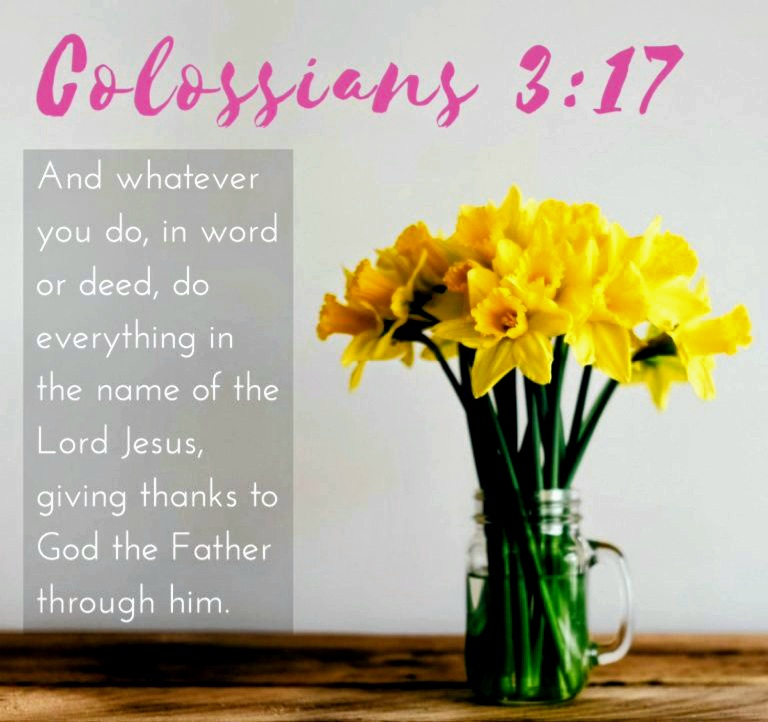
2. God is holy, Christ died to make us holy and to bring us to God; therefore, we are to give thanks for being redeemed, and strive to be holy, just as He is holy, in our words and deeds.
3. God has loved us with an everlasting love; therefore, be grateful, and love one another, just as God has loved us.
I really can’t say it any better than that.
In conclusion we could say, as our verse this week says, Show thanks in everything you do!
5. GOD’S PEACE: In order to be united in one body, we have to be at peace within ourselves so that we can then live together in a peaceful way.
Peace was very important to the Jews in Jesus’ day, maybe because of the Roman occupation, the Jews felt they didn’t have it. God had prophesied there would be times like that.
Whenever two Israelites of Jesus’ day met, they would say, “Shalom” in greeting to each other, translated in the Bible as, “Peace be with you.” When they parted, they would say it again.
The closest practice in our culture is in Hawaii where they say, “Aloha,” as both hello and goodbye.
Notice that Paul specifies this as the “peace of God.”
Jesus said something similar when He gave a gift of peace to His disciples instead of just wishing them peace. Since it was understood that Jesus was God, Paul is likely referring to this gift of God’s peace through Jesus.
This gift of peace from God was so important to the New Testament writers that it was a frequent part of their opening benedictions, and often a part of the ending benediction of their letters too.
Here’s a nice version of the chorus of a classic hymn about God’s peace done as a Christmas greeting on YouTube.
Christmas wasn’t the only time when we received gifts from God. At the first Christmas, the world received the Savior sent from God.
When in faith we committed ourselves to Jesus as our Savior and Lord, we received the gift of eternal life.
And we can receive the incomprehensible peace of God every day. When something happens that causes you to be anxious…, and don’t try to pretend that doesn’t happen, it happens everyday for me! When it happens, we need to take the issue to God in prayer, WITH THANKSGIVING, and we can then do a ‘gift exchange.’ God will give us His peace if we will give Him our anxiety. What a great deal!
Are you anxious about anything coming up in your life right now? Go ahead and give it a try, God is always there, He’s always faithful. Turn your concern over to God in prayer, thank Him for His gracious care, and go on your way. Test Him and see if God’s peace doesn’t replace your worries.
4. GOD’S ‘AGAPE’ LOVE: Godly character and forgiveness are among the top things that should distinguish Christians, but Paul makes it clear that God’s unstinting love heads the list; and so do many others in the Bible.
A What is the Greatest Commandment?
Jesus, Matthew 22:37 and Moses, Deuteronomy 6:5
B. What is the second greatest commandment?
Jesus, Matthew 22:39 and God, Leviticus 19:18
C. What is the Golden Verse?
D. What is the new Commandment of Jesus?
E. Which of the eternal qualities is the greatest?
(Paul)
From the Old Testament to the New, the message is love, love, love, love, love; and here we have one love for each of the five godly characteristics. We could say:
• Do we need to be more compassionate? 💔 We must first love like God does.
• Do we need to be kinder? 🙂 We must first love like God does.
• Do we need to be more humble with others? 😔 We must first love like God does.
• Do we need to be more gentle? 🪶 We must first love like God does.
• Do we need to be more patient? 😌 We must first love like God does.
• Do we need to be more forgiving? 😇 We must first love like God does.
And where does that love come from? 🤔 Can we just dredge it up from deeper in our heart? ♥️
Well…, that would be a ‘NO!’ 🚫
God’s love only comes from…GOD! ✨️🤍 ✨️ If we want to be more loving in our words and actions, then we must first experience being loved by God. 💞
🤔 Start by thinking of some of the ways you know that God loves you, and then give thanks to Him in prayer 🙏 for those expressions of His love. 💖
3. GOD’S FORGIVENESS: From the Lord’s Prayer, “Forgive us our trespasses as we forgive those who trespass against us,” and throughout the epistles, as here in Colossians, the message of “God has forgiven us, therefore we should forgive each other,” is repeated over and over again in the New Testament.
Forgiving others may not be the only key characteristic of being a Christian, but it certainly is one of the hardest! I think the key to grow in forgiving others comes from reaching a deeper understanding of just how much God has forgiven us through the suffering and sacrifice of Jesus Christ. Let’s look at that a little more closely, and it’s appropriate as we approach Easter.
Some Medieval European royalty had something called a ‘whipping boy.’ You see, a young prince was too privileged to be punished for the usual childhood misdeeds. So, they would find another child the same age and put the two boys together as playmates when they were very young. When the prince reached the age when physical punishment was considered appropriate, instead of whipping the prince, they would whip his playmate. Done properly, this was as effective as if they had whipped the Prince himself.
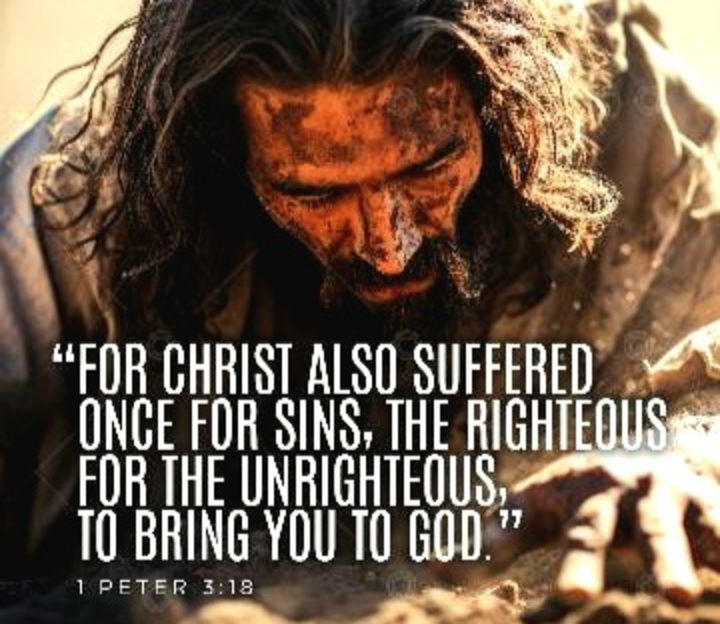
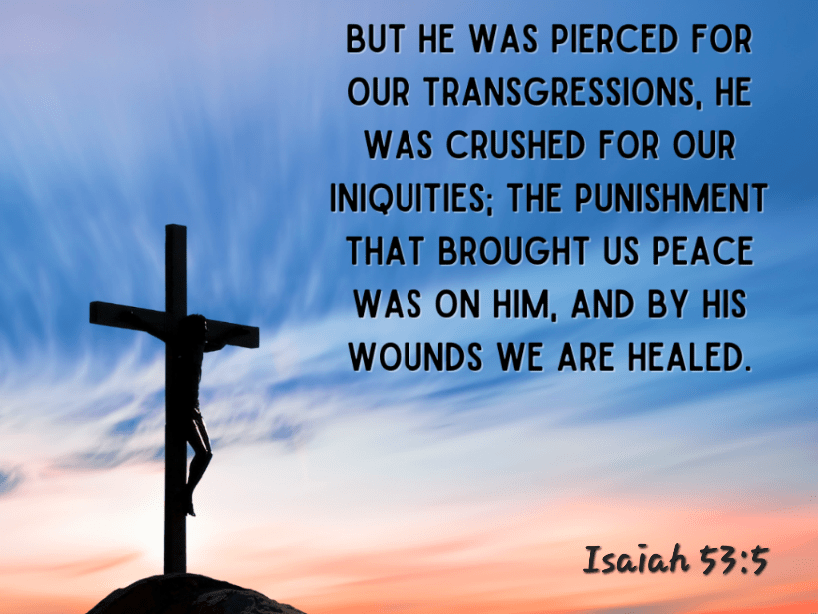
In the same way, Jesus physically suffered to pay the penalty for our sin. When you become aware that you have spoken or acted in a sinful manner, it’s ‘by His stripes that we are healed.’ Jesus was our ‘whipping boy.’
The healing has to do with sin and our relationship with God. When we act or speak in a manner contrary to God’s nature (sin), our closeness with God is broken. However, it can easily be restored because Jesus has already paid the penalty for it. We just have to confess and repent of what we did or said wrongly in order to claim God’s forgiveness.
WHAP! The penalty for our sin is another painful lash across the unprotected back of Jesus. Maybe that image will help you try a little harder to act and speak as God would like for you to.
Think about Jesus being pierced, crushed and punished as our ‘whipping boy’; and then thank Him for His willingness to take the punishment we deserve so that:
2. GODLY CHARACTER: With the background of our salvation in mind, Paul lists some godly qualities that we are to put on like our ‘uniform.’
A. Compassion, B. Kindness, C. Humility, D. Gentleness and E. Patience.
When we see someone wearing a particular uniform, we have a certain understanding about who they are and certain expectations about what they do.
The same is true for us as Christians. Our ‘uniform’ is the character of Christ, which is the revealed nature of God. We were all made in God’s image, but that image has been corrupted by sin. As Christians, God is in the process of restoring the correct expression of His image within and through us.
The above 5 qualities might also be thought of as the 5 fingers of our Christian ‘work gloves.’ We wear gloves to enable us to handle potentially dangerous things that could harm our hands. The qualities of compassion, kindness, humility, gentleness and patience are what people should experience from us when we interact with them.
In their own way, having these qualities deeply ingrained in our behavior can protect us from the effects of sin from those we deal with. Sometimes that sinful person is another Christian who hasn’t grown enough in a particular area of their life.
Sometimes WE are that sinful person. We are all still a work in progress in our Christ-like character.
Think of some times when you realized God had been compassionate, kind, humble, gentle, and/or patient with you as He was teaching you to live His character, to BE His image.
Let God know in prayer how much you appreciate Him being like that with you.
This is a new month and we have a new theme for March, praise and thanksgiving. Our first verse is 1 Thessalonians 5:18 – Give thanks in everything!
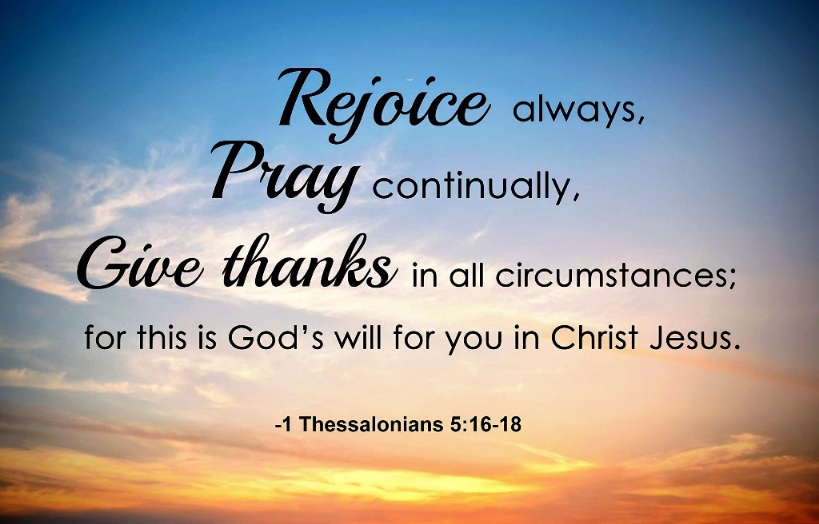
Verse 18 is actually the third in a list of things that Paul is saying we should always be doing as Christians. Here’s the full set:
According to the Greek, the this at the end of the list refers to the “substance of the preceding discourse,” in other words–ALL THREE! So from the Interlinear Bible, it reads,
“For these things are the will of God as regards you.”
What would it look like if these three things really DID characterize our lives as Christians?
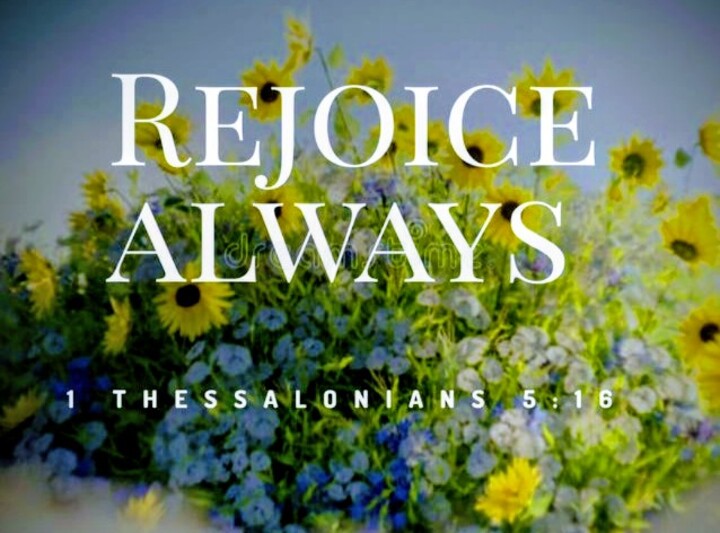
REJOICE ALWAYS! What should we be so happy about all the time?
I recently heard a podcast from Doctor David Jeremiah from Ecclesiastes 9. He titled it, “The Subject Nobody Wants to Talk About,” because it was about death.
Solomon didn’t have a problem talking about it. He made the points that • death was inevitable, • death could not be ignored, • nor could death be avoided. So, what was Solomon’s response to these somber truths? David Jeremiah summarized the advice this way.
Treat every meal like it’s a feast! He pointed out that we rarely sit down and eat together anymore. The advent of fast food has somehow short circuited the family meal. But there are many relational advantages to taking the time to eat together. The Israelites knew this.
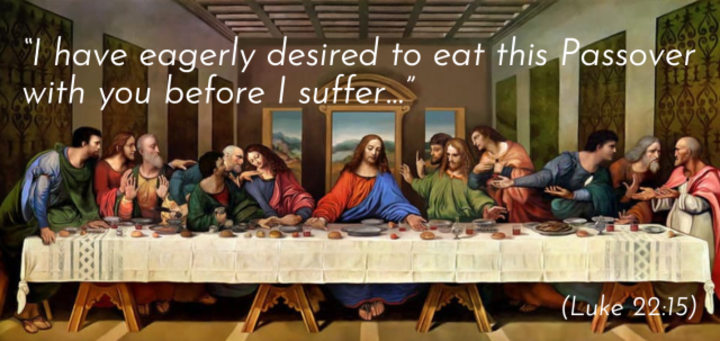
One of Jesus’ greatest desires, He said, was to eat one last meal with His 12 disciples before He was arrested.
If we add to a sit-down meal the trappings of a feast, it can also add to our enjoyment of life!
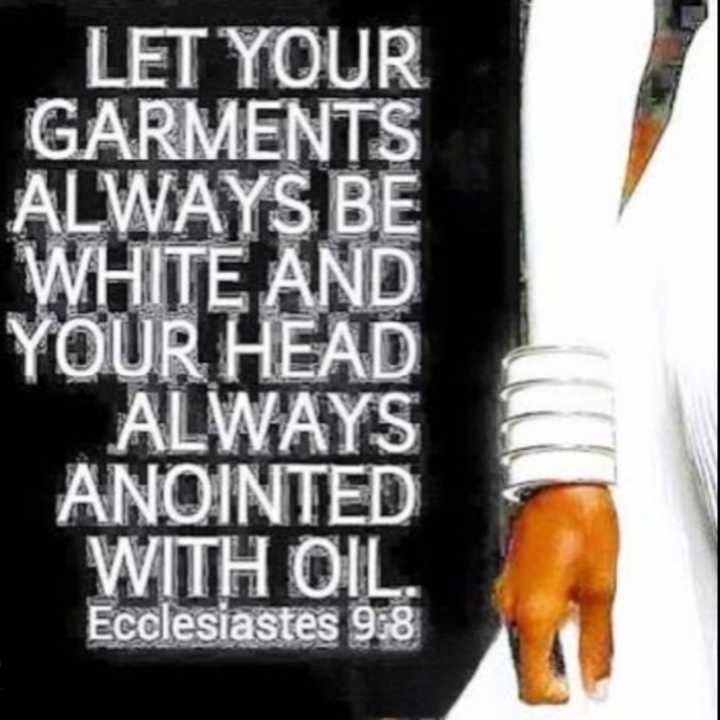
Next, David Jeremiah said we should dress up every day like we’re going to a party! I grew up at a time when people dressed up more. I look at old TV shows like Perry Mason and am reminded of this. We even had one suit reserved for going to church and special occasions called our “Sunday best.” Now people just wear a t-shirt and jeans.
I think there’s something to be said for dressing nicely. At work we try to “dress for success.” That is, dress for the job you want rather than the one you have.
In the same way, if we dress nicely, “like we’re going to a party,” maybe we’ll influence our attitude to the one we WANT to have–one of celebration and rejoicing!
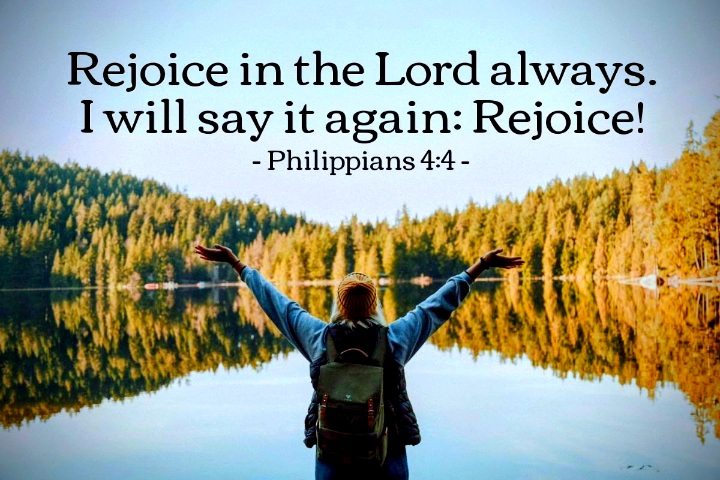
One point to remember about Ecclesiastes, it very much has a “the-grave-is-the-end” attitude. For us as Christians, we now know that is not true. In a similar list of commands at the end of Philippians, Paul says,
Our cause for “rejoicing always” is more than just enjoying life while we have it, although that is a VERY GOOD reason to do so. If we center our life on Jesus Christ and the salvation He has bought for us, then we should have TWICE as many reasons to be filled with joy each day.
Start your day with a devotional time, and think about the grace and mercy of God through Jesus Christ. Maybe that will help you carry more of a rejoicing attitude throughout the rest of the day?
Pray continually! What does that mean? It sounds a little impractical to me. The Greek word for ‘prayer’ here is the general word that means to direct your thoughts and words toward God. Making God a part of your conversation…that’s prayer!
Our current series at The Summit is on Nehemiah. This week, Pastor J.D. pointed out how much prayer contributed to Nehemiah’s success at rebuilding the walls of Jerusalem.
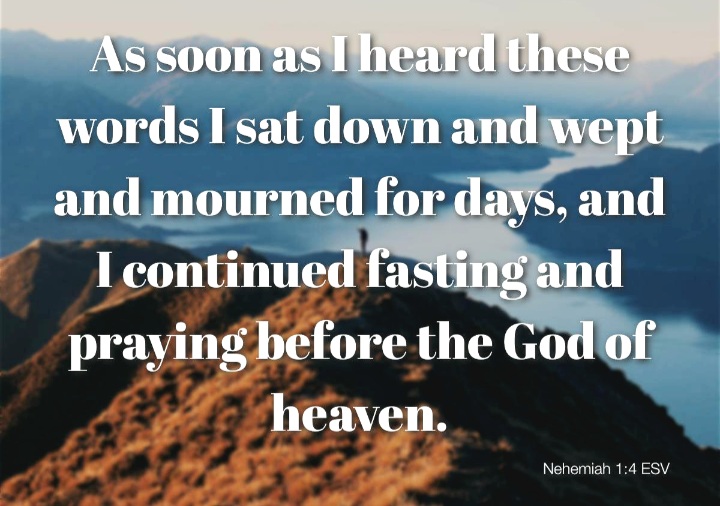
When his brother brought him the bad news about the poor condition of the walls of Jerusalem, Nehemiah was very troubled and addressed the issue by prayer and fasting.
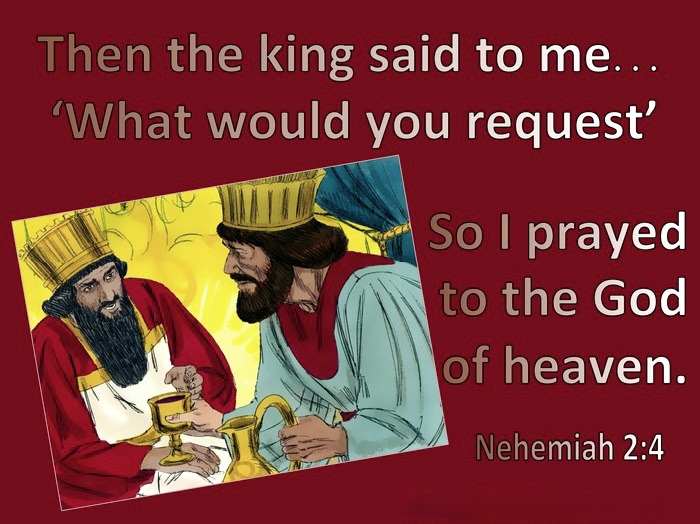
When Nehemiah unexpectedly had an opportunity to ask the king for resources, it says he prayed. It was probably one of those quick “breath prayers”.
All during the work in Jerusalem, Nehemiah regularly prayed about the difficulties that arose.
Then at the end, the last thing recorded, both in the book and in the Old Testament, was a prayer by Nehemiah to God.
Nehemiah prayed before he did anything about the problem, he prayed when he was presented with the opportunity to do something about it, and he prayed throughout dealing with the problems until the very end–THAT is praying continually.
Give thanks in all things. Note that it says to give thanks in all circumstances, not necessarily for all circumstances.
Cultivating an “attitude of gratitude” can benefit our Christian walk in many ways. Most especially, remembering to thank God in the middle of difficult situations helps to shift our focus from the problem to God’s goodness and sovereignty, and that can help reduce our worry and anxiety.
Here’s a song that might inspire you as you seek to give thanks ro God:
CONCLUSION:
God commands us to REJOICE ALWAYS, because He knows it will help us enjoy life.
God commands us to PRAY CONTINUALLY, because He has what we need to deal with the problems of life, but we need to ASK Him.
God commands us to GIVE THANKS IN ALL CIRCUMSTANCES, because He knows it will help us maintain a positive attitude and remind us of the good gifts He gives us.